Writing Nonfiction: My Guide to Crafting True Stories
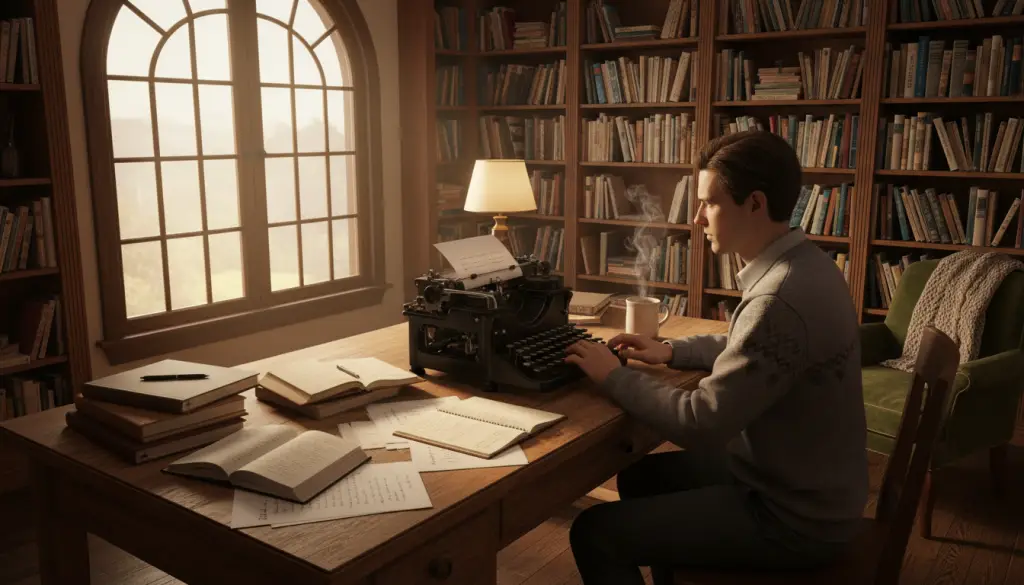
I stared at a blank screen for forty-five minutes one Tuesday morning. My cursor blinked like a heartbeat I couldn’t quiet. I had a true story worth telling — a story about a family who survived a wildfire in Northern California — but I couldn’t figure out where to start. So I did the only thing that made sense. I wrote one sentence. Just one. It wasn’t pretty. But it led to a second sentence, and a third, and by noon I had a rough opening scene that actually moved me.
That experience changed how I think about writing nonfiction. It taught me that crafting true stories isn’t about waiting for genius to strike. It’s about showing up, putting words on the page, and trusting the process.
Jack Hart — the acclaimed writing coach behind Storycraft and Wordcraft — puts it best. Great nonfiction comes from method meeting craft. You don’t need blinding talent or years locked away in isolation. You need determination and a genuine love of the work. His two books, first published separately (with Wordcraft appearing through Random House in 2006 as A Writer’s Coach), were later reunited at the University of Chicago Press as the paired guides he always intended them to be.
This guide draws on lessons like Hart’s and my own stumbles along the way. Writing nonfiction is a skill you can build, one line at a time. Crafting true stories gets easier when you have the right tools and a willingness to keep learning.
Key Takeaways
- Writing nonfiction is a learnable craft — talent alone isn’t enough without discipline and method.
- Crafting true stories starts with writing one sentence, then building from there.
- Determination and love of the process matter far more than natural ability.
- Trusted guides like Jack Hart’s Storycraft and Wordcraft offer proven frameworks for narrative nonfiction.
- Strong nonfiction blends careful research, ethical storytelling, and deliberate structure.
- Every writer struggles with blank pages — the secret is simply showing up and starting.
Understanding the Art of Writing Nonfiction
Before we dive into the craft, let’s get started. Creative nonfiction is a mix of storytelling and truth. It needs both writing skill and honest reporting. Let’s explore what that means.
What Makes Creative Nonfiction Different
Lee Gutkind, the founder of Creative Nonfiction magazine, calls it like jazz. It combines different elements into something lively. The word “creative” means it’s about literary skill, not making things up.
Ploi Pirapokin says it best: “True stories, well told.” It aims to make real events as engaging as fiction. You use scenes, dialogue, and structure, but facts stay true.
The Truth Contract with Your Readers
When readers pick up your work, they trust you. They believe what you say happened. This trust is key in creative nonfiction.
Here’s what that trust looks like:
- Never lie about facts that can be checked
- Admit when your memory might be imperfect
- Stay accountable for every claim you present
Breaking this trust hurts your reputation and the genre.
Breaking Down Common Misconceptions
Many writers have wrong ideas about this craft. Let’s clear some up.
| Misconception | Reality |
|---|---|
| Creative means you can invent details | Creative refers to literary nonfiction writing techniques, not fabrication |
| Nonfiction must be dry and academic | It can be as vivid and engaging as any novel |
| You need a dramatic life to write it | Ordinary experiences told well can captivate readers |
With these basics, my journey into narrative nonfiction began. I’ll share it next.
My Journey into Narrative Nonfiction Writing
I didn’t stumble into nonfiction narrative structure by accident. It was a slow, deliberate path shaped by years of reading, editing, and studying the craft. My writing journey began when I started paying attention to how the best true stories were built — not just what they said, but how they said it.
One book that changed everything for me was Jack Hart’s Storycraft. Hart spent decades as an editor at The Oregonian, working with Pulitzer Prize–winning writers. He gathered those lessons into a guide that reads like a masterclass. Picking it up while I was drafting a 4,000-word company history felt like someone turned on the lights. The nonfiction narrative structure Hart describes gave me a framework I could actually use — and it made writing feel exciting again.
I’m not alone in that experience. Writer Ploi Pirapokin has described how editors and contest panelists kept asking if her fiction was based on real events. That feedback pushed her to explore:
- Personal essays rooted in lived experience
- Memoir that draws on memory and reflection
- Lyric essays blending research, theme, and emotion
She found each form freeing. The nonfiction narrative structure gave her permission to weave together themes, research, and personal stories in ways that felt honest and creative at the same time.
My own writing journey mirrors that sense of discovery. Every new project taught me that true stories demand just as much craft as fiction — sometimes more. The constraint of truth doesn’t limit creativity. It sharpens it.
Essential Nonfiction Writing Techniques I’ve Learned
I’ve learned some key nonfiction writing techniques over the years. These lessons didn’t come from just one class or book. They came from writing, failing, rewriting, and pushing through the tough parts of real projects.
The Power of Taking One Line at a Time
Superman might leap tall buildings in a single bound, but great writers write one line at a time. I used to feel overwhelmed by big projects. A full manuscript seemed too big to handle.
The trick? I stopped looking at the whole project. I focused on the next sentence. This changed everything.
When you learn to write nonfiction books, you see the magic in each sentence. Each line builds on the last. Each paragraph keeps the reader interested a little longer. That’s the real skill.
Building Stories Through Method and Craft
Good nonfiction isn’t just about a great topic. It’s about how you shape the material. I follow a method that looks like this:
- Start with deep research before writing a single draft sentence
- Outline the emotional arc, not just the information
- Write scenes that make facts feel alive and urgent
- Revise with fresh eyes at least two full rounds
These techniques turn raw facts into stories people want to read. Every lawyer drafting a brief, every marketer crafting a campaign — they all need to reach people through writing. We carry keyboards in our pockets now. How well we use them determines our influence.
Why Determination Matters More Than Talent
I’ve met brilliant people who never finished a manuscript. I’ve met average writers who published five books. The difference wasn’t talent. It was determination.
The love of writing is the one ingredient every successful nonfiction author shares — not genius, not connections, just a refusal to quit.
If you’re figuring out how to write nonfiction books, remember this: mastering the craft is a daily choice. This mindset will take you further than any natural gift.
Mastering Structure in Creative Nonfiction
Before I start writing, I spend a lot of time on structure. A good nonfiction narrative structure can save you from a lot of hard work later. Jack Hart’s advice on this topic changed how I write. He says getting structure right first is the best move for nonfiction writers.
John McPhee’s Outlining Method
John McPhee is a top nonfiction writer. His outlining methods are famous. He makes a framework before writing a word.
McPhee says knowing the structure lets you focus each day. You know where each piece fits. This makes writing less chaotic. Planning your nonfiction narrative structure early helps you stay on track when it gets tough.
The Complication and Resolution Framework
Jon Franklin has another great model. His framework has five parts:
- A complication that starts the story
- Three developments that add tension and meaning
- A resolution that wraps it all up
I use this framework a lot. It works for many types of writing. The best thing about these methods is how simple they are. They give you direction without being too strict.
How Structure Saves Weeks of Revision
Bad structure means bad drafts. Bad drafts mean a lot of rewriting. I’ve learned this the hard way.
When I skip outlining, I have to cut whole chapters. But when I focus on structure first, my drafts are better. This means I don’t have to revise as much. And I can finish my work faster.
Research Methods for Nonfiction Writers That Actually Work
Good nonfiction starts with solid research. It’s not just about sitting in a library. It needs relentless curiosity and a drive to find the truth.
Alex Heard, editorial director of Outside magazine, is a great example. He didn’t just look at the surface. He sent many emails and made calls. He talked to friends, family, and even Sedaris himself.
His fact-checking found real stories and fake ones. This digging is key to credible nonfiction.
Real-time research is also impressive. When a Thai Power Rangers fight happened in Oakland, journalists worked fast. They talked to people, got video, and checked facts quickly. They showed that speed and accuracy go together.
Here are the research methods I use:
- Do first-hand interviews with many people
- Check claims with public records and documents
- Go to places in person when you can
- Use cold outreach to find hard-to-reach people
- Make a fact-checking list before you submit anything
| Research Method | Best Use Case | Time Investment |
|---|---|---|
| In-person interviews | Memoir, profile, investigative pieces | High |
| Public records search | Fact-checking claims and dates | Medium |
| Cold calls and emails | Reaching reluctant or unknown sources | Medium |
| On-location reporting | Scene-building and sensory detail | High |
| Digital archives | Historical nonfiction and essays | Low |
No beautiful writing can save a story without facts. Do your research first. Your readers deserve it.
Developing Characters in True Stories
Real people are not made-up characters. They live, feel, and have lives beyond your stories. This makes making characters in true stories both rewarding and challenging. You must stay true to facts while making the story engaging.
Bringing Real People to Life on the Page
I see making characters like painting portraits. I watch how people speak, move, and react. I note small things like habits, favorite sayings, or how they pause before answering.
These details make real people feel alive on the page. Nonfiction characters should be as deep as fictional ones. Show their flaws, struggles, growth, and surprises.
Ethical Considerations When Writing About Others
Writing ethically means treating subjects with honesty and care. Jack Hart says in Storycraft that nonfiction writers should have an ethical mindset. Every decision should be questioned deeply, like in a court trial.
Ask yourself before every draft: Am I being fair to the people in my story?
This means no exaggeration, no changing timelines for drama, and no altering someone’s words. Ethical writing keeps your credibility and your readers’ trust.
Avoiding Character Compositing Pitfalls
D.T. Max’s book on David Foster Wallace showed a mistake. Wallace created a character based on someone he was dating, not his high school prom date. This kind of mixing up facts is a big mistake in nonfiction.
| Practice | Ethical? | Risk Level |
|---|---|---|
| Merging two real people into one character | No | High — breaks reader trust |
| Using direct quotes verified by notes | Yes | Low |
| Collapsing separate events into one scene | No | High — distorts truth |
| Describing a person’s appearance from observation | Yes | Low |
| Inventing dialogue to fill gaps in memory | No | High — fabrication risk |
Good character development doesn’t need making things up. The real story, told well and honestly, is always enough.
Scene Construction and Dialogue in Nonfiction
Great nonfiction draws readers in like a novel. The secret is in how you build scenes and use dialogue. Jack Hart’s Storycraft showed me how journalists can use fiction tools while keeping it real.
Making Facts Read Like Fiction
I love putting readers inside a moment. Instead of just telling what happened, I recreate the scene. I describe the setting, sounds, and small gestures.
This lets readers feel like they’re there. Here’s what I focus on:
- A specific time and place
- Sensory details
- Rising tension or a turning point
- Real dialogue from interviews or notes
Capturing Authentic Voice and Conversation
Dialogue in nonfiction must be real. I never make up quotes. I use transcripts, notes, and confirmed memories.
The goal is to show how people really speak. This makes nonfiction stand out from fiction.
| Element | Fiction Approach | Nonfiction Approach |
|---|---|---|
| Dialogue | Invented for drama | From real interviews |
| Scene Construction | Imagined settings | Verified locations |
| Characters | Composited or created | Real people accurately portrayed |
| Pacing | Shaped by the author | Follows actual timelines |
Strong scene construction makes nonfiction compelling. Master this skill, and your true stories will captivate readers like any thriller.
Different Forms of Nonfiction Storytelling
I love how wide-ranging creative nonfiction writing is. You can choose from many styles and approaches. Each form has its own rules and feels.
Jack Hart talks about three main types: reporting narratives, story narratives, and explanatory narratives. He also mentions other styles like vignettes and personal essays. These styles let writers explore ideas in unique ways.

Issue essays are especially interesting. Michael Pollan’s “An Animal’s Place” in The New York Times Magazine is a great example. It grew into his famous book The Omnivore’s Dilemma. A single idea can lead to something big.
Creative nonfiction writing goes beyond what many think. Here’s a quick look at some popular forms and examples:
| Form | Description | Notable Example |
|---|---|---|
| Memoir | Personal life story shaped by theme | Educated by Tara Westover |
| Travel Writing | Exploration of place and culture | In Patagonia by Bruce Chatwin |
| Disaster Nonfiction | True accounts of catastrophic events | Into Thin Air by Jon Krakauer |
| Food Writing | Stories woven through cuisine and eating | The Omnivore’s Dilemma by Michael Pollan |
| True Crime | Real criminal cases told as narrative | In Cold Blood by Truman Capote |
| Music Writing | Cultural exploration through sound and artists | Just Kids by Patti Smith |
| Personal Essay | Reflective, idea-driven short pieces | Notes of a Native Son by James Baldwin |
Each form of nonfiction offers a unique way to connect with readers. The key is finding the right style for your story. Once you do, your scenes and characters will come alive.
The Ethics of Truth in Memoir Writing
Every memoirist wonders: how honest is honest enough? Good memoirs need more than just great stories. They must be true, even when it’s hard.
When Memory Fails: Admitting Fallibility
Our memories are not perfect. Scenes and conversations can fade. It’s best to say so on the page.
Readers respect writers who say, “I don’t remember the exact words, but the feeling was this.” This honesty builds trust.
“The reader deserves to know where your certainty ends and your reconstruction begins.”
Drawing the Line Between Creative and Fabrication
There’s a big difference between making a scene clearer and making up details. Memoirists can change time, order, or dialogue. But making up people, places, or events is wrong.
Learning from the Sedaris Controversy
In 2007, Alex Heard wrote “This American Lie” in The New Republic. He questioned David Sedaris’s claims, like volunteering at a mental institution at thirteen. A nurse said Sedaris lied about it. Sedaris later said he made it up for a good story.
Lee Gutkind says real stories can be funny, sad, or anything in between. But humorists must tell the truth too. Truth is key in all nonfiction.
| Practice | Acceptable in Memoir | Why |
|---|---|---|
| Reconstructing dialogue from memory | Yes | Captures the spirit of real conversation |
| Compressing timeline for narrative flow | Yes | Improves readability without distorting facts |
| Inventing characters or events | No | Breaks the truth contract with readers |
| Exaggerating details for humor | No | Misleads readers about what actually occurred |
Point of View and Voice Development
Your view shapes every sentence you write. In nonfiction, how you see things affects your story. The way you see and tell your story can make or break it. Jack Hart’s book Storycraft shows how important this is.
Finding Your Authentic Narrative Voice
I once thought you either had a narrative voice or you didn’t. But Vievee Francis changed my mind. Her writing showed me that honesty is key.
Garrard Conley’s Boy Erased made me see the importance of telling the truth. He showed that hiding your story is worse than facing the truth.
Finding your true voice takes trying different things. I admire writers who break rules to tell real stories. They show us that imagination is for nonfiction too.
- Read your drafts aloud to hear your natural rhythm
- Write the same scene in different tones—formal, casual, lyrical
- Study writers whose voices feel alive and distinct
First Person vs. Other Perspectives
Most nonfiction is written in first person. It makes the story feel close. But, you can use other views too.
Second person pulls readers into the story. Third person gives a wider view and authority.
| Perspective | Strength | Best Used For |
|---|---|---|
| First Person | Intimacy and emotional honesty | Memoir, personal essays |
| Second Person | Immersion and direct engagement | Instructional essays, experimental nonfiction |
| Third Person | Authority and broader scope | Narrative journalism, biography |
Picking the right view early saves you from big changes later. I’ll talk about this more in my next section.
Practical Revision Strategies I Use
My first drafts are a mess. They make sense to me and no one else. I’ve learned to accept that. The magic happens when I sit down to revise. My revision strategies have changed everything about the quality of my work.
Reading Jack Hart’s Storycraft felt like my brain was expanding in real time. I started applying his practical advice to every draft. Each pass through my manuscript got stronger. His guidance on structure and storytelling gave me a concrete framework for my rewriting techniques. I stopped guessing and started editing with purpose.
“Writing is rewriting. What you produce on that first pass is just raw material for the real work ahead.”
Here’s what my revision process looks like in practice:
- Read the full draft aloud to catch awkward phrasing and rhythm problems
- Re-remember what happened — go back to source material and check my facts
- Reposition my distance to the subject, asking if I’m too close or too far
- Experiment with new approaches to language, structure, and tone
- Cut at least 10% of the word count on every pass
Good rewriting techniques demand patience. I revisit my relationship to the subject matter with each draft. Sometimes I discover I was writing around the real story instead of into it. That shift in perspective only comes through revision.
There is no shortcut to writing something that lasts. Revision strategies aren’t about fixing typos. They’re about peeling back layers until the truth of a story shines through. This takes time — weeks, months, sometimes years. The work is worth it. Every single pass brings me closer to the piece I meant to write from the start.
Building Your Nonfiction Writing Practice
A strong writing practice is key to every great book. When I think about writing nonfiction books, I focus on daily habits. These habits are more important than big goals.

Separating Writing Career from Writing Process
Your career and your craft are not the same. No one watches you while you work on a manuscript for years. The real magic happens when you sit down, think, and draft.
I try not to let marketing or social media distract me. These things should not interrupt my creative time.
Creating Space to Dream and Rewrite
Make time to daydream. Rewriting is where your story gets sharper. Rushing this stage can harm your voice.
I’ve learned to write with compassion, vulnerability, and patience. This approach helps me express myself better. Writing in a workshop setting helps me accept my imperfections.
Learning from Published Examples
There are many published nonfiction books to learn from. Studying them is a great way to improve your writing. Here are some books I often go back to:
| Book | Author | Key Craft Lesson |
|---|---|---|
| The Year of Magical Thinking | Joan Didion | Emotional precision in memoir |
| In Cold Blood | Truman Capote | Scene-driven narrative reporting |
| Between the World and Me | Ta-Nehisi Coates | Intimate second-person address |
| Educated | Tara Westover | Structuring memory with honesty |
Reading widely and revising often is the writing practice. Trust this cycle, and a polished manuscript will follow. Then, you can use practical revision strategies.
Conclusion
Writing nonfiction is a skill that takes patience, research, and honest stories. It involves mastering structure and creating real characters. Every skill builds on the last one.
This journey needs the hard work of a journalist and the flair of a novelist. If you want to get better at nonfiction, Jack Hart’s Storycraft is a must-read. It’s like a master class that goes beyond any weekend workshop.
Marion Roach Smith’s The Memoir Project is great for telling one life story. But Hart’s book really helped me improve my creative nonfiction.
No guide can do the work for you. Writing nonfiction needs practice, revision, and a commitment to truth. Keep reading great examples and keep working on your craft.
Your stories deserve your best effort. And your readers deserve the best version of those stories you can give them.
FAQ
What exactly is creative nonfiction writing, and how is it different from regular nonfiction?
Lee Gutkind calls creative nonfiction like jazz, mixing flavors and techniques. It’s about the literary craft, not making things up. Ploi Pirapokin says it’s “True stories, well told.” You use storytelling tools to make true stories feel like fiction, keeping facts accurate.
Do I need extraordinary talent to write great nonfiction?
No, you don’t need to be a genius. Jack Hart says great writing comes from method meeting craft. It’s about taking small steps and loving to write. Hart says the best writers write one line at a time.
How important is outlining and structure when writing nonfiction books?
Structure is key. John McPhee says outlining shapes your work. Hart’s Storycraft offers structure tips to avoid bad drafts. Jon Franklin’s framework is another great way to structure your nonfiction.
What research methods for nonfiction writers actually produce results?
The best research mixes deep investigation with real-world experience. Alex Heard used interviews and emails to fact-check David Sedaris’s stories. Ploi Pirapokin saw how journalists can write powerful stories quickly by immersing themselves in the subject.
How do I handle the ethics of writing about real people in memoir writing and personal essays?
I take ethics very seriously. Hart advises to portray the world accurately and not to lie. You should question everything and be honest with your readers.
What happened with the David Sedaris fabrication controversy, and what can writers learn from it?
Alex Heard exposed David Sedaris’s fabrications in 2007. Sedaris admitted to lying for “good stories.” The lesson is that real stories can evoke strong emotions, and no one should take shortcuts.
How do I find my authentic voice and choose the right point of view for nonfiction?
Finding your voice is crucial. Hart explores voice and point of view in Storycraft. Vievee Francis and Garrard Conley show how to be honest and stand up for your writing.
What’s the best approach to revising nonfiction drafts?
Revision is messy but necessary. Pirapokin says first drafts may not make sense to others. Through revising, you improve your writing. Hart’s advice can help you strengthen your drafts.
What are the different forms and subgenres of nonfiction storytelling?
There’s a wide range of nonfiction forms. Hart breaks it down into reporting, story narratives, and more. Creative nonfiction includes memoir, essays, and writing about various topics.
How do I balance building a writing career with the actual work of writing nonfiction books?
Pirapokin advises to separate your writing career from actual writing. Give yourself time to dream and rewrite. Hart says everyone has keyboards now, and it’s how you use them that matters.
What books should I read to improve my nonfiction writing techniques?
Read Jack Hart’s Storycraft for a deep dive into nonfiction writing. Pair it with Wordcraft for a complete set. For memoir, try The Memoir Project by Marion Roach Smith. Lee Gutkind’s Creative Nonfiction magazine is also a great resource.
How do I make facts read like fiction without crossing ethical lines?
This is the core of creative nonfiction. Hart’s book teaches you to use writing tools to make facts engaging. Always question everything with honesty.