
8 Writing Prompts for Horror: Fresh Ideas to Terrify
What makes a horror prompt useful, a one-line scare that sounds clever, or a prompt engine that can carry a story from opening dread to final scene? The difference is structure. Strong writing prompts for horror do more than hand you a monster, they give you a fear, a pressure system, and a path for escalation, which is exactly why prompt libraries have grown from small curated lists into large, repeatable collections by 2026, with packs published at 20, 101, 132, and 150 prompts on independent writing sites as documented in Jericho Writers' horror prompt roundup. That shift matters because horror writers don't just need ideas, they need a framework that can survive a second draft.
The best prompts also behave like production tools. One 2026 pack divides horror into six subgenres, including domestic dread, cosmic, folk, body, haunted, and psychological, then adds fixed word counts, nonconsecutive scene ordering, and dialogue restrictions to force the writer into usable structure in Promptolis' horror story pack. That kind of constraint helps when you want more than a moodboard. It gives you scene scaffolds, pacing control, and a clearer route through the manuscript.
Practical rule: Start with a core fear, then build the prompt around the shape of that fear, not around the costume it wears.
That's the difference between a shallow hook and a story that keeps tightening its grip. A haunted house can be fresh if the fear is inheritance, betrayal, or guilt. A possession story can feel new if the pressure comes from social shame, not just from a demon.
Table of Contents
- 2. Body Horror and Grotesque Transformation
- 2. Body Horror and Grotesque Transformation
- 3. Haunted Spaces and Environmental Horror
- 4. The Slow Burn Incremental Dread and Isolation
- 5. Found Footage, Epistolary, and Fragmentary Narratives
- 6. Cosmic Horror and Incomprehensible Threat
- 7. Folklore, Mythology, and Cultural Horror
- 8. Domestic Horror and Intimate Betrayal
- 8-Point Horror Prompt Comparison
- From Prompt to Published Your Story Starts Now
2. Body Horror and Grotesque Transformation
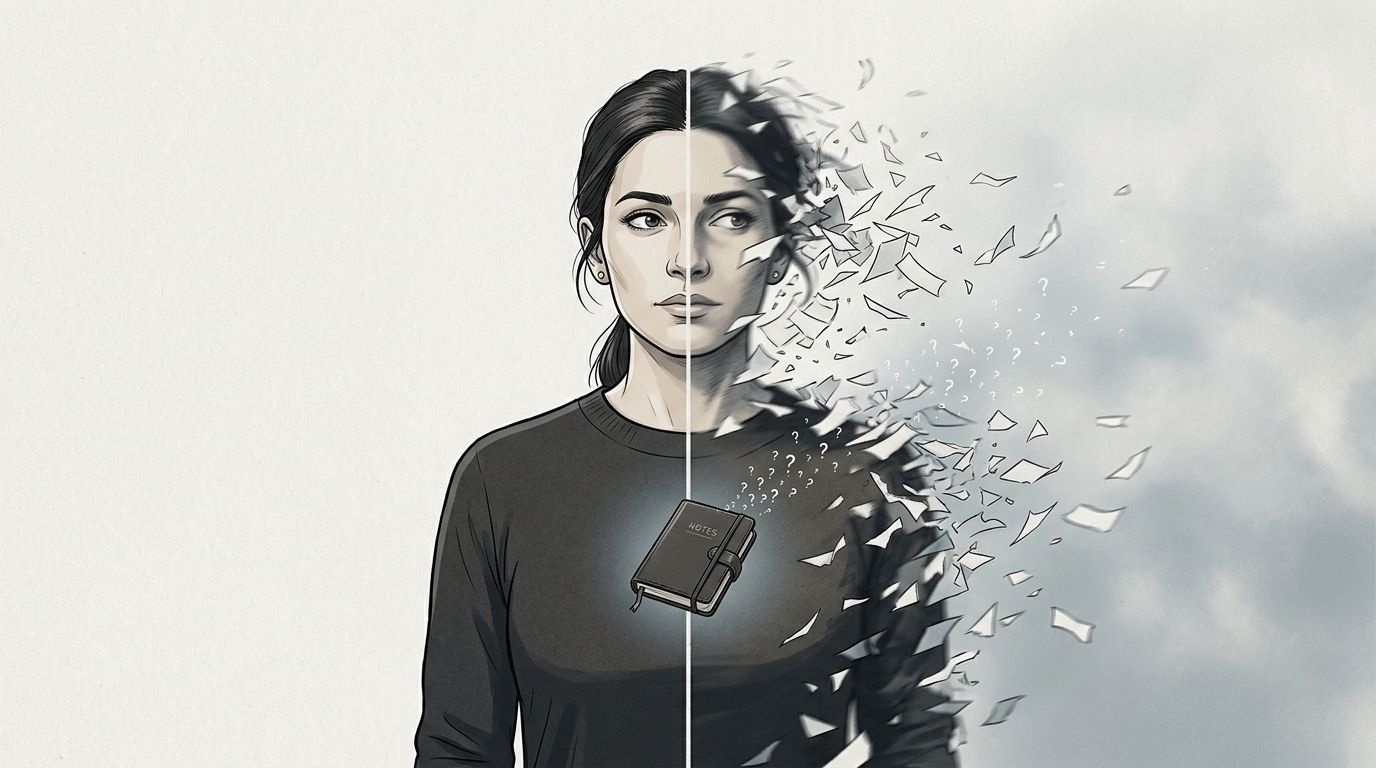
Body horror works best when the reader feels the violation before the plot explains it. The strongest writing prompts for horror in this lane give you a physical process, not just a monster. Transformation should feel invasive, gradual, and impossible to negotiate.
Here, the image does half the work before the prose does. David Cronenberg's The Fly remains effective because the body changes in stages, and each stage strips away another layer of agency. The same principle applies whether you're writing about mutation, infestation, or an organism that learns the human body too well.
Build the terror from sensation
The prompt engine should force you to write the body as a site of evidence. Start with one wrong sensation, a tooth that feels loose, skin that bruises too easily, a joint that bends slightly off. Then escalate into visible change only after the reader has already felt the instability in the prose.
The best body horror doesn't just describe gore. It makes the reader notice the gap between identity and tissue.
- Pre-transformation self: Define exactly who the character was before the change, including posture, habits, and the way they move through a room.
- Sensory inventory: Track smell, texture, temperature, and pain separately, so the scene doesn't rely only on visual shock.
- Moral cost: Decide what the transformation takes away first, speech, appetite, memory, or consent.
For drafting inside a character profile built for physical and psychological detail, Storyloft's character creator helps you keep the body, the fear, and the history in the same place. That makes the mutation feel personal instead of generic. The Notes panel is useful for tracking how each stage changes what the character can do, what they hide, and what they start to accept. Tone analysis helps keep the narration controlled while the body becomes less and less controlled.
A strong twist reveals the transformation as something the character chooses to keep, which turns violation into complicity.
2. Body Horror and Grotesque Transformation
Body horror works when the reader feels the violation before the plot explains it. The strongest writing prompts for horror in this lane give you a physical process, not just a monster. Transformation should feel invasive, gradual, and impossible to negotiate.
A good body-horror prompt also needs a point of control. A character can endure almost anything if the story gives them no way to name what is happening, but dread sharpens once they begin to recognize the pattern and still cannot stop it. That tension is what carries the scene beyond shock.
The image does a lot of the work before the prose catches up. David Cronenberg's The Fly remains effective because the body changes in stages, and each stage removes another layer of agency. The same principle applies whether you are writing mutation, infestation, or an organism that understands the human body too well.
Start with the smallest wrongness. A tooth feels loose. Skin bruises too easily. A joint bends a little off. The visible change should come later, after the reader has already felt the instability in the prose.
The best body horror does more than describe gore. It makes the reader notice the gap between identity and tissue.
- Pre-transformation self: Define exactly who the character was before the change, including posture, habits, and the way they move through a room.
- Sensory inventory: Track smell, texture, temperature, and pain separately, so the scene doesn't rely only on visual shock.
- Moral cost: Decide what the transformation takes away first, speech, appetite, memory, or consent.
Drafting inside Storyloft gives this prompt engine a practical place to live. The AI illustration suite can help you test whether a transformation scene reads clearly before you commit to the final prose. The character creator helps because the horror lands harder when the reader knows what the body meant to that person before it changed. If the change is biological, the Planning workspace keeps terminology straight so the scene stays specific instead of decorative. A character profile example is especially useful when you need to compare the victim's ordinary body to the corrupted version later as shown in Storyloft's character description guidance.
Write the body like it has a memory, because that's what makes violation feel personal.
The strongest twist is not the biggest mutation. It is the moment the character realizes the change is useful, or even addictive, and the story has to face that moral compromise.
3. Haunted Spaces and Environmental Horror
Some of the strongest horror stories do not need a villain with a face. They need a place with history, and a way for that history to press back. Environmental writing prompts for horror work because the setting is not just background, it becomes the pressure system that corners the characters and forces them to make worse decisions.
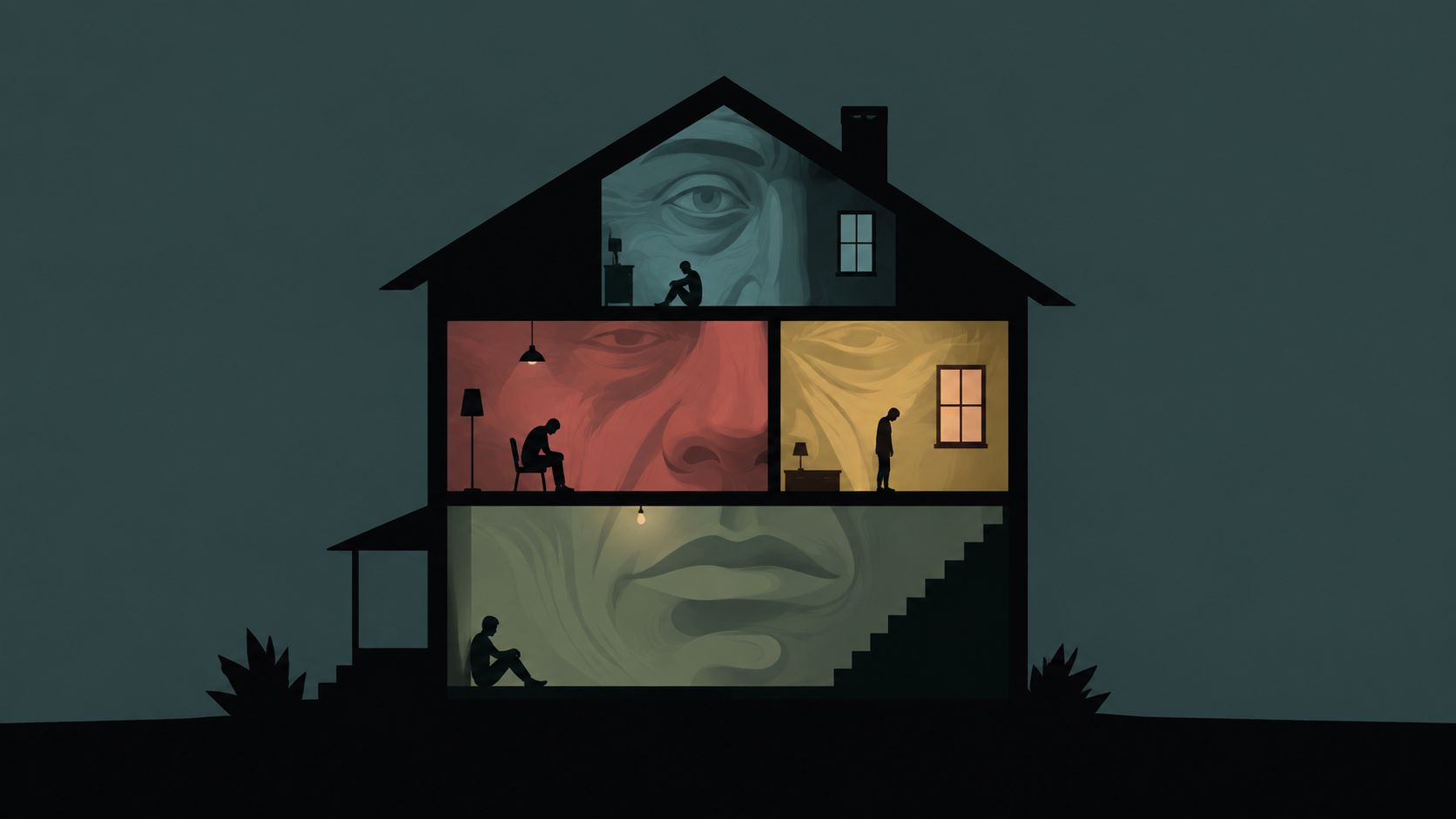
Shirley Jackson's The Haunting of Hill House, Stephen King's The Shining, and Silvia Moreno-Garcia's Mexican Gothic all use the same core pressure in different ways. The house, hotel, or hacienda does not need to chase anyone if it can shape behavior, distort memory, and make escape feel unwise.
Give the space a pattern. Repeated sounds, a corridor that always smells damp, rooms that change function depending on who enters them, these details give the reader something to test. Once the place has rules, the reader starts solving it, and dread grows from that act of attention.
Use the location as a character
Write the building as if it has habits. Maybe it reveals itself differently by daylight and by night. Maybe guests in the east wing always sleep badly, or the basement has a geometry that feels subtly wrong.
Storyloft's Planning workspace is useful here because you can keep blueprints, historical notes, and lore in separate binders without losing the thread. The character creator can also be repurposed for the location, which helps if you want to track its moods, limits, and recurring behaviors as though it were alive. When the layout matters, Eddy's manuscript-aware suggestions can help catch spatial contradictions before they weaken the illusion.
A practical prompt engine starts with three questions, then turns each answer into a scene.
- What does the space want? Safety, secrecy, decay, witnesses, feeding, silence.
- What does it hide well? A room, a crime, a history, a buried name.
- What changes first? Light, sound, temperature, time, or the protagonist's sense of direction.
The strongest environmental horror usually starts with a practical need. Someone has to stay in the house, finish the survey, care for the property, or make the sale. Once the setting controls the schedule, the story stops being about whether the place is haunted and becomes about how long the characters can endure being inside it.
4. The Slow Burn Incremental Dread and Isolation
Many horror stories fail because they jump to the scare before they've earned the pressure. Slow burn prompts are better when they treat dread like accumulation. The reader should feel that something is off long before the protagonist is able to name it.
Isolation matters. Physical distance from help, social disbelief, or emotional cut-off all work, but the strongest version uses more than one kind at once. Paul Tremblay's The Cabin at the End of the World, Kathe Koja's The Cipher, and Catriona Ward's Little Eve all lean on that tightening sense of confinement.
A useful prompt engine here gives you a sequence, not a premise. Start with an ordinary routine, then interrupt it with small events that can be dismissed individually. A missing object, a voice in the next room, a message that shouldn't exist, a neighbor who won't make eye contact. None of it is enough alone, which is exactly why it works.
Pace the dread like a controlled burn
In Storyloft, goal tracking can help you plan those increments deliberately, so each chapter adds friction instead of repeating the same unease. That pairs well with the rising action approach, because the story needs identifiable steps, not vague escalation which aligns with Storyloft's guidance on rising action. Use Notes to track the order of incidents and make sure the pattern is visible on a reread.
Patience is the key trade-off. Slow burn horror can lose readers if the scenes feel interchangeable. Keep the incident types varied, one sensory, one social, one structural, so the tension evolves instead of looping.
- Disruption one: A routine fails in a minor, deniable way.
- Disruption two: The character loses a point of reference, such as a clock, map, or witness.
- Disruption three: The environment or another person confirms the first two were not harmless.
Storyloft's focus mode helps here because transition scenes are where slow burn stories either breathe or sag. The character creator is useful too, since isolation feels more dangerous when the protagonist's coping style is clear, denial, hypervigilance, rationalization, or collapse.
The best slow burn horror doesn't ask readers to wait for action. It asks them to watch a system fail one piece at a time.
5. Found Footage, Epistolary, and Fragmentary Narratives
A fragmented form can make horror feel more intimate than standard narration, because the gaps become part of the threat. Diaries, transcripts, letters, news clippings, and video logs all work when the story withholds just enough to make the reader assemble the nightmare themselves. The prompt engine should ask, not only what happened, but what got recorded, edited, or left out.
Mark Z. Danielewski's House of Leaves is the obvious reference point for structural unease, but the method is broader than one novel. Paul Tremblay's Knock Knock and Andrew Michael Hurley's The Silent Companions show how fragments can create fear through accumulation and omission rather than clean exposition.
The strongest version of this prompt tells you what kind of document each fragment is and why it exists. A police transcript carries one kind of authority. A personal note carries another. A voicemail transcribed after the fact carries a different kind of dread entirely.
Give every document a job
Use one binder per voice or format in Storyloft's Planning workspace, then track the timeline separately from the writing order. That keeps you from breaking continuity when the fragments overlap or contradict one another. The character creator also helps if each voice needs distinct education level, vocabulary, and emotional distance.
Fragmentation works when the reader feels like they're seeing the same event from broken glass, not from random scraps.
A strong expansion exercise is to write the same incident three times, once as an eyewitness account, once as a public document, and once as a private note. The differences should do the scary work. Maybe the private note admits fear, the public version denies it, and the transcript shows a detail nobody was supposed to hear.
Use tags to mark what readers know at every point. That makes fragmentary horror easier to manage, especially when the reveal depends on delayed information. Eddy's voice-aware rewrites can help preserve each format's tone without flattening them into one generic style.
The twist should come from the structure itself. Maybe the final fragment is not the last one written. Maybe someone assembled the archive after the fact, and the whole book is a warning disguised as evidence.
6. Cosmic Horror and Incomprehensible Threat
Cosmic horror works when human confidence runs into something too large, too strange, or too indifferent to answer back. The best writing prompts for horror in this register don't just say “there is an ancient evil.” They create a mismatch between human scale and whatever has arrived. That mismatch is the scare.
H.P. Lovecraft's At the Mountains of Madness, John Langan's The Fisherman, and Ted Chiang's “Story of Your Life” point to different ends of the same problem, which is that knowledge can be destabilizing rather than uplifting. The protagonist does not merely learn a secret. They learn that their categories are too small to contain the truth.
A useful prompt here starts with a research problem, a signal, a pattern, or an object that resists interpretation. Maybe a language appears in the sky, a mathematical form keeps repeating in nature, or a physical law behaves differently in one location. The story gets scarier as the characters get better at understanding how little they understand.
Keep the scale vast and the scene human
The danger with cosmic horror is abstraction. If everything stays vague, the story loses texture. Ground the fear in very concrete details, bad sleep, contaminated instruments, a room that won't stay the same shape, while the larger threat remains almost impossible to define.
Storyloft's Planning workspace can help organize research on physics, astronomy, mathematics, or philosophy if you want the strangeness to feel intellectually grounded. That doesn't mean the threat becomes explainable. It means the characters have language to reach for and fail with. Eddy's tone analysis is especially helpful here, because cosmic grandeur can flatten a manuscript unless the human-scale voice stays intact.
- Wrongness log: Keep a note of every sensory anomaly, sound, color shift, time slip, and physical contradiction.
- Revelation staging: Reveal the threat in layers, so each scene changes the character's interpretation of the previous one.
- Human consequence: Tie the incomprehensible event to a personal loss, not just a philosophical revelation.
An abstract shape in the sky is not enough. The reader needs to see what it costs someone to notice it. If the story earns that cost, the cosmic scale will feel real instead of ornamental.
7. Folklore, Mythology, and Cultural Horror
Folklore-driven horror is strongest when it feels rooted in a living context, not borrowed for atmosphere. These writing prompts for horror should not flatten a culture into a monster menu. They work best when the ritual, belief, or taboo has social weight, emotional meaning, and a history that the characters already understand.
Silvia Moreno-Garcia's Mexican Gothic, Nnedi Okorafor's Who Fears Death, Helen Oyeyemi's White Is for Witching, and Japanese horror traditions all show how cultural specificity deepens fear. The horror lands differently when the threat is tied to inheritance, language, land, family memory, or communal practice rather than to generic supernatural logic.
The craft challenge is respect. If the source tradition isn't yours, the prompt needs research, context, and sensitivity readers. Storyloft's collaboration tools can support that process by making feedback part of the drafting environment instead of an afterthought. The Planning workspace is also where you separate variants, origins, and modern interpretations, so you don't collapse different traditions into one blur.
Write from context, not costume
A folklore prompt gets stronger when the protagonist's relationship to the tradition is specific. Are they a believer, a skeptic, a descendant, an outsider, or someone who once rejected the practice and now needs it? That choice changes every scene.
If you need a practical starting point, create a folklore binder, a historical context binder, and a cultural practice binder. Then tag every ritual detail so you can audit the manuscript for accuracy and consistency during revision. That kind of structure helps prevent the common problem where the story uses cultural imagery but forgets the living logic behind it.
Storyloft's character creator can also help you define how the protagonist dresses, speaks, eats, and reacts to the supernatural in a way that feels culturally grounded. If the setting calls for visual fidelity, the AI illustration suite can be useful for maintaining style consistency across characters, objects, and environments without turning the design into a stereotype.
A good folklore twist is not that the old story was true. It's that the characters misread what the story was trying to protect them from in the first place.
8. Domestic Horror and Intimate Betrayal
Domestic horror is effective because it attacks the place readers are supposed to feel safest. The threat isn't an outsider in the window, it's the person at the table, the partner who keeps the keys, the parent who rewrites the past. This is one of the most fertile writing prompts for horror because trust itself becomes the weapon.

Gone Girl, Broken Harbor, The Lying Game, and We Need to Talk About Kevin all show how fear changes when it grows inside intimacy. The story doesn't need a supernatural force to feel suffocating if the relationship dynamics are precise enough. Manipulation, gaslighting, control, and buried resentment already do plenty of damage on their own.
The best prompt engine here starts with a relationship history, not a single act of cruelty. Write the early trust-building, the first boundary crossed, the excuse that got accepted, and the moment the victim started doubting their own memory. That sequence gives the story its inevitability.
Make the betrayal legible in hindsight
Storyloft's character creator is especially useful for this kind of prompt because you can build both perpetrator and victim with attention to attachment style, power imbalance, and private self-presentation. The timeline in Planning then lets you map the relationship arc from affection into control without losing the emotional logic. For deeper profile work, the platform's character documentation tools can keep those details coherent across revisions as outlined in Storyloft's character profile guidance.
A few choices make the scene stronger.
- Manipulation language: Track the exact phrases used to deny, minimize, or redirect blame.
- Victim confusion: Let the victim explain away warning signs before they name the pattern.
- Visible aftermath: Show how the home, calendar, or family routines become instruments of control.
Eddy's tone analysis matters here because abuse should not be romanticized by the prose. If the abuser gets a point of view, the voice has to remain exposed, not flattering. If the victim is the center, the language should carry self-doubt, shame, and delayed recognition without flattening them into helplessness.
A useful warning can be part of the front matter if the story includes abuse. That isn't just considerate, it's responsible. Domestic horror works best when the terror feels emotionally exact, not sensationalized.
8-Point Horror Prompt Comparison
| Title | 🔄 Implementation Complexity | ⚡ Resource Requirements | ⭐ Expected Outcomes | 📊 Ideal Use Cases | 💡 Key Advantages |
|---|---|---|---|---|---|
| The Unreliable Narrator | High, sustained ambiguous voice and timeline control | Moderate, careful editing, timeline tracking tools | High psychological engagement; strong re-read value | Character-driven psychological horror, twist-focused stories | Deep internal tension; low external effects; versatile across genres |
| Body Horror and Grotesque Transformation | Moderate–High, precise language balance to avoid excess | Moderate, anatomical research, possible illustration support | High visceral impact and memorable imagery | Visceral set-pieces, sci‑fi/dark fantasy crossovers, visual media | Immediate reader discomfort; strong visual hooks; risk of alienation |
| Haunted Spaces and Environmental Horror | Moderate, heavy worldbuilding and pacing management | High, architectural detail, historical research, scene mapping | Sustained atmosphere and escalating spatial dread | Longform novels, ensemble casts, culturally rooted settings | Setting-as-antagonist; layered description enables slow escalation |
| The Slow Burn: Incremental Dread and Isolation | High, disciplined pacing and escalation tracking | Moderate, timeline/goal tracking, scene calibration tools | Deep, cumulative tension; strong reader investment over time | Novel-length dread, isolation narratives, psychological arcs | Realistic escalation; rewards patient readers; supports character depth |
| Found Footage, Epistolary, and Fragmentary Narratives | High, voice differentiation and fragment continuity | Moderate, organization of documents, multiple voice profiles | High immediacy and authenticity; potential momentum loss | Multi-perspective tales, artifact-driven mysteries, unreliable narration | Immersive format; natural space for multiple viewpoints; format risks |
| Cosmic Horror and Incomprehensible Threat | High, convey incomprehensibility without purple prose | Moderate–High, research in science/philosophy; abstract visuals | High existential dread and originality; demands reader tolerance | Philosophical horror, sci‑fi crossovers, slow-revelation plots | Big-idea originality; resists conventional resolutions; can alienate if unclear |
| Folklore, Mythology, and Cultural Horror | Moderate–High, requires cultural accuracy and sensitivity | High, in-depth research, sensitivity readers, cultural consultation | Distinctive, authentic horror with cultural resonance | Stories rooted in specific traditions, cultural trauma narratives | Deep worldbuilding and authenticity; strong cultural commentary; risk of appropriation |
| Domestic Horror and Intimate Betrayal | Moderate, nuanced depiction of relationships and abuse dynamics | Moderate, character profiles, timelines, sensitivity review | Deeply unsettling realism; strong psychological depth | Relationship-focused thrillers, intimate psychological horror | Highly relatable fear; sustained tension; requires careful, ethical handling |
From Prompt to Published Your Story Starts Now
A strong prompt is only the first draft of a scare. The primary job is turning that seed into structure, then structure into momentum, and momentum into a story that keeps its teeth. That means tracking character decisions, watching how dread escalates, and making sure each scene earns the next one.
The gaps in most writing prompts for horror coverage are clear. Many lists stop at premise generation, but horror writers need more than haunted houses, monsters, or curses. They need architecture. They need a way to convert a premise into sustained fear, especially when the story has to carry emotional weight across a full manuscript. They also need prompts that feel contemporary, not just recycled from old gothic templates, which is why perspective, intimacy, and current anxieties matter so much in modern horror.
That's where a tool like Storyloft fits naturally. It's built for long-form drafting, planning, notes, illustration, and editing in one environment, so a horror writer can keep the prompt, the research, the character logic, and the manuscript itself in the same workspace. If you're building a story from one of these prompt engines, don't let the idea sit in a notebook while the dread fades. Open the draft, choose the fear you want to explore, and push it into scene by scene structure.
Pick one prompt, commit to the first page, and keep going until the story earns its own nightmare. If you want a place to organize the outline, draft the manuscript, and keep the details consistent as the fear grows, Storyloft gives you one writing environment for the work. Start with the prompt that unsettles you most, then use it to build something long enough to linger after the page is closed.
Storyloft brings drafting, planning, editing, and illustration into one place, which makes it easier to turn a horror prompt into a full manuscript without losing track of the fear you started with. If you're ready to move from idea to scene to finished draft, visit Storyloft and start building the story around the scare that won't let go.