
Social Media Marketing for Authors: How to Grow Your Platform
Social Media Marketing for Authors: How to Grow Your Platform in Easy Steps (Even If You Hate Posting)
Key Takeaways
Social media marketing for authors doesn’t require constant posting or viral content—it demands strategic focus and sustainable systems that protect your creative energy while building genuine reader connections.
• Focus on one platform you enjoy rather than spreading yourself thin across multiple channels, as sustainable engagement beats strategic exhaustion every time.
• Engagement rates average only 0.25-0.6% across platforms, meaning social media amplifies existing fame rather than creates it—prioritize building your author platform through your actual writing first.
• Batch content creation and use scheduling tools to plan weeks ahead, transforming chaotic daily posting into a manageable system that takes 30 minutes weekly.
• Build community through authentic connection, not follower counts—respond to comments, collaborate with other authors, and share personal stories that resonate with your ideal reader.
• Visual content performs better than text alone—leverage character illustrations, book scenes, and short excerpts (100-300 words) to create engaging posts without overwhelming your audience.
Social media works best as a complementary tool in your marketing toolkit, not a magic solution. When you align your content strategy with your natural strengths and reader preferences, you create meaningful engagement without sacrificing the writing time that matters most.  Social media marketing for authors often yields engagement rates well under 1%, more like 0.25%[3]. That means for every 1,000 followers, only 2-3 people interact with your posts. Frustrating, right?
But here’s the reality: the average person spends over two hours on social media each day[33], and publishers prioritize authors with established audiences[34]. You need a smarter approach whether you’re learning social media marketing for books or seeking social media marketing strategies for indie authors.
We’ll show you how to build a platform that works without burning out.
Why Social Media Marketing for Authors Feels So Hard (And What to Do About It)

Image Source: Forbes
“Publishers are not interested in making you famous, they are interested in capitalizing on the fame you create for yourself.” — Melinda Emerson, Author, Small Business Expert
The Time Investment Problem
Social media has become a source of anxiety for authors. It changes constantly and most think it’s essential to book marketing[1]. The burden runs deeper than just keeping up with trends.
People spend an average of three to four hours daily on social media, research shows[35]. Writers already juggle manuscripts, revisions, and the actual craft of writing. This time drain creates an impossible equation for them. The platforms exploit dopamine-driven reward systems that make disengagement difficult[35]. You check notifications and scroll endlessly. Before you realize it, half your writing day has vanished.
Lost hours are just the beginning of the distraction problem. Frequent task-switching between writing and social media guides to a 40% reduction in comprehension and retention rates[35]. You jump from drafting a scene to posting an update, then back to writing. Your creative focus fractures. Writers need concentration to produce quality work, yet constant checking and scrolling erodes attention span[36].
Understanding Engagement Rates and What They Mean
Engagement rates reveal how actively your audience interacts with content rather than just scrolls past it. The measures paint a sobering picture. LinkedIn averages 3-3.5%, Instagram sits at 0.45-0.6%, Facebook drops to 0.06-0.2%, and X hovers between 0.04-0.15%[37].
These percentages measure likes, comments, shares, and clicks divided by either follower count or impressions. A strong engagement rate signals that algorithms will show your posts to more people[37]. Low engagement means your content gets buried, whatever your follower count.
The numbers worsen as your following grows. Accounts with fewer than 1,000 followers on X may see a 0.18% interaction rate. By 100,000 followers, that drops to 0.04%. Break 1,000,000 followers and it falls to 0.01%[3]. This pattern extends across every platform.
Take the case of ground testing. One author worked with a client who had over 160,000 Twitter followers. Promoting his book on the platform resulted in fewer than 400 sales[3]. Another author had someone with well over 1 million Twitter followers promote his book. That resulted in no noticeable sales bump[3]. Multiple tests across social media accounts of all sizes show engagement rates well under 1%, around 0.25%[3].
Much fewer people who like or comment will click through and buy a book[3]. Even if you achieve “good” engagement of 1-3%, translating that into a single book sale requires substantially more interaction[3].
Social Media as a Tool, Not a Magic Solution
Social media marketing reflects your fame rather than creates it[3]. Building a following proves difficult when you’re not publishing work and being found through that work[1].
Something more fundamental comes before best practices and posting schedules: being a curious and interested human being who communicates in a way that draws people in[1]. Writers excel at this. Anxiety about results crushes that natural knowing how to connect. Pressure from mandates that social media must be used a certain way destroys the spirit of creative and rewarding activity[1].
Sustainable social media practice mirrors getting your actual writing done[1]. You need boundaries, energy management, and respect for your limits[4]. Social media functions better as a 1-to-1 tool for genuine connection rather than a method to communicate with masses[3]. Despite what growth experts claim, focusing on growing your social media following targets the wrong problem. You should focus on your obscurity problem—the fact that not enough people know you exist—and social media alone won’t solve that[3].
Set expectations that make sense. Social media serves as one tool in your marketing toolbox, not a silver bullet[38]. Using it like a magic solution is equivalent to grabbing a hammer to drive a screw into a board[3]. The platform works great for sharing updates, connecting with your community, and building a brand voice. It can even attract some business when done right. But it’s not the only marketing channel you should rely on for growth[38].
Authors who want to create themed social media posts can download character illustrations and book scenes through tools like Storyloft. Visual content connects with readers, especially when you’re building authentic engagement rather than chasing vanity metrics.
Similarly, if you hate social media, that aversion will show[6]. You’re better off redirecting marketing efforts to other activities. The only must-have for authors remains a website[6]. Everything else depends on your goals, energy, and whether you genuinely enjoy the interaction.
Step 1: Define Your Author Platform Goals
Before you post anything on social media, ask yourself what you want to achieve. This question shapes everything that follows in your social media marketing for authors strategy.
Increase Book Visibility and Sales
Book visibility and sales represent the most straightforward goal, but also the most misunderstood. Businesses with clear social media marketing goals experience a 60% increase in engagement rates[39]. The key lies in setting SMART goals: specific, measurable, achievable, relevant, and time-bound.
Don’t just say “I want more book sales.” Frame it as “Increase book preorders by 20% over the next quarter by posting three times weekly about the upcoming release.” This specificity gives you a measurable target and a clear action plan.
Visibility goals extend beyond direct sales. You might want to increase mentions in genre-specific discussions, get featured by book influencers, or drive traffic to your website where readers can learn more about your work. Each requires different content approaches and platform choices.
Build a Community of Engaged Readers
Community building is fundamentally different from accumulating followers. A platform allows you and your readers to communicate. A community, on the other hand, lets readers talk to each other about you, your books and related topics[40].
Communities prove far more powerful than platform alone when handled well[40]. Readers who feel connected to you and your work are more likely to buy your next book, recommend you to others and stay with you over time[41]. A reader may forget an ad, but they’re less likely to forget an author who answered their question or joined their book club discussion[41].
Focus on creating signature gatherings to build community. These could be weekly discussions about writing craft, monthly live Q&A sessions, or genre-specific reading challenges. Your group doesn’t need to be large to be vibrant. Research suggests effectiveness diminishes once you exceed 150 members[40].
Establish Authority in Your Genre
Genre authority positions you as a trusted voice within your writing community. This goal requires you to immerse yourself fully in writer communities that support your specific genre[42]. You need to understand how it drives marketing and publicity plans before you can succeed in your genre[42].
Start by reading extensively in your genre. If you’re entering a new genre, read at least ten books in your specific category before getting started[42]. The genre you’re writing in functions like a club you’re joining. You want to know the other members, learn from them and eventually mentor them[42].
Authority building involves recommending resources your readers would enjoy, not just books but also movies, websites and conferences[43]. Share insights about your research process, writing techniques specific to your genre and industry trends. Authors can download character illustrations and book scenes through Storyloft to create themed social media posts that demonstrate their creative process and genre expertise.
Choose Goals That Line Up with Your Strengths
Different goals require different content mixes, platform focuses and engagement strategies[44]. Getting clear on your purpose represents the first step to success in social media marketing for writers.
Start before your book exists. A platform means putting yourself out there so future readers can find you[45]. Think about where your audience is likely to be and go there. Pitching traditional media matters, but so does social media, blogs, podcasts and live-streaming shows[45].
Pick one social media platform to start with. This prevents overload while you learn and balance your efforts[46]. Too much becomes a burden and then stops working[46]. Focus on goals you can achieve given your time constraints and natural communication style.
If writing detailed blog posts energizes you more than creating video content, lean into that strength. Social media marketing for indie authors works best when it reflects your authentic interests rather than forcing behaviors that drain you.
Step 2: Identify Your Target Audience and Where They Hang Out
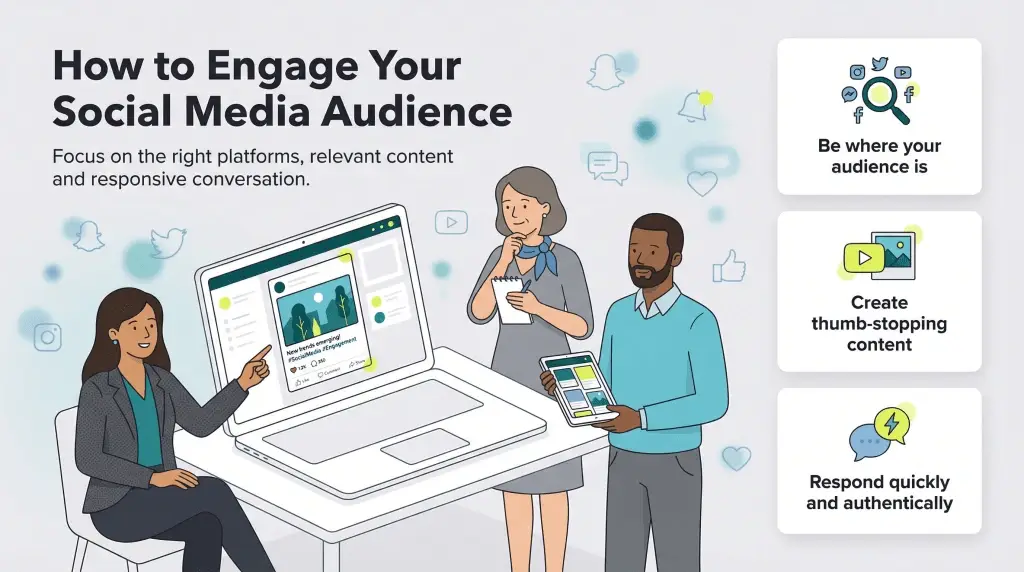
Image Source: Business.com
“Marketing isn’t about blasting crap to a million disinterested people. It’s about finding just the right people and knowing exactly what to say to them; and about providing value, rather than asking for favors.” — Chase Neely, Co-Founder and President of Leverage Creative Group
Knowing your target reader changes everything about your social media marketing approach for authors. You can’t market to everyone, so you just need to define who you’re trying to reach.
Create Your Ideal Reader Profile
Think of your ideal reader as a detailed character sketch of the one person who will love your book from the moment they read the description[47]. Marketing professionals call these customer profiles, user profiles, or reader personas[47]. They give you a target to create work that strikes a chord with people most likely to buy it[47].
Start with simple demographics: age, gender, marital status, education level and occupation[47]. To cite an instance, you might write: “My ideal reader is a 28-year-old married mother of two who works full-time as a project manager and likes to read cozy mysteries in her off-hours”[47].
But demographics only tell you who someone is on paper. Psychographics reveal why they’ll buy your book[48]. What do they value most? What keeps them awake at night? What are they hoping your book will do for them[48]? Their relationship to your topic matters more than surface-level details[48].
Build out your reader profile in four dimensions: demographics, psychographics, reading habits and desires and pain points[48]. Where do they buy books? How do they find new titles? Do they prefer print or digital? Do they leave reviews[48]? Some reader communities write reviews on Goodreads or participate in BookTok, while others never review but buy everything their friends recommend[48].
Research Which Platforms Your Genre Readers Use
Find where they spend time once you know who you’re looking for. Head to Amazon and read five-star reviews of books comparable to yours. Pay attention to the language readers use to describe what they loved, then read one-star reviews for what disappointed them[48]. These exact phrases should appear in your own book descriptions and social posts[48].
Search your comparable titles on Goodreads and get into reviewer profiles. What else have they shelved? What groups do they belong to[48]? Join Facebook groups and Reddit communities in your genre. Spend time listening to what members discuss and recommend without pitching your book[48].
Platform demographics reveal where different readers congregate. Instagram attracts 70% of users age 34 and under[49], making it strong for young adult, genre fiction and poetry. Facebook has the broadest reach in any age group and genre[49]. LinkedIn works for nonfiction authors targeting professionals in their 20s and 30s[49]. Pinterest skews 76% female, ages 25-44[49].
BookTok rose during the pandemic and now drives sales surges for fiction targeting readers 18-35[50]. Goodreads has over 90 million members who are all readers, writers or authors[51]. LibraryThing offers a community of 2.5 million book lovers[51].
Match Your Content Style to Platform Requirements
Each platform has its own culture and content priorities[52]. Instagram runs on visually engaging, short-form content[52]. LinkedIn suits professional insights and in-depth articles[52]. TikTok demands video and emotional reactions[53]. Pinterest functions more like a search engine with evergreen content[50].
Authors who want to create themed social media posts can download character illustrations and book scenes through Storyloft. Tailor your messaging to match audience expectations on each platform[52]. Professional achievements work on LinkedIn, while behind-the-scenes glimpses perform better on Instagram[52]. People use platforms for different purposes, so matching their intent improves engagement[13].
Step 3: Set Up Your Social Media Management System
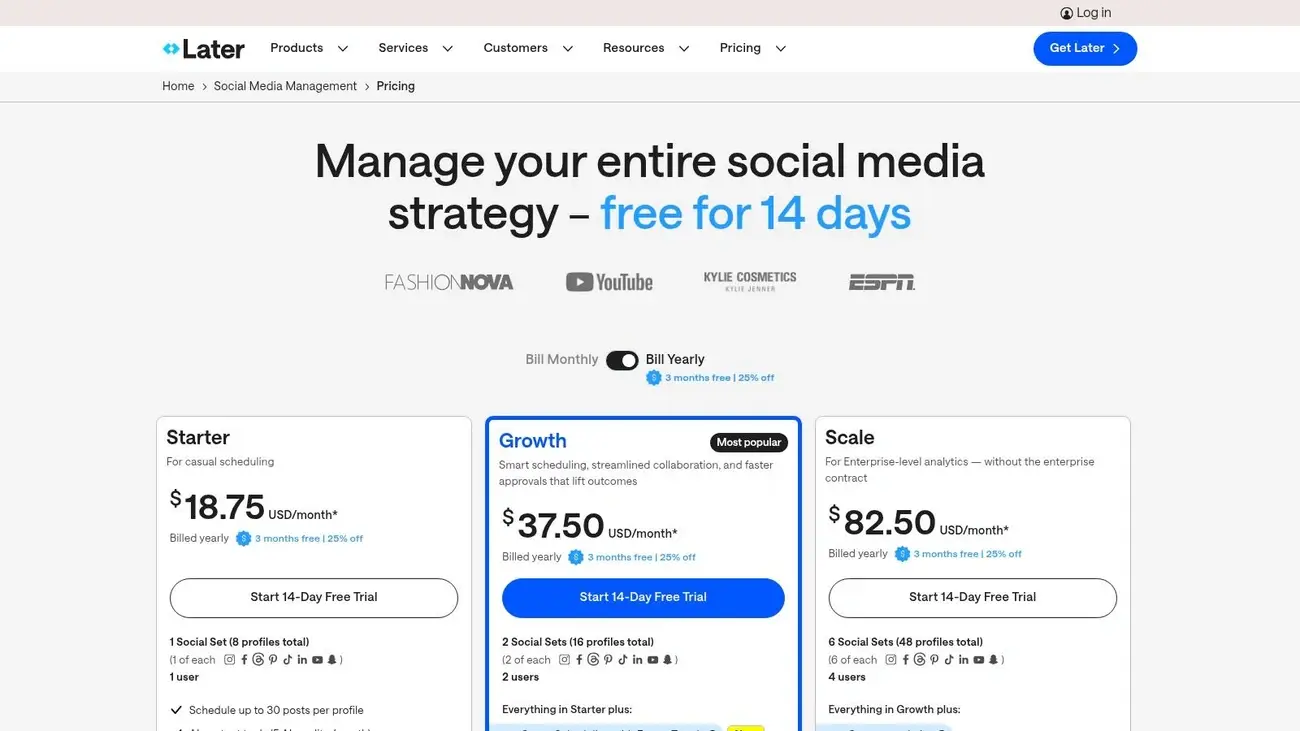
Image Source: OneUp Blog
Building a sustainable social media management system starts with one decision: how many platforms can you maintain? Research shows 58% of marketers reported feeling overwhelmed, largely because they juggle multiple platforms without centralized systems[14].
Pick Your Main and Secondary Platforms
Choose one platform and drive it hard. A war on two fronts produces a much lower chance of success[15]. If you have two hours or less per week, focus on one platform done well. Three to five hours means one main platform and one secondary[16].
Your choice depends on time capacity, not ambition. You try to maintain presence across five platforms while writing your next book, and it becomes a burden that doesn’t work[15]. The platform you enjoy posting on will outperform the correct one every time[16]. Sustainability comes from pleasure, not obligation.
Use Content Calendars and Scheduling Tools
Content calendar tools allow you to plan, schedule, manage and distribute your content across multiple channels[14]. They turn chaotic posting into a repeatable system that protects your energy while keeping content consistent[8].
Buffer works well for beginners who need a simple scheduling tool with a clean interface[17]. Hootsuite is great for bulk scheduling and allows you to upload entire promotional campaigns at once[17]. Planable offers simple scheduling with strong team collaboration features[17]. For authors managing multiple content types beyond social media, CoSchedule merges blog promotion with social posting[17].
Free options exist for those starting out. Buffer has a free tier covering simple scheduling needs[17]. Google Sheets works as a simple content calendar at no cost[18]. The key is choosing tools that connect your calendar to your content strategy rather than just filling empty slots[19].
Set up your system to plan weeks or months ahead. Structured systems keep your online presence organized from setting up content calendars to managing post approvals[8]. You’ll always know what posts are scheduled, when they publish and why they matter[8].
Authors who want to create themed social media posts can download character illustrations and book scenes through Storyloft. This makes visual content creation faster and more consistent.
Create a Sustainable Posting Routine
Professional packages range from 2 posts per week for emerging authors to 5 posts weekly for launch-focused campaigns[7]. Even spending 30 minutes one day a week to pre-plan your content can generate plenty of posts[20].
Once your system is in place, it becomes second nature[8]. You’ll no longer scramble for last-minute content or wonder what to post next. Everything lines up with your releases and brand voice without constant daily attention.
Step 4: Build Content That Connects Without Constant Posting
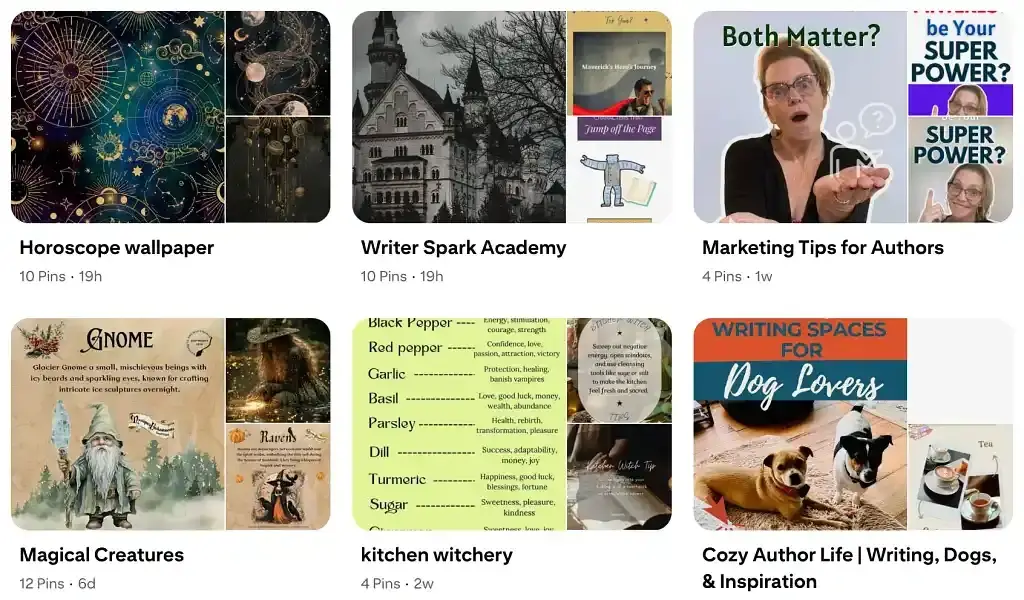
Image Source: Reedsy
Content creation doesn’t require daily posting marathons. Strategic posts that appeal matter more than constant updates.
Share Book Excerpts and Teasers
Short excerpts reduce the commitment readers need to sample your voice, premise, or characters[21]. Keep posts between 100-300 words on Facebook and LinkedIn, single tweets on X, or Instagram carousel slides[21]. Use your best hook: opening pages, a gripping paragraph, or a scene that captures tone and stakes[21].
Avoid spoilers and preserve curiosity for readers who buy[21]. Book teaser trailers give readers a sneak peek in 30-60 second videos. They use adapted movie trailer style to build intrigue[10]. Provide only a glimpse of your book’s central conflict or idea. This will leave viewers eager to uncover more[10].
Pair excerpts with context through one-sentence frames. These frames explain why the passage matters[21]. Link to pre-order or purchase pages and create a clear path from interest to action[21].
Download Character Illustrations and Book Scenes for Visual Posts
Visual content proves easier to post on social media than text snippets[2]. Art helps build buzz between edits and assists with preorders[2]. Character design, outfits, and expression help you understand your characters better[2].
Authors who want to create themed social media posts can download character illustrations and book scenes through Storyloft. Tools like BookBrush also help authors who don’t know Photoshop produce high-quality images for book ads[22].
Participate with Writing Community and Reader Comments
Use hashtags like #WritingCommunity to share writerly thoughts beyond your followers[23]. Comment on other people’s posts every time you’re on social media[24]. Algorithms make it hard for followers to see your content, so participation elsewhere expands your reach[24].
Respond to comments on your posts, even just to say thanks for reading[9]. Provide advice where you can and express compassion for others posting about difficult experiences[24].
Post Personal Stories That Build Connection
Share personal stories to make abstract concepts relatable[11]. Show some personality beyond your writing[9]. Fans enjoy getting to know the person behind the books[9]. Vulnerability encourages connection and shows readers they’re not alone[11].
Step 5: Amplify Your Reach Beyond Your Own Followers
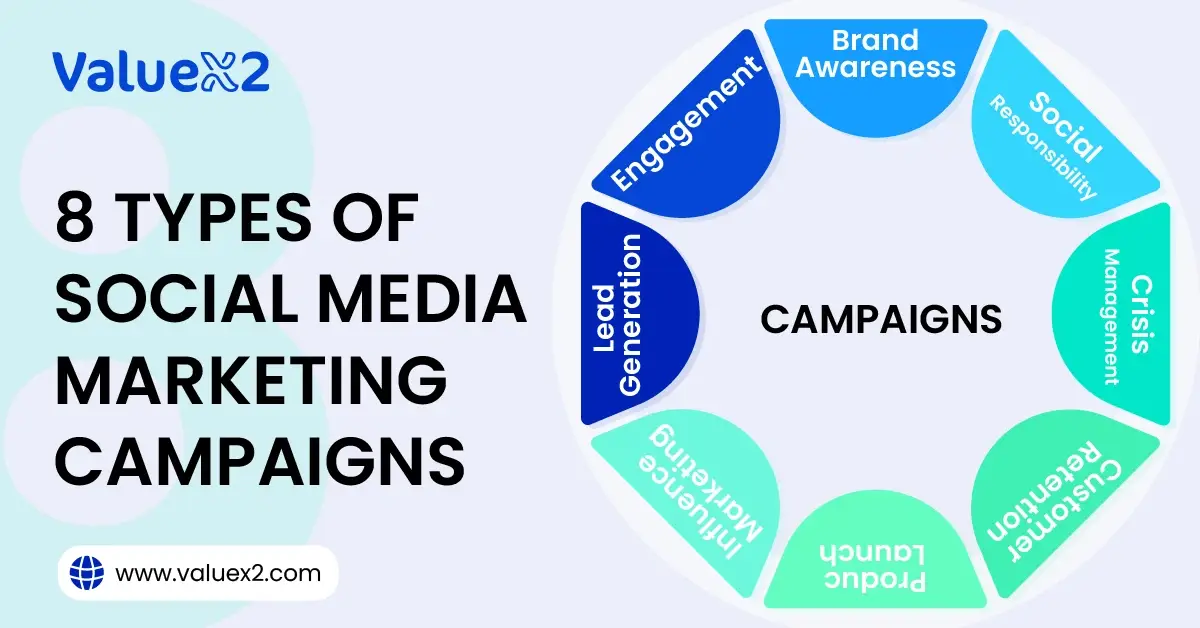
Image Source: Valuex2.com
You need to tap into audiences beyond your follower base to expand your reach.
Collaborate with Other Authors and Book Influencers
Author collaborations create win-win situations through joint efforts that employ each party’s strengths and target audiences[25]. Newsletter swaps work when you have similar audience sizes and promote each other’s books to your respective subscribers[26]. Shared giveaways on Instagram combine multiple authors’ books as prizes, with entry requiring follows or tags[27].
Book influencers have substantial online presence and dedicated followings[28]. Bookstagrammers and BookTokers can introduce books to new audiences when partnerships align with both creators’ brands[27]. Want to target influencers with around 10,000 followers or less when starting out to maximize response chances[20]. Provide early copies and make sharing easy[12].
Participate in Book Challenges and Readathons
Book Riot’s Read Harder Challenge has 26 prompts that ask readers to expand into new genres[29]. StoryGraph allows users to design and host their own challenges[29]. These challenges give you prompts where readers pick books related to the prompt[30].
Use Strategic Hashtags and Tags
Instagram performs best with three to five well-chosen hashtags[12]. X and Facebook work better with two hashtags[31]. TikTok benefits from five hashtags[31]. Mix popular tags like #AuthorCommunity with genre-specific ones like #CleanRomance or #ChristianSuspense[12].
Consider Paid Advertising When It Makes Sense
Amazon allows testing with as little as $2[32]. BookBub offers self-serve display advertising to reach specific reader types[32]. Campaigns under $400 rarely generate positive returns[5].
Conclusion
You now have a complete roadmap to market on social media without burning out. The key isn’t posting daily or chasing viral moments. Focus on building genuine connections with readers who already love your genre.
Pick one platform where you enjoy showing up. Set realistic goals and batch your content. Use scheduling tools to protect your writing time. Authors who want to create themed social media posts can download character illustrations and book scenes through Storyloft to make content creation easier.
Note that social media complements your author platform but doesn’t define it. Stay consistent with what works for you. Your audience will grow over time.
FAQs
Q1. Which social media platform works best for authors to market their books? The best platform depends on your genre and target audience. Instagram works well for visual content and younger readers (under 34), while Facebook has broader reach across age groups. TikTok (BookTok) drives significant sales for fiction targeting readers 18-35. Many authors find success focusing on one platform they genuinely enjoy rather than spreading themselves thin across multiple channels.
Q2. How much time should authors spend on social media marketing? If you have two hours or less per week, focus on one platform done well. With three to five hours available, you can manage one primary platform and one secondary. The key is creating a sustainable routine that doesn’t interfere with your writing time. Many successful authors batch-create content and use scheduling tools to maintain consistency without daily posting.
Q3. Do authors really need to be on social media to sell books? Social media is one marketing tool, not a requirement for success. While publishers value authors with established audiences, engagement rates are typically very low (around 0.25%). The only must-have for authors is a website. Social media works best when combined with other strategies like email newsletters, book blogger outreach, and reader communities rather than as your sole marketing channel.
Q4. How can authors grow their social media following without constant posting? Focus on quality over quantity by sharing book excerpts, behind-the-scenes content, and personal stories that build genuine connections. Engage with writing communities using relevant hashtags, collaborate with other authors, and participate in book challenges. Strategic content calendars and scheduling tools allow you to plan weeks ahead, maintaining presence without daily attention.
Q5. What type of content should authors post on social media? Share a mix of book-related content (excerpts, teasers, character illustrations) and personal stories that help readers connect with you as a person. Engage authentically with your writing community and respond to reader comments. Visual content like character art and book scenes performs well across platforms, especially when paired with context about your creative process or story themes.
References
[1] – https://janefriedman.com/social-media-authors-toughest-topic-advise/
[2] – https://www.reddit.com/r/selfpublish/comments/tvqpj2/does_it_help_to_have_concept_art_of_your/
[3] – https://booklaunch.com/social-media-marketing-authors/
[4] – https://courtneymaum.substack.com/p/my-top-5-time-management-tips-for
[5] – https://www.bookbaby.com/resources/social-media-book-ads
[6] – https://nathanbransford.com/blog/2026/06/a-guide-to-social-media-for-authors
[7] – https://zoemathers.com/socialmedia-management/
[8] – https://literaryinspired.com/social-media/
[9] – https://authors.apple.com/support/3978-social-media-promote-book
[10] – https://www.friesenpress.com/blog/2023/9/14/8-elements-of-effective-book-teaser-trailers
[11] – https://beaconpointservices.org/the-importance-of-storytelling-connecting-with-readers-emotionally/
[12] – https://christianfaithpublishing.com/blog/book-launch-hashtags/
[13] – https://sproutsocial.com/insights/what-to-post-on-each-social-media-platform/?amp
[14] – https://blog.hootsuite.com/content-calendar-tools/
[15] – https://kindlepreneur.com/social-media-for-writers/
[16] – https://selfpublishingadvice.org/best-social-media-platforms-for-authors-in-2026-a-practical-guide/
[17] – https://technologyadvice.com/blog/marketing/best-social-media-schedulers/
[18] – https://www.techradar.com/pro/the-best-content-calendar-software-of-year
[19] – https://storyflow.so/blog/best-content-calendar-tools-2026
[20] – https://reedsy.com/blog/social-media-for-writers/
[21] – https://www.quora.com/Is-posting-parts-of-a-book-on-social-media-a-good-way-to-promote-your-own-book-and-does-it-increase-the-chances-of-people-buying-it
[22] – https://bookbrush.com/
[23] – https://litreactor.com/columns/the-importance-of-a-writing-community-and-how-to-find-one
[24] – https://www.writersdigest.com/getting-published/6-effective-steps-to-promote-your-forthcoming-book-on-social-media-and-feel-good-about-it
[25] – https://www.agorapulse.com/blog/social-media-collaboration/ace-social-media-collaboration/
[26] – https://reedsy.com/blog/how-to-promote-your-book/
[27] – https://forapost.online/blog/personal-brand/author-collaboration-social-media-co-promotion-writers
[28] – https://blog.bookbaby.com/how-to-promote-your-book/book-promotion/guide-to-book-influencer-programs
[29] – https://lithub.com/resolved-to-finish-more-books-in-2026-heres-your-guide-to-the-webs-best-reading-challenges/
[30] – https://thebookstack.substack.com/p/the-ultimate-list-of-reading-challenges
[31] – https://www.austinmacauley.com/blog/marketing-through-hashtags-guide-authors-market-their-books
[32] – https://www.smithpublicity.com/book-advertising-authors/
[33] – https://www.authormedia.com/how-to-grow-your-platform-without-social-media-with-sandy-cooper/
[34] – https://www.lindenwood.edu/blog/building-your-author-platform-marketing-and-promoting-your-work/
[35] – https://hbond.org/time-management-for-students-challenges-and-the-impact-of-social-media/
[36] – https://www.publishingtalk.org/marketing/pros-and-cons-for-writers/
[37] – https://www.adobe.com/express/learn/blog/what-is-a-good-social-media-engagement-rate
[38] – https://z11communications.com/setting-realistic-expectations-for-social-media-marketing-🎪✨/
[39] – https://dotit.org/how-to-align-your-social-media-goals-with-your-business-objectives/
[40] – https://www.authormedia.com/how-to-build-a-tribe-online-and-form-a-community-of-readers/
[41] – https://www.writtenwordmedia.com/reader-engagement-local-authors/
[42] – https://janefriedman.com/genre/
[43] – https://www.ingramspark.com/blog/7-social-media-tips-for-authors
[44] – https://books.forbes.com/blog/social-media-services
[45] – https://www.writersdigest.com/media-savvy-author-setting-your-media-goals
[46] – https://pegfitzpatrick.com/how-to-create-a-fantastic-social-media-plan/
[47] – https://draft2digital.com/blog/define-your-ideal-reader/
[48] – https://www.cedarfort.com/pages/how-to-define-your-ideal-audience?srsltid=AfmBOoqY07MjqkdvuSJAytoJAPa7fw0MRpDkwYQt8XxGwoXeNEXZKajm
[49] – https://www.authorlearningcenter.com/marketing/social-media/w/general/7922/top-6-social-media-platforms-for-authors-and-the-types-of-readers-they-attract
[50] – https://www.cedarfort.com/pages/social-media-for-authors?srsltid=AfmBOop53-CP1OAjo3lQVqmJxktYUUGeULUFby5P6T3aTIUf07N10DYJ
[51] – https://medium.com/the-book-cafe/5-social-media-sites-for-book-lovers-452ae06942ea
[52] – https://brand.chapman.edu/social-media-guidelines/
[53] – https://shelfmediagroup.com/blog/how-influential-booktok-social-media-traditional-reviews/
