Book Marketing Strategies I Use to Boost My Sales
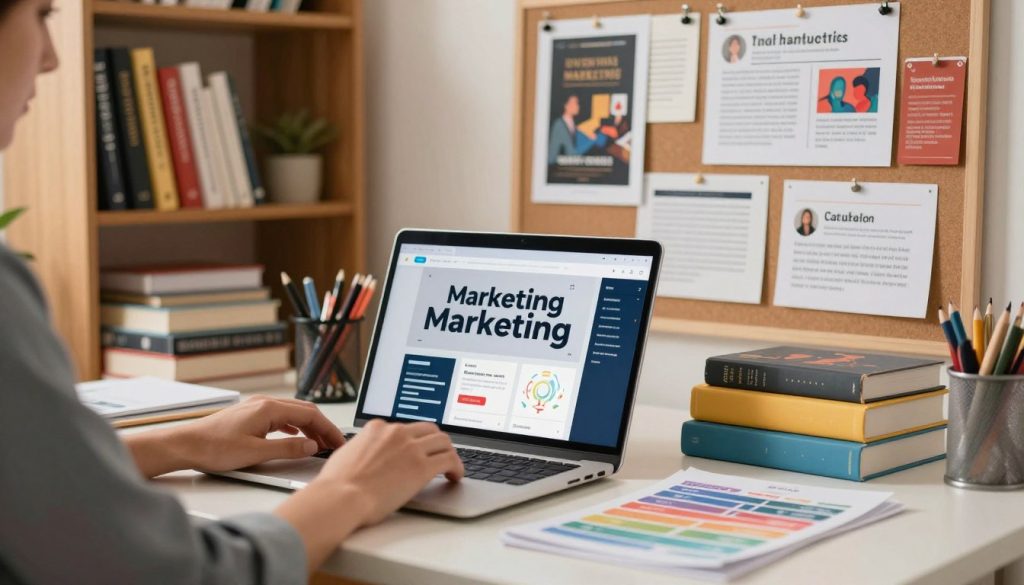
Many authors think publishing is the end. But it’s really the start of a long journey. Success comes from consistent effort, not just one big push.
Good promotion is a never-ending task that needs a clear plan. By improving my book marketing strategies, I learned to use my time wisely. It’s not about doing everything at once. It’s about doing the right things over and over.
I want to share the key steps that helped me grow. These methods help me reach more readers without feeling too busy. Let’s look at how you can create a steady path to more sales.
Key Takeaways
- Promotion is a continuous cycle, not a one-time event.
- Consistency beats intensity when building an author platform.
- Prioritizing specific tasks leads to better long-term growth.
- A solid plan helps you manage your time and resources effectively.
- Focusing on foundational steps creates a sustainable path for your work.
Understanding My Audience
The key to great book marketing strategies is knowing your readers well. Before I publish a new book, I dive deep into who my fans might be. I figure out what makes them buy books. This helps me craft messages that really speak to them.
Identifying My Target Readers
Finding your main audience is crucial for success. I study genres that match my writing and learn about reader habits. It’s not just about writing a good book. You need to find people who are looking for what you offer.
“The aim of marketing is to know and understand the customer so well the product or service fits him and sells itself.”
For reaching my audience, I often use micro-influencers. Studies show they get more engagement than big accounts. These smaller groups are great for testing new book marketing strategies.
Creating Reader Personas
Creating detailed reader personas helps me guess what my audience wants. I give these personas names, ages, and interests. This makes them feel real and helps me write more personal messages.
This method helps me focus on building an emotional connection. Knowing exactly who I’m talking to makes my outreach more genuine. It turns guessing into a solid plan.
Analyzing Reader Preferences
I also look at what readers like in my genre. Every genre has its own favorites. By keeping up with trends, I can make my book marketing strategies more appealing.
I watch reviews and feedback to see what works. This data-driven approach makes sure I’m writing for my readers, not just myself. When you meet your audience’s needs, your sales will grow.
Crafting an Engaging Book Cover
Your book cover is like a silent salesperson. It’s the first thing readers see before they read a blurb or check reviews. It’s key to online book promotion.
Importance of Visual Appeal
Visual appeal is more than just looks. It tells the story of your book. A professional redesign can increase sales by up to 50%. A cover that fits the genre tells readers if your book is for them.
High-quality images build trust. An amateur-looking cover can make readers think the writing is also poor. Using book marketing services ensures your cover meets today’s standards.
Collaborating with Designers
Working with a designer is best when you communicate clearly. Give them a detailed brief about your target audience and story mood. Collaboration is key to creating a cover that stands out.
Don’t hesitate to ask for changes if the first ideas don’t work. A good designer values your feedback and will refine the design. This partnership aims to create a cover that sells your book for years.
A/B Testing Cover Options
After getting a few designs, try A/B testing. This means showing two covers to a sample audience to see which one does better. It helps you make a smart choice for your online book promotion.
Authors often use social media polls or special platforms for this. Seeing which cover your target readers like helps you decide. Investing in book marketing services that include testing can save you time and money.
Leveraging Social Media
Social media is a powerful tool to connect your stories with readers. It’s not necessary to be on every platform. Focus on a few to master social media book marketing without getting overwhelmed.
Choosing the Right Platforms
Find out where your readers hang out online. TikTok or Instagram might be great for young adult fiction. For non-fiction or professional books, LinkedIn or X (formerly Twitter) could be better.
Stick to one or two platforms where you feel at home. Spend just 30 minutes a week planning your content. This way, you can keep your feed lively while you write.
| Platform | Best For | Primary Audience |
|---|---|---|
| Visual Storytelling | Fiction Readers | |
| Professional Networking | Non-Fiction Readers | |
| TikTok | Viral Discoverability | Young Adult/Genre Fans |
Building My Author Brand
Being consistent is key to a strong author brand. Your profile should show the vibe and genre of your books. Keep your profile picture, bio, and colors the same everywhere to be instantly recognizable.
Being real is as important as looking good. Share glimpses of your writing life to show your human side. These author marketing tips help build trust and connection with your readers.
Engaging with My Audience
Social media should be a two-way conversation, not just a one-way broadcast. I make sure to reply to comments and ask questions in my posts. This turns followers into a loyal community that supports me.
Instead of just sharing sales links, I focus on adding value. Share writing tips or funny stories to start conversations. This way, my readers feel heard and valued.
Building an Author Website
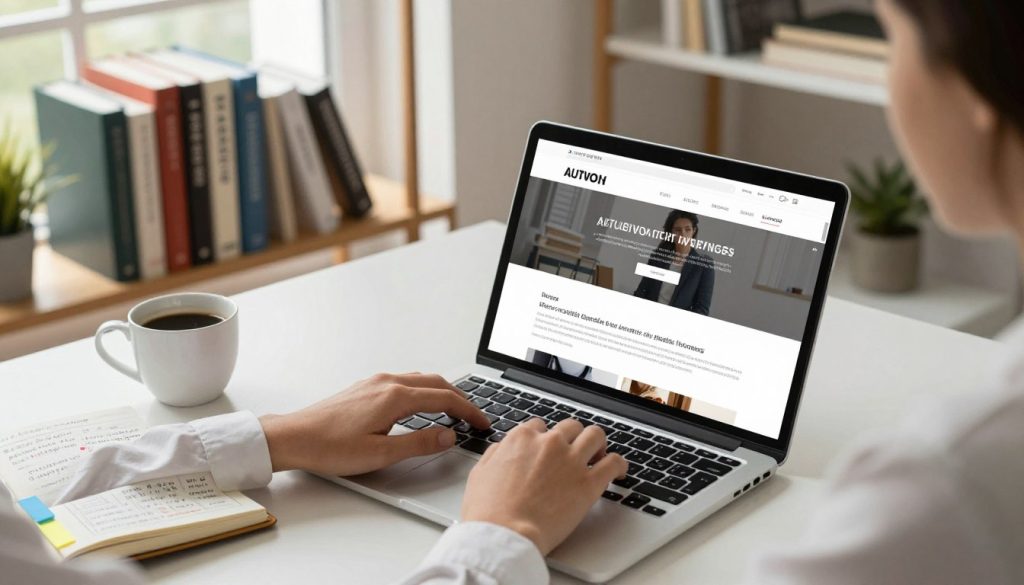
Creating a professional website is a top author marketing tip. Unlike social media, your website is under your full control. It’s where your brand and books live permanently.
Essential Features to Include
Your site should be easy to use and full of information. The homepage should show your latest books and have a clear path to your bio.
I make sure my site has a big email sign-up form to get leads. I also add direct store links so buying my books is easy. These are key for a successful author platform.
Optimizing for SEO
Having a great site is just the start. You also need to make sure people can find it. By using author marketing tips for SEO, you can get more visitors. I use the right keywords in my titles and descriptions.
Site speed and mobile friendliness are also important for ranking. Slow sites lose visitors fast. I focus on a fast, clean design to keep readers interested.
Using a Blog to Attract Readers
Keeping a blog is a great way to add value. By writing about your story themes, you attract new readers. This boosts your authority and keeps your site fresh.
I share stories or insights into my writing to connect with readers. Consistent, helpful content turns your site into a go-to spot. This is a key author marketing tip for lasting growth.
Utilizing Email Marketing
Email marketing has changed how I run my book promotion campaigns. Unlike social media, my email list is always there for me. These author marketing tips help you build a lasting career without feeling like you’re always selling.
Growing My Subscriber List
Authors should start building their mailing list 10 to 12 weeks before their book comes out. This way, you have a ready audience for your launch. You can sell books with email marketing lists by offering something valuable for a sign-up.
I use lead magnets like exclusive chapters or short stories to attract new subscribers. This way, I build trust with my readers before asking them to buy a book.
Crafting Compelling Newsletters
A successful newsletter balances value and promotion. I share updates, writing tips, and personal stories to connect with my readers. This makes them feel like they’re part of my journey.
When I promote a new book, it feels natural because of our relationship. Consistency is key, so I send updates regularly for my readers to look forward to.
Measuring Email Campaign Success
To improve my book promotion campaigns, I watch my analytics closely. I track open rates and link clicks to see what my audience likes. This helps me refine my content.
If my open rate is low, I try different subject lines to see what works. Using data to improve my author marketing tips helps me engage better with my audience.
| Metric | What It Measures | Goal |
|---|---|---|
| Open Rate | Subject line effectiveness | Above 25% |
| Click-Through Rate | Content engagement | Above 3% |
| Unsubscribe Rate | Audience relevance | Below 0.5% |
Running Effective Book Launches
Launching a new book is like planning a big event, not just a single moment. Success comes from careful planning, not luck. It’s about taking deliberate steps before the book hits the shelves.
Planning My Launch Timeline
I start my marketing 10 to 12 weeks before the book comes out. This gives me time to build excitement without overwhelming my readers.
During this time, I set important goals. I aim to get early reviews, finish my promotional materials, and make sure my sales channels are ready.
Generating Buzz Before Release
To grab attention, I run book promotion campaigns that keep people interested. I share sneak peeks, like character sketches or early drafts, to build a community.
“A goal without a plan is just a wish, and a book without a launch is just a file on a hard drive.”
I use countdowns and teasers to get my audience excited for the book’s release. These strategic efforts turn a quiet launch into a big event that boosts sales.
Hosting Virtual Events
Hosting virtual events is one of my top book launch ideas. It lets me connect with readers live. We can chat, hear excerpts, and celebrate the book’s creation together.
Interactive events are great for building lasting loyalty. Whether it’s a live Q&A on social media or a webinar, these book promotion campaigns offer a personal touch that static posts can’t.
Looking for new book launch ideas? Here are some:
- Live reading sessions on Instagram or TikTok.
- Virtual book club discussions with early readers.
- Exclusive Q&A panels for newsletter subscribers.
Exploring Paid Advertising
Scaling your author business often means using paid ads. Organic growth is great, but paid ads offer a predictable way to find new readers. With the right tools, your books can reach the right people.
Google Ads for Book Promotion
Google Ads help you reach readers looking for specific genres or themes. I focus on search terms that match my story’s core. Targeting at least 50 keyword phrases is key to reach more people.
This method connects me with readers when they’re looking for their next book. It’s a key part of my book promotion campaigns, making sure my titles are seen by potential fans.
Facebook Ads Targeting Strategies
Facebook is a top choice for social media book marketing thanks to its audience insights. I target readers based on their interests, like specific authors or book series. This precision shows my ads to those who really care about my genre.
Testing different images and ad copy helps me find what works best. Regular testing is a top book advertising tactic for saving money and getting more engagement.
Measuring ROI on Ad Spend
Tracking your results is crucial with paid ads. I always check my return on investment to avoid overspending. If an ad doesn’t work, I stop it to save my budget.
Tracking your book promotion campaigns helps you spend smarter over time. By focusing on data, you can make your ads a steady source of growth. The goal is to grow your readership while keeping profits up.
Networking with Other Authors
Connecting with other authors is a great way to grow your audience and find new readers. Writing can be a solo activity, but the publishing business thrives on community. A strong network gives you access to shared knowledge and book launch ideas that can make your work stand out.

Joining Writing Groups
I highly recommend joining local or online writing groups to find your tribe. These communities offer emotional support during tough times. They also share practical book marketing services that work.
Sharing your challenges with peers keeps you motivated. Many members are eager to share their experiences with different platforms and tools. This collective wisdom is priceless for any serious writer.
Collaborating on Promotions
Newsletter swaps and cross-promotions with authors who write for the same audience are very valuable. When you partner with a peer, you introduce your books to a group of readers who already enjoy your genre. This is a cost-effective book launch idea today.
You might consider organizing joint giveaways or bundle deals to increase your visibility. These efforts allow you to reach thousands of potential fans without spending a lot on ads. Working together benefits everyone involved.
Attending Author Events
Attending conferences, book fairs, and local readings is key for building professional relationships. These events let you meet peers face-to-face, leading to deeper trust and future collaborations. A casual conversation at a workshop might turn into a long-term partnership.
Make sure to bring business cards and be ready to discuss your projects. Being active in the community shows you’re a dedicated professional. The connections you make today will likely benefit your career for many years.
| Networking Method | Primary Benefit | Effort Level |
|---|---|---|
| Writing Groups | Emotional Support | Low |
| Newsletter Swaps | Audience Growth | Medium |
| Author Events | Professional Networking | High |
Investing time in your peers is as important as investing in book marketing services. By staying active and helpful, you build a reputation that makes others want to support your success.
Engaging Book Bloggers and Reviewers
Getting early reviews is key to my book marketing ideas. These reviews help undecided buyers feel sure about their choices. They build credibility for my online book promotion efforts.
Finding the Right Reviewers
I look for bloggers who focus on my genre. It’s important to find those with an audience that matches my ideal reader. I use social media book marketing to find influencers who talk about similar books.
Having at least 10 Amazon reviews gets you into the “also bought” sections. Reaching 50+ reviews is crucial for BookBub Featured Deals. These goals help me stay focused during the pre-launch phase.
Crafting Personalized Requests
My emails to reviewers are always brief and professional. I explain why my book fits their blog or platform. Personalization is the secret to getting a response.
I avoid using generic email templates. Instead, I mention a recent post I enjoyed. This shows I’ve done my homework and builds a real connection.
Leveraging Reviews for Sales
After getting a positive review, I share it on my platforms. This builds excitement and trust. It helps turn casual browsers into loyal readers.
I also use these testimonials in my social media book marketing campaigns. Below is a breakdown of how different review milestones impact my growth and visibility in the competitive publishing market.
| Review Count | Primary Benefit | Strategic Impact |
|---|---|---|
| 1-9 Reviews | Initial Credibility | Builds basic trust for early visitors. |
| 10-49 Reviews | “Also Bought” Visibility | Increases organic discovery on Amazon. |
| 50+ Reviews | BookBub Eligibility | Opens doors to major promotional deals. |
Making Use of Book Giveaways
Running giveaways is a thrilling way to get my book noticed. Offering free digital copies or discounts can boost my book’s ranking. These book advertising tactics help me find readers who might not have found me yet.
Choosing Platforms for Giveaways
Choosing the right place for a giveaway is key. I often pick Goodreads, a site full of book lovers. I also use my social media to host contests that get people talking.
Where I choose to run a giveaway depends on where my readers hang out. If they’re on Instagram, I might run a photo contest. For those who like to read more, I use platforms for detailed book talks.
Setting Clear Goals
Before starting any campaign, I set clear goals. Setting clear goals helps me avoid wasting time. I aim for one of three main things:
- Growing my email list for future books.
- Getting honest reviews on online stores.
- Boosting my brand in my genre.
By focusing on one goal, I can make sure my giveaway is effective. This makes it easier to see if it worked once it’s over.
Analyzing Giveaway Outcomes
After it’s all done, I look at the numbers. I check how many people entered, how many new subscribers I got, and if sales or reviews went up. This is a big part of my book advertising tactics.
If the results aren’t what I hoped for, I try something new next time. Maybe I’ll pick a different platform, update my cover, or target a different audience. Consistent evaluation helps me grow as an author with each giveaway.
Exploring Distribution Channels
A solid distribution plan is key to a successful publishing journey. Creative writing is an art, but getting your book to readers is a strategic move. By choosing the right platforms, you can reach more people and support your book launch ideas.
Utilizing Online Retailers
Ensure your metadata is consistent across major retailers. This helps algorithms find your book for readers. I make sure to create clean, shareable links for easy buying.
Managing your presence on Amazon or Barnes & Noble lets you use book advertising tactics to get noticed. Keeping your author profile updated builds trust with potential buyers.
Considering Print vs. eBook
Choosing between print and digital formats depends on your genre and reader habits. eBooks are quick and affordable, great for building a loyal following. Print books offer a tangible experience that many prefer.
I use a hybrid approach to reach more readers. Offering both formats lets me test book advertising tactics and see what works best. Knowing your audience helps decide between screen and paper.
Setting Competitive Pricing
Pricing your book right is crucial. It must reflect your work’s value without scaring off readers. Researching similar titles helps find the perfect price.
Effective book launch ideas include temporary price drops to kickstart sales. The table below shows how format affects your strategy and pricing.
| Format | Primary Benefit | Pricing Strategy | Audience Reach |
|---|---|---|---|
| eBook | Instant Access | Low to Mid-range | Global/Digital |
| Paperback | Physical Presence | Mid to High-range | Retail/Gifting |
| Hardcover | Premium Quality | Premium Pricing | Collectors |
Monitoring and Adapting My Strategies
Success in publishing means always getting better. I see my marketing efforts as a living thing that needs constant checking. This ensures my strategies stay sharp and effective.
Keeping Track of Sales Analytics
I use data from Amazon KDP and IngramSpark to track my success. Looking at these numbers helps me see which ads work best. This lets me spend my budget on the most effective marketing services.
Gathering Reader Feedback
Feedback from my readers is invaluable. I watch reviews on Goodreads and social media closely. This helps me understand what my audience likes. It also guides me to improve with each new book.
Staying Updated with Industry Trends
The digital world changes fast, so I spend time each week learning about publishing news. I search for new tools and platforms to give my work an advantage. Staying informed keeps my approach fresh in a competitive market. Share your experiences with these methods to help our community grow.
FAQ
How do I begin implementing these book marketing strategies if I am a new author?
Start with a solid plan and know your audience. You don’t have to do everything at once. Begin with a professional cover and a simple website. Then, expand into other areas like email lists.
What are some of your favorite book launch ideas for building early momentum?
I love hosting virtual events on Zoom or Instagram Live. It connects me directly with readers. Also, giving exclusive content to email subscribers creates buzz before the book is out.
Which author marketing tips are most effective for growing a mailing list?
My top tip is to offer a high-quality “lead magnet.” Give away a free novella or an exclusive scene. Use Mailchimp to automate this, so you can focus on writing.
How can social media book marketing help me find my "super fans"?
Focus on engagement, not just broadcasting. Respond to comments on TikTok or share reader art on Instagram. This builds a genuine connection, turning casual readers into loyal fans.
What specific book advertising tactics should I use on a limited budget?
Start with Amazon Advertising. It targets readers who are already looking to buy books. Always track your ROI to ensure your ads are profitable.
Do I really need to invest in professional book marketing services for reviews?
While you can find reviewers manually, services like NetGalley or BookSprout save time. They connect you with dedicated readers and bloggers in your genre.
How do collaborative book promotion campaigns work with other authors?
Use platforms like StoryOrigin for group giveaways or newsletter swaps. Working with authors in your niche introduces your books to new audiences, saving costs.
What are the best distribution channels for maximizing online book promotion?
Use Amazon KDP for reach and Draft2Digital for wide markets like Kobo and Apple Books. Having clean, shareable links for all retailers is key for successful online promotion.