How I Use Self-Publishing Tools to Publish My Book
The book industry is booming, and more writers are taking charge of their work. Becoming an author is easier today than ever before.
In this comprehensive self-publishing guide, I’ll show you how I published my book. Finding the right self-publishing resources can make a huge difference.
I’m excited to share the self-publishing tools that made my process smoother. With these self-publishing tips, you can avoid common mistakes. Let’s explore how to publish your book from start to finish.
Key Takeaways
- The independent book market offers authors unprecedented creative freedom.
- Using the right digital assets simplifies the complex production process.
- Strategic planning helps you avoid costly mistakes during distribution.
- Maintaining control over your work ensures long-term success.
- Consistent marketing efforts are essential for reaching your target audience.
Discovering Self-Publishing Tools That Work for Me
My journey into the world of books started when I took control of my creative output. I wanted my voice to stay true and my vision for each story to remain unchanged.
Using online self-publishing platforms, I found a way to connect with my audience directly. This path lets me skip traditional literary agents and reach readers on my own terms.
Why I Chose Self-Publishing
The main reason for my choice was wanting complete ownership of my work. Self-publishing means no gatekeepers, allowing for more diversity and underrepresented voices to share their stories.
“The freedom to create without boundaries is the greatest gift an author can receive in the modern era.”
By choosing this path, I make all the final decisions about my content and design. It’s an empowering experience that keeps me eager to write every day.
Benefits of Using Self-Publishing Tools
Using professional self-publishing services has helped me achieve high-quality books. These self-publishing tools make editing, formatting, and distribution easier.
The financial benefits are also significant. I keep more of the profit from each book sale since I don’t have to share it with a big publishing house.
If you’re just starting, here’s a self-publishing guide to help you:
- Research reliable online self-publishing platforms for your genre.
- Invest in quality self-publishing services to refine your manuscript.
- Use modern self-publishing tools to track your progress and sales.
The Writing Process: Tools That Enhance My Workflow
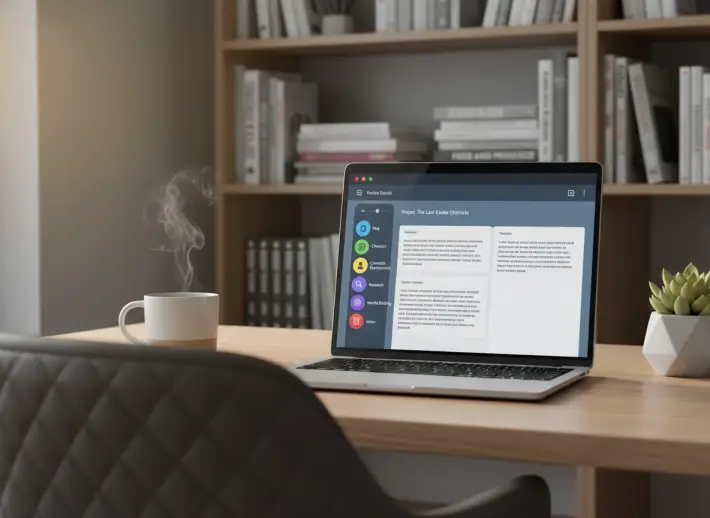
Writing a great story takes a lot of work and the right tools. Using the best self-publishing software helps me stay organized. It keeps all my notes and scenes in one spot, making it easier to stay focused.
Using Writing Software for Drafting
At the start of a new project, I turn to special writing platforms. These self-publishing tools help me break down my book into smaller parts. This is key for big projects. I also follow “7 Essential Writing Tips for Authors” to make sure my draft is ready for the next step.
- Organization: Keeping track of character arcs and plot points in a single interface.
- Focus: Using distraction-free modes to hit my daily word count goals.
- Flexibility: Easily rearranging chapters to improve the narrative flow.
Grammar and Style Check Tools I Love
After I finish my draft, I use advanced editing software to polish my writing. These self-publishing resources are crucial for spotting repeated phrases and awkward sentences. They help me feel confident that my writing is top-notch.
Automated feedback tools help me improve by pointing out my mistakes right away. By using the best self-publishing software every day, I save time and reduce stress. These self-publishing resources are like a safety net, making sure my manuscript is as clean as it can be.
Designing Eye-Catching Book Covers
When I began, I learned that readers judge a book by its cover. This visual element is the main hook for your audience. If the design doesn’t grab attention, your writing might not be seen.
To make sure my covers look professional, I follow key self-publishing tips. It’s crucial to know the visual language of your genre. A thriller cover is different from a cozy romance or a technical manual.
Tools I Use for Book Cover Design
I use several self-publishing tools to get a polished look. I start with platforms that offer pre-made templates. These help me keep the right trim sizes and bleed requirements.
For custom work, I use software for precise typography and image layering. These programs let me mix my creative vision with the technical needs of print and digital formats. Here’s a list of tools I find most effective:
| Tool Name | Best For | Skill Level |
|---|---|---|
| Canva | Quick Templates | Beginner |
| Adobe Express | Social Media Assets | Intermediate |
| Affinity Designer | Custom Illustrations | Advanced |
Importance of Visual Appeal in Self-Publishing
Visual appeal is more than just looks; it’s about communicating the promise of your story. A well-designed cover shows you’ve put time and effort into your work. This builds trust before they even read the blurb.
“Design is the silent ambassador of your brand, and in the world of books, it is the first handshake between author and reader.”
I follow self-publishing tips on font hierarchy and color contrast for readability. Many readers browse on mobile devices, so your title must be clear even on small screens. By focusing on these details, my books stand out in a crowded market.
Formatting My Manuscript for Print and eBooks
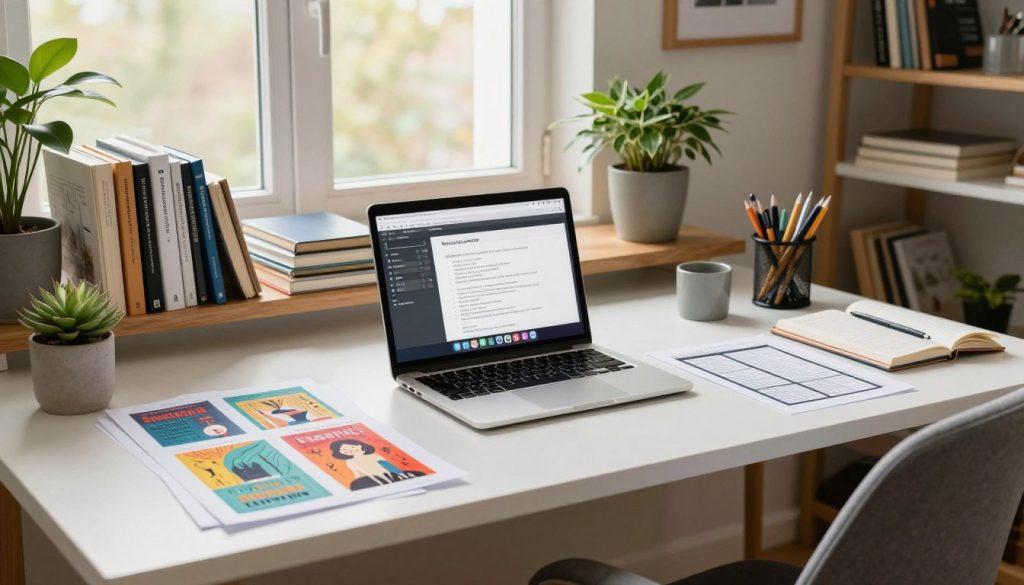
Proper typesetting is key to making a manuscript look like a real book. I use self-publishing tools to meet industry standards. A clean layout builds trust with my readers.
Choosing the Right Formatting Software
Choosing the best self-publishing software is crucial. I need tools that work well for both print and digital files. The software should be flexible and let me control the final look.
Many authors follow Amazon KDP guidelines for compatibility. The right program helps manage complex layouts without needing design skills. Consistency is key for a polished look on every screen.
Tips for Formatting Success
I focus on the details of typography to achieve a professional finish. I check for widows and orphans, which can be distracting. These small errors can make a book feel unrefined.
I also balance hyphenation settings for a smooth read. Using self-publishing tools, I adjust spacing and margins for all devices. Mastering these technical aspects makes my book ready for the world.
Editing My Book: Finding the Right Help
Writing the final draft is a big achievement, but editing is where the real work starts. Even the most careful writer needs someone else to spot mistakes and enhance the story. A structured editing approach is key to making sure my story connects with readers.
Self-Editing Tools I Rely On
First, I use self-publishing tools to review my manuscript. These tools are great for finding spelling, grammar, and punctuation errors. They also help me spot any internal inconsistencies I might have missed.
I use software that flags passive voice and suggests better word choices. This helps improve my narrative flow. While these tools are helpful, I see them as a starting point. They prepare my text for my professional editor to tackle deeper storytelling issues.
Hiring Professional Editors: My Experience
After my initial checks, I search for self-publishing services that fit my genre. It’s crucial to work with someone who knows my audience well. This ensures the feedback I get is useful and actionable.
My experience shows that different editing stages have different goals. I start with a line edit to refine my writing. Then, I do a thorough copyedit to fix technical issues. Lastly, I hire a proofreader to catch any remaining typos before publication.
Investing in top-notch self-publishing services has greatly enhanced my book’s quality. While it adds to the cost, the quality of my manuscript is worth it. My readers notice the effort, and it shows in their positive feedback.
Crafting Effective Book Descriptions
When I started, I learned my book description is key. It’s the main reason people buy my book. I see it as a crucial part of my marketing plan.
Tools for Writing Compelling Blurbs
I use self-publishing tools to write blurbs that grab attention. I often use Hemingway Editor to make my sentences clear and strong. I also turn to AI for ideas that touch the emotional core of my story.
“The purpose of a book description is not to tell the whole story, but to sell the experience of reading it.”
This is Why Book Descriptions Matter
A good description should be 150 to 200 words long. It keeps readers interested without being too much. I avoid using “coming soon” or “pre-order now” to keep my book relevant for years.
I focus on keywords to help people find my book. This way, I appeal to both SEO and emotions. Consistency is key to turning browsers into fans.
Choosing Distribution Channels for My Book
After refining my manuscript, I turn my attention to picking the right distribution channels. It’s crucial to find partners that can get my book into stores and libraries worldwide. I count on various online self-publishing platforms to make my books available to readers globally.
Platforms I Use to Sell My Books
I spread my reach by using different services. Amazon is a key player, but I also sell on Barnes & Noble to reach more people. These self-publishing tools help me manage my listings and track sales.
IngramSpark is a standout resource for me. It makes my books available to over 45,000 retailers, libraries, schools, and e-commerce sites worldwide. By using these online self-publishing platforms, I ensure my book looks professional in the market.
Importance of Wide Distribution
Wide distribution is essential for boosting my sales. If I only sell through one retailer, I might miss out on many readers. Accessibility is key to building a loyal fan base.
Using the right self-publishing tools helps me stay consistent across many channels. This approach makes sure readers can find my book, no matter where they shop or live. A wider reach means more visibility and success for my writing career.
Marketing My Self-Published Book
Building an author platform takes time and the right tools. Marketing is a continuous effort that needs consistent engagement with your audience. If you’re wondering how to market your self-published book, start planning early.
Social Media Tools for Promotion
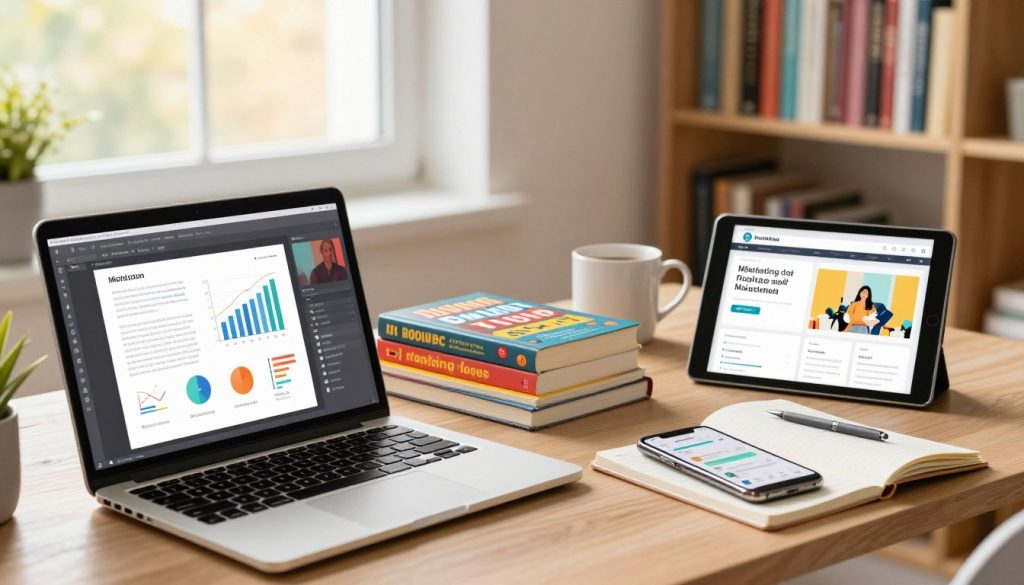
I use self-publishing apps to keep my online presence strong. These tools let me schedule posts ahead of time. This way, my followers see updates even when I’m writing.
It’s important to stay consistent online. I track my campaign’s success using these tools. By seeing which posts get the most clicks, I can improve my strategy.
Email Marketing Software I Use
Email marketing is crucial for me because it lets me connect directly with readers. Unlike social media, my email list ensures I can reach my audience reliably. I use software to automate my emails and keep my subscribers interested.
Building a mailing list is key. It lets me own my audience relationship, which is essential for success. By offering value in my newsletters, I keep my readers excited about my work.
Building an Online Presence as an Author
At the start of my journey, I knew a dedicated website was key for success. Having your own site gives you immediate credibility as an author. It’s where all my professional work and reader interactions happen.
I prefer my own site over social media. I look at different self-publishing websites to see how authors set up their sites. This helps me keep my site both useful and good-looking.
Creating a Website: My Go-To Tools
Building a site doesn’t have to be hard. I use easy-to-use self-publishing tools that let me add things without coding. WordPress and Squarespace are my favorites for a professional look.
For beginners, options like Carrd are great for a simple site. These online self-publishing platforms have templates that make your book look great. Picking the right platform is the first step to gaining fans.
Engaging Readers Through Blogging
Blogging lets me share updates and connect with my readers. It’s not just about selling books; it’s about building a relationship with my audience. I share stories and news about my projects on my blog.
Regular blogging boosts my visibility on self-publishing websites. By sharing valuable content, I keep my readers interested over time. Using the right online self-publishing platforms ensures my message gets to the right people.
Understanding Copyright and ISBNs
Starting my publishing journey, I quickly saw the importance of the technical side. It’s as crucial as writing the book itself. I use self-publishing tools to keep my work organized and protected.
How Self-Publishing Tools Help with Copyright
Protecting my work is my main goal. Copyright starts when I write, but formal registration gives me peace of mind. Many self-publishing tools help me register with the U.S. Copyright Office.
These tools make legal forms easier to understand. They help me know my rights as an author. It’s essential to know these rights to stop others from using my work without permission.
ISBNs: Why They Matter for My Book
An ISBN is like a unique fingerprint for my book. It helps retailers and libraries track my book. Without it, selling my books is hard.
I use self-publishing tools to get my ISBN and register my metadata. Each book format, like paperback and eBook, needs its own number. Managing these numbers keeps my work professional.
Accurate metadata helps readers find my book online. Spending time on these tasks is a smart strategy for authors in the competitive market.
Tracking Sales and Analyzing Data
Data is the best guide for self-published authors. Writing is creative, but managing the business side needs a focus on numbers. With the right self-publishing tools, I can see where my income comes from.
Tools for Sales Analytics
I use a few key platforms to keep things simple. I often turn to self-publishing tools like BookReport to track my earnings. These tools let me see my sales across different places at once.
Consistency is key when checking these numbers. I review my sales weekly to catch any changes. This keeps me ahead of any shifts in reader interest.
How Data Influences My Marketing Strategy
Numbers show what my readers like. For example, Amazon’s terms are best for ebooks priced between $2.99 and $9.99. So, I price my ebooks in this range to get more royalties.
Data also guides my ad spending. If sales jump in a certain country, I boost my social media there. Using these self-publishing tools helps me make smart choices that save money.
| Metric Type | Purpose | Action Taken |
|---|---|---|
| Daily Sales | Monitor trends | Adjust ad spend |
| Pricing Tiers | Maximize royalties | Stay in $2.99-$9.99 |
| Regional Data | Target audiences | Localize marketing |
Growth and Learning: Continually Improving My Skills
The world of publishing is always changing. This means I must stay curious and ready to adapt. Every book launch is a chance to get better and learn new things. I make sure my skills are up to date to stay ahead in a busy market.
I use a detailed self-publishing guide to keep up with changes. Staying current helps me adjust when the industry moves. I focus on top-notch self-publishing tools to improve my writing and marketing.
Expanding Knowledge Through Education
I often take online courses to learn more about writing. Sites like MasterClass and ProWritingAid give me fresh insights. These courses help me grow as an independent author.
Being part of the WritingCommunity on X and Facebook keeps me motivated. I share my experiences and learn from others. This community is a big help for anyone in the publishing world.
I try out different self-publishing tools to make my work easier. I look for new services to reach more readers and make my books better. Learning constantly is key to a lasting career in this field.
FAQ
What are the most essential self-publishing tools for a first-time author?
Beginners should start with Scrivener, Grammarly, and Amazon KDP. These tools provide a solid base without being too complex.
Where can I find the best self-publishing software for formatting?
Vellum is the top choice for formatting. For PC users, Atticus is a great alternative for creating eBooks and print-ready PDFs.
How do I know which self-publishing services are legitimate?
Check websites like Reedsy or the Alliance of Independent Authors (ALLi). They vet professionals to ensure high standards.
Are there any free self-publishing resources I can use?
Yes! Canva offers a free version for basic covers. Draft2Digital has free formatting tools for their platform. Many apps also have free tiers for new authors.
What are your top self-publishing tips for a successful launch?
Build an email list early with MailerLite. Invest in a professional cover. Use Publisher Rocket for keyword optimization.
Can this self-publishing guide help me get my book into physical bookstores?
Yes. By using IngramSpark, you make your book available to global distribution networks. This helps bookstores and libraries order your book.