
Author Platform: Build Your Reader Base in 2026

If you're serious about selling books, you need an author platform. It's not just nice to have anymore. It's essential. Your platform is how readers find you, connect with you, and decide whether to buy your books. Think of it as your digital home base where you control the conversation with your audience. Publishers look at it. Readers trust it. And your long-term writing career depends on it.
What Is an Author Platform Anyway?
An author platform is your ability to reach readers and sell books. Simple as that.
It's every touchpoint where potential readers can discover you, engage with your work, and eventually buy your books. This includes your website, email list, social media followers, speaking engagements, podcast appearances, and any other place where people know who you are.

Building an author platform isn't about vanity metrics. It's about creating real connections with people who want to read your books. A thousand engaged email subscribers beat ten thousand random social media followers every single time.
The Core Elements You Need
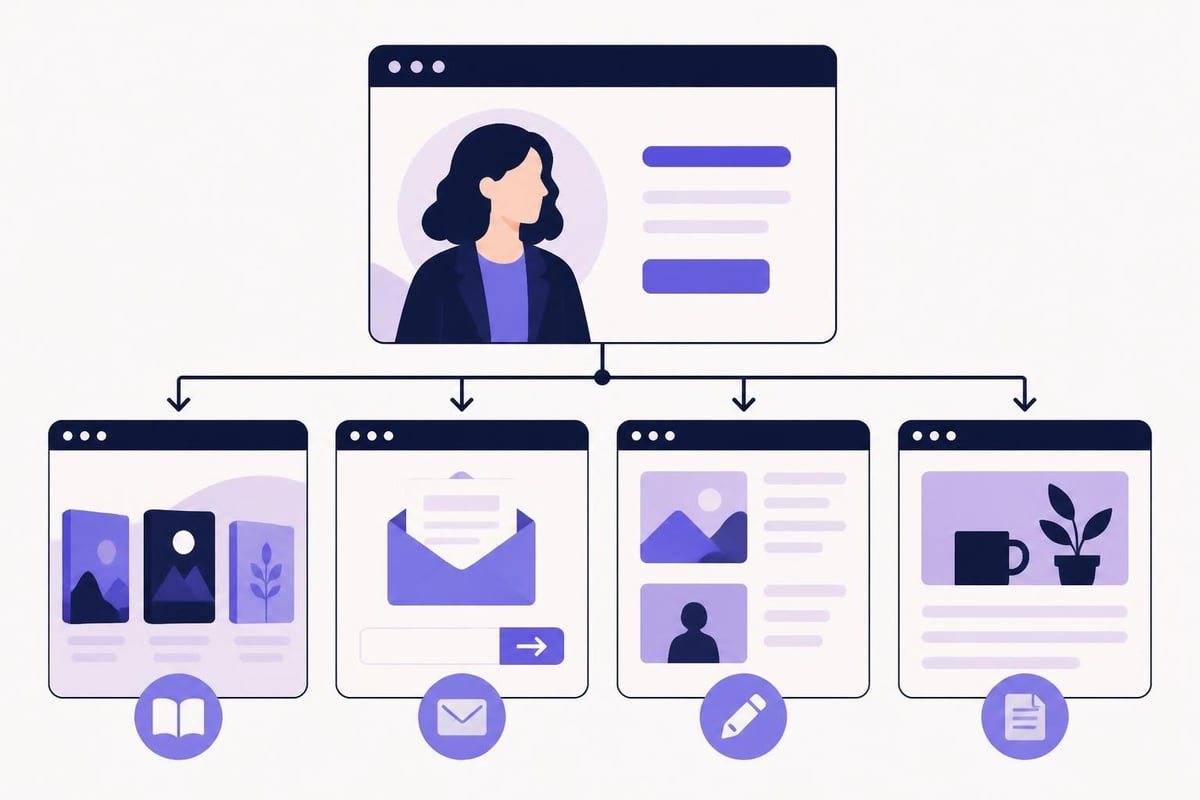
Your author platform has several key pieces that work together:
- Author website: Your home base on the internet
- Email list: Direct line to your readers
- Social media presence: Where readers hang out and discover you
- Published books: The foundation of everything
- Content creation: Blog posts, newsletters, videos that provide value
- Speaking or media: Appearances that expand your reach
Not every author needs every element. A thriller writer might focus heavily on social media and newsletters. A business book author might prioritize speaking engagements and LinkedIn. Pick what fits your genre and personality.
Why Your Author Platform Matters More Than Ever
The publishing world has changed. A lot.
Traditional publishers want authors who already have audiences. They're looking for writers who can move copies on day one. Self-published authors need platforms even more because they handle all their own marketing.
Your platform gives you leverage. When you pitch a book to an agent or publisher, they're not just looking at your manuscript. They're asking how many people you can reach. Your platform is proof that readers care about what you have to say.
For self-published authors, your platform drives sales directly. Every email subscriber is a potential buyer. Every engaged social media follower is someone who might leave a review or recommend your book.
The Numbers Publishers Actually Care About
| Platform Element | What Publishers Look For | Why It Matters |
|---|---|---|
| Email List | 5,000+ engaged subscribers | Direct sales channel |
| Social Media | 10,000+ real followers | Organic reach and buzz |
| Website Traffic | 5,000+ monthly visitors | SEO authority and interest |
| Speaking Events | Regular paid gigs | Built-in book sales |
| Media Mentions | Podcast/blog features | Third-party credibility |
These numbers aren't hard rules. A niche nonfiction author with 2,000 highly targeted subscribers might have more influence than a fiction writer with 20,000 random followers.
Building Your Website as Platform Foundation
Your author website is where you own the real estate. Social media platforms can change their algorithms or shut down tomorrow. Your website stays yours.
Keep it simple at first. You need:
- Homepage that clearly explains who you are and what you write
- About page that connects with readers on a personal level
- Books page showcasing your published work
- Newsletter signup prominently displayed
- Contact information so readers can reach you
Don't overthink the design. A clean, readable site beats a fancy complicated one every time. WordPress is solid. Squarespace works great. Pick something you can actually update yourself.
Your website needs to capture email addresses. That's the whole point. Every page should have a clear way for visitors to join your list.
Creating Content That Actually Helps
Blog posts on your author site serve two purposes. They bring in search traffic from Google. And they give your email list something valuable to read.
Write about topics your target readers care about. If you write fantasy novels, blog about worldbuilding, magic systems, or your favorite fantasy books. Business book authors should write about their expertise.
Post consistently. Once a month is better than sporadic bursts. Quality beats quantity, but consistency beats everything.
Growing Your Email List the Right Way
Your email list is your most valuable platform asset. Period.
These are people who said yes to hearing from you directly. They're infinitely more likely to buy your books than random social media followers. FriesenPress emphasizes that connecting with potential readers through direct channels like email is essential for long-term success.
Effective List-Building Strategies
Offer something valuable in exchange for an email address:
- Free chapter or short story from your book
- Exclusive content not available anywhere else
- Resource guides related to your genre or topic
- Early access to new releases or covers
- Reader magnets (free standalone books)
The key is matching the offer to your ideal reader. A romance reader wants a free romance story. A productivity book reader wants a useful template or checklist.
Promote your signup everywhere. Website. Social media bios. Back of your books. Author interviews. Anywhere someone might discover you.
Social Media Without Losing Your Mind
Social media can help build your author platform, but it can also eat all your writing time. Be strategic.
Pick one or two platforms where your readers actually hang out. Don't try to be everywhere.
| Platform | Best For | Time Investment |
|---|---|---|
| Visual storytelling, romance, YA | High (images/stories) | |
| X (Twitter) | Genre fiction, quick updates | Medium (text-focused) |
| Older readers, groups | Medium (engagement) | |
| TikTok | BookTok trends, younger readers | High (video content) |
| Business/nonfiction authors | Low (occasional posts) |
Post regularly but don't sacrifice writing time. Three quality posts per week beat daily low-effort content. Engage with other authors and readers. Social media works best when it's actually social.
Share behind-the-scenes content about your writing process. Readers love seeing how books get made. Talk about your characters, your research, your struggles with plot holes.
The Publishing Connection
Your author platform directly impacts your publishing options and success. Traditional publishers check your online presence before offering contracts. They want proof you can help market your book.
Self-published authors need platforms even more. You're responsible for every book sale. Your email list becomes your launch team. Your social media followers spread the word. Your website drives discovery through search engines.
Many authors use tools like Storyloft to streamline the entire process from manuscript to published book. Storyloft gives authors everything needed to write, edit, format, and publish a professional book in one place, with AI editing that preserves your unique voice while you build your platform alongside your manuscript.

Whether you're choosing between KDP and IngramSpark or planning your AI-powered self-publishing workflow, having a platform makes every step easier. You already have an audience waiting for your book.
Content Creation Beyond Your Books
Your author platform needs regular content to stay active and growing. This doesn't mean you need to blog every day or make constant videos. It means providing value consistently.
Email newsletters work incredibly well. Send them monthly or biweekly. Share writing updates, recommend books you're reading, give readers a peek into your life. Keep it personal and real.
Podcast appearances put you in front of new audiences. Look for shows in your genre or topic area. Most podcasters are actively seeking guests. You don't need a huge platform to get booked.
Guest posting on other author blogs or publications expands your reach. Write helpful content for audiences that overlap with yours. Include a brief bio with a link back to your website.
Measuring What Actually Matters
Track metrics that indicate real engagement:
- Email open rates (15-25% is solid)
- Click-through rates on links you share
- Newsletter replies and reader responses
- Book sales from specific campaigns
- Website traffic from different sources
Vanity metrics like social media follower counts matter less than engagement. A hundred people who read every email beats a thousand who ignore you.
Platform Building While You're Still Writing
You don't need published books to start building your author platform. In fact, starting early gives you a huge advantage.
Building your platform before publishing means you have readers ready when your book launches. You've built trust and anticipation. Your launch day has built-in momentum.
Share your writing journey. Talk about what you're learning. Connect with other writers. Join genre-specific groups and communities. Be genuinely helpful and interested in others.
Document your process. Writers are fascinated by other writers. Share what's working and what's not. Your transparency builds connection and trust.
Early Platform Mistakes to Avoid
Don't wait until your book is published to think about platform. Don't buy followers or email lists (seriously, never do this). Don't spam people with constant buy-my-book messages.
Focus on giving value first. Build relationships. Be patient. Indigo River Publishing notes that effective platforms are built on reaching readers, building trust, and establishing genuine communication channels over time.
Your author platform grows through consistency, not tricks or shortcuts. Show up regularly. Provide value. Connect authentically. The results compound over time.
Advanced Platform Strategies
Once you have the basics working, you can expand your author platform with more sophisticated approaches.
Collaboration amplifies reach. Partner with authors in similar genres for cross-promotions, joint newsletters, or bundle deals. You tap into each other's audiences. Both authors benefit.
Speaking engagements position you as an expert. Look for local library talks, writing conferences, bookstore events, or online summits. Each appearance connects you with new potential readers.
Paid advertising can accelerate growth. Facebook ads, BookBub ads, or Amazon ads put your books in front of targeted readers. Start small. Test what works. Scale what succeeds.
Building a street team of dedicated fans creates organic word-of-mouth. These readers get advance copies, share your posts, and leave launch day reviews. Treat them well and they become your biggest advocates.
Platform Maintenance and Long-Term Growth
Your author platform isn't a one-time project. It's an ongoing part of your author career.
Set aside dedicated time each week for platform activities. Maybe Monday mornings are for email newsletters. Wednesday afternoons for social media. Friday for website updates.
Batch your content creation. Write several blog posts or social media updates at once. Schedule them out. This prevents platform work from constantly interrupting your writing time.
Stay current with where your readers are. Platform strategies that worked in 2020 might not work in 2026. Pay attention to shifts in social media, email marketing, and reader behavior.
Keep learning from authors who are successfully building platforms. Book Cave outlines nine essential steps that successful authors follow. Study what's working for writers in your genre.
Balancing Writing and Platform Building
The biggest challenge is balancing writing time with platform work. Your books are still the most important thing. Platform serves the books, not the other way around.
Use the 80/20 rule. Spend 80% of your time writing. Use 20% for platform building and marketing. Protect your writing time fiercely.
Automate and streamline wherever possible. Email automation sequences welcome new subscribers without manual work. Social media scheduling tools let you batch content. Using modern writing tools helps you work more efficiently on manuscripts so you have time for platform activities.
Making Your Platform Work for You
Your author platform should feel authentic to who you are. Don't force yourself onto platforms you hate. Don't pretend to be someone you're not.
Introverted authors can build amazing platforms through email newsletters and blog posts without constant video appearances. Extroverted authors might thrive on podcasts and live events.
Pick platform strategies that match your strengths and personality. You'll stick with them longer and do them better. Readers can tell when you're being genuine versus following a formula.
Your unique voice is your biggest asset. Use it in your platform content just like you use it in your books. The readers who love your writing will love hearing from you in other formats too.
Track what works and double down on it. If your newsletter gets amazing responses but your social media feels like shouting into the void, shift your energy. Focus on what's actually connecting with readers.
Building an author platform takes time, but it's one of the smartest investments you can make in your writing career. Start with the basics, stay consistent, and focus on genuine connections with readers. When you're ready to take your writing to the next level with professional tools that handle everything from manuscript editing to print-ready book formatting, check out Storyloft and see how it can support both your writing and your growing platform.