Plotter vs Pantser vs Plantser Explained
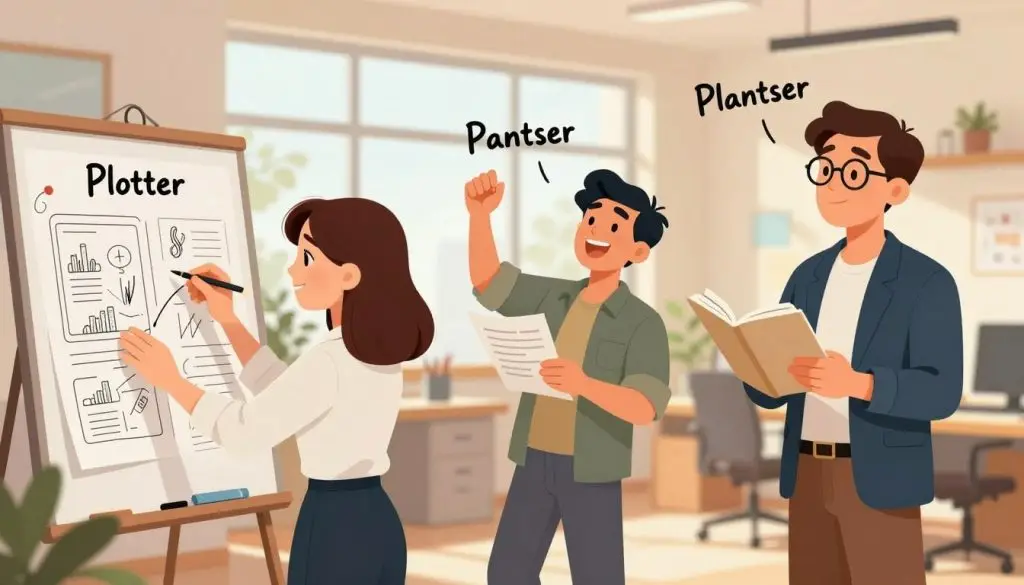
Writing is a journey, and every writer has their unique way of navigating it. Some embrace the thrill of the blank page, discovering their story as they go. These are the pantsers. Others prefer a structured approach, meticulously outlining every twist before they even begin. These are the plotters. Then, there are those who blend both methods, the plantser, who borrows from both worlds.
In this article, I want to explore these three distinct styles of writing. Understanding your natural inclination can help you finish your book without losing your mind. I’ve seen many writers stress over the plotter vs pantser debate, thinking one wrong choice could doom their entire project. But the truth is much simpler.
Whether you’re a pantser, a plotter, or somewhere in between, there’s no right or wrong way to write. What matters is finding the method that works best for you. With tools like Storyloft’s Free Book Outline Generator, even the most committed pantsers can find a gentle nudge toward structure.
Key Takeaways
- Writers generally fall into three categories: pantser, plotter, or plantser.
- Understanding your writing style can help you complete your book more efficiently.
- There’s no right or wrong method; it’s about what suits you best.
- Tools like Storyloft can assist writers in creating structured outlines.
- Many successful authors have thrived using various writing styles.
Understanding the Pantser Approach: Writing by the Seat of Your Pants
Each writer’s approach to storytelling reveals their unique perspective and creativity. Among these methods, the pantser approach stands out for its spontaneity and freedom. But what exactly defines a pantser? Let’s dive into the essence of this writing style.
What Defines a Pantser?
The term pantser describes someone who “flies by the seat of their pants.” This means they don’t plan out their story in detail. Instead, they embrace the excitement of discovering the plot as they write. This method allows them to explore their ideas freely, often leading to unexpected twists and turns.
The Freedom and Flexibility of Pantsing
Pantsers thrive on the thrill of the blank page. They treat it like an unexplored forest, where every typed word clears a new path. The freedom of pantsing is intoxicating. You can:
- Kill off a character on a whim.
- Pivot the entire plot mid-scene.
- Follow a minor character down a rabbit hole, transforming your novel into something entirely new.
Famous authors like Stephen King exemplify this method. He sits down with a compelling situation and lets the characters drive the story, often without any outline.
Common Challenges Pantsers Face
However, this approach isn’t without its pitfalls. The lack of a clear roadmap can lead to a mid-novel collapse. Without direction, you might find yourself stuck, unable to move forward. Pantsers often face:
- A staggering amount of rewriting due to plot holes.
- Writer’s block, as characters may refuse to cooperate.
- Frustration with unfinished stories or overly complex plots.
Even the most spontaneous writers can benefit from a touch of structure. Tools like Storyloft’s Free Book Outline Generator can provide a gentle framework, helping pantsers maintain their creative flow while avoiding chaos.
Notable Pantsers and Their Writing Journey
The key insight here is that pantsing is a legitimate creative method. It has produced some of the most original and surprising books. Embracing both the freedom and occasional chaos can lead to truly unique stories.
Demystifying the Plotter: Planning Every Step Before You Write
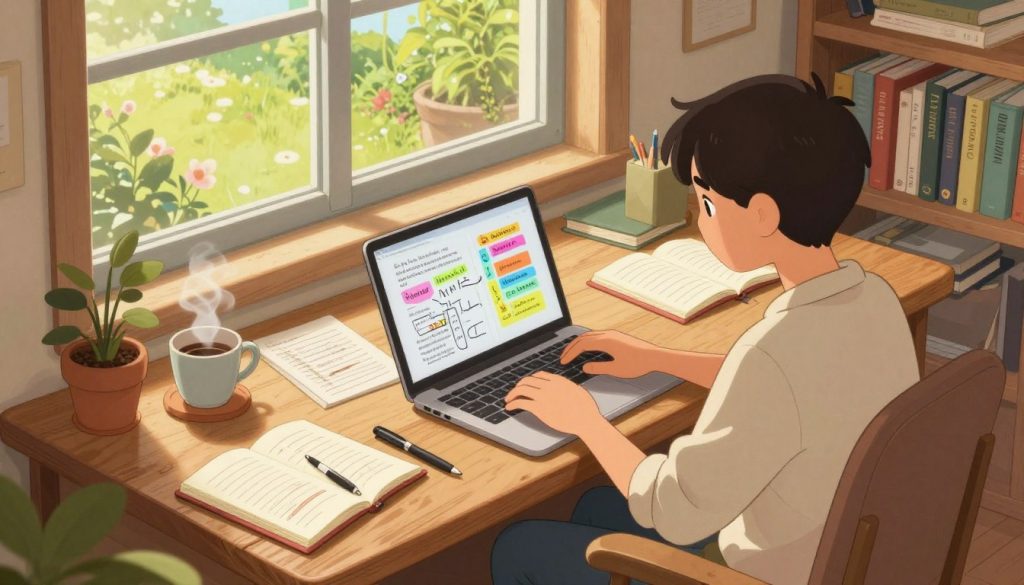
When it comes to writing, some people prefer to map out their journey meticulously. This is where the plotter shines. A plotter is someone who takes the time to outline their novel before they even begin writing. This method is essential for maintaining story structure and ensuring that the manuscript is completed efficiently.
Plotters come in various shapes and sizes. Some might create a basic outline, while others dive deep into every major scene. They might even develop character sheets that detail motivations and arcs. The common thread is the need for clarity. Knowing what happens in their story fuels their writing energy.
Characteristics of a Plotter
I’ve met plotters who treat their outlines like architectural blueprints. These plans can include color-coded index cards, character bibles, and timelines so detailed they could survive a forensic audit. A dedicated plotter won’t write a single word until they know exactly what occurs in every scene—from the inciting incident to the final denouement.
Benefits of Detailed Outlines and Structured Writing
The beauty of this method is that it virtually eliminates the terror of the blank page. When you sit down to write, you’re not left wondering what happens next. Instead, you’re translating your detailed plan into living, breathing prose. This clarity often leads to:
- Faster writing, as plotters know the direction of their story.
- Fewer structural headaches since major problems are solved before writing begins.
- A sense of psychological comfort knowing the story has a solid skeleton.
Potential Downsides of Over-Plotting
However, over-plotting can be a double-edged sword. Some writers spend months perfecting their outlines, only to feel they’ve already told the story. This can sap motivation to actually write the book. Additionally, over-plotted novels may feel rigid, lacking the organic feel that makes a good book resonate.
Plotting requires discipline and time. Not everyone has the patience or desire to outline an entire novel before writing. The danger lies in becoming too attached to a fixed plan, which can stifle creativity.
Famous Plotters and Their Methods
Brandon Sanderson is a prime example of a successful plotter. He creates extensive outlines and character sheets before drafting. His consistent output demonstrates that this method can lead to remarkable results. Many writers can benefit from using structured approaches, such as:
- Jot, Bin, Pants: A loose method where you jot down scene ideas, bin them into sections, and determine the correct sequence.
- Save the Cat! A beat sheet approach that provides structure through percentage breakdowns and key plot points.
- Katytastic’s Method: A highly structured approach that divides the story into three acts, each with specific purposes.
To streamline the plotting process, tools like Storyloft’s Free Book Outline Generator can be invaluable. This tool helps authors turn an idea into a real book plan in minutes. It builds a complete, usable outline with sections, chapters, and creative notes. This way, you can plan efficiently and start writing before the excitement fades.
Plotter vs Pantser vs Plantser: Embracing the Hybrid Writing Style
The art of writing often leads authors to discover a unique balance between meticulous planning and creative freedom. Some people identify as “plantsers,” blending the structured approach of a plotter with the spontaneous nature of a pantser. This hybrid style can be a game-changer for many writers.
What Is a Plantser and Why Does It Matter?
A plantser is someone who enjoys a bit of both worlds. They might draft a synopsis and outline key plot points, but also leave room for spontaneity. This flexibility allows them to embrace the thrill of pantsing while still having a roadmap to guide their journey.
How Plantsers Combine the Best of Both Worlds
Imagine a jazz musician who knows the chord changes but leaves plenty of room for improvisation. That’s the essence of being a plantser. They might outline major events like the inciting incident, midpoint twist, and climax, but the path between these landmarks is open to discovery.
Personalizing Your Writing Process
Each writer’s journey is unique. Some may prefer a rigid structure for certain projects, while others thrive on a more fluid approach. Jess Lourey, author of the Murder-by-Month mysteries, exemplifies this. She used a detailed table for her first eight novels but switched to a circular plot planner for her YA trilogy, demonstrating that adaptability keeps writing fresh.
Examples and Exercises to Explore Hybrid Methods
To tap into your inner plantser, consider outlining the essential elements of your story: Exposition, Inciting Incident, Rising Action, Dilemma, Climax, and Denouement. This gives you a framework without stifling creativity. Tools like Storyloft’s Free Book Outline Generator are perfect for this. They help create a structured outline while allowing for the unexpected twists that make stories exciting.
As Shannon Baker wisely said,
“Don’t let anyone tell you how you should work, but keep your mind open to what might help you do it better.”
This is the plantser’s creed. If you’ve been bouncing between plotting and pantsing without satisfaction, try outlining your big moments and writing freely between them. Watch how your story comes alive with both intention and spontaneity.
Weighing the Pros and Cons: Finding Your Ideal Writing Process
Navigating the writing process involves weighing the strengths and weaknesses of your approach. Each style has its unique advantages and challenges. Let’s break down the pros and cons of being a pantser, plotter, or plantser.
Pantser Pros and Cons
Pantsers revel in the freedom to take their novel in any direction. They thrive on the thrill of the blank page, enjoying the electric spark of ideas as they type. This flexibility allows them to change characters or plot points on a whim.
However, the lack of a clear plan can lead to challenges. Without direction, pantsers often face extensive rewrites, structural headaches, and a higher risk of abandoning their manuscripts when the plot collapses mid-draft.
Plotter Pros and Cons
On the flip side, plotters know what’s going to happen before they write. This foresight helps them avoid writer’s block and write faster. With a solid outline, they cruise through first drafts with confidence.
Yet, being confined to a plan can be restrictive. If plotters feel the urge to change something, they often find themselves redoing their entire outline, which can be frustrating. Over-planned stories may lack the organic feel that makes a narrative truly engaging.
Benefits and Challenges of Being a Plantser
The plantser sits comfortably in the middle. They enjoy enough structure to avoid disaster while preserving spontaneity. This balance can keep the writing process fun and engaging. However, they might sometimes feel like they are not fully committing to either approach.
Tips for Overcoming Common Writing Blocks
If you find yourself stuck, consider switching methods temporarily. Pantsers can outline just the next scene to regain direction. Meanwhile, plotters can freewrite a single scene without consulting their outline to rediscover the joy of surprise.
Why Self-Awareness Improves Your Writing Journey
Self-awareness is a powerful tool in your writing arsenal. Knowing whether you are a pantser, plotter, or plantser helps you anticipate typical stumbling blocks. This insight allows you to build systems to counteract them before they derail your project.
As I’ve observed, writers transform their productivity by embracing their natural style. The best writing process is the one that actually gets you to “The End.” Tools like Storyloft’s Free Book Outline Generator can help you turn an idea into a real book plan in minutes. Instead of starting with a blank page, you can work alongside Eddy, Storyloft’s AI writing companion, through a guided experience designed for both fiction and non-fiction books.
By the end, you’ll have a working book foundation to continue developing inside Storyloft. No blank page. No complicated setup. Just a faster way to go from idea to outline to manuscript.
Conclusion: Write Your Way and Have Fun
In the world of writing, each individual charts their own course, influenced by their unique experiences and styles. After all this analysis of the spectrum of styles, remember this: the only wrong way to write is to not write at all. I’ve seen brilliant stories emerge from meticulous outlines and equally brilliant tales born from chaotic drafting sessions.
Don’t trap your creativity in a label. If you’ve been stalling after a few chapters, try a more detailed outline. If plotting feels like a chore, let your imagination run wild. Storyloft’s Free Book Outline Generator can help you create a structured outline that makes the writing process easier and more enjoyable.
So go write your story, your way, and remember to have fun. If you’re not enjoying the ride, what’s the point of taking the journey at all?
FAQ
What is the difference between a plotter and a pantser?
A plotter meticulously outlines their story before writing, while a pantser dives in without a detailed plan, letting inspiration guide them. Think of it as a road trip: one person has a GPS, and the other is just following the scenic route!
Can I be both a plotter and a pantser?
Absolutely! Many writers identify as a hybrid, often called a plantser. They enjoy the freedom of spontaneous writing while still having a loose outline to keep them on track. It’s like having your cake and eating it too!
What are the benefits of being a pantser?
Pantsers often experience a rush of creativity and spontaneity. They can explore unexpected plot twists and character developments that might not emerge from a rigid outline. It’s all about the thrill of the unknown!
What challenges do plotters face?
While detailed planning can provide structure, it can also lead to writer’s block if the plot feels too constraining. Sometimes, plotters may get so caught up in the details that they forget to enjoy the writing process.
How can I determine my writing style?
Reflect on your writing habits. Do you prefer to outline your ideas or dive right into writing? You can even experiment with both methods to see which one resonates more with you. Remember, there’s no right or wrong way!
What tips can help me overcome writer’s block?
Try changing your environment, setting a timer for short writing bursts, or allowing yourself to write badly. Sometimes, just getting words on the page can help break the block and get those creative juices flowing!