Most advice about what makes a good villain starts with a tragic childhood, a devastating loss, or some wound designed to make readers feel sorry for the antagonist. That advice can help, but it mistakes one ingredient for the whole recipe. A villain doesn't become memorable merely because the audience understands their pain. They become […]
How to Design Self Publishing Book Covers That Sell
You've spent months writing a novel, polishing every chapter, and preparing your retailer metadata. Then you shrink the finished cover to the size of an Amazon thumbnail and discover that the title is hard to read, the genre is unclear, and the image looks like thousands of other books. A reader may never reach your […]
Format Short Story
You've polished the story, checked the spelling, and saved a clean document. Then you open a magazine's submission page and discover that its “standard manuscript format” asks for something different from the template you used. One editor wants contact details on the first page, another says no title page, and a digital platform only accepts […]
Writing Smart Goals Template for Authors
You've promised yourself you'll finish the manuscript this year. The opening chapters exist, the characters are taking shape, and the project still feels exciting. Then work gets busy, a difficult scene stalls you, and “finish the novel” becomes too vague to guide what you should do on Tuesday evening. That failure usually isn't laziness. It's […]
Character Creator Software for Authors and Creators
You're halfway through a novel when a small problem becomes impossible to ignore. Your protagonist had cropped black hair in the opening chapters, but the latest illustration shows shoulder-length brown hair. The scar that once crossed the left eyebrow has moved to the cheek. Worse, the character's behavior has drifted too: a careful, observant hero […]
Manuscript Formatting Guidelines: A 2026 Guide
You've finished the draft, and now three different files seem to be waiting for you: a submission manuscript for an agent, a print interior for a paperback, and an ebook that must reflow across screens. The temptation is to format each one from scratch. That approach creates duplicated work, inconsistent chapter titles, drifting corrections, and […]
Character Outline Template That Actually Works
You're staring at a fresh document late at night, armed with a protagonist's name, coffee order, childhood nickname, and carefully chosen hairstyle. You may even know the school they attended and the song they'd play on repeat. Yet the opening scene still feels lifeless because none of those details tells you what the character will […]
How to Know if Your Writing Is Good: Tests That Work
You finish a draft, reread it, and the verdict changes every time. At midnight, the pages feel profound. The next morning, every paragraph seems inflated, obvious, or strangely flat. Grammar software reports no errors, yet you still can't tell whether the writing works. That uncertainty is normal, but “good” isn't a useful verdict on its […]
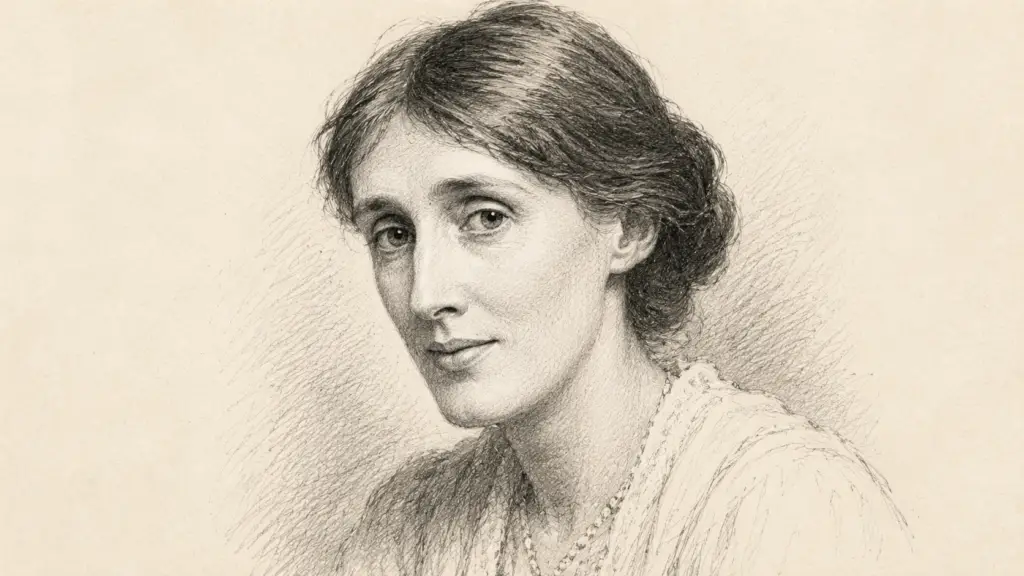
Virginia Woolf Writing Style: A Deep Analysis of Her Sentences, Point of View, and Stream of Consciousness
Virginia Woolf’s prose moves between minds, moments, objects, and memory with extraordinary rhythmic control. This deep analysis examines her sentences, free indirect discourse, stream of consciousness, time, imagery, dialogue, and the craft lessons writers can learn from her modernist experiments.
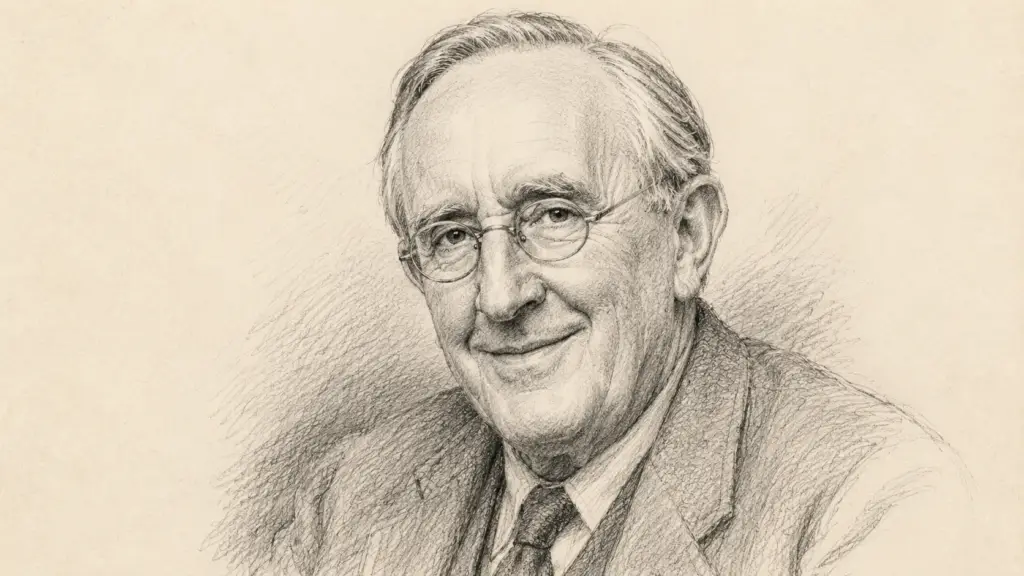
J.R.R. Tolkien Writing Style: A Deep Analysis of His Prose, Language, and Worldbuilding
Tolkien’s prose is far more varied than the stereotype of archaic fantasy language. This deep analysis examines his sentence structure, shifting registers, philology, dialogue, landscape, pacing, mythic depth, and the craft lessons writers can take from Middle-earth.