
How to Research a Book Before You Start Writing
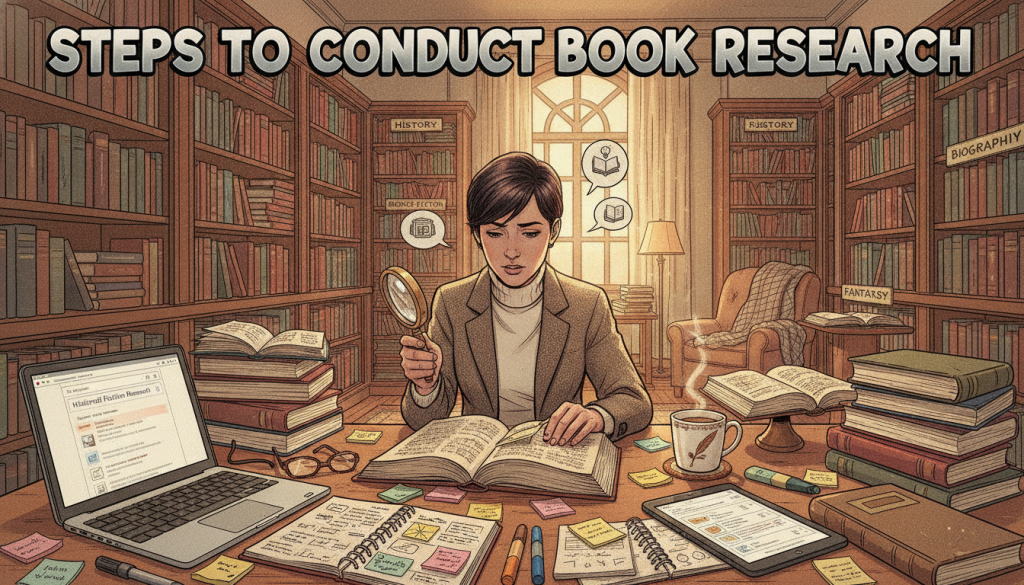
Ernest Hemingway spent hours on his notes before writing a sentence. He knew a great story needs a strong base. Many writers feel lost when they face a blank page. But, the key is in the preparation.
Learning how conduct book research right makes a big difference. It’s not just about collecting facts. It’s about creating a world that readers can believe in. To master the book research process, see it as a vital part of your writing journey.
By following certain steps to conduct book research, you can make your project easier to manage. Being well-prepared lets you write smoothly without interruptions. Let’s explore how to organize your research and start writing clearly.
Key Takeaways
- Preparation prevents writer’s block by providing a clear roadmap.
- Effective planning turns overwhelming ideas into a structured project.
- Research should serve the story, not distract from it.
- Organizing your notes early saves a lot of time later.
- Having a solid base of facts boosts your confidence.
Why Research Matters Before You Write
Before you start writing, there’s a secret to a smooth journey. Many writers rush into their first draft. Then, they hit a wall of confusion.
By preparing first, you make writing more fun. It’s a better way to start your creative journey.
The Difference Between Writing and Research
It’s easy to mix up research and writing. Research is the act of discovery. It’s where you build your world or argument.
Writing is turning those facts into a story. When you mix these, you stop to look up facts. My best tips for conducting book research are to keep them separate.
See research as a time to gather facts. It should fuel your writing, not interrupt it.
How Research Prevents Major Rewrites
Finding out your plot has a factual error can stop you. A solid, factual base early on avoids big changes later. This saves you from weeks of frustration.
A good book research process makes your story feel real. Readers know when an author has done their homework. This builds trust and keeps readers interested.
Common Research Mistakes New Authors Make
One big trap is endless research as a way to avoid writing. It feels like work, but it’s really avoiding the risk of writing. You need to set limits to make progress.
Another mistake is not organizing your research. Without a plan, you’ll waste time looking for your notes. Improving your book research process helps you stay on track and avoid common problems.
Start With Your Book’s Core Idea
Successful authors start by focusing on their idea before doing research. Having a clear vision saves a lot of time. Learning how to conduct book research starts with knowing what your story needs.
Defining Your Central Topic or Theme
To stay on track, make your big idea into one sentence. This helps guide your book research strategies. If info doesn’t support your main sentence, ignore it.
“The secret of getting ahead is getting started. The secret of getting started is breaking your complex overwhelming tasks into small manageable tasks, and then starting on the first one.”
Identifying Knowledge Gaps
After setting your theme, figure out what you know and what you don’t. Make a list of questions you can’t answer. These are the main targets for your book research strategies.
Spotting these gaps early helps you avoid wasting time. Focus on the areas needing deep research to make your story real.
Creating a Research Plan
A good plan keeps your research organized. Use book planning systems for writers to organize your goals. This keeps you moving and helps you know how to conduct book research without getting lost.
- List your primary research questions.
- Prioritize topics based on their importance to your plot or argument.
- Set a specific time limit for each research phase to keep your project moving forward.
Determine What Type of Research Your Book Needs
Finding the right research path early saves a lot of trouble later. Every project needs a different level of research. Knowing what you need is key.
By asking good questions to ask about a book, you can figure out what to research. This helps before you start writing.
Research for Fiction Authors
Fiction authors aim to create a believable world for readers. You might need to study history, local customs, or technical details. Even in fantasy, making your world logical makes it feel real.
Research for Nonfiction Authors
Nonfiction needs strict facts and data. Every claim must be backed by solid evidence. Good research techniques for books in nonfiction include deep dives into archives and studies.
Primary vs. Secondary Sources
Knowing primary and secondary sources is key. Primary sources give direct evidence, like diaries or original documents. Secondary sources interpret these, adding context and expert views.
When Expert Interviews Make Sense
Directly asking experts can give you unique insights. Conducting research for books through interviews is valuable. It’s wise for specialized or sensitive topics.
The expert is the bridge between raw data and human understanding.
Before interviewing experts, make a list of specific questions. This shows respect for their time. It also builds a professional relationship for future work.
Finding Reliable Research Sources
The quality of your writing depends on the sources you choose. Choosing accurate sources makes you instantly credible to your readers. Learning research techniques for books helps keep your facts right.
Books and Reference Materials
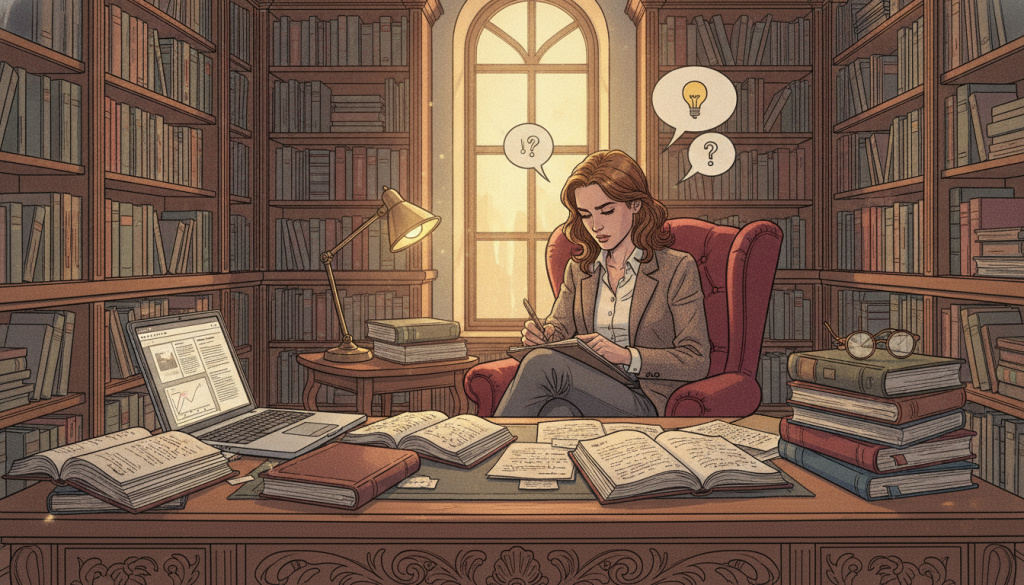
I start by looking at trusted reference books. The World Almanac gives quick, true data. WorldAtlas.com helps me check places to avoid mistakes.
“The expert in anything was once a beginner.”
Academic Journals and Studies
For deep insights, I check academic journals. They have peer-reviewed data that makes nonfiction stronger. Learning to use these databases helps find studies that support your ideas.
Government and Historical Archives
Government archives are key for historical fiction or nonfiction. They give raw, true info. Conducting research for books here finds details the internet misses.
Industry Reports and Professional Publications
For current info, I look at industry reports. They have the latest trends and stats. Using these publications is a top method for researching books.
- Check the publication date to ensure data is current.
- Verify the author’s credentials before citing their work.
- Cross-reference statistics across at least two independent sources.
How to Organize Your Research Effectively
Writing a book starts with organizing your data well. Without a plan, you’ll get lost in bookmarks and papers. Learning these research techniques for books saves you time and stress.
Creating a Research Database
Make a digital hub for your research. I use Scrivener or Notion to keep everything together. These tools link your research to your manuscript easily.
Categorizing Notes by Topic
Sort your findings with a tagging system. Match your tags to your chapter outline or character arcs. This way, you can find what you need quickly.
- Create folders for each major theme or setting.
- Use color-coded tags to distinguish between primary and secondary sources.
- Keep a “miscellaneous” folder for interesting facts that do not fit yet.
Tracking Sources and Citations
Don’t forget where you found a great quote. Document your sources right away. Use a spreadsheet or citation log for links, book titles, and authors.
Accuracy is vital in nonfiction or historical fiction. Losing a source means redoing your work. Always check your links to keep them active and reliable.
Avoiding Information Overload
Don’t research forever for fear of missing something. These methods for researching books help you move forward. Set limits on how much info you need for your story.
If you collect facts that don’t support your story, stop. Your goal is to write a book, not to be a librarian. Stay focused and keep your research simple to keep your creativity flowing.
Using Research to Build Your Book
Your research is more than just facts. It’s the base of your story. Many writers forget to use their notes to shape the story. By using effective book research methods, you can make your manuscript come alive.
Turning Research Into an Outline
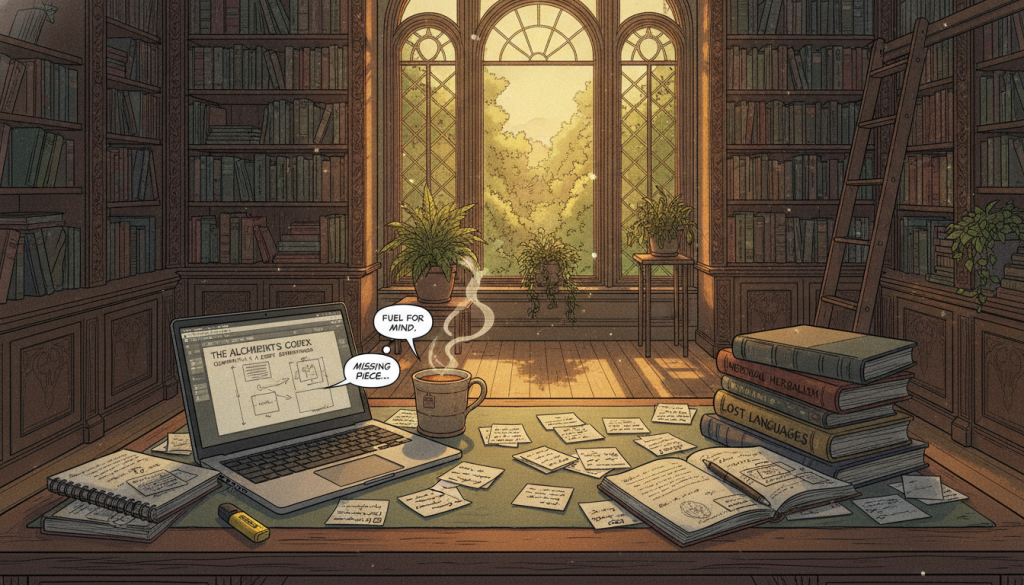
Start by mapping your research onto your chapter beats. This way, you won’t face a blank page. Your notes help you see your story’s flow and where it needs more details.
Organizing your findings into an outline is key. It’s a roadmap for your writing. With it, you’ll know what to do in each scene, thanks to your research.
“Research is formalized curiosity. It is poking and prying with a purpose.”
Developing Characters, Settings, and Plot Points
Your research brings your world to life. For historical fiction, use archives for details like clothing and food. These small touches make your characters seem real.
In nonfiction, your research is the backbone of your argument. Use it to create strong case studies or anecdotes. This makes your story connect with readers on a deeper level.
Identifying Key Themes and Supporting Evidence
Every great book has a central message. Look for patterns in your notes that support this theme. These connections are what hold your story together.
Using book research strategies to organize your evidence strengthens your argument. Whether it’s a thriller or a business guide, solid proof makes your writing more convincing. Remember, effective book research methods are about telling a better story, not just gathering info.
Research Tools That Help Authors Stay Organized
Keeping your research organized is key to a stress-free writing process. The right tools can save you hours of frustration. They help you stay focused on your creative work.
Digital Note-Taking Systems
Authors today have many options for jotting down ideas. Tools like Notion, Obsidian, or Evernote create searchable databases. I like systems that let me tag entries by theme or character for quick retrieval.
Managing Sources and References
For projects needing lots of fact-checking, a reference manager is essential. Software like Zotero or Mendeley tracks citations for you. This is a big tip for conducting book research.
Using Storyloft to Organize Research Before You Write
Storyloft is great for writers who want to organize their world-building and research. It links your research to specific chapters or plot points. Using a specialized tool like this helps you see your story structure and keeps facts organized.
Keeping Research Connected to Your Manuscript
Don’t keep research in a separate folder. Instead, integrate your notes into your writing software or use a split screen. Connecting your research to your manuscript keeps your narrative grounded in facts.
Your workspace should match your creative needs. Whether it’s a simple folder or a complex database, aim to reduce friction. When your notes are organized, you can write more without searching.
When to Stop Researching and Start Writing
The line between being ready and getting stuck is very thin. Conducting research for books is key, but it can be a way to hide. Reading a lot doesn’t mean you’re writing.
Recognizing Research Procrastination
Procrastination can look like hard work. If you’re looking up small details that don’t matter, you’re stalling. True preparation helps your story, not replaces writing it.
Ask if what you’re looking up is needed for the next chapter. If not, it’s time to stop. Knowing this is key to good research.
Setting Research Deadlines
Set a deadline for your research to avoid endless searching. Pick a date to stop researching and start writing. Even if you feel like you need more info, start writing then.
| Feature | Research Mode | Writing Mode |
|---|---|---|
| Primary Goal | Gathering facts | Drafting prose |
| Mental State | Analytical | Creative |
| Success Metric | Notes collected | Word count |
| Time Limit | Fixed deadline | Daily habit |
Creating a Smooth Transition Into Drafting
Switching from research to writing can be hard. Make a bridge by organizing your notes into an outline on your last research day.
This turns your notes into a draft plan. When you write, you’ll know where to go. Trust your preparation and write, knowing you can fix small things later.
How Professional Authors Balance Research and Writing
Mastering research is more than just finding facts. It’s about keeping a good balance. This balance helps avoid burnout. By using effective book research methods, you can stay creative and keep your work real.
Research Workflows Used by Novelists
Many novelists do research first to keep their creativity flowing. I suggest doing most of your world-building or historical research before starting your first chapter. This way, you can dive into your story without constantly checking facts.
When you need to look something up, use a placeholder system. Just type “TK” or “CHECK THIS” and keep writing. This keeps your flow going and avoids getting lost in research.
Research Strategies for Nonfiction Authors
Nonfiction writers need a solid approach to stay credible. My top book research strategies include making a detailed outline. This shows where you need specific data or expert quotes. It helps avoid gathering too much info that might mess up your draft.
It’s best to check your sources as you go, not at the end. This saves you from the stress of fact-checking everything later. Being organized keeps your arguments strong and well-supported.
Building a Repeatable Process for Future Books
The best writers treat their work like a business. They build a consistent book research process. Keep a digital log of your sources and methods for each project. Over time, this log becomes a personal guide for every new book.
Consistency is your best friend for staying productive. By standardizing your research, you make your writing life easier. This system lets you focus on what’s important: telling your story or sharing your knowledge.
Frequently Asked Questions About Book Research
Many writers get stuck in the planning phase. Asking these questions helps figure out when to start writing.
Balancing Preparation and Action
You don’t need to know everything before starting. Build a strong base for your story. If you get stuck, break your project into small parts to keep going.
Refining Your Research Strategy
It’s okay to research while writing. Many authors do this to fill in gaps. These tips help you stay focused and avoid getting lost in too much research.
Selecting the Right Resources
Choose sources that help your story or argument. Use quality sources like academic journals or expert interviews. Organizing your notes digitally saves time later.
Maintaining Your Writing Momentum
Your research should help your writing, not replace it. Listen to your gut when it’s time to start writing. You have everything you need to write a great book. So, start today.
FAQ
How much research should I do before writing?
The amount depends on your genre. Follow clear steps to conduct book research until your “knowledge gaps” are filled. My book research process usually stops once I have enough detail to complete a thorough outline. If I find myself digging into trivial details that don’t move the plot, I know it’s time to start writing.
Can I research while writing?
Yes, but keep the two separate. If I hit a fact I don’t know, I’ll put a placeholder like “[RESEARCH LATER]” in my draft. Then, I use my book research strategies to batch those questions at the end of the week.
What are the best sources for book research?
For book research, start with World Almanacs, WorldAtlas.com, and academic databases. These provide credibility. Using these methods for researching books ensures your manuscript can withstand scrutiny.
How do authors keep track of research notes?
I use Scrivener and Storyloft to keep everything organized. By tagging notes by character or location, I can find info instantly. One of my best tips for conducting book research is to keep your digital notes connected to your manuscript file.
What are some good questions to ask about a book before I start?
Before starting, ask good questions to ask about a book like “What is the central conflict?” and “What specific facts are essential for this world to feel real?” These questions help define your investigation and prevent wasting time on irrelevant data.