How to Know If Your Book Idea Is Worth Writing
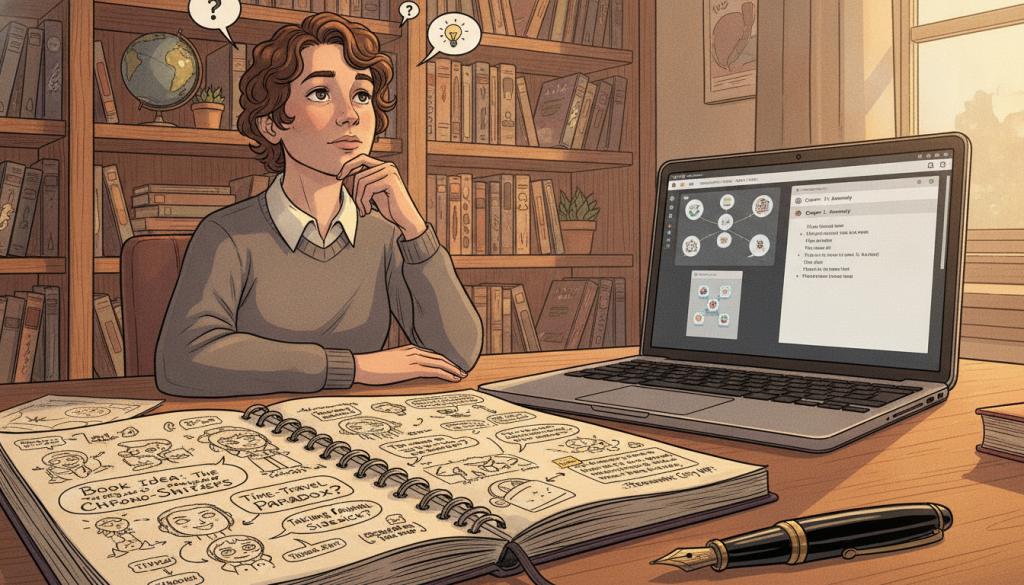
Ever stared at a blank page, wondering if your idea is great? Many writers worry their idea won’t make a whole book. It is a common struggle that keeps stories hidden.
Knowing what to do if you have a book idea is key. A good idea is the base of your story. Without it, even great writing can fail.
This guide helps you through the book writing process with confidence. We’ll show how to check if your idea is good. Let’s see if your project is ready for the spotlight.
Key Takeaways
- Evaluate the marketability of your core concept early.
- Ensure your premise offers enough depth for a full manuscript.
- Learn to distinguish between a fleeting thought and a viable story.
- Save time by validating your narrative before drafting begins.
- Master the essential steps of the professional publishing path.
Introduction
I’ve spent years chasing creative sparks. But not every idea is worth a whole book. It’s exciting when inspiration hits, but can it last for hundreds of pages?
Finding a good story idea is key for writers. Look at story inspiration sources like coffee shop chats or human behavior. This helps you find real ideas.
Why Every Author Questions Their Idea
Even top authors doubt themselves. They might think their idea is too simple or copied.
This doubt is good. It makes you think harder about your story. It keeps you from just writing for the sake of it.
The Difference Between a Good Idea and a Good Book
A good idea is just a spark. A great book needs structure and depth. It must keep readers interested from start to finish.
You might have a cool character or setting. But without conflict or growth, the story will falter. Telling a good story is all about knowing the difference.
What Makes a Book Idea Worth Pursuing
When searching for story inspiration sources, find ideas that move you. If you’re not excited, your readers won’t be either.
Knowing how to find a good story idea means testing it against your passion. If you see a clear start, middle, and end, you’re on the right path.
Start With the One-Sentence Test
The simplest tool for novel planning is the one-sentence test. When starting a new project, I try to sum up the story in one sentence. This helps remove unnecessary details and shows if the idea is strong.
Can You Explain Your Idea in One Sentence?
If you can’t explain your book in one sentence, it needs work. Clarity is key in writing. A clear, short summary means your novel planning is good.
This test checks if your story idea is clear. If explaining the plot takes too long, it’s not focused. A short sentence shows you know what you’re writing about.
Does the Premise Create Curiosity?
A great premise grabs the reader right away. When developing storyline concepts, see if your summary makes you wonder what’s next. If not, your hook might need work.
Your premise should offer something unique or a big challenge. Curiosity drives readers through your story. If your sentence is dull, add more tension or mystery.
Would a Stranger Want to Know More?
Think about how your idea sounds to someone new. You’re developing storyline concepts for readers, not just yourself. If a stranger is interested, you’re on the right path.
If they seem confused or uninterested, don’t worry. Use their feedback to make your idea clearer. Strong ideas are meant to be shared, and a clear sentence invites others in.
Identify the Core Hook
Finding a plot that grabs readers starts with a core hook. A core hook is what makes a story unforgettable. It pulls readers into your world from the start.
What Makes Your Idea Different?
To stand out, find what’s new about your idea. Ask if your story brings a fresh view or a new world. Originality can be mixing old ideas in new ways.
Why Would Readers Choose This Book?
Readers want a reason to try a new book. Your hook should offer something special. Use creative writing tips to explain why your story is unique.
Finding Your Unique Angle
Using the “fish out of water” idea is great. It creates tension and interesting scenes. This method helps your character grow in a real way.
When finding plot ideas, make your concept personal. Think about what would happen if the stakes were higher. A unique angle makes your book unforgettable.
Determine Whether the Idea Has Enough Depth
Not every spark of an idea is meant to be a full-length novel. When you’re writing a novel, make sure your idea is big enough. It should keep readers interested for thousands of pages.
Developing storyline concepts means checking if your idea is big enough. If it’s small, it might be better for a short story or blog post, not a book.
Can It Sustain an Entire Book?
A book idea needs to be layered. Think if your idea can grow with subplots and character arcs. If it feels like it ends too soon, you might need to make your world bigger or add more characters.
Are There Multiple Sources of Conflict?
Conflict drives a great story. If your hero only faces one easy problem, the story will lose tension fast. You need multiple sources of conflict to keep readers hooked from start to end.
“The only thing worth writing about is the human heart in conflict with itself.” — William Faulkner
Use this table to check if your conflict is big enough:
| Conflict Type | Short-Term Impact | Long-Term Impact |
|---|---|---|
| Internal | Minor doubt | Deep character growth |
| External | Immediate hurdle | Systemic change |
| Relational | Simple argument | Complex betrayal |
Does the Concept Create New Questions?
A good story should feel like a puzzle that keeps revealing new pieces. If your idea answers every question right away, it loses its mystery. Make sure every answer brings up new questions for readers.
This keeps the story exciting while writing a novel. By adding layers to your plot, your story stays interesting until the end.
Define Your Ideal Reader
To make your story hit home, you need to know who you’re writing for. Many writers try to please everyone, but this waters down their message. Good narrative idea generation means focusing on a specific group that will really appreciate your work.
Knowing your audience gives you a big edge. This publishing advice is key because it lets you craft your story to fit your readers’ needs.
Who Is This Book For?
First, make a picture of your ideal reader. Do they want a quick read or to learn something new? Think about their age, interests, and favorite books.
Consider what problems they face every day. Knowing these, you can make your book the perfect fix or fun for them.
What Does Your Reader Want?
People read books for a reason. In stories, they might want to see a hero win against all odds. In nonfiction, they seek change or success.
Your task is to deliver what they’re looking for. If it’s a thriller, they want excitement and speed. If it’s self-help, they need practical advice and understanding.
What Emotional Experience Will They Have?
Every book type promises a certain feeling to the reader. You must choose what emotions you want to stir up. Do you aim to inspire, scare, or comfort?
The table below shows how genres match up with what readers want and feel:
| Genre | Primary Desire | Emotional Goal |
|---|---|---|
| Thriller | High-stakes tension | Adrenaline and fear |
| Romance | Emotional connection | Hope and joy |
| Self-Help | Personal growth | Confidence and clarity |
| Historical Fiction | Immersive world-building | Wonder and nostalgia |
By matching your narrative idea generation with these expectations, you build a stronger connection with your audience. Remember, the best publishing advice helps you serve your readers better. Knowing exactly who you’re writing for makes your work more focused and fulfilling.
Research Similar Books
If you want to know how to find a good story idea, start by looking at books already out. Many writers worry that seeing what’s already out will stop their creativity. But, it actually helps you make your story stand out.
Finding Comparable Titles
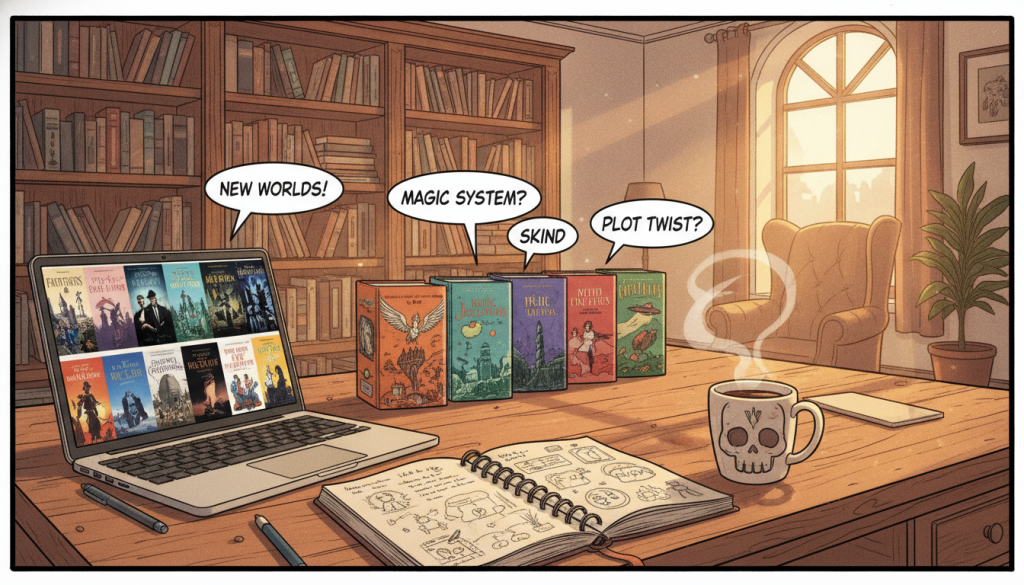
First, find books like yours. These are books from the last few years that are similar to your story. You can find them on Amazon’s bestseller lists or on Goodreads’ “readers also enjoyed” section.
When you find these books, look at their blurbs and covers. This publishing advice is key. It shows how authors draw in readers. You’re not copying them, but learning what readers want.
Learning From Successful Books
Once you have your list, dive into what made those books great. Think about what kept you reading. Was it the story’s structure or the characters?
Take notes on the book’s pace and main conflict. By studying a successful story, you learn how to tell a good one. This helps you see what’s popular and what’s not.
Identifying Gaps in the Market
Next, find what’s missing in your genre. Look for a fresh angle that hasn’t been done before. If all books have the same hero, maybe your story can offer something new.
Finding these gaps can make your book stand out. It could turn your story into a must-read. Use the table below to organize your research and see how your ideas compare.
| Market Element | Common Trend | Your Unique Angle |
|---|---|---|
| Protagonist Type | Classic Hero | Flawed Anti-Hero |
| Setting | Urban City | Isolated Wilderness |
| Conflict Style | External Action | Internal Psychological |
| Pacing | Fast-paced Thriller | Slow-burn Mystery |
By following this publishing advice, you’ll feel more confident. Knowing where you fit in the market is key. It’s the best way to make sure your work reaches the right people.
Test the Idea Against Common Warning Signs
Even great ideas can be traps. They might make your work feel off or boring. By finding strong plot ideas, you can avoid these problems before you start writing.
The Idea Is Too Broad
A big idea can make your story structure fall apart. A story about “the history of the world” is too big for one book. Focus on a key character or event to keep your story grounded.
The Idea Is Too Complicated
Too much complexity can confuse readers. If your world is too complex, it’s hard to explain. Make your main conflict simple so readers can follow your characters’ journey.
The Idea Relies on a Single Twist
A story that relies on one big twist can lose interest after the reveal. If your story has no depth beyond the twist, it will lose readers. You need strong characters to carry your story.
The Idea Has No Clear Audience
Writing for everyone means writing for no one. Know your target reader and what they want. Use this table to check if your idea is ready:
| Warning Sign | Impact on Story | Fixing Strategy |
|---|---|---|
| Too Broad | Lack of focus | Narrow the scope |
| Too Complex | Reader confusion | Simplify the premise |
| Single Twist | Weak longevity | Deepen character arcs |
When finding plot ideas, remember these warning signs. If your idea hits these problems, it’s okay to change it. A little extra effort now can save you a lot of trouble later.
- Identify the core emotional hook.
- Ensure the stakes are personal.
- Verify that the pacing feels natural.
Evaluate the Main Character or Central Promise
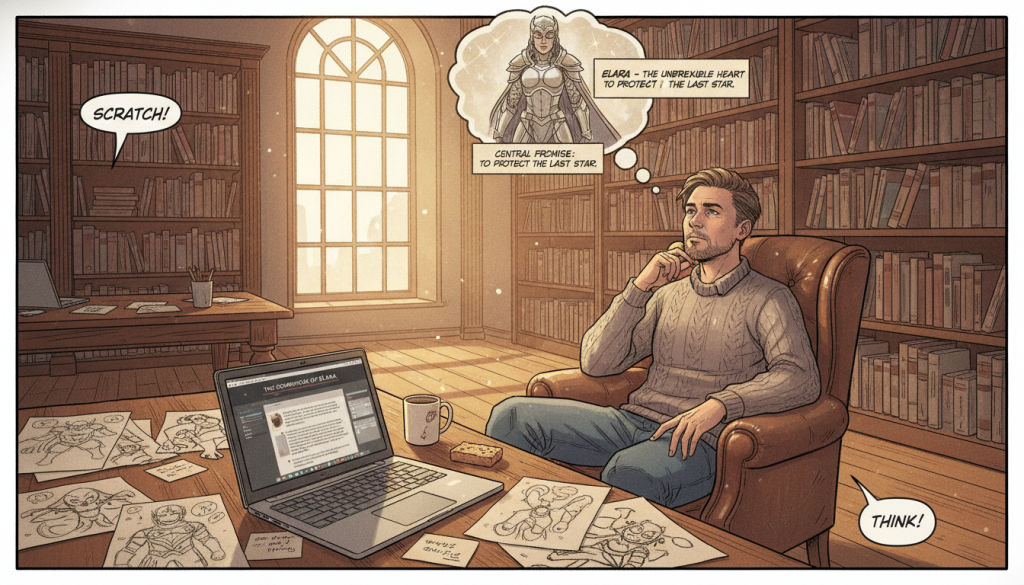
The secret to a great book often lies in its main character or core message. Whether it’s a novel or a guide, it must keep its promise to the reader. This is key to narrative idea generation and keeping readers hooked until the end.
Fiction: Is the Protagonist Compelling?
A good story needs a hero who feels real and active. Does your protagonist have a clear goal and the power to reach it? If not, your story structure might feel dull and lacking.
Fiction: Are the Stakes Meaningful?
Readers must feel that something important is at risk. If the protagonist fails, the consequences should be significant and personal. Without high stakes, even the most creative plots can lose tension.
Nonfiction: Does the Book Solve a Specific Problem?
In nonfiction, your idea must tackle a clear problem. The best books help readers move from where they are to where they want to be. If you can’t define the problem you’re solving, your narrative idea generation might need more work.
Nonfiction: Can You Deliver a Clear Transformation?
Readers choose nonfiction to learn or change. Your story structure should lead them on a path of growth. Make sure you can show a clear transformation by the book’s end.
Turn Your Idea Into a Real Book Plan
If you have a book idea, the next step is to build a strong foundation. Many writers think creativity should be free and wild. But, the best stories need a solid structure.
Why Great Ideas Need Structure
Think of your book as a house you’re building. Without a plan, it might look nice but not work. Structure gives you the safety to be creative without getting lost.
A good plan makes sure your story flows well. It keeps you going when the excitement wears off. Planning early saves you from big rewrites later.
The Fastest Way to Test an Idea
Try writing a short story version of your idea first. This helps you focus on what’s really important. If it’s weak in a few pages, it might not work in a whole book.
This test shows if your story has a strong main character and real challenges. It’s a safe way to make your idea better before you start writing a lot.
Use Storyloft to Pressure-Test Your Book Idea
Tools like Storyloft help you organize your story and characters. They let you see your story’s structure and find problems early. This turns messy ideas into clear plans.
| Planning Method | Primary Benefit | Best For |
|---|---|---|
| Short Story Draft | Tests narrative flow | Fiction writers |
| Storyloft Mapping | Visualizes plot beats | Complex novels |
| Mind Mapping | Brainstorming connections | Nonfiction concepts |
Using these methods, you can turn a vague idea into a real project. Preparation is key for every author. With a solid plan, you can write with confidence.
Questions to Ask Before Committing to the Idea
Starting a full-length manuscript is more than just a spark of inspiration. It’s a big step that needs careful thought. Before you start the book writing process, check if you’re ready to commit for the long haul. Writing a novel takes up a lot of time and mental space.
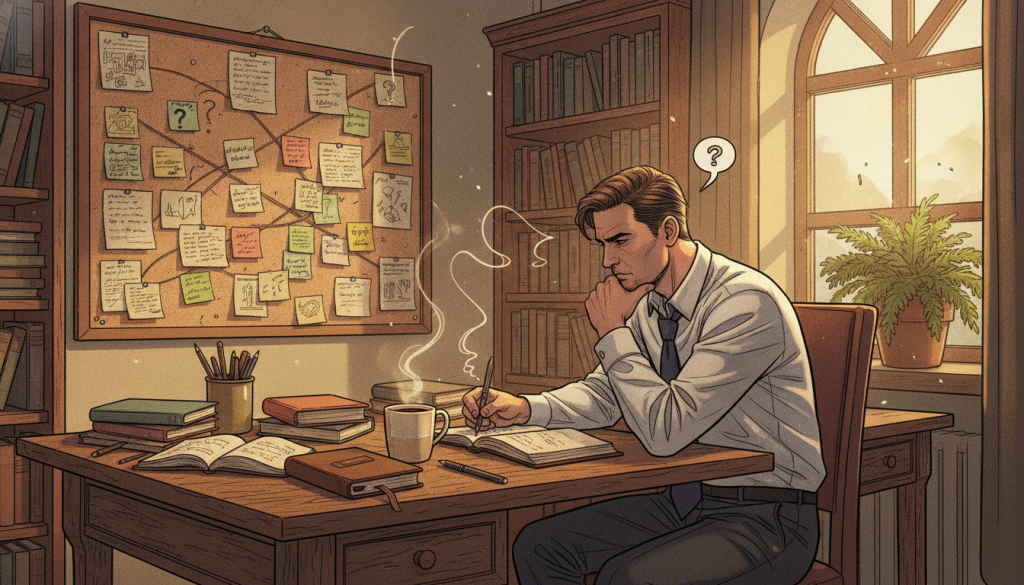
Am I Excited Enough to Spend Months Writing This?
Passion keeps you going when the excitement wears off. If you’re only mildly interested now, you might find it hard to finish later. Think if the idea excites you after a week.
Will Readers Care About the Outcome?
You’re writing for others, not just yourself. Ask if your story or message will touch someone’s heart. If you can’t see why readers will care, you might need to rethink your idea.
Can I Clearly Explain Why This Book Matters?
Feeling like an imposter is common when you lose sight of your purpose. When you know why you’re writing, you’ll feel more confident. Writing a novel is easier when you have a clear reason.
Can I Create a Meaningful Outline?
A good idea needs a plan to come to life. If you can’t organize your thoughts, your idea might be too vague. A solid outline helps you stay on track, even when it gets tough.
| Readiness Factor | Low Commitment | High Commitment |
|---|---|---|
| Emotional Drive | Bored by the premise | Obsessed with the outcome |
| Audience Focus | Unsure who reads it | Clear target reader |
| Structural Clarity | No clear path forward | Detailed chapter plan |
| Purpose | Just for fun | Clear, meaningful goal |
When to Move Forward With Confidence
Starting to write needs a special kind of confidence. You’ve worked hard on your idea. Now, it’s time to see if it’s strong enough to carry your story.
Signs Your Idea Is Ready
You’re ready when you can see the start, middle, and end clearly. Knowing your main character’s goals and challenges is key. Also, being able to sum up the main conflict in one sentence is a good sign.
Feeling a strong urge to start writing is a good sign. You don’t need every detail planned out. A solid outline and understanding of your characters are enough to begin.
Signs It Needs More Development
Sometimes, your idea might feel exciting but not deep enough. If you can’t plan out the story beyond the first chapters, it needs more work. If your main character feels passive or the stakes are unclear, it’s a sign too.
Don’t worry if you hit these challenges. They’re chances to find new story inspiration sources. If your idea feels too simple, add a secondary conflict or deepen your main character’s motivation.
Remember: Great Books Begin as Rough Ideas
Even the best books started as rough ideas. You don’t have to be perfect to write. Using creative writing tips like writing a “zero draft” can help you start.
Keep an open mind as you write. Your story will grow and change. Your initial plan is just a guide, not a limit. Let your creativity flow as you turn your idea into a real book.
| Feature | Ready to Write | Needs More Work |
|---|---|---|
| Core Conflict | Clearly defined | Vague or missing |
| Character Goals | Strong and active | Passive or unclear |
| Structural Plan | Solid outline exists | No sense of direction |
| Reader Impact | Defined emotional arc | Unsure of audience |
Final Thoughts
Trusting your gut is key when you find a concept that excites you. Waiting for the perfect moment is just a way to delay. It keeps you from reaching your goals.
You now know what to do if you have a book idea. Your unique voice and personal experience make your story special. They are the missing pieces that make it worth telling.
The only way to know if your story works is to start writing it today. Don’t let fear of someone else’s similar idea stop you. Your unique perspective can’t be copied by anyone else.
Take the leap and commit to your vision. Knowing what to do with a book idea is just the start. The real magic happens when you write your story. Your future readers are waiting for the message only you can share.
FAQ
How to find a good story idea when I feel completely uninspired?
Start by looking at story inspiration sources like Pinterest boards, historical documentaries, or strange local news stories. Often, the best ideas come from combining two unrelated concepts into something new.
What should I do if I have a book idea but no writing experience?
Get the idea out of your head and onto paper using a simple tool like Evernote. Don’t worry about “writing well” yet—focus on developing storyline concepts and the basic arc of your characters.
How can I tell if I’m discovering plot ideas that are actually original?
Check your ideas against TV Tropes or Goodreads reviews. If you find five books with the exact same premise, look for a unique twist or perspective to make it your own.
Why is narrative idea generation so much harder than the actual writing?
Because you’re building something from nothing! Narrative idea generation requires a different part of the brain than drafting. It’s about being an architect before you become the carpenter.
Is there a specific process for developing storyline concepts for a series?
When planning a series, use novel planning software like Plottr to ensure the central conflict is big enough to span multiple volumes. You need an “over-arching” plot that isn’t solved in the first book.
How to find a good story idea that will actually sell?
Look at the Amazon Bestseller lists for your specific genre. See what themes are currently resonating with readers, and then use your own story inspiration sources to put a fresh spin on those popular tropes.