Essential Questions to Answer Before Writing a Novel
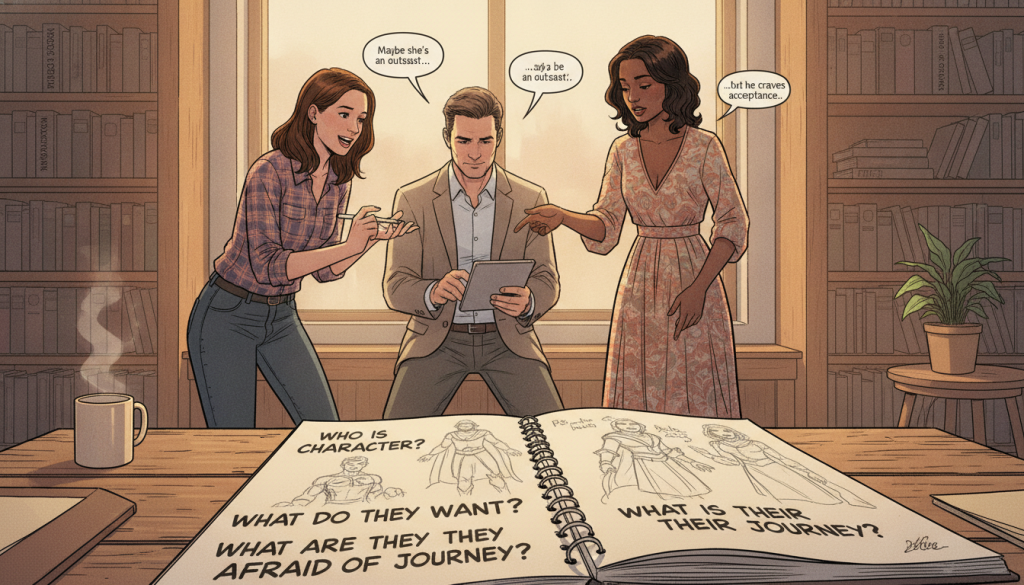
I once stared at a blank screen for hours. I thought my plot was perfect. But my main character felt like a cardboard cutout.
It wasn’t until I focused on my character’s thoughts that the story came alive. Understanding your cast is the secret to unlocking a compelling narrative.
Wondering how to write a character driven novel? Start with the basics. Explore essential questions for your project. This makes your story strong from the start.
This method helps you avoid common mistakes. Focusing on internal motivations makes your story flow smoothly.
Key Takeaways
- Identify core values that dictate how your protagonist reacts to conflict.
- Distinguish between what a character thinks they want and their true, secret need.
- Recognize that your lead must often stand in their own way to create meaningful tension.
- Use these questions to build a flexible outline rather than forcing a rigid plot.
- Understand that character decisions should drive the narrative forward naturally.
Introduction
Many writers don’t know the most important work is before Chapter One. The success of a book often depends on a clear vision from the start.
Writing without a plan can lead to getting lost in the story. Preparation is the secret weapon for real authors.
Why Most Novel Problems Begin Before Chapter One
Most problems start before Chapter One because the story’s foundation is weak. If you don’t know your main character’s reasons, your story might stall.
Intentional planning helps avoid writer’s block. It makes sure your story stays exciting from start to end.
The Questions Every Successful Author Eventually Answers
For years, writers used notebooks and research to plan their stories. These tools helped them create detailed plots and character paths.
Today, the questions are still the same, no matter the tools. You need to know your stakes, setting, and main conflict to connect with readers.
How Novel Planning Has Changed Over Time
Though tools have changed from paper to digital, deep thinking is still key. Now, apps help with character development in writing, making tracking easier.
But, tech can’t replace the creative work of asking the right questions. Whether you use a digital binder or a notebook, your commitment to planning makes your book better.
How Authors Prepared Novels Before Modern Writing Software
Before computers, writing was very hands-on. Writers didn’t have instant search or cloud backups. They used their minds and paper to keep their stories straight.
Planning Before Computers
Authors had to remember everything by heart. They didn’t have digital outlines. They had to keep their book’s structure in their minds or on paper.
Planning was not just a step; it was a lifestyle. They spent a lot of time planning scenes before writing. This helped make characters feel real from the start.
The Era of Index Cards and Notebooks
Many famous writers used index cards, binders, and notebooks. They wrote one scene or trait per card. This let them see and change their story’s flow.
“The writer must be a master of his own chaos, turning disconnected ideas into a structured journey.” — Anonymous
Here’s how these tools helped with novel complexity:
| Tool | Primary Use | Benefit |
|---|---|---|
| Index Cards | Scene Sequencing | Easy to reorder plot |
| Binders | Research Storage | Keeps facts organized |
| Notebooks | Character Sketches | Captures fleeting ideas |
What Modern Authors Can Learn From Classic Novelists
Even with today’s tools, the main challenge is the same. It’s about turning ideas into a story. Classic authors showed us the value of patience and revision.
Using your hands to plan can help you see your story better. Sometimes, taking a break from screens can help find solutions. Consistency and structure are key, no matter your tools.
Why Preparation Matters More Than Ever
The world of publishing has changed a lot. Now, being well-prepared is key for authors. Gone are the days of writing without a plan. You need to use character-driven plot techniques to make your story real.
Today’s Readers Expect More
Today’s readers are smarter and have more choices. They don’t like stories that drag or have boring characters. If your story isn’t strong, they’ll find another book to read.
“A story is a promise made to the reader, and preparation is how you ensure you can keep it.”
Competition Has Never Been Higher
There are so many books out there every day. You’re not just up against new authors. You’re up against all the classics and bestsellers too. To be noticed, your work must be perfect from the start.
- Focus on unique character motivations.
- Ensure your stakes are high and personal.
- Refine your prose to eliminate unnecessary fluff.
Self-Publishing Changed the Game
Self-publishing has opened doors for everyone. But it’s also made quality more important. With so many books out, you need to be top-notch to get noticed. Use character-driven storytelling strategies to connect with your readers.
Planning ahead gives you a big edge. Preparation is the secret weapon that makes your story stand out. Don’t underestimate the power of a well-planned story.
Question 1: Why Does This Story Need to Be Told?
To write a character-driven novel, start by looking inside yourself. A story is more than events; it shows your creative spirit. First, find the main reason your story moves forward.
What Excites You About This Idea?
Passion drives your writing. Feeling excited about your idea makes writing easier. Think about what scene or character trait keeps you up at night.
What excites you builds a strong base. If you’re not excited, your readers won’t be. Your excitement is shared with your readers.
Why Are You the Right Person to Write It?
Every writer has unique experiences. You might see human nature or struggles in a special way. This makes your voice unique.
When writing a character-driven novel, remember to give your characters emotional depth. They should have dreams, ambitions, and real struggles. Adding your values makes your story real and urgent.
Will You Still Care About This Story Six Months From Now?
Writing a book takes a lot of time and energy. Make sure you’ll still care about it later. Think if the themes are deep enough to keep you interested for months.
If you lose interest, check your main character’s goals. A character with a strong arc keeps you interested. Staying connected to your story is key to finishing it.
Question 2: Who Is This Novel For?
Your target audience guides your every choice when writing. Knowing who you’re writing for helps you find your voice. This keeps your story on track and focused on what matters to your readers.
Identifying Your Ideal Reader
To connect with your audience, picture them in your mind. Are they into fast-paced thrillers or slow-burn romances? By crafting realistic characters, you make your readers feel a real connection.
Don’t make your heroes too perfect. It can make readers feel far away. Instead, give them flaws and vulnerabilities that make them seem real. When readers see themselves in your characters, they’ll stay with you until the end.
Understanding Genre Expectations
Every genre has its own set of promises. If you’re writing a mystery, readers expect a brain teaser. If it’s fantasy, they want a detailed world.
You can still be unique while meeting these expectations. Here’s a table showing how different genres focus on different things:
| Genre | Primary Focus | Reader Expectation |
|---|---|---|
| Thriller | Pacing | High tension and suspense |
| Romance | Emotional Connection | Satisfying character growth |
| Literary Fiction | Prose Quality | Deep thematic exploration |
What Experience Should Readers Have?
Think about the emotional journey you want your reader to have. Do you want them to feel challenged, comforted, or scared? Your tone and words should match this.
Remember, crafting realistic characters is the heart of a great story. When your characters act naturally, readers trust your world and story. Consistency is key to keeping readers hooked from start to finish.
Question 3: What Makes This Novel Different?
You might think every story has been told. But your view is unique. Readers want a fresh execution of ideas that speak to them. Your goal is to find what makes your story special.
Finding Your Core Hook
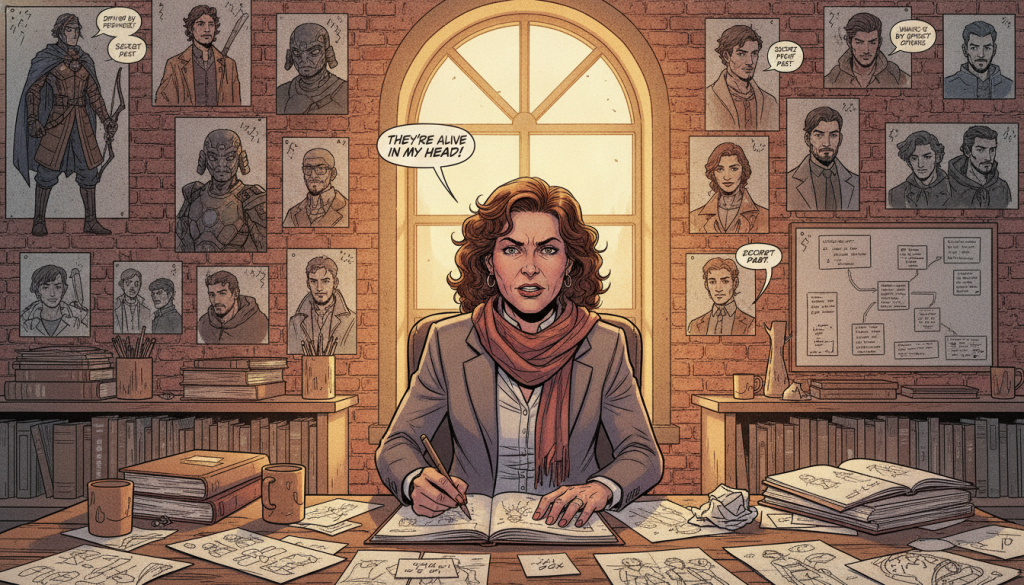
A core hook is your story’s magnetic pull. It’s the one sentence that grabs a reader’s attention. Think about what question your novel answers that no other does.
Consider your story’s central tension. If you can summarize it in a surprising yet inevitable way, you’ve found your hook. This hook is the foundation for every scene you write.
The Importance of Originality
Originality often lies in the details, not just the idea. You can make a classic trope new by developing multi-dimensional characters. For example, your villain should be complex, not just evil.
Write villains who believe they are heroes. Characters with a flawed yet logical moral code are more interesting. This adds realism and keeps readers engaged until the end.
Why Familiar Ideas Can Still Work
Don’t be afraid to use familiar themes or settings. Readers often choose books for the comfort of a genre. The trick is to offer the familiar satisfaction they seek with your unique twist.
You can surprise readers by changing the protagonist’s motivation or introducing unexpected settings. By mixing the known with the new, your story will feel both familiar and exciting. Authenticity is key to making any idea your own.
Question 4: Who Is the Main Character?
To master character-driven storytelling strategies, you need to know your main character well. A strong protagonist is like the anchor of your story. They help readers see your world through their eyes.
By creating compelling characters, you keep readers hooked from the start.
What Does Your Protagonist Want?
Every character needs a clear goal. This could be love, revenge, or just surviving. This goal makes them act in your story.
When you know what they want, you can plan your story better. Storyloft helps you keep everything in one place. This makes sure your character’s reasons stay clear as you build your story.
What Is Standing in Their Way?
Goals are interesting when there are big obstacles. You need to make it hard for your character to reach their goal. These can be enemies or their own fears.
True conflict happens when the stakes are high and can’t be avoided. Knowing these challenges early makes your story more exciting. Think about what’s at risk if your character fails.
What Makes Them Worth Following?
Readers love characters that feel real. Your protagonist should have good and bad sides. A perfect character is boring, but one with flaws is relatable.
Using character-driven storytelling strategies lets your character make mistakes and learn. This growth keeps readers interested. By focusing on these human aspects, you create characters that readers will remember.
Question 5: What Changes for the Character?
If your main character doesn’t change by the end, you might have a problem. True character development in writing is more than just a new look or job. It’s about how they see the world, what they value, and how they feel.
Understanding Character Arcs
A character arc is the journey your main character goes on. It’s like their evolution of the soul in your story. Without this journey, your story might feel like random events, not a story.
- Positive Arc: The character overcomes a flaw to achieve a better life.
- Flat Arc: The character remains steady but changes the world around them.
- Negative Arc: The character succumbs to their flaws, leading to a tragic downfall.
Internal vs External Change
It’s important to know the difference between what happens to your character and what happens inside them. External change is what happens in the story, like winning a battle. Internal change is the hidden work of overcoming fears or past traumas.
“The only way to make sense of change is to plunge into it, move with it, and join the dance.”
When you write a novel with strong character arcs, link these two changes. The story should push the character to change from the inside. If it doesn’t, the story might feel empty.
Why Transformation Matters
Readers don’t just want action; they want to see growth. Transformation gives them an emotional payoff. When a character learns or accepts their fate, the reader feels that victory too.
Your character’s growth shows the reader their own life. By showing how your protagonist changes, you give readers a resonant experience that stays with them long after they finish reading.
Question 6: What Is the Central Conflict?
A novel without a clear conflict is like a car without an engine. It looks nice but won’t move. You need a central tension that makes your protagonist face tough choices.
Conflict Drives Story
Conflict is the heart of your story. Using character-driven plot techniques makes the struggle personal. If your character doesn’t want something, the reader won’t care.
Think of a story as a series of problems to solve. If you’re stuck, reading honest truths about writing a book can help. Each scene should either raise the tension or show something new about the hero.
Raising the Stakes
Once you have your main problem, make losing feel catastrophic. What would the hero lose? It could be their reputation, safety, or sense of self.
“Conflict is the soul of drama; without it, the story is merely a collection of events.”
Always think of ways to make things worse for your protagonist. This keeps the reader guessing until the end.
Creating Meaningful Obstacles
Obstacles should challenge your hero’s values and skills. With character-driven plot techniques, obstacles reflect the hero’s flaws.
Here’s a table to brainstorm obstacles that help your hero grow:
| Obstacle Type | Impact on Character | Resulting Action |
|---|---|---|
| Internal Doubt | Lowers confidence | Seeking validation |
| External Rival | Forces competition | Developing new skills |
| Moral Dilemma | Tests integrity | Making a sacrifice |
Your goal is to make every obstacle meaningful. If an obstacle doesn’t help the character grow, it might need to go.
Question 7: What Happens If the Character Fails?
Every great story has a scary chance that the hero might lose everything. If the story’s end seems too easy, the excitement goes away. I think it’s key to define the cost of failure to keep readers hooked.
Defining the Stakes
Stakes make your story move. When I create realistic characters, I make sure they risk something real. If they have nothing to lose, they won’t act, and the story stops.
You need to show what’s at risk for your hero. It could be their reputation, life, or a big dream. The danger must seem real and unstoppable. Without a clear risk, the reader won’t feel the story’s weight.
Personal Stakes vs World Stakes
The best stories mix personal growth with big threats. Personal stakes help the hero grow, while world stakes keep everyone safe. By building authentic character relationships, small failures can hit hard with the reader.
Here’s how different stakes shape your story:
| Stake Type | Primary Focus | Reader Impact |
|---|---|---|
| Personal | Internal growth | Deep emotional empathy |
| Relational | Social bonds | High tension in dialogue |
| Global | External survival | Urgency and pacing |
Why Readers Need Consequences
Readers want justice and logic in stories. If a character faces no danger, the story feels empty. Consequences show that the hero’s choices matter.
When heroes face failure, their fight feels real. This makes the reader care more about the hero. The fear of losing makes winning even sweeter.
Question 8: What Is the Setting and Why Does It Matter?
A good setting is like a stage for developing multi-dimensional characters. It should not just be a background. It should play a role in the story. Where your scenes happen can tell a lot about your main character.
Creating Memorable Locations
Great locations show what’s going on inside people’s minds. Think about how a place reflects its people. A messy, dark office might show a character is stressed. A clean, bright home could mean they want order.
Keep your world organized with a central spot for notes. This helps you remember details without losing your creative edge. Consistency is key to making your world feel real.
Using Setting as a Storytelling Tool
Your setting should shape the story by creating challenges for your characters. If a character is stuck in a place that makes them face their fears, the setting helps them grow. This is crucial for developing multi-dimensional characters who must adjust to their environment.
- Use sensory details to ground the reader in the scene.
- Connect physical landmarks to significant memories for your protagonist.
- Ensure the environment changes as the character arc progresses.
Worldbuilding Beyond Fantasy
Many think worldbuilding is just for fantasy or science fiction. But, every story needs a setting, whether it’s a modern office or a small town. Knowing your world’s rules is key, no matter the genre.
Organize your research and location profiles in one spot. This makes it easy to check facts while writing. Remember, a strong setting makes your characters feel real.
Question 9: What Themes Are You Exploring?
Every story has a heart that beats deep within. This heart is the theme. It gives your story a deeper meaning that stays with readers long after they finish reading.
When you write a novel with strong character arcs, you connect readers’ hearts to your message. This is a powerful bridge.
The Difference Between Theme and Plot
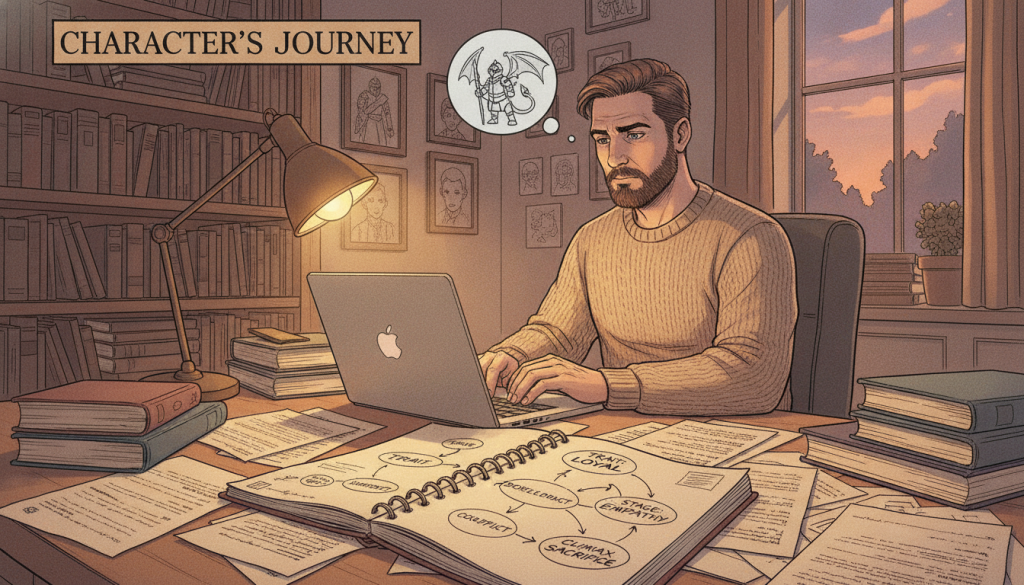
It’s easy to mix up what happens in your story with what it’s really about. The plot is the story’s events, obstacles, and the journey your hero takes. The theme is the underlying truth or question explored through these events.
Think of the plot as your story’s skeleton and the theme as its soul. Without a clear theme, your story might feel empty, even if it’s exciting. You want your readers to see that your story is purposeful and grounded in human experience.
Common Themes in Literature
Many great stories share common themes that touch people everywhere. These include the quest for redemption, the power of forgiveness, or the search for identity. You don’t have to come up with new ideas to find a good theme.
Instead, think about how these classic ideas play out in your story. Whether it’s a dark thriller or a fun romance, your unique take on these themes makes your story special. Authenticity is your greatest asset when picking themes for your story.
Allowing Themes to Emerge Naturally
The best themes come from the story itself, not forced. They grow from your characters’ choices and the outcomes they face. If you focus on strong character arcs, your themes will show up naturally.
Watch what your characters value and fear most. Often, the main conflict of your story will show the themes you’re exploring. By staying true to your characters, your message will feel earned rather than preached.
Question 10: Can This Idea Sustain an Entire Novel?
Your journey to a finished book starts with a strong idea. Asking these ten key questions helps avoid getting stuck. It makes sure your story is deep enough to keep readers interested from start to finish.
Storyloft can help you get your ideas in order. It spots plot holes and helps you create characters that readers love. This way, you can turn a simple idea into a rich, engaging story.
Writing a book takes a lot of time and effort. By checking your idea, you protect your hard work. You’ll feel sure that your main character has a clear journey and your world is full of surprises.
Start your draft by focusing on the heart of your story. Make sure your characters feel real and relatable. With a strong base, you can make your book a lasting success.
FAQ
Why is the planning phase considered the most critical stage of the writing process?
Most story problems start before you write “Chapter One.” Planning lets you fix big issues early. Authors like Stephen King used index cards to organize their ideas.
By studying these methods, I learned that a clear plan is key. It helps create strong characters and keeps the plot strong.
How has the shift in the publishing landscape changed how I should prepare my novel?
The publishing world is now more crowded. With Amazon Kindle Direct Publishing, readers expect a high level of quality. To stand out, focus on character-driven stories from the start.
Good preparation is now a must to meet today’s reader expectations.
How can I maintain my internal motivation during the months it takes to draft a novel?
Writing a novel is like a marathon. Your love for the story keeps you going. Ask yourself why you’re telling this story.
If you don’t love your story, you might lose motivation. Answering these questions early keeps your passion strong.
Why is it important to identify my target audience before I start writing?
Knowing your reader helps you write in the right style. Your audience has specific needs. Writing for fans of James Patterson or Nora Roberts means meeting certain expectations.
Identifying your ideal reader early helps you make better choices. This ensures your characters feel real and connect with your audience.
How do I make my story feel original if the core idea has been done before?
Being original means doing familiar things in a new way. Find a unique twist to make your story stand out. Even familiar plots can feel new with unique characters.
My goal is to meet genre expectations while surprising readers with something fresh.
What are the essential elements of a strong protagonist?
A great protagonist has clear goals and big challenges. I use tools like Scrivener to keep track of character details. This helps my protagonist stay consistent and drive the story.
What is the difference between internal growth and external plot progression?
External plot is what happens to the character. Internal growth is how the character changes because of it. A good story balances both.
Transformation is key. If the protagonist doesn’t change, the story feels pointless. I focus on creating a meaningful arc for my characters.
How do I use conflict to keep the story moving forward?
Conflict drives the story. I create obstacles that challenge my protagonist’s values and skills. This forces them to make tough choices.
Using character-driven plot techniques makes every scene important. Without conflict, there’s no tension, and readers won’t keep reading.
Why are high stakes so important for reader engagement?
High stakes make readers care about the story. I balance personal stakes with big consequences. This makes failure feel real.
When you build strong character relationships, the stakes get even higher. Readers will care deeply about the characters.
How can my setting contribute to more than just the backdrop of the story?
Your setting should influence characters and plot. It should reveal traits and enhance the story’s atmosphere. Organizing worldbuilding details keeps the setting consistent and alive.
This ensures the environment is a living part of the story, making characters adapt and grow.
How do I develop themes without making my novel feel “preachy”?
Themes should grow from characters’ motivations and struggles. I separate plot from theme. Letting themes emerge naturally makes them more impactful.
This approach provides a satisfying and subtle experience for readers, long after they finish the book.
How do I know if my initial idea is enough to sustain an entire novel?
An idea needs layers to last 80,000 words or more. Look for a central conflict and a protagonist’s long journey. Use these ten questions to check if your idea can support a full-length book.