
How to Build a Writing Routine Before Starting a Book
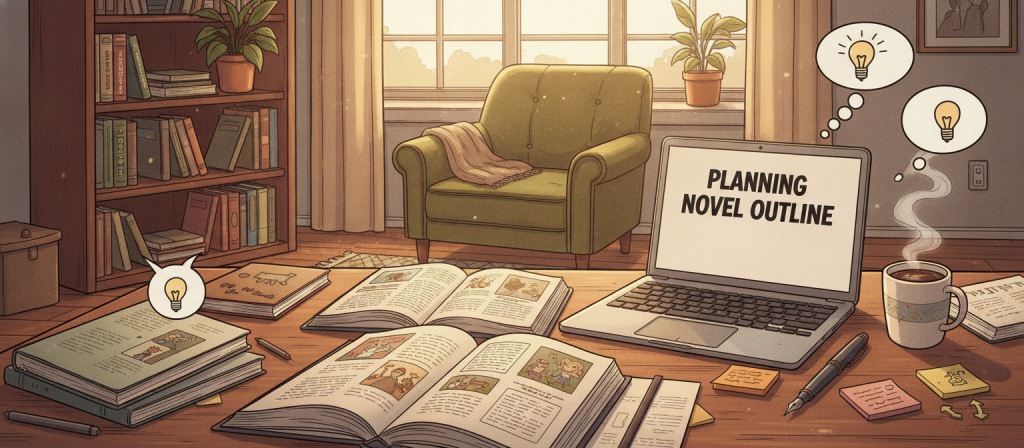
Did you know over 80% of Americans want to be authors? Yet, most don’t finish a chapter. I once spent an afternoon staring at a blank screen, thinking my muse was gone. I tried drinking lots of coffee, like Ernest Hemingway, but got a headache and no words.
Waiting for inspiration is a trap that stops many. To plan a book, you need more than just the right mood. A steady writing routine turns hobby into profession.
With a plan, your writing stays steady, no matter your mood. Let’s find out how to make a lasting writing routine. This way, you can plan a book with confidence.
Key Takeaways
- Most aspiring authors fail because they rely on motivation instead of structure.
- A consistent schedule makes creative work reliable and professional.
- Don’t wait for inspiration to start writing.
- Small, daily habits work better than big, rare efforts.
- Good preparation is key to a successful project.
Introduction
If you’re waiting for the perfect moment to start your book, you might wait forever. Many writers struggle because they wait for the stars to align. But, building a consistent practice is the only way to finish a book.
To make progress, you need to change how you think. Instead of waiting for a big moment, create a daily system. This is key to your success as an author.
Why Most Writing Routines Fail
Many people can’t keep a writing routine because they set up to fail. They try to fit a schedule that doesn’t match their life. When life gets busy, these plans fall apart.
Here are reasons why these attempts fail:
- Setting unrealistic daily word counts that lead to burnout.
- Failing to account for unexpected work or family responsibilities.
- Treating writing as a chore instead of a creative outlet.
- Lacking a clear plan for what to write during each session.
The Myth of Waiting for Inspiration
We often think we should wait for inspiration before writing. But, inspiration is a fickle employee that takes breaks. If you wait for it, your project will stall for a long time.
Waiting for inspiration is a trap. You can’t finish a book if you only write when you feel like it. True creativity comes from showing up, even when you don’t feel like it.
Why Your Routine Matters More Than Motivation
Motivation comes and goes, but discipline is steady. Focusing on your writing routine means you don’t have to decide if you feel like working. You just show up because it’s time to work.
This way is how to make progress without losing your mind. By focusing on habits, not moods, you create a path to your goals. Consistency is the secret to turning a blank page into a finished book.
The History of Writing Routines
Many great writers had strict daily routines. These routines helped them write amazing stories. They show that being consistent is key to success.
How Famous Authors Structured Their Writing Days
Legendary authors worked hard, like athletes. Honoré de Balzac drank lots of coffee to stay awake. He showed the importance of staying focused.
Other writers had set times and places for writing. They found that a writing routine was essential for their work.
Writing Before Modern Technology
Writing was hard before laptops. Authors used ink and typewriters. This made them think more before writing.
Without the internet, writers could focus better. They created a writing routine that helped them write without distractions.
What Today’s Authors Can Learn From Historical Practices
You don’t need lots of coffee to write well. But, you can learn from the discipline of famous writers. Your habits and environment affect your writing.
Choose habits that fit your life. A set time or place for writing is helpful. By learning from history, you can achieve your writing goals.
Why You Need a Writing Routine Before You Start a Book
Having a good process is key before you start writing. Many authors fail because they see writing as a hobby. A writing routine makes your work a serious job that keeps going even when life gets busy.

Consistency Creates Momentum
Writing at the same time every day helps a lot. It stops you from wasting time on not writing. You don’t have to worry about feeling like writing anymore. You just write because it’s time.
This makes you move forward easily. Your brain gets ready to write. You’re not waiting for inspiration; you’re making progress.
Habits Reduce Decision Fatigue
Deciding to write uses up your brain. This is called decision fatigue. It’s bad for authors trying to plan a book. A set schedule means you’ve already decided.
With habits, you don’t need to use willpower. Your routine saves your energy for writing. This makes big projects feel doable.
Routine Helps You Finish What You Start
Most unfinished books lack structure, not talent. A good writing routine helps you get through tough parts. It keeps you going even when you’re not excited anymore.
To make writing a career, focus on the process, not just the book. With a routine, you’re set for success. Here’s why a routine is better than writing whenever you feel like it.
| Feature | Ad-hoc Writing | Routine-based Writing |
|---|---|---|
| Decision Making | High daily effort | Low (automated) |
| Momentum | Frequent stops | Steady progress |
| Completion Rate | Low | High |
| Mental Energy | Easily drained | Preserved for story |
Start With Your Writing Goal
Before you start to plan a book, you need to know what success means to you. Many writers start writing without a plan. This can make them feel stuck and unhappy.
Defining What Success Looks Like
Success isn’t just about being a bestseller right away. It’s about being consistent. Showing up every day helps you grow.
To make progress, learn about goal-setting for authors. Every word you write is a win. Focus on the journey, and success will come.
Choosing Realistic Expectations
New writers often set too high goals. They dream of writing a lot but life gets in the way. Setting realistic expectations helps avoid guilt and burnout.
- Start with small, manageable targets.
- Adjust your pace based on your energy levels.
- Celebrate the completion of small milestones.
Matching Goals to Your Lifestyle
Your writing routine must fit your life, not an ideal. If you’re busy, your goals should be too. This makes writing a part of your life, not a burden.
When you plan a book with your life in mind, you feel less pressure. This makes writing a fun part of your day. A good habit is the best way to finish your book.
Identify Your Best Writing Time
Finding your most productive hours can change your writing life. When you write when you’re most awake, words come easier. You work with your body, not against it.
Morning Writers
Many writers love writing early. If you wake up early, your mind is sharp. You can write your toughest scenes when your mind is fresh.
Afternoon Writers
Others write best after lunch. They build on ideas that came up in the morning. Writing in the afternoon can make a long day better.
Evening Writers
Writing at night is special for some. It’s quiet and you can focus well. Your best writing might happen when it’s quiet at home.
Experimenting to Find Your Peak Hours
Try writing at different times to see what works best for you. Write for a week at each time to find your best hours. Keep track of your words to see when you write the most.
| Time Profile | Primary Benefit | Best For |
|---|---|---|
| Early Bird | High mental clarity | Complex plotting |
| Mid-Day | Steady momentum | Drafting scenes |
| Night Owl | Deep immersion | Creative flow |
Your writing routine is unique to you. Don’t copy famous writers if it doesn’t fit you. Find your best hours and stay consistent to reach your goals.
Create a Dedicated Writing Space
Where you write is as key as what you write. Having a special spot for writing helps your brain get ready to write. This is a big part of keeping a good writing routine.

Why Environment Shapes Behavior
Our brains link places with tasks. Writing in bed or a messy kitchen table can make it hard to focus. Claiming a part of your home as your creative sanctuary helps a lot.
Having the same place to write every day makes starting easier. With everything ready, you can dive into your story faster.
Reducing Distractions
Authors often face the challenge of switching between apps and notebooks. I used to lose my train of thought while searching for something. That’s why tools like Storyloft are great for organizing book notes and manuscripts.
Keeping everything in one place stops the chaos of scattered files. Many writers look for best book writing software with ai to manage their projects. This way, you can stay focused without looking for lost files.
Building a Space That Encourages Creativity
Your writing space doesn’t have to be fancy. It just needs to feel right for you. You might add a plant or a piece of art to make it cozy.
The goal is to keep your desk clear of distractions. When you organize book notes well, you avoid writer’s block. A clean, dedicated space is the best support for a lasting writing routine.
| Feature | Disorganized Space | Dedicated Workspace |
|---|---|---|
| Mental State | Distracted and stressed | Focused and calm |
| File Management | Scattered across apps | Centralized in one hub |
| Start Time | Delayed by searching | Immediate engagement |
| Output Quality | Inconsistent | Steady and professional |
Decide How Often You Will Write
Finding the right rhythm for your creative work is key. Many think they need lots of time to make progress. But, a good writing routine is about small, easy habits.
Daily Writing Routines
Writing for 30 minutes daily works better than long weekend sessions. Daily writing keeps your story fresh in your mind. It also avoids the dreaded cold start from long breaks.
Writing every day makes your work feel smooth. It becomes a must-do part of your life. This habit helps you get through tough parts of your book.
Weekly Writing Schedules
If your life is busy, a weekly schedule helps. You might write for two hours on Tuesday and Thursday, and more on Saturday.
See these writing times as sacred appointments with yourself. Even if you can’t write daily, a weekly routine keeps you moving forward.
Finding the Right Frequency for Your Life
Choose a writing schedule that fits your life, not just looks good. Setting too high a goal can lead to burnout. Start small and grow your creative stamina over time.
Consider your energy levels. If you’re tired after work, a weekend-heavy schedule might be best. Try different schedules until you find one that works for you.
| Frequency Type | Best For | Primary Benefit | Difficulty Level |
|---|---|---|---|
| Daily Micro-Sessions | Busy Professionals | High Momentum | Low |
| Bi-Weekly Blocks | Students/Parents | Deep Focus | Medium |
| Weekend Sprints | Full-time Workers | High Output | High |
Set a Sustainable Word Count Goal
Setting a word count goal is key for a lasting writing routine. When starting to plan a book, it’s tempting to aim high. But, high targets often lead to frustration when life gets busy.
Why Bigger Goals Are Not Always Better
High goals might feel good at first but are hard to keep up. Writing too much can make you burn out. Consistency is more important than one big writing day.
Setting a goal that’s too high can make you skip days when you’re tired. This guilt cycle makes it hard to write again. Aim for a goal that feels easy, even on tough days.
Finding Your Ideal Daily Target
Find your perfect word count by looking at your schedule and energy. Learn about daily word count and writing discipline to see what works. Start with a small goal, like two hundred or five hundred words, and see how it fits.
If you easily hit your goal for a week, you can slowly increase it. The goal is to enjoy your writing routine, not make it a chore. You want to plan a book you’ll finish, not give up on after a month.
Measuring Progress Without Burnout
Tracking your progress is important, but don’t let it stress you out. Use a simple tool to log your daily counts without judging yourself. Small wins add up over time, and seeing your word count grow is motivating.
| Goal Type | Daily Target | Sustainability | Best For |
|---|---|---|---|
| The Sprinter | 2,000+ words | Low | Short-term projects |
| The Steady | 500 words | High | Long-term novels |
| The Weekend | 1,500 words | Medium | Busy professionals |
Keep your goals realistic to protect your mental health and keep your creativity alive. Consistency is the key to finishing your project. Choose a target that fits your lifestyle, not one that drains you.
Build a Pre-Writing Ritual
Starting a writing session can be hard. It’s not easy to switch from daily life to creative mode right away. A special ritual helps your brain know it’s time to write.
Preparing Your Mind to Write
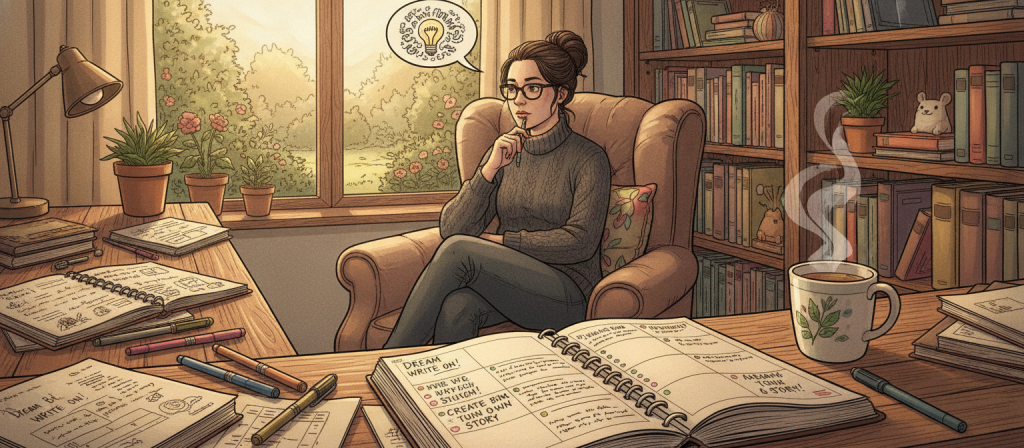
Using sensory prompts can really help focus. I like a warm drink and a special playlist to get me ready. These cues help quiet the noise and get my mind ready for writing.
Engaging your senses creates a clear boundary. This intentional preparation makes it easier to get into a flow state.
Simple Habits That Trigger Focus
I take a few minutes to organize my notes and tidy up my space before writing. A messy desk can mess with your mind. Taking a few minutes to get your thoughts in order helps you start strong.
You don’t need a big process to see results. Just opening your document and looking at your outline can be a strong mental anchor. This habit helps you know where to start.
Creating Consistency Through Repetition
The power of a ritual comes from doing it over and over. By doing the same actions every time, you create a mental trigger. Your brain starts to link these habits with writing.
Consistency is key to turning your ideas into a book. By repeating these steps, you make starting easier. Commit to your ritual, and your writing will become more consistent.
Managing Distractions and Interruptions
Even the most dedicated writers find it hard to ignore the world while writing. A simple notification or a chore can pull you away. To keep your focus, you must defend your writing space from distractions.
Digital Distractions
The internet is both a treasure trove and a trap. Setting a timer helps you stay on track. It stops you from getting lost in social media or email.
Think of your writing time as a special meeting. If you find it hard to stay focused, try turning off Wi-Fi. Or use website blockers. This keeps your mind on your writing.
Family and Work Responsibilities
Managing a book with family or work life is tough. Clear talk helps set boundaries with those around you. Let them know when you’re not to be disturbed.
Use a visual sign, like a closed door or headphones, to show you’re working. When people know you’re serious, they respect your space.
Protecting Your Writing Time
Organization fights off daily chaos. The best book writing software with ai keeps everything in one spot. It helps you organize book notes quickly, saving time.
A clean digital space reduces stress and helps you write. Protecting your time means keeping your area tidy. This clears your mind to finish your book.
Creating Accountability
Creating a lasting writing routine is not just about willpower. It’s about having a system of accountability. Treating your creative work like a job makes it harder to skip.
Want to make how to make novel writing a regular part of your life? Invite others to join you. This turns a solo task into a team effort, making it harder to give up.
Writing Partners and Critique Groups
Having a writing partner can really boost your productivity. You don’t need to pay for a coach. A friend with similar goals can be enough to keep you on track.
Critique groups provide a place to share your work and get feedback. This social pressure is a great motivator. Meeting a deadline with your group keeps your writing routine a priority.
Tracking Your Progress
Working alone? You can build accountability with data. I use a simple spreadsheet to track my daily word counts. Seeing my progress helps me stay focused on my goal.
There are apps that help you set streaks and track your output. Tracking your progress shows you how to write more efficiently. You can see which days you’re most productive and plan better.
Celebrating Small Wins
It’s easy to feel discouraged by a big book. But I celebrate the small victories. Finishing a tough chapter or reaching a weekly goal is important for my mental health.
Positive feedback helps build a habit loop for success. Rewarding yourself for showing up makes your brain associate the work with success. This keeps your writing routine exciting, even when inspiration fades.
The Psychology of Writing Habits
Building a career means you don’t need perfect conditions to write. Relying on willpower is not good because it changes with your mood. Instead, a steady writing routine helps when you feel no inspiration.
The Power of Showing Up
Maya Angelou said writing even simple sentences can bring inspiration. You don’t need a big idea to start. Just sitting down tells your brain it’s time to work.
Overcoming Internal Resistance
Resistance is normal when creating. Treat writing like a job, not a hobby. Following a writing routine makes starting easier. It turns writing into a habit that works without thinking.
Cultivating Long-Term Discipline
Real discipline comes when you see writing as a system, not your worth. Start small and be patient. Your hard work today will help you in the future.
FAQ
Why should I prioritize a consistent writing routine over waiting for a spark of inspiration?
Waiting for inspiration can lead to unfinished work. A writing routine is something you can count on. Famous authors like Honoré de Balzac wrote every day, even when they didn’t feel like it.
By writing every day, I tell my brain it’s time to work. It doesn’t matter how I feel.
What is the most effective way to plan a book that I will actually finish?
The best way to plan a book is to write at the same time every day. This way, you don’t have to decide if you’ll write. It becomes a habit.
Maya Angelou said showing up at your desk is key. It helps your creativity flow.
How can I effectively organize book notes and research without getting overwhelmed?
I used to get lost in papers and files. Now, I use Storyloft to keep everything in one place. It helps me stay focused on writing.
Keeping everything organized is important. It helps me avoid getting distracted.
What should I look for in the best book writing software with ai features?
Look for software that makes managing your project easier. Storyloft is great for organizing notes and timelines. It helps me stay on track.
The goal is to use technology to help your routine, not replace it.
Is it better to write for a long time once a week or for short periods daily?
Writing a little every day is better. It keeps your story fresh. Trying to write a lot at once can be hard.
Writing daily builds momentum. It’s harder to keep up with big sessions.
How do I set a sustainable word count goal that doesn’t lead to burnout?
Set small, achievable goals. This way, you can write even on busy days. It keeps writing enjoyable and helps you stay healthy.
Small, consistent gains add up. They help you finish your book.
How can I protect my writing time from digital distractions and family responsibilities?
Create a dedicated space and a clear routine. Use tools like Storyloft to keep your area clean. Set a timer to stay focused.
Tell your family about your writing time. Treat it like a job. This helps you stay disciplined and creative.