
Write an Ebook: Your Complete Guide to Digital Publishing
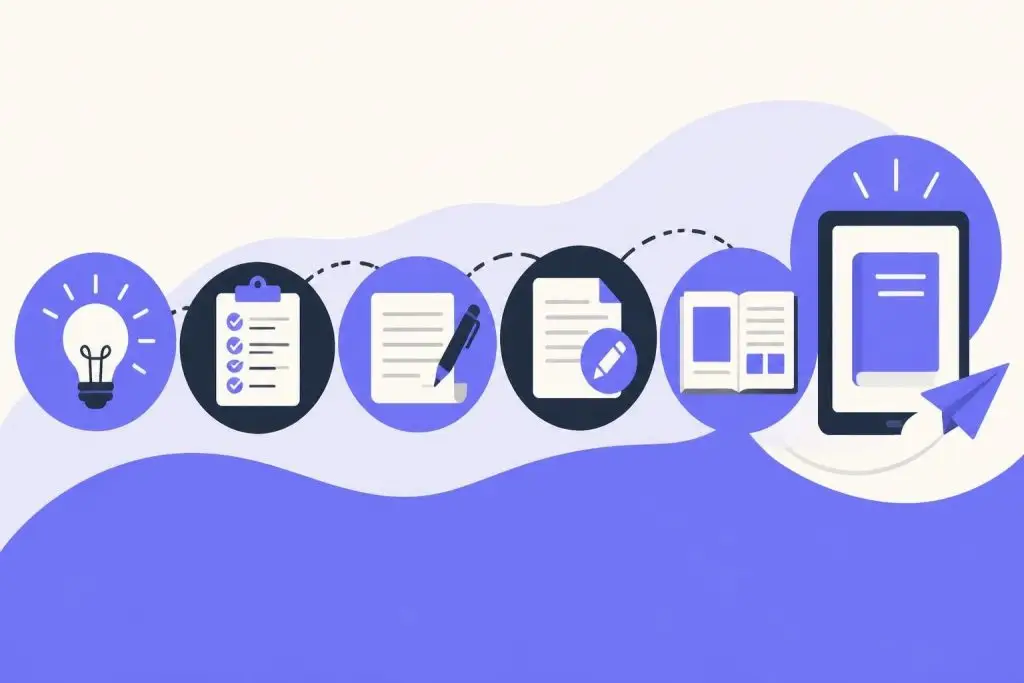
The moment I decided to write an ebook changed everything. I remember staring at my laptop screen, hands hovering over the keyboard, wondering if I could actually turn the ideas swirling in my head into something real. That hesitation lasted exactly three seconds before excitement took over. Writing an ebook isn't just about sharing knowledge or telling a story anymore. It's about building authority, creating passive income streams, and connecting with readers across the world. Whether you're a fiction writer crafting your first novel or an expert packaging your knowledge into a digital product, the path from blank page to published ebook follows a pattern you can master.
Understanding What Makes Ebooks Different
Ebooks aren't just printed books converted to digital files. They're living documents designed for screens, devices, and reading apps that reshape how audiences consume content.
The beauty of ebooks lies in their flexibility. Readers can adjust font sizes, bookmark passages, and carry entire libraries in their pockets. When you write an ebook, you're creating an experience that adapts to your reader's preferences rather than forcing them into a rigid format.
The Technical Foundation
Before you write a single word, understanding ebook formats saves headaches later. EPUB files work across most devices and retailers, while MOBI files (or the newer KFX format) serve Amazon's Kindle ecosystem. PDF ebooks maintain exact formatting but sacrifice the reflowable text that makes digital reading comfortable.
| Format | Best For | Advantages | Limitations |
|---|---|---|---|
| EPUB | Wide distribution | Universal compatibility | Formatting variations |
| MOBI/KFX | Amazon Kindle | Largest ebook market | Amazon-only |
| Fixed layouts | Exact design control | Poor reading experience |
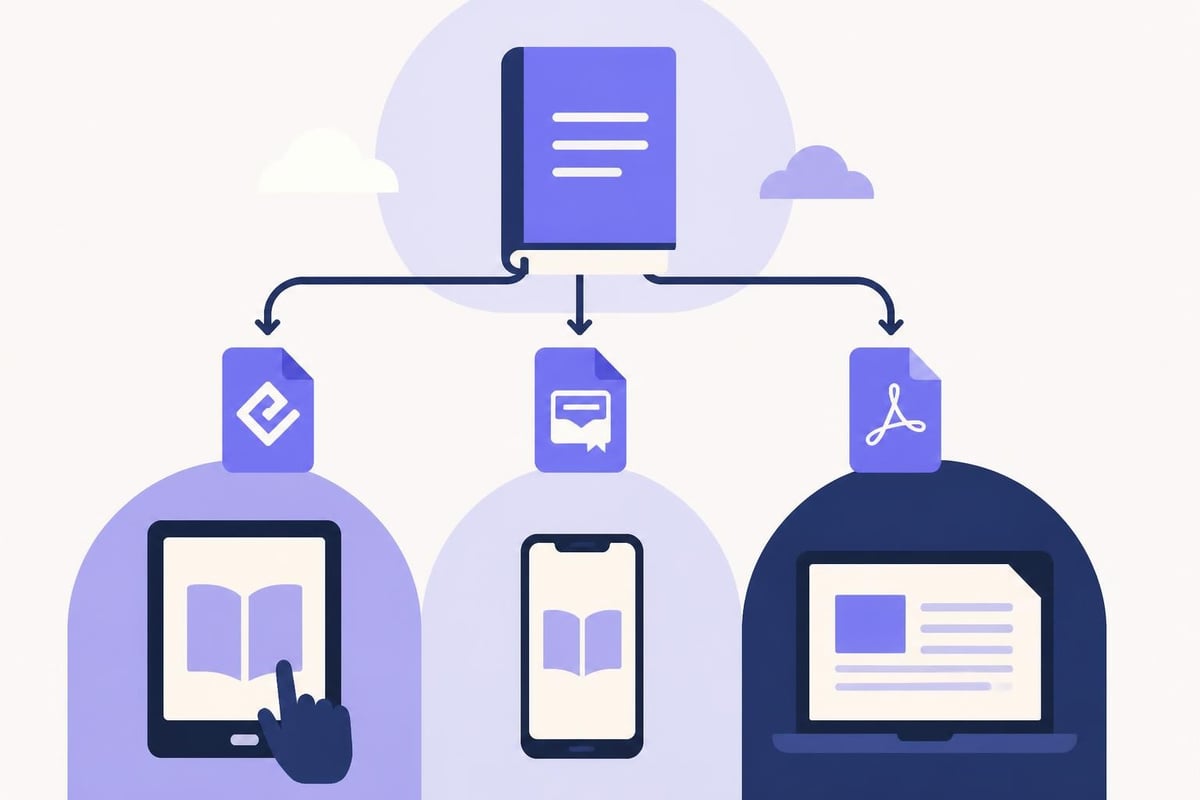
Most authors need both EPUB and Amazon-compatible formats. Understanding the differences between KDP and IngramSpark helps you plan which formats to prioritize based on your distribution strategy.
Choosing Your Ebook Topic and Audience
Every successful ebook starts with a clear answer to two questions: What am I writing about, and who desperately needs this information?
I've watched writers pour months into ebooks nobody wanted because they skipped this crucial step. The topic that excites you matters, but matching that passion with market demand determines whether anyone reads your work.
Validating Your Idea
- Search existing books: Browse Amazon, Apple Books, and Kobo to see what's already available
- Check social media discussions: Facebook groups, Reddit communities, and Twitter threads reveal what people ask about
- Survey your audience: If you have an email list or following, ask directly what they struggle with
- Analyze keyword searches: Tools like Google Trends show if people actively search for your topic
- Review competitor content: Identify gaps in existing ebooks you can fill uniquely
The sweet spot appears where your expertise intersects with audience pain points. When you write an ebook addressing a specific problem for a defined group, you create value people willingly pay for.
MakeUseOf’s comprehensive guide on writing ebooks emphasizes the importance of this preparation phase, noting that successful ebooks solve problems or fulfill desires.
Creating Your Ebook Outline
Outlines transform vague ideas into roadmaps. They're the difference between wandering through your writing and arriving at your destination efficiently.
I used to resist outlining, thinking it would stifle creativity. Then I spent six weeks rewriting chapters that didn't fit together. Never again.
Building Your Structure
Start with your end goal. What transformation do you want readers to experience? Work backward from that outcome to map the logical progression of ideas or events.
For nonfiction ebooks:
- Identify the core transformation: What changes between page one and the end?
- Break into major sections: Group related concepts into 5-8 main chapters
- List chapter objectives: Each chapter achieves one specific outcome
- Add supporting points: Bullet out examples, stories, and data under each chapter
- Sequence logically: Order chapters so each builds on previous knowledge
For fiction ebooks, outline major plot points, character arcs, and scene sequences. The snowflake method offers a structured approach many novelists swear by.
Your outline doesn't need perfection. It needs enough detail that you won't stare at blank pages wondering what comes next.
Writing Your First Draft
This is where many aspiring authors stall. The blank page intimidates. Perfectionism paralyzes. Self-doubt whispers that you're not good enough.
Push through anyway. First drafts exist to be terrible. Their only job is bringing your ideas from your head onto the page where you can actually work with them.
Daily Writing Habits That Work
When you write an ebook, consistency beats intensity. Writing 500 words daily for 40 days creates a 20,000-word ebook. Writing 5,000 words once every two weeks creates frustration and abandoned projects.
Protect your writing time. Schedule it like any important appointment. Turn off notifications. Close unnecessary browser tabs. Tell your family you're unavailable for the next hour.
The environment matters too. Some writers need coffee shop buzz. Others require silent rooms. Experiment until you find conditions where words flow naturally.
Stellar Content’s practical advice highlights maintaining originality and engaging your audience throughout the writing process, reminding authors that authentic voice matters more than perfect prose in early drafts.
Overcoming Writer's Block
When words won't come, change something. Switch locations. Write a different chapter. Record yourself speaking about the topic and transcribe later. Take a walk and return fresh.
Sometimes the block signals you're forcing content that doesn't belong. Review your outline. Does this section actually serve your readers, or are you including it because you think you should?
Editing and Refining Your Manuscript
Finishing your first draft deserves celebration. Pop champagne. Take a break. Then get ready for the real work.
Editing transforms rough drafts into polished manuscripts. It's where good ebooks become great ones.
The Multi-Pass Approach
Trying to fix everything at once overwhelms and misses problems. Professional editors use multiple passes, each focusing on specific elements:
- Structural edit: Does the overall organization work? Do chapters flow logically?
- Content edit: Is information accurate, complete, and relevant?
- Line edit: Does each sentence communicate clearly and engagingly?
- Copy edit: Are grammar, punctuation, and spelling correct?
- Proofread: Final pass catching remaining typos and formatting issues
Between passes, wait at least a few days. Distance helps you spot issues invisible when you're too close to the text.
Modern AI manuscript editors can accelerate this process by identifying pacing issues, consistency problems, and prose weaknesses while preserving your unique voice. They won't replace human judgment, but they catch patterns you might miss.
Formatting Your Ebook Professionally
Amateur formatting screams "amateur book" louder than anything else. Readers expect professional presentation even from indie authors.
When you write an ebook, formatting decisions impact readability across devices. Inconsistent heading styles, random font changes, and broken page breaks frustrate readers and generate bad reviews.
Essential Formatting Elements
Chapter headings need consistent styling throughout. Choose hierarchy (H1 for parts, H2 for chapters, H3 for sections) and stick with it.
Paragraph spacing improves readability. Either indent first lines OR add space between paragraphs, never both. Most ebooks use space without indents.
Front matter includes title page, copyright page, dedication, and table of contents. Back matter adds author bio, acknowledgments, and calls to action for newsletter signups or other books.
| Front Matter | Required? | Purpose |
|---|---|---|
| Title Page | Yes | Professional presentation |
| Copyright | Yes | Legal protection |
| Table of Contents | Recommended | Navigation |
| Dedication | Optional | Personal touch |
Images and graphics need proper resolution (at least 300 DPI for print-quality) and file size optimization for ebook delivery. Position images inline with relevant text, not floating randomly.
Todaymade’s design guide offers detailed steps for creating visually appealing layouts that work across reading platforms.
For authors juggling multiple aspects of book creation, Storyloft for Authors integrates writing, editing, and formatting tools in one platform, letting you generate print-ready PDFs and ebooks formatted for KDP and IngramSpark without switching between different programs.

Designing Your Ebook Cover
Readers judge books by covers, especially in digital marketplaces where thumbnails compete for attention in crowded search results.
Your cover needs to communicate genre, tone, and quality at thumbnail size. The beautiful details you can see at full size disappear when displayed at 200×300 pixels.
Cover Design Principles
Typography matters immensely. Your title must remain readable at small sizes. Avoid thin fonts, excessive decorative elements, and light colors on light backgrounds.
Genre conventions guide reader expectations. Romance readers expect specific visual cues. Thriller covers use different design language than self-help ebooks. Study bestsellers in your category.
Professional quality separates published from amateur. If design isn't your strength, hire a professional or use quality pre-made templates. Your cover represents significant marketing investment, not an expense to minimize.
Publishing and Distribution Platforms
You've written, edited, and formatted your ebook. Now you need readers to find it.
Publishing platforms vary in reach, royalty rates, and distribution capabilities. Most authors use multiple channels to maximize visibility.
Major Platform Options
Amazon KDP dominates ebook sales globally, offering up to 70% royalties and access to Kindle Unlimited subscribers. The trade-off? Exclusivity requirements if you want the highest royalty rate.
Draft2Digital distributes to Apple Books, Kobo, Barnes & Noble, and other retailers through a single upload, simplifying wide distribution.
Google Play Books and Kobo Writing Life let you publish directly, giving you control and additional distribution points.
IngramSpark reaches libraries and bookstores, important for building credibility and accessing institutional buyers.
Search Engine Journal’s promotion guide emphasizes that publishing is just the beginning, quality content needs effective marketing strategies.
When you write an ebook, publishing simultaneously across platforms maximizes discoverability unless you're enrolled in Kindle Select (which requires Amazon exclusivity).
Pricing Your Ebook Strategically
Price signals value but also affects visibility and profit margins. Platform algorithms and reader psychology make pricing more complex than simple cost calculations.
Lower prices ($0.99-$2.99) encourage impulse purchases and help new authors build readership. You'll sell more copies but earn less per sale.
Mid-range prices ($4.99-$9.99) position your ebook as professional quality worth investing in. This range typically maximizes overall revenue for established authors.
Premium prices ($10+) work for specialized knowledge, comprehensive guides, or authors with strong brand recognition.
Testing and Adjusting
- Start with competitive pricing for your genre and length
- Monitor sales velocity and ranking changes
- Test price increases after gathering reviews
- Use temporary promotions to boost visibility
- Track long-term revenue, not just per-book profit
Amazon's 70% royalty rate applies only to ebooks priced between $2.99 and $9.99, creating a sweet spot most authors target.
Marketing Your Ebook Effectively
The "build it and they will come" approach fails spectacularly with ebooks. Millions of titles compete for attention. Marketing separates books readers discover from those languishing in obscurity.
Pre-Launch Strategies
Building anticipation before your ebook goes live creates momentum. Share cover reveals on social media. Offer preview chapters to your email list. Recruit advance readers who'll post reviews on launch day.
Email lists remain the most valuable marketing asset authors own. Differ’s essential tips emphasize knowing your audience and building direct connections before launch.
Social media promotion works when you provide value beyond "buy my book" posts. Share writing journey stories, helpful tips related to your topic, and genuine engagement with your niche community.
Post-Launch Promotion
- Amazon Ads target readers browsing related books
- BookBub promotions reach dedicated ebook readers
- Cross-promotions with other authors expand your audience
- Content marketing through blogs, podcasts, or YouTube establishes authority
- Review campaigns build social proof that converts browsers to buyers
When you write an ebook, marketing becomes ongoing work, not a one-time effort. Consistent visibility compounds over time.
Leveraging Ebooks for Business Growth
Smart authors view ebooks as business assets beyond direct sales revenue. They generate leads, establish expertise, and create opportunities traditional books can't match.
Lead magnets trade free ebook chapters or companion guides for email addresses, building your marketing list.
Authority building positions you as the expert in your field, opening doors to speaking engagements, consulting work, and media opportunities.
Product ecosystems turn single ebooks into series, courses, coaching programs, and related offerings that multiply revenue streams.
Updated editions let you refresh content, add new chapters, and relaunch to existing audiences, something impossible with traditional print-only publishing.
Tools and Software for Ebook Creation
The right tools streamline writing, editing, and formatting. When you write an ebook, your software choices impact efficiency and final quality.
Writing software ranges from simple word processors to specialized platforms. Rephrasely’s writing tips emphasize maintaining unique voice, something AI-powered writing platforms can enhance rather than replace.
Formatting tools convert manuscripts into distribution-ready files. Print book formatting capabilities matter if you plan paperback or hardcover versions alongside your ebook.
Design software creates covers and interior graphics. Canva offers templates for beginners. Professional designers use Adobe Creative Suite.
Project management tools track progress, organize research, and manage deadlines. Many authors use dedicated book writing apps that integrate outlining, writing, and publishing workflows.
Common Mistakes to Avoid
Learning from others' mistakes saves time and frustration. When you write an ebook, these pitfalls trip up beginners repeatedly.
Skipping the outline leads to meandering content that loses readers. Structure your ideas before writing paragraphs.
Ignoring your audience produces ebooks that interest you but solve no one's problems. Write for readers, not yourself.
Rushing the editing publishes amateur work that damages your reputation. Quality control protects your brand.
Neglecting metadata hides your ebook from potential readers. Keywords, categories, and descriptions determine discoverability.
Forgetting mobile readers creates formatting that works on computers but breaks on phones and tablets where most people read ebooks.
Launching without reviews means low conversion rates. Gather honest feedback before going live.
Shopify’s comprehensive guide walks through common pitfalls in research, drafting, and design phases, helping entrepreneurs avoid costly delays.
Measuring Success and Iterating
Publishing your ebook isn't the finish line. Tracking performance and adapting based on data separates one-book authors from sustainable publishing businesses.
Key Metrics to Monitor
- Sales velocity: How many copies sell daily/weekly?
- Conversion rate: What percentage of page visitors purchase?
- Read-through rate: Do readers finish your ebook or abandon it?
- Review ratings: What do readers praise or criticize?
- Revenue trends: Is income increasing, stable, or declining?
Use this data to improve future ebooks and optimize current ones. Low conversion might signal cover or description problems. Poor reviews pointing to specific chapters identify editing opportunities.
When you write an ebook, you're entering an iterative process. Each book teaches lessons you apply to the next one, gradually improving craft, marketing, and business strategy.
Building Long-Term Success
Sustainable ebook authorship comes from systems, not single successes. One viral hit feels amazing but doesn't build careers. Consistent output, growing audience relationships, and improving craft create lasting businesses.
Publishing schedules keep you visible. Readers forget authors who disappear for years between releases.
Series and sequels leverage existing audience investment. Readers who love book one eagerly buy book two.
Community building creates superfans who promote your work organically. Engage authentically with readers who take time to reach out.
Skill development never stops. Attend workshops, study craft books, analyze bestsellers in your genre, and experiment with new techniques.
The authors succeeding in 2026 treat ebook writing as professional craft requiring continuous learning, strategic thinking, and reader-focused creation. They understand that when you write an ebook, you're building relationships with readers, not just creating digital files.
Your ebook journey will look different than mine or anyone else's. The specific path matters less than committing to the process, learning from feedback, and improving with each project. The distance between aspiring author and published writer shrinks to nothing the moment you decide to start and follow through consistently.
Writing an ebook combines creative craft with strategic business thinking, requiring planning, persistence, and willingness to learn. Whether you're sharing expertise or crafting fiction, the tools and platforms available in 2026 make professional publishing accessible to anyone committed to the process. Storyloft brings together everything authors need in one platform: AI-powered editing that preserves your voice, professional formatting for all distribution channels, and publishing tools that turn manuscripts into market-ready books. Start writing your ebook today and discover how the right tools transform possibilities into published reality.