
Master the art of persuasive writing with our comprehensive guide to rhetoric. Learn how to use classical rhetorical strategies and prose rhythm to strengthen your manuscript and captivate your readers.
Sentence-Level Rhetoric: Mastering Parallelism, Chiasmus, Tricolon, and Prose Rhythm
Master the art of sentence-level rhetoric to create compelling prose. This guide explores how tricolon, chiasmus, and syntax control reader engagement and emotional impact.
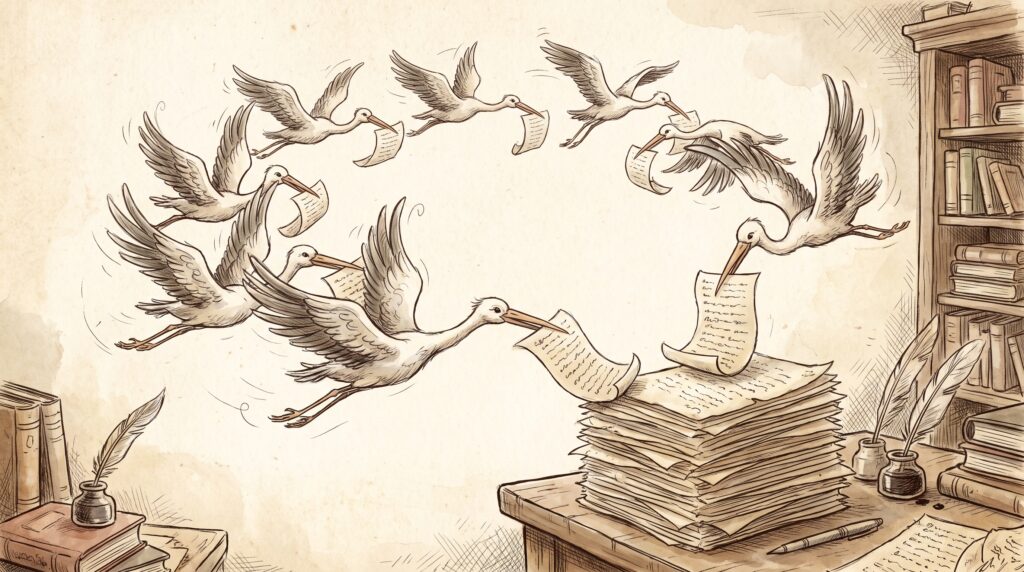
How to Write an 80,000+ Word Novel Without Word or Google Docs: Best Software for Massive Books
Struggling with laggy word processors while writing your novel? Discover why professional book authoring software is the superior choice for managing large manuscripts.

The Modern Author’s Workspace: The Definitive Guide to Long-Form Book Writing Software (Beyond Word & Scrivener)
Discover the best book writing software to streamline your workflow. We explore modern alternatives to Scrivener that unify drafting, design, and publishing.

What Fiction Authors Use Instead of Google Docs: Ditching the Franken-Stack for Purpose-Built Book Apps
Discover why modern novelists are ditching Google Docs for professional platforms. Learn how purpose-built fiction writing software eliminates technical limits and simplifies the publishing workflow.
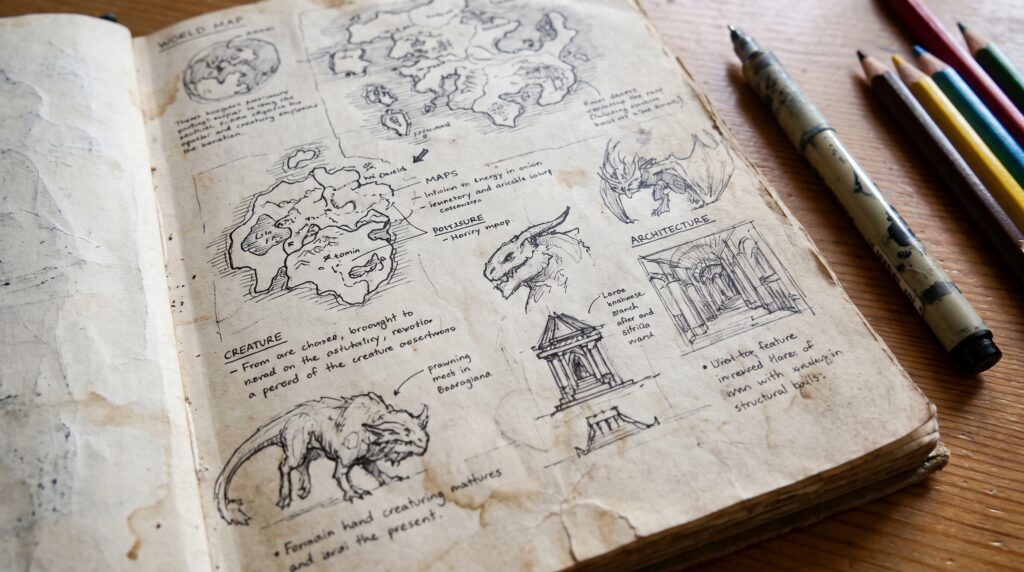
Modern Book Writing Apps with Built-In Planning: Unifying Outlining, Worldbuilding, and Drafting
Discover how modern book writing tools are replacing fragmented workflows with unified platforms. Learn how integrated planning, worldbuilding, and drafting features help you maintain creative momentum and finish your manuscript faster.
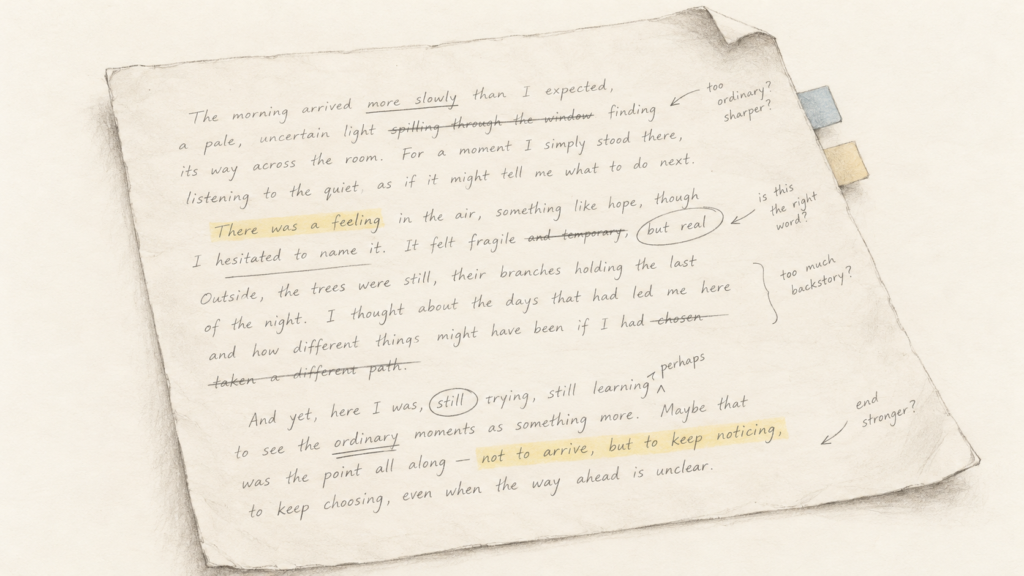
The Modern Author’s Workspace: The Definitive Guide to Long-Form Book Writing Software (Beyond Word & Scrivener)
Discover the best book writing software to streamline your workflow. We explore modern alternatives to Scrivener that unify drafting, design, and publishing.
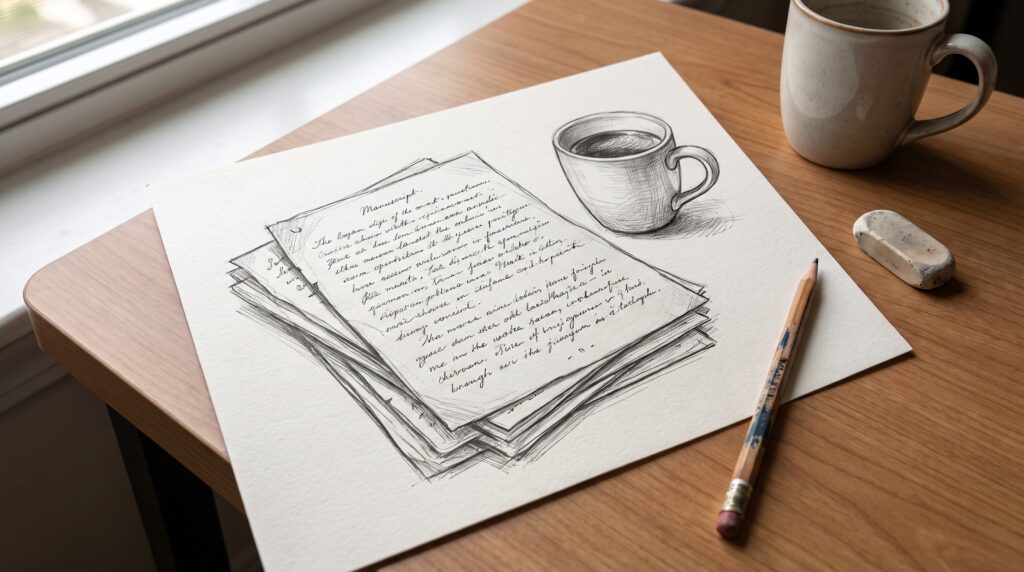
Scrivener Alternatives for Authors: Writing Power Without the 10-Hour Learning Curve
Tired of the complex learning curve of legacy writing software? Explore the best Scrivener alternatives for 2026 that offer professional power without the administrative headache.
Preface vs Introduction: How to Position Your Book
You're revising the opening pages of your book and have reached an awkward question: should this material be called a preface or an introduction? Both appear near the front, both can explain what readers are about to encounter, and both may seem like an invitation into the book. The label becomes easier once you stop […]
10 Names for a Character by Story Style
What if the best name for a character isn't the one that sounds most beautiful, but the one that changes what readers expect before the character speaks? A strong name can signal role, culture, class, era, personality, or hidden history. It can make a hero feel ordinary enough to trust, give an antagonist an unsettling […]