
Author and Editor: The Essential Writing Partnership

Every great book begins with a writer staring at a blank page, but it rarely reaches readers without someone else's discerning eye. The relationship between an author and editor is one of publishing's most critical partnerships, yet it's often misunderstood. Some writers view editors as gatekeepers wielding red pens like weapons, while others see them as collaborative partners who elevate their work beyond what they imagined possible. The truth lies somewhere in between, shaped by mutual respect, clear communication, and a shared commitment to making every sentence sing. Understanding this dynamic can transform how you approach your manuscript and ultimately determine whether your book reaches its full potential.
The Fundamental Roles in the Creative Process
An author brings the vision, the raw creative energy, and the unique voice that makes a manuscript distinct. Writers pour their experiences, research, imagination, and countless hours into crafting stories or presenting information that resonates with readers. They own the creative direction and maintain final authority over their work.
Meanwhile, editors serve as professional readers who bring objectivity and expertise to manuscripts. They identify structural weaknesses, catch inconsistencies, question unclear passages, and spot patterns the author might miss after months of close work. The collaborative process between authors and editors has evolved over centuries, but the core principle remains unchanged: two perspectives working together produce stronger results than either could achieve alone.
Different Editorial Voices, Different Purposes
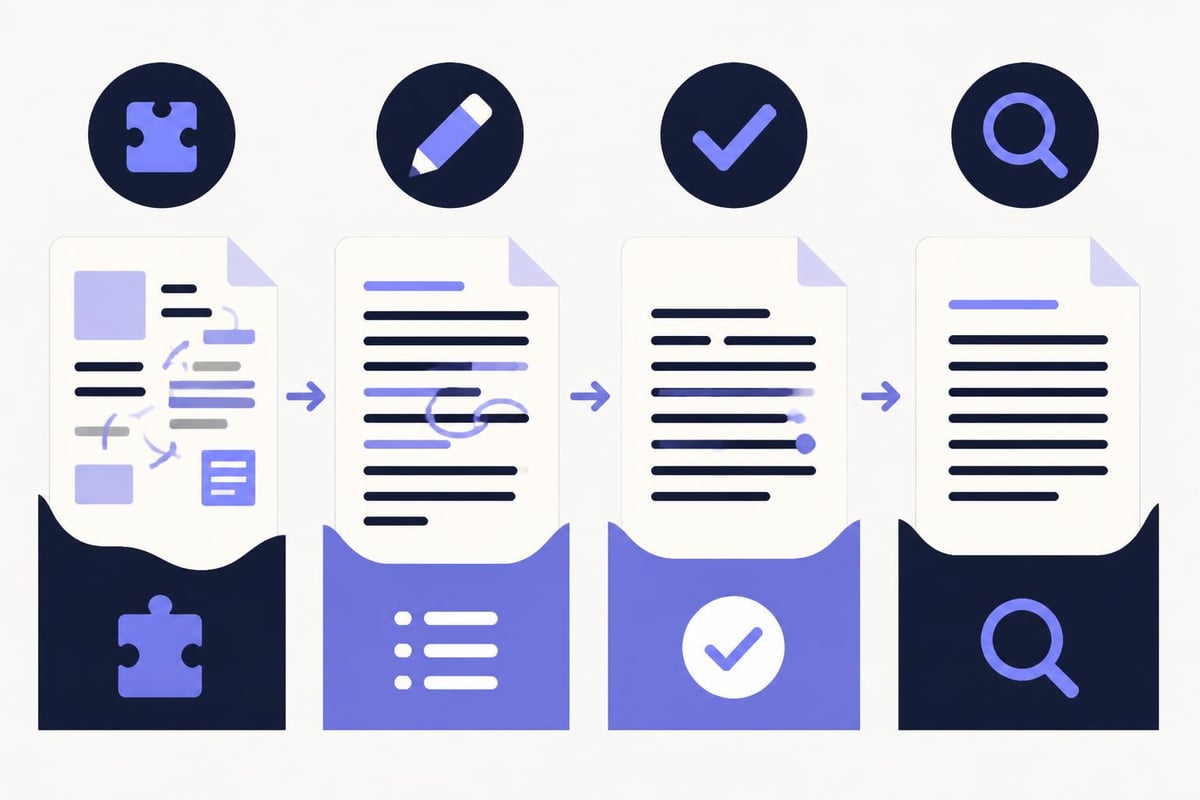
Not all editors perform the same function, and understanding these distinctions helps authors know what to expect:
- Developmental editors focus on big-picture elements like structure, pacing, character arcs, and argument flow
- Line editors refine prose at the sentence and paragraph level, improving clarity and style
- Copy editors address grammar, punctuation, consistency, and technical correctness
- Proofreaders catch final errors before publication
Each editorial layer adds value, though not every manuscript requires all types of editing. A skilled author and editor partnership begins with clarity about which editorial services the project needs and when.
Building Trust Through Clear Communication
The most productive author and editor relationships rest on a foundation of transparent communication from the very first interaction. Before any red ink touches the page, both parties benefit from discussing expectations, timelines, communication preferences, and the manuscript's goals.
I remember working on my first novel, convinced that my prose was nearly perfect. When my editor's initial notes arrived, I felt defensive about suggestions that seemed to challenge my artistic vision. But once I stepped back and actually engaged with the feedback, I realized she wasn't attacking my work-she was asking questions that made me think deeper about character motivations and plot logic. That shift in perspective changed everything.
Essential Conversations to Have Upfront
Smart authors initiate key discussions before the editing process begins:
- Define the manuscript's goals: Who is the target audience? What should readers take away? What comparable titles does this resemble?
- Establish boundaries: Which elements are non-negotiable? Where is the author open to significant changes?
- Agree on communication methods: Email for detailed feedback? Video calls for big-picture discussions? Shared documents with inline comments?
- Set realistic timelines: How long will each revision round take? What are the hard deadlines?
- Clarify decision-making authority: How will disagreements be resolved?
According to insights from professional editing guides, misaligned expectations cause more relationship breakdowns than actual editorial differences. When both the author and editor understand their roles and responsibilities from the start, the process flows more smoothly.
Navigating the Feedback Process
Receiving editorial feedback is an emotional experience, even for seasoned writers. You've invested months or years into a manuscript, and someone is telling you what doesn't work. The key is separating your ego from your work-easier said than done, but essential for growth.
Professional editors understand this emotional dimension. They frame feedback constructively, balance criticism with recognition of strengths, and explain the reasoning behind suggestions rather than simply demanding changes. The best editorial relationships involve genuine dialogue, not one-directional critique.
How to Process Editorial Feedback Effectively
When you receive notes from your editor, resist the urge to respond immediately:
- Read through all feedback once without making changes to understand the overall scope
- Sleep on significant suggestions before accepting or rejecting them
- Look for patterns in the feedback that reveal systemic issues versus isolated problems
- Ask questions when you don't understand the reasoning behind a suggestion
- Test proposed changes by revising a sample section before applying them throughout
The revision process typically involves multiple rounds, with each pass addressing different concerns. Developmental changes come first, then line-level refinements, followed by copyediting and proofreading.
| Revision Round | Focus Areas | Expected Timeline | Typical Changes |
|---|---|---|---|
| First Pass | Structure, pacing, major plot/argument issues | 2-4 weeks | Reorganizing chapters, cutting scenes, expanding underdeveloped sections |
| Second Pass | Character development, transitions, prose clarity | 1-3 weeks | Deepening motivations, smoothing connections, clarifying confusing passages |
| Third Pass | Sentence-level polish, consistency checks | 1-2 weeks | Refining word choice, fixing continuity errors, adjusting tone |
| Final Review | Grammar, punctuation, formatting | 3-7 days | Correcting technical errors, standardizing style |
When Perspectives Diverge
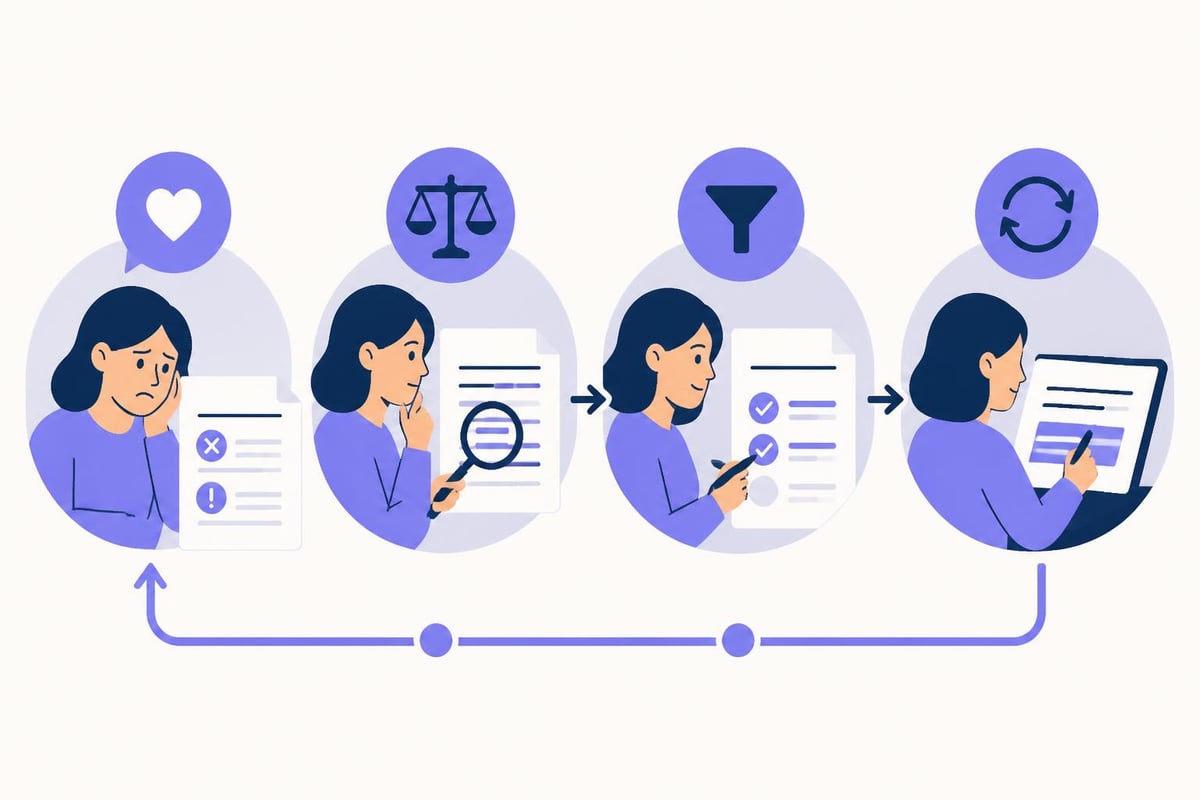
Even in healthy author and editor relationships, disagreements arise. Maybe your editor wants to cut your favorite scene. Perhaps they're suggesting a character change that feels fundamentally wrong to your vision. These moments test the partnership but don't have to break it.
Research on editor-author dynamics reveals that power struggles often stem from unclear decision-making processes rather than irreconcilable creative differences. When you establish upfront that the author maintains final authority while the editor provides expert guidance, most conflicts become manageable.
Strategies for Resolving Creative Differences
When you and your editor see things differently, try these approaches:
Seek to understand first: Ask your editor to elaborate on why they're suggesting a change. What problem are they trying to solve? Sometimes the specific solution they propose isn't right, but the underlying issue they've identified is valid.
Propose alternatives: If you disagree with a suggested change, offer your own solution to the problem they've raised. This shows you're taking their concerns seriously while maintaining creative control.
Get outside perspective: When you're truly stuck, a beta reader or fellow author can provide a tiebreaking opinion.
Remember the reader: Both author and editor serve the ultimate reader. Frame decisions around what makes the reading experience better.
The most successful authors I know treat their editors as collaborators who genuinely want the book to succeed. That mindset shift transforms potentially adversarial moments into productive problem-solving sessions.
Finding Your Ideal Editorial Partner
Not every editor suits every author. Editorial relationships work best when there's compatibility in communication style, genre expertise, and editorial philosophy. An editor who excels with literary fiction might struggle with technical nonfiction. Someone who provides gentle, encouraging feedback might not satisfy an author who wants brutally honest critique.
When searching for an editor, look beyond credentials to find someone who understands your genre and respects your voice. According to experiences shared in author-editor relationship articles, the best partnerships involve editors who challenge you while honoring your creative vision.
Questions to Ask Potential Editors
Before committing to an editorial relationship, interview candidates:
- What genres and types of manuscripts do you most enjoy editing?
- Can you describe your editorial philosophy and approach to author collaboration?
- How do you balance preserving an author's voice with making necessary improvements?
- What does your typical feedback process look like?
- Can you provide samples of your editorial work or references from past clients?
- What's your turnaround time, and how do you handle revisions?
Many editors offer sample edits of a few pages, giving you a taste of their style before you invest in a full manuscript review. Take advantage of this opportunity to assess compatibility.
Technology and the Modern Editorial Partnership
The traditional image of an author and editor passing marked-up manuscripts back and forth has evolved significantly. Today's editorial relationships leverage technology to streamline communication and revision tracking. However, technology should enhance the human connection, not replace it.
Modern writing platforms integrate editorial features directly into the writing environment. For instance, AI-powered tools can provide immediate feedback on pacing, consistency, and prose while you write. This doesn't eliminate the need for human editors but changes the timing and focus of their involvement.
Storyloft for Authors combines manuscript writing with Eddy, an AI editor trained to preserve your unique voice while helping with pacing, structure, consistency, and prose. This integrated approach lets you receive continuous feedback throughout the writing process rather than waiting until you've completed a full draft.

Balancing AI Assistance with Human Expertise
The relationship between author and editor continues to evolve as artificial intelligence enters the picture:
| Editorial Aspect | AI Strengths | Human Editor Strengths |
|---|---|---|
| Consistency | Catching naming errors, timeline issues, repeated phrases | Understanding intentional repetition, thematic echoes |
| Pacing | Identifying sentence length patterns, chapter length variation | Evaluating emotional impact, tension building |
| Structure | Spotting missing scenes, incomplete arcs | Assessing overall narrative satisfaction, thematic coherence |
| Voice | Maintaining consistency within established patterns | Developing and strengthening unique authorial voice |
| Creativity | Generating alternative phrasing options | Suggesting innovative solutions to complex story problems |
Smart authors use AI tools for immediate, continuous feedback during drafting, then bring human editors in for deeper developmental and creative guidance. This layered approach makes the most of both technological efficiency and human insight.

The Editorial Relationship Across Publishing Paths
Whether you're pursuing traditional publishing or self-publishing, the author and editor dynamic remains important, though it manifests differently. Traditional publishers typically assign editors to acquired manuscripts, while self-published authors must find and hire their own editorial support.
Insights into author-publisher relationships reveal that traditionally published authors have less control over who edits their work but benefit from experienced professionals invested in the book's success. Self-published authors enjoy complete editorial freedom but must vet editors carefully and manage the relationship independently.
Making Editorial Decisions as a Self-Published Author
When you're managing your own publishing journey, editorial choices become your responsibility:
- Budget appropriately: Professional editing is an investment, not an expense. Quality editing directly impacts reader satisfaction and reviews.
- Sequence services correctly: Developmental editing before line editing before copyediting saves money and produces better results.
- Trust expertise while maintaining vision: You hired an editor for their skills, so take recommendations seriously without surrendering creative control.
- Maintain professionalism: Treat your editor as a business partner, meeting deadlines and communicating promptly.
For authors working on fiction manuscripts, understanding genre-specific editorial expectations helps you find editors familiar with reader expectations in your category. Fantasy readers expect detailed world-building, while thriller readers prioritize pace-your editor should understand these nuances.
Preserving Your Voice Through the Editorial Process
One of the biggest fears authors express about working with editors is losing their distinctive voice. Will heavy editing sand away the unique qualities that make your writing yours? This concern is valid, which is why choosing an editor who respects authorial voice is crucial.
According to expert guidance on author-editor collaboration, the best editors don't impose a house style or try to rewrite your manuscript in their voice. Instead, they identify where your intended voice doesn't come through clearly and suggest ways to amplify your natural strengths.
Voice Preservation Strategies
Maintain your distinctive style throughout editing:
Be explicit about voice elements you consider essential: If you intentionally use sentence fragments for effect, tell your editor. If your narrator's casual tone includes specific quirks, point those out.
Review changes in context: Sometimes a sentence-level suggestion looks wrong in isolation but works beautifully in the full paragraph. Always evaluate edits within their surrounding text.
Speak sections aloud: Your voice has a rhythm. Read revised passages out loud to ensure they still sound like you.
Preserve your strengths: If your editor consistently praises your dialogue but critiques your descriptions, focus revision energy on descriptions while maintaining what already works.
The editorial process should make your voice clearer and more consistent, not different. A skilled author and editor team achieves this by establishing voice guidelines early and referring back to them throughout revisions.
Long-Term Editorial Partnerships
Many successful authors work with the same editor across multiple books, developing a shorthand and deep understanding that accelerates the process with each project. These long-term relationships offer tremendous advantages but also require ongoing maintenance.
Your editor learns your tendencies, your blind spots, and your strengths. They anticipate issues you're likely to face and provide targeted guidance. You, in turn, learn to interpret their feedback more accurately and implement suggestions more effectively.
Nurturing Ongoing Editorial Relationships
Keep long-term partnerships productive:
- Provide credit: Acknowledge your editor in your book (if they're comfortable with public recognition) and recommend them to fellow authors
- Stay connected between projects: Occasional check-ins maintain the relationship and keep your editor informed about your evolving goals
- Respect their time: Give adequate notice for new projects and understand that good editors book up months in advance
- Grow together: As you develop as a writer, discuss how editorial needs might shift with each book
The insights shared in discussions about author-editor relationships emphasize that mutual respect and shared commitment to excellence form the foundation of these enduring partnerships.
Editorial Ethics and Professional Boundaries
Professional author and editor relationships operate within ethical boundaries that protect both parties. Editors maintain confidentiality about your unpublished work, provide honest feedback even when it's difficult to deliver, and avoid conflicts of interest. Authors, in turn, respect editors' time and expertise, pay fairly for services rendered, and credit editorial contributions appropriately.
Understanding these professional standards prevents misunderstandings and ensures the relationship remains productive. When both parties approach the collaboration with integrity and professionalism, the manuscript benefits.
Red Flags in Editorial Relationships
Watch for warning signs that indicate an unhealthy dynamic:
- Editors who rewrite extensively without explaining why changes improve the manuscript
- Professionals who promise to "fix everything" without involving you in the revision process
- Editors who disparage your work rather than providing constructive criticism
- Anyone who guarantees specific publishing outcomes based on editorial work
- Professionals who pressure you to use additional services or make hasty decisions
Conversely, authors who repeatedly ignore all feedback, miss deadlines without communication, or expect editors to ghostwrite rather than edit create unsustainable partnerships. The best editorial relationships involve two professionals who respect each other's expertise and time.
The Personal Growth Aspect
Beyond improving individual manuscripts, working with a skilled editor develops your craft over time. You begin to internalize their questions and apply them during drafting. Plot holes you might have missed in earlier work become visible before you even finish the first draft. Your prose tightens naturally as you absorb lessons from previous editorial rounds.
This educational dimension transforms the author and editor relationship from a service transaction into a mentorship. Each project leaves you better equipped for the next one. The investment in professional editing pays dividends across your entire writing career.
The partnership between author and editor represents one of publishing's most valuable collaborations, transforming good manuscripts into exceptional books through mutual respect and shared commitment to excellence. By approaching this relationship with clear communication, openness to feedback, and professional integrity, you position your work for success while growing as a writer. Storyloft streamlines this entire process by combining manuscript writing, AI-powered editing from Eddy that preserves your voice, and professional formatting tools in one integrated platform. Whether you're drafting your first novel or polishing your latest nonfiction work, Storyloft gives you the editorial support and publishing tools you need to bring your vision to life.