
Common Mistakes Authors Make Before They Start Writing
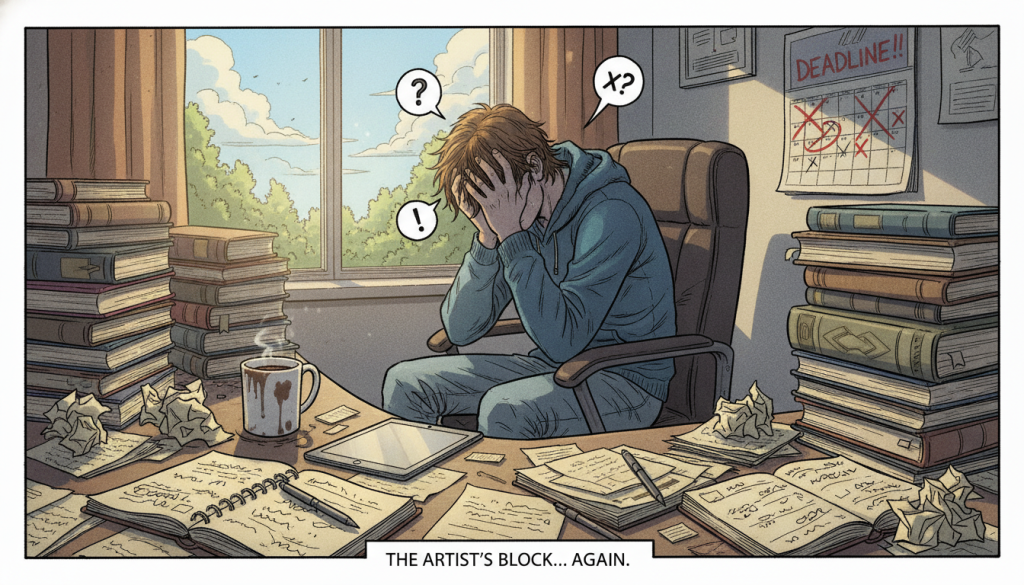
I sat down to write my first novel with a blank screen. I had a big dream. I was wrong to spend three weeks picking the perfect font and organizing my desk.
Many of us get stuck because we’re scared of the blank page. To avoid these beginner writer mistakes, focus on the writing itself. My journey showed me that getting ready is about starting a habit, not being perfect.
Identifying these hurdles early sets a strong base for your book. Changing your mindset makes writing a fun journey. Let’s look at how to avoid these mistakes so you can finish your book.
Key Takeaways
- Prioritize your daily word count over perfecting your workspace or font choices.
- Avoid the urge to edit your prose while you are stil drafting the story.
- Focus on developing deep internal motivations for your characters to keep readers engaged.
- Ensure your plot points follow a logical cause-and-effect structure to maintain momentum.
- Stay true to your unique voice instead of trying to mimic the style of others.
- Concentrate on immediate milestones instead of worrying about future publishing steps.
Introduction
I learned the hard way that beginner writer mistakes often start before you even write. You might think the biggest challenges are finding the right words or ending. But, it’s often the start that has the biggest errors.
Why Most Writing Problems Begin Before Chapter One
Authors often struggle because they lack a cohesive system for their ideas. Trying to manage characters, plot, and research in different places can confuse you. This makes it hard to keep your story’s voice consistent.
The Cost of Poor Preparation
Poor preparation can mean your project never gets done. When you use too many tools that don’t work together, it’s hard to stay creative. This makes writing feel like a job, not something you love.
How Small Mistakes Become Big Obstacles
I once wrote in a way that jumped between characters without realizing it. It was a big mistake because I didn’t know about point of view. Small mistakes like this can grow into big problems that make you give up.
Storyloft was made to help writers avoid these mistakes. It lets you keep everything in one place, which helps avoid burnout. Managing your moving pieces in one place helps your story stay on track from the start.
How Authors Prepared Books Throughout History
Learning about how authors worked in the past helps us avoid common writing errors today. Looking at history, I’m amazed by the discipline needed to finish a book without today’s tech.
Planning Before Computers
Before word processors, writers used physical tools. Authors like Ernest Hemingway and Virginia Woolf used meticulous filing systems and notebooks. They tracked characters and notes by hand.
“The first draft of anything is shit.”
This old way made writers very careful with their words. They couldn’t just delete or change things easily. So, they planned their stories very carefully.
The Evolution of Author Workflows
Going from paper to digital has changed how we organize info. But the core need for organization is the same. Now, we use apps like Scrivener or Notion, but the goal is the same.
- Physical index cards are now digital databases.
- Handwritten journals are now cloud-synced notes.
- Manual filing cabinets are now organized folders.
Even with new tech, keeping focus is a big challenge for writers.
What Modern Writers Can Learn From the Past
Historical methods teach us a lot. Even famous writers needed a plan to manage their work. Without a clear plan, you might make common writing errors that slow you down.
Consistency is the secret ingredient that connects the past to now. By using old methods with new tech, we can make writing more reliable and efficient.
Mistake #1: Starting Without a Clear Book Idea
I learned the hard way that a loose idea is not enough. My first manuscript tried to pack too much into one book. This is a big common writing error that makes stories messy and hard to follow.
The Difference Between an Idea and a Concept
An idea is just a “what if” or a cool character trait. But a concept ties your story together. Without a clear concept, you’re lost.
“A story is a promise made to the reader, and a clear concept is how you keep that promise.”
Validating Your Book Idea
Make sure your idea can fill a whole book before you start writing. If you can’t sum up your story in a few sentences, it needs work. Checking your idea early helps you avoid common writing errors that slow you down.
- Does your idea have a clear central conflict?
- Can you identify the main character’s primary goal?
- Is there enough tension to carry the reader through every chapter?
Knowing What Makes Your Story Unique
Every genre is full, so you must know what makes your story special. Focusing on what’s unique makes your story more engaging. When you know your distinct voice and perspective, you can stand out.
Sharpening your vision early saves you from rewriting later. A strong start helps you avoid common writing errors and keeps your creative journey on track.
Mistake #2: Skipping the Planning Process
Ever felt like your story is getting away from you? You might be falling into a common writer pitfall. It’s tempting to start typing without planning, but it usually leads to a messy story.
Without planning, you can’t see the big picture. You might start strong, but then lose direction. This happens when you don’t know where your story is going.
Why Some Planning Matters
Planning doesn’t stifle creativity; it builds a strong foundation. A good plan is like a roadmap. It helps you stay on track when you get stuck.
By planning your story’s key points, you ensure it flows well. This lets you write freely, knowing your story’s structure is solid.
The Risks of Writing Without Direction
Writing without a plan can lead to a story that crashes early. You might put all your best ideas in the first chapters. This can make the story feel like a car crash of events in the first 50 pages.
After the excitement fades, the middle of your story can get dull. Readers can tell when you’re making things up as you go. This can make them lose interest.
Finding the Right Planning Style
You don’t need a complex system to succeed. Find a method that keeps you organized and relaxed.
Many authors use Storyloft to stay focused. It lets you keep all your story’s parts in one place. This avoids common writer pitfalls by keeping everything clear.
With a clear view of your story, you can keep your readers engaged from start to finish.
Mistake #3: Not Understanding Your Reader
One big writer pitfalls is ignoring the person reading your work. When you start writing, it’s easy to get caught up in your own thoughts. But a book really comes to life when it connects with someone.
Identifying Your Target Audience
You can’t write for everyone, so stop trying. Instead, figure out who your ideal reader is. Do they like fast-paced thrillers or slow-burn romances?
Knowing your audience helps you make better choices. You can pick the right tone, pace, and words. When you know who you’re writing for, your writing becomes more focused and intentional.
Understanding Reader Expectations
Every genre has its own rules that readers expect. If you write a mystery, they want a puzzle to solve. If you write fantasy, they expect deep world-building.
“The reader is the most important part of the storytelling process; without them, the story is just words on a page.”
Failing to meet these expectations can hurt your reviews. You don’t have to follow every trope. But you must respect the core promises of your genre.
Writing With the Reader in Mind
Readers connect most with a clear hero, like Harry Potter or Katniss Everdeen. These characters give the audience someone to root for. Without a strong hero, your story may feel scattered.
Always think if your reader will care about your hero’s choices. When you write with the reader in mind, you create an emotional experience. This experience stays with them long after they finish reading.
Mistake #4: Creating Weak Characters
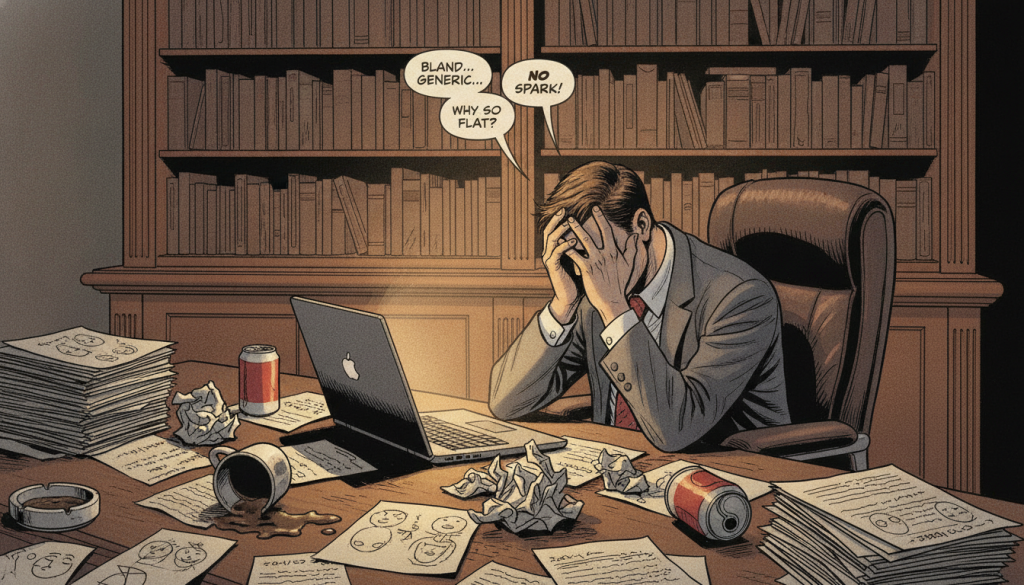
One big writing blunder is making characters feel like they’re just cardboard. If your characters don’t have depth, they’re easy to mix up. This makes your story feel empty and forgettable.
Characters Without Goals
A character without a goal is lost. They can’t move the story forward. Motivation is the engine of your story. Without it, your story will stop, and readers will lose interest.
Make sure every main character wants something. It could be a thing or a feeling. That goal should guide their actions in the book.
Characters Without Conflict
Conflict tests your characters. If they face no challenges, they won’t grow. Many writing blunders happen when authors are too soft on their characters.
Make your characters face tough choices. Think about these to add tension:
- Internal struggles: What fears or doubts hold them back?
- External obstacles: Who or what is standing in their way?
- High stakes: What happens if they fail to reach their goal?
Characters Readers Cannot Connect With
Readers connect with real people, not perfect ones. If your characters are too perfect, they’re hard to relate to. You need to add nuance and contradictions to make them feel real.
A character who is brave but scared, or kind but jealous, feels real. By embracing these complexities, you avoid common writing blunders. You create characters that readers will care about. Remember, you want characters that feel like they could step out of the book and into your home.
Mistake #5: Doing Too Much Research
You might think more facts make your book better. But, it often leads to writing blunders. It’s easy to think you need one more article before starting.
This is just a way to delay writing. Putting words on the page is hard work.
When Research Becomes Procrastination
Research is key, but it can be a way to avoid writing. Spending all day in archives or journals makes you feel productive. But, true productivity comes from writing your manuscript.
If you’re always looking for more info, ask if you’re really stuck. We often use research to hide from the blank page. It’s time to start building your story.
Finding the Balance Between Learning and Writing
Storyloft helps me organize my research well. It keeps my notes in one spot. This way, I can use them without getting lost in research.
You don’t need to know everything before starting. Balance is key to avoid over-preparation. Just gather enough to start, and fill in gaps later.
Knowing When to Move Forward
Knowing when to stop researching and start writing is important. You must learn to know when your research is done. If not, these writing blunders will stop you from finishing.
Set a deadline for research. After that, start writing, even if you feel you need more info. You can refine your work later, but you can’t edit a non-existent book.
Mistake #6: Not Doing Enough Research
Many new writers think they can just use their imagination. But, your story needs facts to really connect with readers. You don’t have to be an expert on everything. But, you should know enough to make your story feel real.
Want to avoid other common mistakes? Check out these mistakes new authors make. Verifying important details is a simple step to show you’re serious.
Avoiding Accuracy Problems
Factual errors can ruin a story fast. Mistakes in history or how tools work can break the magic. Consistency is key to keep readers interested from start to finish.
Building Credibility
Research builds trust with your readers. They’ll notice when you’ve done your homework. This attention to detail makes your story sound more believable.
Creating Believable Worlds and Stories
You don’t need to know everything. But, knowing enough makes your world feel real. Research adds those small details that make a setting come alive. These rookie writer slip-ups are easy to fix with some basic research before you start writing.
Mistake #7: Ignoring Story Structure
Many new writers forget the story’s skeleton. They think planning kills creativity. But, planning helps your story stay on track.
Why Structure Matters
Your story is like a beam of light. Without a clear theme, it gets lost. Structure acts as that lens, making your story strong and clear.
With a solid plan, you know where your story goes. This makes your story tense and interesting. Every scene has a purpose, not just to fill space.
Common Structural Problems
Skipping planning leads to many rookie writer slip-ups. You might write scenes that go nowhere or characters without a reason. These problems come from not planning well.
Without a plan, your story might feel broken or too similar. Readers get bored when stories don’t move well. Consistency is the key to keeping readers interested.
Understanding Story Beats
Knowing story beats is key to a tight story. These beats mark important moments in your plot. They help your characters grow and move through their story.
Tools like Storyloft help keep your story organized. They make it easier to manage your plot. A well-structured story keeps your theme clear and your plot strong until the end.
Mistake #8: Waiting for Inspiration
I used to wait for the perfect spark before writing. I’d sit at my desk, hoping for inspiration that never came. This is a big common mistake for new writers that stops them from finishing.
Why Professional Authors Write Anyways
Professional authors see writing as a job, not a hobby. They know inspiration is not always there. You don’t need to feel motivated to be productive.
Writing even when you don’t feel like it helps. It’s how you start to feel inspired. By writing, you invite creativity to your desk.
Building Consistent Habits
Consistency is key for authors. Instead of waiting for inspiration, build a writing habit. Here’s how:
- Write at the same time every day.
- Have a special place to write.
- Keep track of your words to see your progress.
- Stay away from distractions like social media.
Creating a Writing Routine
Having a routine helps avoid common writing mistakes. You don’t need to write for hours. Even 15 minutes can help your story.
Make writing a part of your daily routine. Treat your manuscript like a professional meeting. Discipline beats motivation in the long run.
Mistake #9: Setting Unrealistic Expectations
Many new writers dream of their first book being a huge hit right away. It’s natural to want fame and wealth. But these dreams can take your focus away from the hard work of writing.
The Myth of Overnight Success
Stories of authors hitting it big overnight are common. But they often leave out the years of hard work and quiet effort. True success is rarely a sprint; it’s a long journey that needs patience and hard work.
When you dream too much about success, you forget the joy of telling stories. You don’t have to be famous to be a great writer. Focus on the craft and the message you want to share.
Creating Achievable Goals
To stay on track, use goal-setting strategies for authors that focus on progress, not perfection. Break your project into smaller steps. This makes writing feel less scary.
- Set daily word count targets that feel comfortable.
- Focus on finishing one chapter at a time.
- Celebrate small wins, like completing a difficult scene or editing a messy draft.
Avoiding Burnout
Setting high expectations is a big mistake for new writers. It adds too much pressure. When you expect too much, you might get burned out and give up.
By keeping your goals realistic, you save your creative energy. Remember, your main goal is to write a story that means something to you. When you focus on the journey, you’ll find it’s just as fulfilling as the end result.
Mistake #10: Trying to Write a Perfect First Draft
Many new writers think their first draft must be perfect. I once spent years on my first chapter, wanting every word to be perfect. This made me stop writing, and I never finished my book.
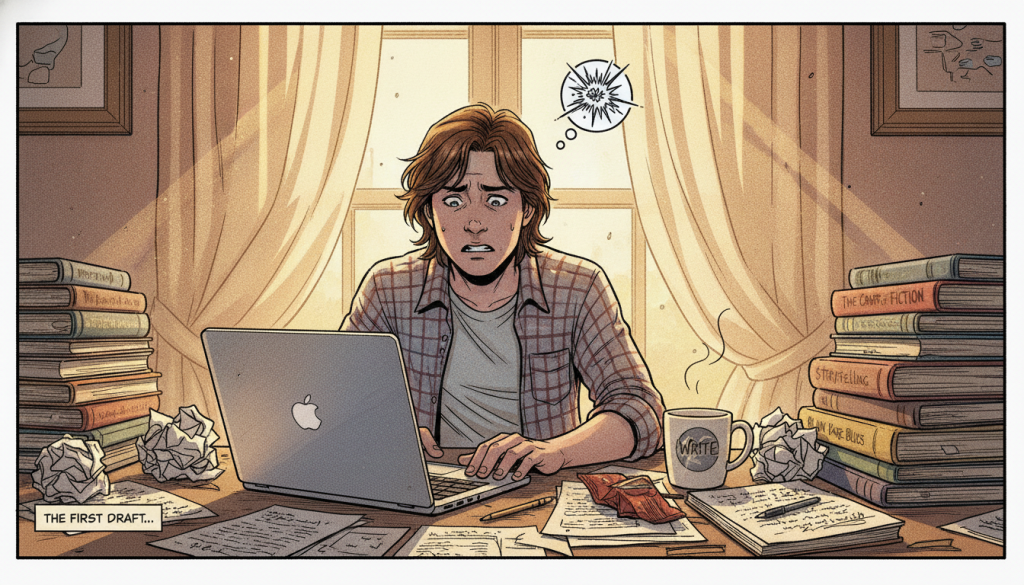
Why First Drafts Are Supposed to Be Messy
Successful authors rarely write their first draft. They often revise their work many times before it’s published. Think of your first draft as a raw block of marble that needs shaping.
Trying to make your first draft perfect is a mistake. It’s better to just write the story. A messy draft is better than a perfect page that never gets written.
Separating Writing From Editing
It’s important to separate writing from editing. Trying to fix grammar while writing can stop your creativity. Writing is about creating, and editing is about making it better.
Don’t worry about mistakes until you’ve finished writing. If you polish every paragraph, you might lose your story’s flow. Just keep writing, even if it’s not perfect.
Giving Yourself Permission to Improve Later
It’s okay to write a bad draft first. You’re writing for yourself, not for others. Once you’ve written the whole story, you can make it better later.
| Feature | Perfectionist Mindset | Growth Mindset |
|---|---|---|
| Drafting Goal | Flawless prose | Completing the story |
| Editing Timing | During writing | After completion |
| Reaction to Errors | Discouragement | Opportunity to fix |
| Overall Speed | Very slow | Consistent progress |
Avoiding these mistakes helps you finish your book. You can’t fix a blank page. Just write, and trust that you’ll make it better later.
Mistake #11: Keeping Notes and Research Disorganized
Disorganized notes can block your path to a finished book. When you can’t find a character detail or plot point, your story stalls. This mistake makes it hard to keep your creative spark alive.
Use a tool like Storyloft to keep everything in one place. It helps you track story details and organize research. This way, you can move from planning to writing without switching apps all the time.
Staying organized helps you focus until your book is done. You’ll have a smoother process and keep your ideas easy to find. Start organizing your notes today. It will make your book idea a reality. Your future self will thank you for it.
FAQ
How can I tell the difference between a loose idea and a solid narrative concept?
I learned that a loose idea is just a “what if.” But a concept has a main character, a goal, and stakes. Before I start writing, I check my idea with Storyloft. This makes sure it’s strong enough for an 80,000-word story.
Is skipping the outline really one of the major writer pitfalls?
Yes, it was for me! Skipping planning leads to a story that fizzles out. A clear outline helps avoid this. It keeps your story exciting from start to end.
What is the most common writing blunder when creating characters?
The biggest mistake is making characters without goals or depth. If your hero just reacts, readers will lose interest. I give my characters real motivations to keep readers hooked.
How do I avoid the rookie writer slip-up of doing too much research?
Doing too much research can be a trap. I set a timer to avoid getting lost in research. Storyloft helps me organize my research so I can write without delay.
Why is ignoring story structure considered one of the common mistakes for new writers?
Without structure, your story lacks direction. Ignoring story beats makes your story feel aimless. A clear structure keeps your theme and plot tight.
How can I overcome the novice writer error of perfectionism in a first draft?
You must allow yourself to be imperfect in your first draft. Don’t try to edit every sentence as you write. First drafts are meant to be rough. The real work comes in revising.
What are the best ways to avoid writing mistakes for beginners regarding organization?
Disorganization can kill your productivity. Beginners often spread their notes across many places. Using Storyloft keeps everything in one spot. This helps you focus on your story.
How do I keep from burning out while writing my first book?
Don’t set unrealistic goals! Many authors get caught up in myths of overnight success. Setting small, daily goals helps you stay motivated and avoid burnout.