How to Find a Literary Agent: My Complete Guide

I’ve seen many talented writers send out hundreds of generic queries. They often wonder why they never get a response. The truth is, finding the right literary agent isn’t about playing the numbers game. It’s all about strategy.
Looking for a book agent is like dating. You’re not just looking for anyone. You want The One who truly believes in your manuscript and has the connections to sell it.
This guide is to show you how I find agents. You’ll learn how to find agents who want books like yours. You’ll also learn how to craft personalized pitches and build relationships for traditional publishing deals.
This journey is tough, but it’s not just luck. When you target the right agents with a smart strategy, your chances of success improve dramatically. I’ll guide you through every step, from research to submission. This way, you can find an agent who’s genuinely excited about your work.
Key Takeaways
- Generic query letter blasts rarely work—personalization is essential for agent success
- Research agents who represent books similar to yours in genre and style
- Agent hunting requires strategy, not volume—quality beats quantity every time
- Building the right agent relationship is like dating—find someone who believes in your work
- Following proven manuscript submission methods dramatically improves your odds
- Target agents with recent sales in your category for better response rates
Why You Need a Literary Agent in Today’s Publishing World
I’ve learned that literary agents are key to getting into traditional publishing. The publishing world has changed a lot. Now, most big publishing houses don’t accept direct submissions from authors.
Here’s the truth: big publishers only work with literary agents now. They don’t take unsolicited submissions from authors. Without an agent, your manuscript won’t even get to an editor at places like Penguin Random House, HarperCollins, or Simon & Schuster.
I know this can be tough to accept at first. But there are good reasons why the industry changed this way.
Publishing houses get thousands of manuscripts every year. Without agents, editors would spend all their time reading submissions. Agents act as the first filter, making sure only the best manuscripts get to editors.
But agents do more than just get your foot in the door. They bring insider knowledge and relationships that you can’t get on your own.
Agents build relationships with editors over years. They know what editors like, what genres they’re looking for, and what books have sold recently. This knowledge is super valuable when trying to get your manuscript noticed.
A good agent doesn’t just submit your work randomly. They match your manuscript with editors who will really connect with your story.
Let’s look at what agents offer:
| What Agents Provide | How It Benefits You | Without an Agent |
|---|---|---|
| Direct access to major publishers | Your manuscript reaches decision-makers at top publishing houses | Submissions are returned unread or ignored completely |
| Contract negotiation expertise | Better advances, favorable royalty rates, and protected rights | You might accept unfavorable terms without realizing it |
| Market knowledge and timing | Your book is positioned when demand is highest for your genre | You’re guessing about market trends and editor interests |
| Editorial guidance before submission | Your manuscript is polished and competitive before it goes out | You submit before your work is truly ready |
The financial benefits alone make having an agent worth it. Agents negotiate better advances than most debut authors could get on their own. They know the industry standards and won’t let publishers undervalue your work.
Agents also fight for better royalty percentages and protect your rights. These contract details can mean the difference between earning modest income and building a sustainable writing career.
For debut authors, a literary agent is your advocate in a big, overwhelming industry. They help you through revisions, understand editorial feedback, and prepare you for what’s next.
My agent explained market positioning in ways I never could have on my own. She showed me how my book fits into current trends and which comparable titles would help editors see my manuscript on their list.
I also appreciate having someone handle the business side while I write. Agents manage submissions, follow up with editors, and deal with rejections so they don’t bother me. This emotional buffer is more important than I thought.
Now, I want to be clear. Self-publishing and small independent presses are valid paths. They work well for many authors with specific goals or niche audiences.
But if you dream of traditional publishing with a major house—if you want your book in physical stores nationwide, if you’re aiming for big advances, if you want the marketing power of big publishers—then finding the right literary agent is not optional. It’s essential.
The doors to traditional publishing don’t open without representation. I’ve accepted this and learned to work within it. My goal is to show you how to find an agent who believes in your work and can help make your publishing dreams come true.
Understanding What Literary Agents Actually Do
When I first learned about literary agents, I was surprised by their role. They do more than just pitch books. The literary agent role includes editorial guidance, contract negotiation, and career planning. They are expert negotiators who know how to sell writing.
A book agent helps you deal with publishers without hurting your relationship with editors. They handle the financial and marketing side, so you can focus on your writing. For debut authors, agents are a key starting point in the publishing industry.
The Agent’s Role in Traditional Publishing
Your agent connects you with publishing houses. They use their connections and knowledge to get your book in front of the right editors. It’s not just about sending emails; it’s about using years of built relationships.
Agents promote your work in various ways. They pitch your manuscript in editorial meetings and at book fairs. They know which editors are looking for specific books and which houses have budgets for new acquisitions.
Think of your agent as your advocate in places you can’t go. They make the case for your book, explaining why it matters and why it will sell.
A good agent doesn’t just submit your work—they strategically position it to maximize its value in the marketplace.
What Agents Look for in Client Manuscripts
Agents look at more than just quality writing when evaluating manuscripts. They consider artistic merit and market demand. They want to sell your book.
Commercial viability is key. Your manuscript might be beautifully written, but agents need to believe editors will buy it. They look at your unique voice, character development, plot, and how it fits with current trends.
Agents also consider if they can work with you long-term. They’re not just taking on one book; they’re building a career partnership. Here’s what catches their attention:
- Original voice that stands out from similar books in your genre
- Strong narrative with compelling characters readers will care about
- Professional presentation showing you understand industry standards
- Growth indicating you can produce multiple books over time
- Platform or expertise for nonfiction authors
The agent responsibilities include editorial work. Many agents have strong editorial skills and will help refine your manuscript before manuscript submission to publishers. This can significantly increase your chances of getting a book deal.
How Agents Earn Their Commission
Understanding the financial relationship between authors and agents is key. Literary agents work on a standard commission structure—typically 15% of everything you earn from your book.
This means agents only get paid when you get paid. They take a percentage of your advance and all future royalties. Your success is their paycheck, creating a strong motivation for them to help you.
Never work with an agent who charges upfront reading fees or editorial fees. This is a major red flag in the publishing industry. Real agents invest their time in your manuscript because they believe they can sell it and earn their commission on the back end.
Here’s how the commission structure typically breaks down:
| Income Source | Agent Commission | Your Earnings |
|---|---|---|
| Book Advance | 15% | 85% |
| Royalties | 15% | 85% |
| Foreign Rights Sales | 20% (often split with sub-agent) | 80% |
| Film/TV Options | 15% | 85% |
This commission structure means your agent is highly motivated to negotiate the best possible deal. The more money you make, the more money they make. It’s a partnership built on shared financial interest.
Some agents also take 20% on foreign rights sales when they work with co-agents in other countries. This covers the additional work and relationship management required for international deals.
Preparing Your Manuscript Before You Query
Getting your manuscript ready is key to success when querying. It’s what sets writers apart. Your hard work can be seen in the first few pages by agents.
Fiction writers should have a complete, polished manuscript ready. Agents want to see your finished work, not a draft. This shows you can deliver a ready-to-publish book.
Completing and Self-Editing Your Manuscript
Your manuscript must be 100% finished before querying. Every chapter should be written, and your story should have a satisfying end. Rushing to query with unfinished work is a bad idea.
Self-editing turns your draft into something agents want to read. Let your work rest for two to three weeks after finishing. This break helps you see your work with fresh eyes.
Read your manuscript aloud to catch issues. This method helps you spot awkward phrasing and pacing problems. I’ve found many issues by hearing my words.
Here are my essential self-editing techniques:
- Check character voice consistency throughout the entire manuscript
- Eliminate repetitive phrases and overused words that weaken your prose
- Verify plot point continuity to ensure no loose ends or contradictions
- Tighten pacing by cutting scenes that don’t advance the story
- Review dialogue tags and remove unnecessary adverbs
- Polish your opening chapter as agents often decide within the first five pages
Keep track of your revisions in separate document versions. This way, you can go back to earlier versions if needed. Self-editing takes time but is worth it when agents request your full manuscript.
Getting Feedback from Beta Readers and Editors
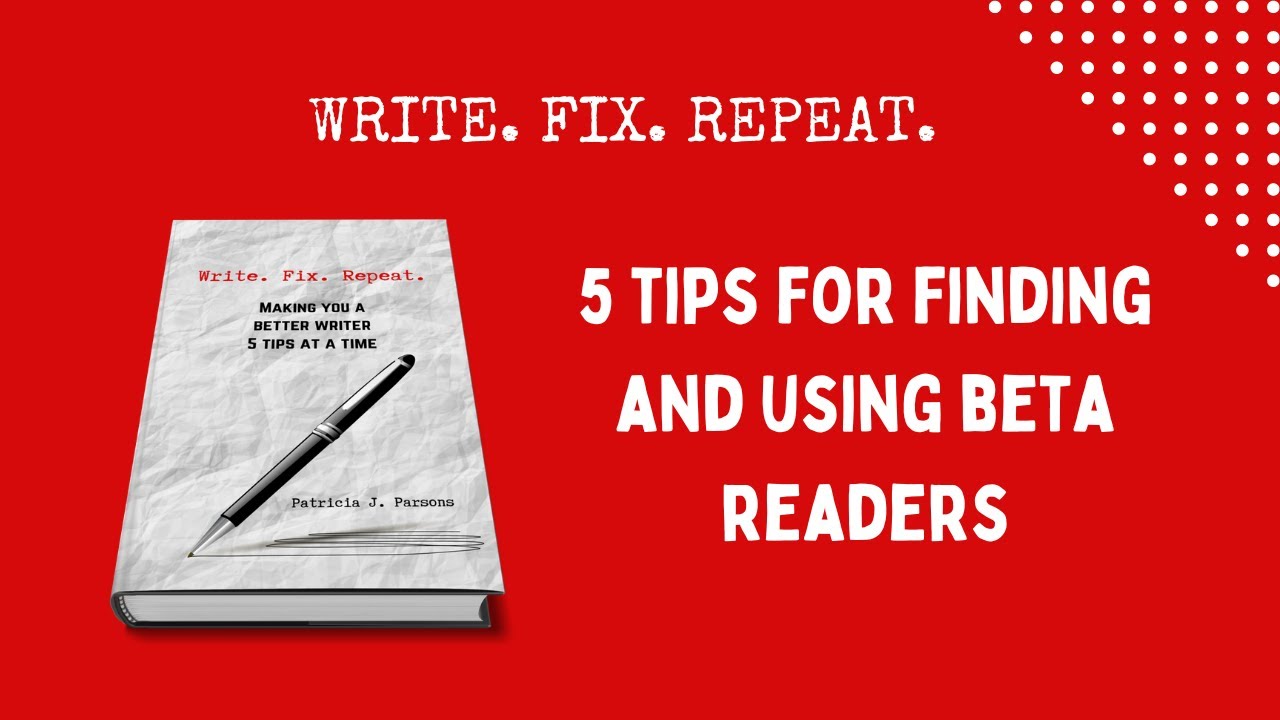
You can’t see every problem in your own work. Beta readers offer the feedback you need before querying. They catch issues you can’t see anymore.
Choose beta readers who read in your genre. A romance reader will give different feedback than a thriller reader. Find three to five readers who can give constructive criticism.
- Which scenes felt slow or confusing?
- Did any characters feel inconsistent or underdeveloped?
- Where did you lose interest or want to skip ahead?
- Was the ending satisfying and logical?
- What questions remained unanswered?
If you can afford it, hiring a professional editor is a good investment. Developmental editors help with big-picture issues, while copy editors focus on grammar and style.
Professional editing isn’t necessary before querying, but it can help. A polished manuscript stands out among the many queries agents receive.
| Editing Type | What It Covers | Best Timing | Typical Investment |
|---|---|---|---|
| Developmental Editing | Plot structure, character development, pacing, narrative arc | After first complete draft | $1,500 – $3,000 |
| Copy Editing | Grammar, punctuation, consistency, style, word choice | After self-editing and beta feedback | $800 – $2,000 |
| Proofreading | Final typos, formatting errors, minor corrections | Before querying agents | $400 – $800 |
Using Professional Tools for Manuscript Preparation
Storyloft is an AI-powered writer app for modern authors. It offers everything you need in one place, from outlining to manuscript formatting.
Switching between multiple tools wastes time. Storyloft combines writing, editing, illustration, and formatting in one app. You can draft chapters and organize research without juggling software.
The AI feature in Storyloft is unique. It reads your entire work and offers suggestions based on your style. This helps preserve your unique voice while assisting with editing.
Here’s what makes Storyloft valuable for manuscript preparation:
- Integrated chapter organization keeps your manuscript structured and accessible
- AI-powered editing assistance that learns your writing style and genre conventions
- Character artwork generation for consistent visual references throughout your story
- Professional formatting options for both print and ebook layouts
- Built-in collaboration features for working with beta readers and editors
The collaboration feature is great for working with others. You can invite beta readers, editors, or agents directly into the platform. They can leave comments and suggestions without email confusion.
This streamlined approach saves time and reduces technical issues. You have one app that handles everything from first draft to query-ready manuscript.
Researching Literary Agents in Your Genre
Smart agent research is key to standing out. It’s not just about sending your manuscript to any agent. It’s about finding the right ones who have sold books like yours.
This research phase can make or break your success. Knowing an agent’s preferences and recent sales helps you tailor your query. This makes your query stand out from the hundreds of generic ones agents get.
Thanks to online resources, agent research is easier than ever. These tools give you the same info publishing pros use daily. Let’s explore the tools that turn your search into a strategic campaign.
Using Agent Databases and Online Resources
Effective agent research starts with databases. These platforms have agent info, submission guidelines, and sales records. Start with these resources before writing your first query letter.
Each agent database has unique features. Some focus on sales, others on what agents are looking for. Using several resources gives you a complete picture for making informed decisions.
QueryTracker and Publishers Marketplace
Publishers Marketplace is the top resource for agent research. It’s used daily by agents, editors, and publishers. For $25 a month, you get access to deal data and sales records.
The deal database shows what agents have sold. You’ll see to which publishers and for what types of books. This tells you who’s selling books in your genre and who has big publisher connections.
The platform also sends you publishing news and analysis. This helps you learn about the industry and see which literary agency teams are making deals.
QueryTracker offers a free alternative. It has agent info, submission guidelines, and response times. The community aspect makes it stand out.
QueryTracker’s interviews with authors who found their agents are invaluable. Many share their actual query letters. These examples taught me more about writing queries than any book or workshop.
Manuscript Wish List and Agent Websites
Manuscript Wish List started as a Twitter hashtag. Now it’s a website with agent profiles. Agents with profiles are actively seeking new clients, making them great targets for your queries.
Writer’s Digest also has agent listings and submission guidelines. These resources include details on agents’ recent sales and what they’re looking for. I used Writer’s Digest to build my initial target list.
Visiting each agent’s website is essential. Agency websites reveal agents’ personalities, career histories, and interests. You’ll find info on their current client lists and recent sales announcements.
Many agents have personal websites or blogs. These share their editorial style and what they value in author-agent relationships. This information is gold when personalizing your query letters.
| Resource | Cost | Best Features | Ideal For |
|---|---|---|---|
| Publishers Marketplace | $25/month | Deal database, industry news, sales records, publisher relationships | Researching agent sales history and current market trends |
| QueryTracker | Free (Premium $25/year) | Submission tracking, author interviews, response time data, query examples | Managing queries and learning from successful examples |
| Manuscript Wish List | Free | Agent wish lists, specific requests, actively seeking clients | Finding agents currently looking for your type of book |
| Writer’s Digest | Free and paid options | Agent directories, submission guidelines, market guides | Comprehensive agent contact information and basic research |
Reading Acknowledgments in Comparable Books
Reading acknowledgments in books similar to yours is a great technique. Authors often thank their agents in these sections. This gives you a direct path to agents who have successfully represented comp titles in your genre.
I made this part of my routine. Whenever I read a book similar to mine, I’d check the acknowledgments. You’ll often find the agent’s name and praise for their work.
This method is effective because it identifies agents who appreciate your type of book. If an agent loved a similar book, they might be interested in yours. It’s targeted research at its finest.
Take notes on which agents represent books you admire. Seeing the same agent’s name in multiple acknowledgments means they’re a great target. These agents should be at the top of your query list.
Following Agents on Social Media Platforms
Social media has changed agent research by giving you direct access to agents’ personalities. Twitter is the most active platform for literary agents. Many also have Instagram and Facebook accounts. Following agents on these platforms gives you insights you can’t get from databases.
Agents often share what they’re currently seeking and what excites them. This helps you understand their interests and tailor your query. Timing your query to match their interests can improve your chances.
I learned a lot about agents’ personalities from their social media. Some are funny, while others are more professional. Knowing this helps you personalize your queries.
Social media also shows which agents are actively building their client lists. Newer agents are often more open to queries. Established agents might only accept referrals. This saves you from querying agents who aren’t open to submissions.
Creating Your Personalized Agent Wish List
Successful authors don’t query many agents randomly. They make a list of agents who want books like theirs. This targeted approach makes your search more effective.
Your list should have 25 to 50 agents, max 100. Focusing on quality over quantity increases your chances of success.
Finding Agents Who Want Your Specific Book
Understanding your book’s unique features is key to finding the right agents. For example, if your book is a dark, funny women’s fiction novel with travel, look for agents who represent those specific traits. An agent who only handles general women’s fiction isn’t a good match.
Start by researching comparable titles. Look for books published in the last three years that share your book’s tone, style, and themes. These books will guide you in finding the right agents.
Identify five to ten comparable books. Then, find out which agents represented them. You can do this by:
- Checking the acknowledgments page in each book
- Searching agent databases like QueryTracker or Manuscript Wish List
- Looking at publisher announcements and industry news
- Reviewing agency websites for recent sales
Pay attention to agents’ manuscript wish lists and interviews. If an agent is actively seeking your book’s genre, add them to your list. This specificity is more important than just being in your general category.
Understanding What Each Agent Requires
Every agent has specific submission guidelines. Following these guidelines shows you’re professional. Some agents want only a query letter in the email body, while others prefer sample pages or a full synopsis.
Ignoring these guidelines can lead to quick rejections. I’ve seen talented writers miss opportunities because they didn’t follow the agent’s preferences.
Find submission guidelines on:
- The agent’s page on their agency website
- The agency’s general submissions page
- Agent databases like QueryTracker or AgentQuery
- The agent’s social media profiles or personal website
Create a spreadsheet to track each agent’s requirements. Include columns for the agent’s name, agency, email, submission materials, and formatting preferences. This organized approach helps you avoid mistakes when sending queries.
Some agents use online forms instead of email. Others prefer QueryManager. Note these details in your agent wish list for when you’re ready to submit.
Organizing Your Prospects Strategically
Not all agents on your list are equal. Create a tiered ranking system to query strategically. This ensures you don’t waste your best opportunities on untested queries.
Your Tier 1 agents are your dream representatives. They’ve sold books similar to yours and are perfect matches. Save these contacts for after refining your query.
Your Tier 2 agents are strong possibilities. They represent your genre well and have good sales records. They’re excellent representatives, but not your top choices.
Your Tier 3 agents are solid options. They represent your category and accept work like yours. They’re not your first choices but deserve respectful queries.
This tiered approach is strategic. Start with Tier 2 agents for your first batch of queries. If you get positive responses, you can approach your Tier 1 dream agents. If Tier 2 queries get rejections, you can revise before targeting your best prospects.
Building your agent list takes time and research. But it’s worth it. You’ll query with confidence, knowing each agent wants manuscripts like yours and you’ve followed their preferences.
Mastering the Query Letter That Gets Requests
Writing a query letter is both an art and a science. It needs specific elements to showcase your book. This single-page document is your most powerful tool for capturing an agent’s attention.
After working with countless writers, I’ve found that successful queries share common traits. They hook the reader immediately, clearly communicate the story’s essence, and show professionalism throughout.
Let me guide you through each essential component that turns a basic query letter into one that agents can’t resist.
Creating an Opening That Commands Attention
Your query hook needs to grab the agent within the first sentence. It should make them think, “I need to know more about this story right now.”
The best manuscript pitch openings introduce your protagonist, hint at the central conflict, and show what makes your story unique. They do this in one or two powerful sentences.
Here’s what works: Start with your character in the moment of crisis or decision. For example, “When sixteen-year-old Maya discovers her mother’s been lying about her father’s death for ten years, she has seventy-two hours to find him before he’s executed for a crime she knows he didn’t commit.”
Compare that to a weak opening: “My book is about a girl who goes on a journey to find her father.” See the difference? The strong version immediately establishes stakes, tension, and urgency.

- Starting with rhetorical questions that feel generic
- Opening with backstory or world-building details
- Beginning with your writing process or inspiration
- Using clichés or overused phrases
Your opening should make the agent feel something—curiosity, excitement, fear, or intrigue. If it doesn’t generate an emotional response, revise until it does.
Distilling Your Story into One Powerful Paragraph
The book pitch paragraph is where many writers struggle most. You’re not summarizing your entire plot—you’re creating a teaser that makes agents desperate to read more.
I recommend following this proven structure: protagonist + conflict + stakes + unique element. This gives agents everything they need to understand your story’s commercial value.
Your paragraph should answer these questions clearly:
- Who is the main character and what do they want?
- What obstacle stands in their way?
- What happens if they fail?
- What makes this story different from similar books?
Keep it to 150-200 words maximum. Every sentence should advance the reader’s understanding of why your story matters.
Remember, your paragraph must convey the voice and tone of your actual manuscript. If you’ve written a humorous contemporary romance, your summary should sparkle with wit. If it’s a dark thriller, the language should feel tense and urgent.
Don’t give away your ending. Think of movie trailers—they show you enough to make you want to see the film, but they don’t spoil the climax.
Presenting Your Credentials Effectively
The author bio section causes unnecessary stress for debut writers. Let me ease your mind: agents care more about your book than your résumé.
If you have relevant publishing credits, include them. This means previous publications in literary magazines, writing contest wins, or published books in any genre.
If you have expertise related to your book’s subject matter, mention it. Writing a thriller about a forensic scientist? Your background as a lab technician is relevant and interesting.
Platform matters more for nonfiction, but if you have a significant social media following or blog readership, include those numbers. Anything over 10,000 engaged followers is worth mentioning.
For debut authors without credentials, keep it simple:
- State that this is your debut novel
- Mention your day job only if it’s relevant or interesting
- Include your location
- Skip irrelevant personal details
What you should never include in your author bio: how long you’ve been writing, that your family loves your book, that you’ve always dreamed of being published, or that you have other unpublished manuscripts.
Remember, even a two-sentence author bio is perfectly acceptable if you don’t have traditional credentials. Agents understand that every successful author started somewhere.
The Game-Changing Power of Customization
Here’s where the magic happens. A personalized query dramatically increases your request rate—and I have the data to prove it.
One of my clients sent out dozens of generic queries and heard absolutely nothing in response. After we worked together to create a highly targeted list, he sent out just 12 personalized queries to top-notch agents. Within two weeks, he got seven manuscript requests—a 58% request rate on the exact same book.
The only thing that changed was personalization and targeting. This proves that customization isn’t optional—it’s essential.
Effective personalization demonstrates you’ve done your research. Mention specific books the agent has represented that are similar to yours in tone, style, or subject matter. Reference something from their Manuscript Wish List that aligns with your project.
You can also note where you heard them speak at a conference, reference an interview they gave, or mention their Twitter MSWL posts. These details show you’re querying them for specific, thoughtful reasons.
Here’s what strong personalization looks like in practice:
I’m querying you because you represented [Specific Book Title], which shares my novel’s blend of atmospheric horror and complex family dynamics. I also noticed your #MSWL request for gothic settings with unreliable narrators, which describes my manuscript perfectly.
As humans, we respond more positively when offers are customized to fit our needs. Agents are no different. When you show them why your book belongs on their specific client list, you’re positioning yourself as a professional who understands the business.
Every query you send should include at least one sentence explaining why you chose that particular agent. This single paragraph can be the difference between a form rejection and a manuscript request.
The bottom line? Never send a generic query letter. The extra ten minutes you spend personalizing each one will multiply your success rate exponentially.
Building Your Complete Submission Package
A query letter alone won’t get you a literary agent. You need a full submission package. Agents ask for different things when you contact them. Some want just the query, while others ask for sample pages, a synopsis, or the full manuscript.
I learned this the hard way. An agent replied to my query quickly, asking for materials I wasn’t ready with. I had to rush to write a synopsis and format my pages, which delayed my response and hurt my chances.
Having everything ready before you query saves time and prevents missed chances. You can respond quickly to agents’ interest, showing your professionalism and commitment to your writing career.
Writing a Compelling Synopsis
A synopsis is a full summary of your story from start to end. It reveals everything that happens in your manuscript, including plot twists and the final resolution. Most agents want a synopsis that’s one to two pages long, though specific requirements vary.
The synopsis shows agents how your story unfolds. They want to see a well-constructed plot, satisfying character arcs, and a satisfying ending.
Condensing thousands of words into a few paragraphs feels awkward. Focus on the main plot and your protagonist’s journey. Skip minor subplots and secondary characters unless they’re key to understanding the central conflict.
The biggest challenge is making your synopsis engaging, not just a dry plot summary. Keep your narrative voice by using active verbs and specific details. Instead of writing “Sarah faces challenges,” write “Sarah’s mentor betrays her, forcing her to question everything she believed about the resistance.”
Here are the key elements every synopsis should include:
- Your protagonist’s goal and motivation at the story’s beginning
- The major plot points and turning points in chronological order
- How your main character changes throughout the story
- The climax and how the central conflict resolves
- The emotional stakes and why readers will care
I recommend writing your synopsis after finishing your manuscript but before querying. This helps you see your story’s structure clearly and can reveal pacing issues or plot holes.
Selecting Your Strongest Sample Pages
Many agents request sample pages with your query letter. These pages are your chance to show that your writing is as good as your query hook. They need to be your best work.
Your opening pages must establish your narrative voice, introduce compelling characters, set up the story’s central conflict, and draw readers in. That’s a lot to do in just a few pages.
The best openings drop readers into a moment of tension or change. You don’t need explosions or dramatic action scenes, but something needs to be happening that makes agents want to keep reading. A character should be pursuing a goal, facing a problem, or experiencing something that disrupts their normal world.
Before you include your opening pages in your manuscript submission, ask beta readers about those first few chapters. Do they feel immediately engaged? Does your voice come through clearly? Would they keep reading if they picked up this book in a store?
Be honest with yourself about whether your opening is as strong as possible. Many writers find that their story really starts a chapter or two into the manuscript. I cut the entire first chapter of my debut novel after beta readers told me the story really started in chapter two.
Formatting Your Manuscript Professionally
Professional formatting shows you understand industry standards and makes your manuscript easier for agents to read. Standard manuscript formatting includes specific requirements that apply across the publishing industry.
Here are the formatting rules you need to follow:
- Double-space your entire manuscript with no extra spaces between paragraphs
- Use one-inch margins on all sides of every page
- Select a 12-point standard font like Times New Roman, Courier, or Arial
- Include page numbers in the header along with your last name and manuscript title
- Start each new chapter on a fresh page with the chapter title centered
- Indent the first line of each paragraph (except the first paragraph of each chapter)
These formatting standards exist because they create consistent, readable manuscripts that agents and editors can easily review. Proper formatting also shows that you’ve done your homework and take your writing career seriously.
I used to struggle with manuscript formatting because I’d write in one program, then have to reformat everything when preparing my submission materials. The process was tedious and time-consuming, and I constantly worried about making formatting mistakes.
That’s why I appreciate tools like Storyloft, which simplifies the entire process by providing professional formatting capabilities directly in the platform. Storyloft allows authors to create print-ready or ebook-ready layouts without switching between tools or learning complicated formatting rules. You can write your manuscript and prepare it for submission all in one place, ensuring everything meets industry standards from the start.
Having your complete submission package ready—a polished synopsis, strong sample pages, and a professionally formatted manuscript—means you can respond immediately when agents request materials. This preparation demonstrates your professionalism and gives you the best possible chance of landing representation.
My Step-by-Step Process for How to Find a Literary Agent
After years of experience and talking to dozens of authors, I’ve created a step-by-step guide. This guide helps you find the right literary agent. It lets you test your materials, learn from responses, and improve your query strategy as you go.
Instead of sending queries randomly, this method gives you control. You get valuable insights along the way.
Being strategic is key to successful querying. You want to move forward efficiently while getting feedback to improve. Let me show you how to approach your agent search from the first query to landing representation.
Start with a Small Query Batch
I always suggest starting with batch querying. Send about 15 queries at a time to different agents. This number is chosen to test your query letter and opening pages without wasting your agent list if something goes wrong.
Querying one agent at a time is too slow. Agents might take two to three months to respond. Sending queries to everyone at once is too risky. If your query has problems or your opening chapters need work, you’ll waste your best prospects before realizing what needs fixing.
Multiple simultaneous submissions are standard in the publishing industry. Agents know you’re querying other professionals. So, don’t worry about sending your query strategy to several agents at the same time. Unless an agent requests an exclusive look at your manuscript, they assume you’re approaching multiple agents.
Start with agents from your middle tier, not your top choices. This lets you refine your approach and learn from early responses before querying your dream agents. Save those top-tier agents for when you’ve perfected your query materials based on initial feedback.
Track All Your Submissions Carefully
Once you start sending queries, submission tracking becomes essential. I recommend creating a detailed spreadsheet or using a tool like QueryTracker to record every agent you query. Good tracking prevents embarrassing mistakes like querying the same agent twice or forgetting to follow up with someone who requested materials.
Your tracking system should include specific information for each agent submission. Record the agent’s name and agency, the date you sent the query, what materials you included, their expected response time, and any outcomes or responses. I also note each agent’s specific interests and any personalization details I included, which helps me remember our interaction if they respond months later.
Additional details worth tracking include whether the agent requests exclusives, their submission preferences, and any particular guidelines they mentioned. This level of organization shows professionalism and helps you manage dozens of agent submissions across several months.
I also track response patterns in my spreadsheet. This data becomes incredibly valuable when it’s time to adjust my approach. If I notice that agents with similar tastes are all passing, that tells me something specific about how my manuscript might be positioned.
Follow Up According to Agent Timelines
Following up with agents is a professional and necessary step that many writers skip because they worry about being pushy. Let me be clear: polite follow-ups are expected and appropriate. Silence doesn’t always mean no.
The key is timing your follow-up correctly. If an agent’s website says they respond within eight weeks, you should follow up politely after ten weeks. This gives them a reasonable buffer beyond their stated timeline while ensuring your query doesn’t get lost in the shuffle.
Your follow-up email should be brief and courteous. Mention the date you originally queried, include your book’s title, and politely ask if they’ve had a chance to consider your submission. Keep it professional and friendly—you’re simply checking in, not demanding a response.
Some agents receive hundreds of queries weekly, and emails genuinely do get lost or accidentally deleted. A gentle follow-up often prompts them to locate your original query or ask you to resend it. I’ve seen situations where a follow-up email led directly to a manuscript request simply because the original query had been buried.
Adjust Your Strategy Based on Responses
One of the most valuable aspects of batch querying is the feedback loop it creates. After sending your first batch of about 15 queries, wait roughly six weeks to see what kind of responses you receive. The pattern of responses tells you exactly what needs improvement.
If you don’t get any requests for partial manuscripts within six weeks, there’s probably something wrong with your query letter itself. The agents aren’t getting past your pitch to even consider your sample pages. This means you need to revise your query before sending more.
If that batch brings in several requests for partials but then you don’t get requests for the full manuscript, you know the query works beautifully but your opening chapters need strengthening. Agents are intrigued by your concept but not hooked by your actual writing sample. Time to revise those first chapters before continuing.
If you’re getting full manuscript requests but no offers of representation, the issue likely lies somewhere in your complete manuscript. Perhaps the middle sags, the ending doesn’t satisfy, or the overall execution doesn’t match the promise of your strong opening. This is the hardest feedback to receive, but it’s also the most valuable for improving your work.
Being honest with yourself about these patterns requires emotional distance and objectivity. It’s tempting to blame agents for “not getting it,” but if you’re seeing consistent patterns across multiple professionals, the manuscript likely needs more work. Be willing to pause your querying, revise based on what the response patterns tell you, and then resume with a stronger submission package.
| Response Pattern | What It Indicates | Action to Take |
|---|---|---|
| No requests for partials or fulls | Query letter isn’t compelling or doesn’t clearly convey your story | Revise query letter, test with critique partners, study successful queries in your genre |
| Partial requests but no full requests | Opening chapters don’t deliver on the query’s promise or lack strong writing | Revise first 3 chapters, strengthen your opening hook, improve pacing and voice |
| Full requests but no offers | Complete manuscript has structural issues, weak middle, or unsatisfying ending | Get developmental feedback, revise full manuscript, consider working with editor |
| Consistent positive responses leading to offers | Your query, sample pages, and full manuscript are all working effectively | Continue querying your remaining targets, prepare for multiple offer evaluation |
This systematic approach to learning how to find a literary agent transforms querying from a frustrating guessing game into a strategic process with clear feedback mechanisms. Each batch of queries teaches you something valuable about your submission package, allowing you to improve continuously instead of making the same mistakes repeatedly.
Remember that the query process is rarely quick. Most authors query for several months before finding representation. By following this step-by-step approach, you’ll use that time productively—gathering data, refining your materials, and ultimately presenting the strongest possible submission to agents who are the right fit for your work.
Responding When Agents Request Your Full Manuscript
Getting an email saying an agent wants to see your full manuscript is thrilling. It shows your query letter hit the mark. Now, it’s time to celebrate and act professionally.
An agent’s interest in your work is a big deal. Your next steps could lead to representation. How you handle this phase is key.
Now, your professionalism as a writer is on display. Agents pay attention to how quickly you respond and how you format your emails. Let’s go over how to respond when you get that exciting request.

Speed Matters: Sending Materials Promptly
Respond to any manuscript request within 24 to 48 hours. This shows you’re eager and professional. Quick responses show you’re organized and serious about your writing career.
Have your materials polished and ready before you start querying. There’s no excuse for delays when an agent asks to see more. If you’re not prepared, you’ve started too early.
Some agents might ask for revisions before seeing your full manuscript. Think carefully about these requests. Consider if they match your vision for the book.
If the revisions feel right, make them quickly and professionally. If not, it’s okay to politely decline and move on. Not every agent is the right fit for your work.
Crafting Your Professional Response
Your agent response email should be brief and to the point. This isn’t the time for long conversations or extra pitching. The agent already wants to read your work.
Here’s what I include in every full manuscript response:
- A thank you for their interest in my work
- Confirmation of what I’m attaching (full manuscript, synopsis, etc.)
- The total word count of the manuscript
- A professional closing
Keep your email to three or four sentences maximum. The focus should be on delivering what they requested, not selling them further on your book. They’re already interested.
File naming conventions matter more than you might think. I always name my documents clearly: LastName_FirstName_BookTitle_Full.docx. This format helps agents organize their submissions efficiently.
Most agents prefer .doc or .docx formats unless they specify differently in their submission guidelines. Always double-check their preferences before sending anything. Following instructions shows your attention to detail.
| Email Component | What to Include | What to Avoid |
|---|---|---|
| Subject Line | Use their requested format or “Requested Full: [Your Book Title]” | Generic subjects like “Manuscript” or overly creative phrases |
| Opening | Thank them for requesting your material | Lengthy pleasantries or additional pitch content |
| Body | State what you’re attaching and confirm word count | Apologizing, over-explaining, or second-guessing your work |
| Closing | Professional sign-off with your contact information | Pressure tactics or requests for reading timeline updates |
Managing Multiple Requests Professionally
When you receive multiple requests, proper etiquette is key. Always notify other agents who have your query when someone requests your full manuscript. This creates healthy urgency without applying inappropriate pressure.
Here’s how I word these notifications: “I wanted to let you know that another agent has requested my full manuscript. I remain very interested in your feedback on my work.” Keep it simple and factual.
This approach respects everyone’s time while gently encouraging faster responses. Agents understand the competitive nature of publishing. They won’t be offended by professional updates about your submission status.
The exclusive submission topic requires special attention. Some agents request an exclusive reading period, meaning they want to be the only one reading your full manuscript for a set time. This request puts you in a delicate position.
I handle exclusive submission requests by giving a limited exclusive window of two to three weeks. This timeframe is fair to the agent while protecting your interests. If they need longer, I politely explain that I have other agents considering my work.
Never grant an open-ended exclusive without a specific deadline. Your manuscript could sit unread for months while you miss other opportunities. Respectful boundaries benefit everyone involved.
If you already have multiple requests when an agent asks for an exclusive, be honest about it. You might say: “I appreciate your interest in an exclusive read, but I currently have three other agents reviewing the manuscript. I’m happy to keep you updated on my timeline.” Most agents will understand and simply ask to read it alongside the others.
Track all your manuscript requests carefully in your submission spreadsheet. Note which agents have your full manuscript, when you sent it, and any specific conditions like exclusive periods. Organization prevents embarrassing mistakes during this critical phase.
Remember that manuscript request responses set the tone for your working relationship. Professionalism, promptness, and clear communication show you’ll be a reliable client if the agent decides to offer representation.
Evaluating and Comparing Multiple Agent Offers
When multiple agents show interest in representing you, it’s a great problem to have. It means you’re on the path to publishing your work. But, you must carefully choose the right agent for you.
Getting multiple offers can be exciting. Yet, picking an agent based on enthusiasm or fame alone might not be the best choice. It’s important to think about your long-term career goals.
Choosing an agent is a big decision that will shape your publishing journey. I’ll guide you on how to compare options and make the best choice for your writing career.
Essential Questions to Ask Every Agent
Before signing any representation agreement, have a call or video meeting with each agent. This will give you insight into their work style and if you’ll get along.
Here are key agent questions to ask:
- What is your editorial process? Knowing how involved they’ll be in revisions is important.
- Which editors do you plan to submit my manuscript to? This shows their connections and strategy for your book.
- How do you see my career developing beyond this book? The best agents think about your long-term career.
- How often will we communicate? Some authors want updates often, while others prefer less.
- What happens if we can’t sell this particular book? Their answer shows their commitment to your career.
- Who handles subsidiary rights at your agency? Rights like film and foreign can be big money-makers.
- What is your typical response time for client emails? This sets expectations for communication.
Listen not just to their answers but to how you feel during the conversation. You’re starting a long-term partnership, so your gut feeling matters.
The relationship between author and agent is like a marriage. You need someone who believes in your work, understands your vision, and has the connections to make your dreams come true.
Understanding the Agency Agreement Terms
After meaningful conversations, review the agent contract terms. Most agreements follow industry standards, but it’s good to know what you’re signing.
Here are the key terms in every representation agreement:
- Commission rates: Standard is 15% for domestic sales and 20% for foreign or film rights (which involves co-agents).
- Duration of the agreement: Most contracts cover the life of the book, not a set time period like one or two years.
- Termination clause: Understand how either party can end the relationship and what notice period is required.
- Rights covered: The contract should specify whether it includes all subsidiary rights or just primary publishing rights.
- What happens if you part ways: Clarify whether the agent continues to earn commission on deals they negotiated.
I always recommend having a lawyer review any contract before signing, if you spot unusual clauses. Most agent contract terms are straightforward and fair, but it’s better to ask questions upfront than face surprises later.
Remember, reputable agents never charge reading fees, editing fees, or any upfront costs. Their income comes exclusively from commission on sales they make for you.
Researching the Agent’s Sales Track Record
Check each agent’s actual sales history. This tells you if they have the industry relationships to sell your book successfully.
Start by checking Publishers Marketplace to see their recent deal announcements. Look for these specific indicators:
- How recently have they made sales? Agents with no deals in the past year may be struggling.
- Which publishing houses do they work with? This reveals their editor relationships and market access.
- Are they selling books in your specific genre? An agent with romance sales may not have the right connections for thrillers.
- What deal sizes are they closing? This gives you realistic expectations for possible advances.
If possible, reach out to a few of the agent’s current clients. Most authors are happy to share their experiences, and you’ll get honest insight into working with that particular agent.
Ask clients about response times, editorial feedback quality, and whether the agent delivered on promises made during the initial conversations. These real-world perspectives are invaluable when choosing an agent from multiple offers.
Making Your Final Decision
After gathering all this information, you face the exciting challenge of actually selecting your agent. I know the decision feels momentous because it absolutely is—but trust that you’ve done the research to choose wisely.
Here’s how I recommend weighing the different factors:
| Evaluation Factor | Why It Matters | Red Flags to Watch |
|---|---|---|
| Sales Track Record | Proves they can actually sell books in your genre to reputable publishers | No recent sales, no sales in your category, or only small publishers |
| Editorial Feedback | Shows they understand your book and can help strengthen it before submission | Vague praise without specific improvement suggestions |
| Communication Style | Determines whether you’ll have a smooth working relationship | Slow responses during courtship, defensive reactions to questions |
| Career Vision | Indicates whether they see you as a long-term client or one-book deal | Only discussing the current manuscript with no future interest |
| Enthuasiasm Level | Passionate agents fight harder for books they genuinely love | Generic interest that could apply to any manuscript |
The “best” agent isn’t necessarily the most famous or the one with the biggest sales. Instead, the right agent is the one who’s most passionate about your specific book and has the precise editorial connections to place it successfully.
I’ve seen authors choose the less prestigious agent who offered detailed editorial notes and a clear submission strategy over the “big name” who seemed lukewarm. Those authors often ended up with better publishing deals because their agent truly believed in the project.
Trust your instincts along with your research. If an agent checks all the boxes on paper but something feels off during conversations, listen to that feeling. You’re entering a partnership that requires mutual trust and respect.
Once you’ve made your decision, notify your chosen agent first, then professionally inform the other agents that you’ve accepted another offer. Thank them for their time and interest—publishing is a small world, and you may cross paths again with future projects.
Red Flags That Signal You Should Walk Away
Many writers have signed with the wrong agent and regretted it. This is why knowing agent red flags is so important. While most agents are honest and want to help, some are not. Spotting warning signs can protect you and your work.
These signs are often easy to spot. Always trust your gut during conversations. A bad agent is worse than no agent at all.
The Golden Rule: Never Pay to Be Read
Legitimate agents never charge reading fees. This is a key rule in publishing. Money should go to the author, not from them.
Good agents make money from book sales, not upfront fees. They take a percentage of your earnings. This means they only make money when you do, aligning your interests.
Any agent asking for upfront payment is not professional. These fees are big red flags. They show the agent might not be selling books or is scamming you.
The Association of Authors’ Representatives (AAR) clearly states: “Members shall not charge a reading fee or any other fee for receiving and considering literary material.”
Predatory agents might hide fees in other ways. Be careful of expensive editing services or marketing packages. Some agents run editing businesses on the side and push these services.
If an agent asks for upfront payment, say no and look elsewhere. There are many honest agents who won’t ask for money.
Promises Too Good to Be True
Publishing is unpredictable, and no agent can promise specific results. Be cautious of agents who guarantee success or big deals. These promises are warning signs.
Good agents are picky about the books they represent. They want to keep their reputation high. An agent who loves every book or offers representation quickly might not be careful enough.
Watch for these warning signs of unrealistic promises:
- Claims about “guaranteed bestseller status” or specific sales numbers
- Promises to submit your book to every publisher in New York within weeks
- Statements that your book is “perfect as-is” with no need for revision
- Assurances that multiple publishers are “definitely interested” before any submission
- Vague references to “connections” that will secure immediate deals
Professional agents know publishing is about taste, timing, and luck. They talk about realistic chances and challenges. Honest talks show they’re experienced and trustworthy.
Communication Breakdown Warning Signs
The quality of an agent’s communication is key. Poor or vague communication early on can mean trouble later.
Red flags include long delays in responding, being unclear about their plan, or not giving good feedback. Good agents explain who they’ll submit your work to and why.
Agents are busy, but they should respond in a reasonable time. If they’re slow to answer after agreeing to represent you, that’s a problem.
More communication red flags include:
- Reluctance to discuss their recent sales or provide references
- Defensive reactions to reasonable questions about their process
- Inability to explain their editorial vision for your manuscript
- Pressure to sign immediately without time to consider the offer
- Unwillingness to let you speak with their current clients
Trust your gut during conversations. If something feels off, it probably is. A good agent relationship needs respect and open talk.
| Aspect | Legitimate Agent Practices | Red Flag Behaviors |
|---|---|---|
| Fees | No upfront costs; earns 15% commission only on sales | Charges reading fees, editing fees, or administrative costs before representation |
| Promises | Discusses realistic expectations; honest about challenges and opportunities | Guarantees publication, promises specific advance amounts, or claims immediate success |
| Communication | Responds within reasonable timeframes; provides substantive feedback and clear strategy | Takes months to reply; gives vague answers; avoids discussing submission plans |
| Transparency | Willing to discuss recent sales; provides client references; explains editorial vision | Evasive about track record; refuses references; pressures for immediate signing |
Finding the right agent is more than just getting an offer. It’s about choosing a partner for your publishing journey. Be careful to avoid red flags to protect your career.
If something feels off, trust your instincts. It’s better to walk away than to risk a bad partnership. The right agent is out there, ready to support your work.
Building a Strong Working Relationship with Your Book Agent
Signing with a literary agent is just the start. It means you’ve found a partner to help refine and position your manuscript for success. The author-agent relationship is a professional partnership that requires trust, collaboration, and clear communication. Your agent will guide you through every stage of bringing your book to market.
The strongest agent relationships are built on mutual respect and shared goals. Your agent believes in your work and wants to see it succeed as much as you do. Understanding what happens after you sign and how to navigate this partnership will set you up for a productive, long-term collaboration.
Navigating Agent Feedback and Manuscript Refinement
Most agents provide editorial feedback before submitting your manuscript to publishers. They want your book to be as polished and marketable as possible to maximize its appeal. This collaborative revision process is a normal and valuable part of working with agents.
The scope of editorial revisions varies significantly. Some agents might suggest minor polish—tightening prose, strengthening the opening, or clarifying character motivations. Others might recommend substantial restructuring, such as reworking the pacing, eliminating subplots, or reimagining entire sections.
Approach this process with an open mind while staying true to your creative vision. Your agent’s suggestions come from market knowledge and editorial experience. They understand what editors at publishing houses are looking for and how to position your manuscript competitively.
Ask questions if you don’t understand the reasoning behind specific suggestions. A strong agent relationship involves dialogue, not directives. Discuss the changes openly and express concerns about revisions that feel wrong for your story.
Modern tools can streamline the collaborative revision process significantly. Storyloft enables writers to collaborate directly inside the platform by inviting beta readers, editors, or even your literary agent to review progress and provide feedback. This keeps all revisions and comments in one organized place, making the editorial process more efficient and transparent.
Understanding the Publisher Submission Journey
Once your manuscript is polished, your agent will send it to editors at publishing houses. This is called “going on submission,” and it’s often the most emotionally challenging phase of the publishing journey.
Agents typically submit to a targeted list of editors in rounds. Your agent selects editors based on their tastes, lists, and track records with similar books. This strategic approach allows for adjustments between rounds based on feedback.
The submission process takes time—often several months. Editors receive hundreds of submissions and must read carefully before making acquisition decisions. Some respond within weeks, while others take months or don’t respond at all.
Prepare yourself for an emotional rollercoaster. The excitement of knowing your manuscript is being considered by major publishers can be intoxicating. But rejections are common, even for manuscripts that eventually sell. Publishers pass on projects for countless reasons that have nothing to do with quality.
Your agent will share feedback from editors when it’s available. This information helps refine your approach, whether on subsequent submission rounds or with your next project. Some feedback might suggest minor revisions that could help the book sell. Other times, despite strong writing, the book simply doesn’t find the right fit.
Remember that finding the best literary agent means finding someone who will advocate tirelessly for your work, even when the submission process becomes difficult.
Establishing Communication Expectations
Clear communication forms the foundation of any successful agent relationship. Early in your partnership, discuss communication expectations with your book agent to ensure you’re both on the same page.
Determine how often you’ll check in during different phases. During the submission process, some agents provide weekly updates, while others only reach out when there’s significant news. Understand your agent’s preferred method of contact—email, phone, or video calls—and respect their boundaries.
Ask how much detail your agent typically provides about submission updates. Some agents share every piece of feedback from editors, while others filter information and focus on actionable insights. Neither approach is wrong; it’s about finding what works for both of you.
Be responsive when your agent reaches out, and avoid excessive check-ins during quiet periods. Trust that your agent is working on your behalf and will update you when there’s news to share.
Building a Lasting Career Partnership
The best agent relationships extend far beyond a single book sale. You’re building a career partnership that can span multiple books and years. This long-term collaboration requires ongoing effort from both parties.
Once your book sells, your agent continues working with you through editorial revisions with your publisher. They’ll review your contract, negotiate terms, and ensure your interests are protected throughout the publishing journey. Your agent serves as your advocate when questions or concerns arise with your publisher.
Discuss marketing strategy and how you can support your book’s launch. While publishers handle most marketing, your agent can advise on which promotional activities are worth your time and which might be better delegated.
Start planning your next book while the first is in production. Your agent wants to build your career strategically, helping you make smart decisions about which projects to pursue. Some writers stick with a successful series, while others explore new genres or formats. Your agent’s market knowledge guides these career choices.
Maintain the relationship between projects by staying in touch and keeping your agent informed about your writing progress. Share exciting developments, new ideas, or challenges you’re facing. This ongoing dialogue strengthens your partnership and helps your agent represent you more effectively.
Celebrate successes together and support each other through disappointments. Publishing is unpredictable, with highs and lows that test everyone’s resilience. A strong working relationship with your agent provides stability and encouragement throughout your entire publishing career.
What to Do If You Can’t Find a Literary Agent Right Away
Finding a literary agent isn’t always easy. Sometimes, stepping back and reassessing your strategy is the best move. If you’re not getting requests or offers, it doesn’t mean your writing is bad. The market is competitive, timing matters, and sometimes manuscripts need more development.
Many successful authors faced numerous rejections before finding their agent. Rejection handling is actually a critical skill in building a sustainable writing career. Instead of viewing rejection as failure, I’ve learned to see it as valuable feedback about market readiness.
The key is focusing on productive next steps. Let me share the strategies that have helped me and countless other writers turn rejection into motivation.
Invest Time in Your Writing Skills
Writing craft improves with deliberate practice and study. I’ve found that perseverance combined with skill development creates the foundation for long-term success. When agents aren’t responding positively, it’s the perfect time to deepen your understanding of storytelling.
Consider taking writing workshops focused on your genre. Join critique groups for regular feedback. Read craft books by authors in your category and analyze their success.
I discovered along the way that writing is a long, lonely business, and that the single most important quality is perseverance.
Study published books in your genre with a critical eye. Notice how successful authors handle pacing, character development, and plot structure. This analytical reading teaches you techniques you can apply to your own work.
Getting professional feedback can also illuminate blind spots. A developmental editor or manuscript critique service might reveal issues you’ve been too close to see. Sometimes the hard truth is that your first novel serves as a learning experience, and your second will be significantly stronger.
Be honest with yourself about whether your manuscript is truly ready. Rejection handling includes accepting that more revision might be necessary before you query again.
Start Working on Your Next Project
One of the best things you can do while querying is to start your next book. This strategy serves multiple important purposes in building your writing career. First, it keeps you actively writing and improving your skills.
Working on a new project prevents you from obsessing over query responses. Instead of refreshing your email every hour, you’re channeling that creative energy into fresh storytelling. This mental shift makes the waiting period much more productive.
Starting your next book also demonstrates to agents that you’re serious about a career, not just one manuscript. Agents want clients who will produce multiple books over time. When an agent asks “what are you working on next?” during a call, you want to have an enthusiastic answer ready.
| Productive Response | Unproductive Response | Long-term Impact |
|---|---|---|
| Starting a new manuscript | Endlessly revising the same book | Develops diverse skills and fresh perspective |
| Taking craft workshops | Avoiding writing entirely | Builds technical knowledge and community |
| Building author platform | Waiting passively for responses | Creates audience and professional presence |
| Joining critique groups | Isolating from writing community | Provides feedback and networking opportunities |
Many authors actually land agents with their second or third manuscript. Your querying manuscript might not sell, but the relationship you build with an agent interested in your newer work can be even more valuable.
From first idea to finished book, Storyloft gives authors everything they need to write, refine, format, and publish professionally. Authors can use Storyloft to continue developing their craft, organize their next project, and build their body of work systematically.
Focus on Platform Development
Building your author platform establishes your presence as a writer even before publication. While platform building matters more for nonfiction, fiction writers also benefit from developing an online presence and beginning to build a readership.
Start with creating a professional author website. It doesn’t need to be elaborate—a simple site with an about page, contact information, and perhaps a blog is sufficient. This gives agents and future readers a place to learn about you.
Engage thoughtfully on social media platforms where readers in your genre spend time. Share insights about writing, recommend books you love, and connect authentically with other writers and readers. Quality matters more than quantity in social media presence.
Consider writing articles or blog posts related to your genre or writing process. Guest posting on established writing blogs can expand your visibility. Building an email list, even a small one, creates a direct connection with people interested in your work.
Connect with other writers at your career stage. These relationships provide support, information sharing, and potentially opportunities. The writing community can be incredibly generous when you approach it with authenticity.
Remember that developing your author platform isn’t about having thousands of followers—it’s about establishing yourself as a serious professional invested in your craft and your readers. This foundation will serve you well whether you pursue traditional publishing, hybrid publishing, or eventually consider other options.
Conclusion
Finding a literary agent is a big task, but you now have a clear plan. I’ve shown you how to get ready for publishing, from editing your manuscript to sending out personalized queries. You’ll also learn how to connect with agents who love your work.
The key takeaway is that success in publishing isn’t just luck. It’s about planning. By focusing on agents who match your book, making each query unique, and submitting wisely, you boost your chances of getting an agent.
Many first-time authors land agents by following these steps. They face setbacks, but they keep going. They improve their writing and adjust their approach based on feedback. It’s not about being the most talented—it’s about being persistent and smart.
Your search for an agent begins now. Start by researching and making a list of 25-50 agents. Write personalized queries and track your progress. Be ready to make changes as you learn what works best.
Your book needs a dedicated advocate. By using this guide, you’re setting yourself up for success. Begin your search today with confidence and determination.
FAQ
Do I need a literary agent to get published traditionally?
Yes, you need a literary agent to publish with big houses. Most major publishers only accept submissions through agents. Agents make sure your work is ready for publishers.
While small presses might accept direct submissions, agents are key for big players.
How much does it cost to hire a literary agent?
Good agents don’t charge upfront. They earn 15% of your sales in the U.S. and 20% abroad. They only get paid when you do.
If an agent asks for money upfront, it’s a scam. The AAR strictly forbids reading fees.
How long does it take to find a literary agent?
Finding an agent can take months. It depends on your manuscript and query letter. Some find representation quickly, while others take longer.
Agents usually respond within 6-12 weeks. Querying in batches of 15 agents at a time is a good strategy.
Should I query multiple agents at the same time?
Yes, querying multiple agents at once is standard. Agents expect this and don’t expect exclusivity. It’s practical to send queries in batches of 15.
This way, you can test your query and adjust if needed.
What should I include in my query letter?
Your query letter should grab attention and summarize your story. It should be one page or 250-300 words.
Include personalization to show you’ve researched the agent. This can significantly increase your request rate.
Do I need to finish my manuscript before querying agents?
For fiction, your manuscript must be complete before querying. Agents want to see the finished product. Nonfiction is different, as agents work with proposals.
Use the time before querying to edit and get feedback. Your manuscript should be polished before approaching agents.
Where can I find literary agents who represent my genre?
Use Publishers Marketplace, QueryTracker, and Manuscript Wish List to find agents. Reading acknowledgments in books similar to yours can also help.
Follow agents on social media to learn about their interests. Create a targeted list of 25-50 agents who have sold books like yours.
What’s the difference between a query letter and a synopsis?
A query letter is a one-page pitch that grabs attention. A synopsis is a detailed summary of your story.
You’ll always send a query letter. Send a synopsis only if the agent requests it.
How do I know if an agent is legitimate and reputable?
Check their track record on Publishers Marketplace. Legitimate agents have verifiable sales. Look for red flags like charging reading fees.
Research the agent’s reputation and trust your instincts. If something feels off, it probably is.
What should I do if an agent requests my full manuscript?
Respond quickly with enthusiasm and professionalism. Send the requested materials in the specified format.
Use proper file naming and keep your email brief. Don’t use this as an opportunity for lengthy conversation.
Can I query agents if I’ve already self-published my book?
It depends on your book’s sales. If it’s sold well, agents might be interested. But if sales are modest, it’s best not to mention it.
Focus on traditionally published credits in your bio. Self-publishing can be a plus if you’re querying with new material.
What happens after I sign with a literary agent?
Your agent will provide feedback and work on revisions. They’ll create a submission list of editors.
They’ll send your manuscript with a pitch letter. The submission process can take months. Your agent will keep you updated.
How many query letters should I send out at once?
Send queries in batches of about 15 agents at a time. This allows you to test your query and adjust as needed.
Don’t send too many at once. Adjust your strategy based on responses.
Should I mention my self-published books in my query letter?
Only mention self-published books if they’ve sold well or won awards. Modest sales are best left out.
Focus on traditionally published credits and relevant experience. A brief bio is fine if you don’t have traditional credentials.
What’s the standard commission rate for literary agents?
Agents earn 15% for domestic sales and 20% for foreign sales. This means they only get paid when you do.
Any agent charging more than 15-20% or asking for additional fees should be questioned.
How do I personalize a query letter for each agent?
Mention comparable titles and show you’ve researched the agent. Reference their Manuscript Wish List if applicable.
Comment on their social media posts if you engage with their content. Personalization should be specific and genuine.
What should I do while waiting for agents to respond to my queries?
Start writing your next book. This keeps you improving and prevents obsessively checking email.
It shows you’re serious about a long-term writing career. Many authors sign with agents based on their second or third manuscript.
Is it okay to follow up with an agent who hasn’t responded?
Yes, following up is professional. Wait the timeframe stated by the agent before following up.
Keep your follow-up email brief and polite. If an agent has your full manuscript, following up is important.
What are comparable titles and why do agents care about them?
Comparable titles help agents understand your book’s market position. They should be similar in genre, tone, or style.
Good comps are recognizable but not bestsellers. Mentioning comps in your query letter helps agents grasp your book’s commercial appeal.
Can I use a tool like Storyloft to prepare my manuscript for agents?
Yes, Storyloft can help with manuscript development and preparation. It drafts your manuscript, organizes notes, and creates submission packages.
Its AI assists with revisions while preserving your voice. It handles formatting automatically, making your manuscript look professional.
What if I receive multiple offers of representation?
This is a great position to be in. Take time to make an informed decision. Schedule calls with each agent to discuss their approach and vision for your career.
Research their recent deals and consider their track record and communication style. Choose the agent who’s most passionate about your book.
Do I need a big social media following to get a literary agent for fiction?
No, your manuscript quality is more important than your platform. Agents care about your writing, story, and commercial appeal.
Having some online presence is okay, but it’s not required. Focus on perfecting your manuscript.
What happens if my manuscript doesn’t sell after I get an agent?
If your manuscript doesn’t sell, you have options. You might revise and try again or move on to your next manuscript.
Many author-agent relationships start with an unsold first book. Discuss next steps with your agent and be willing to write your next book.
Should I attend writing conferences to meet agents in person?
Writing conferences can be valuable for learning and networking. They’re not necessary for finding representation.
Approach agent meetings as networking opportunities. Have a concise pitch ready, but know you’ll need to submit your work through normal channels.