Edit My Book: A Complete Guide for Authors in 2026
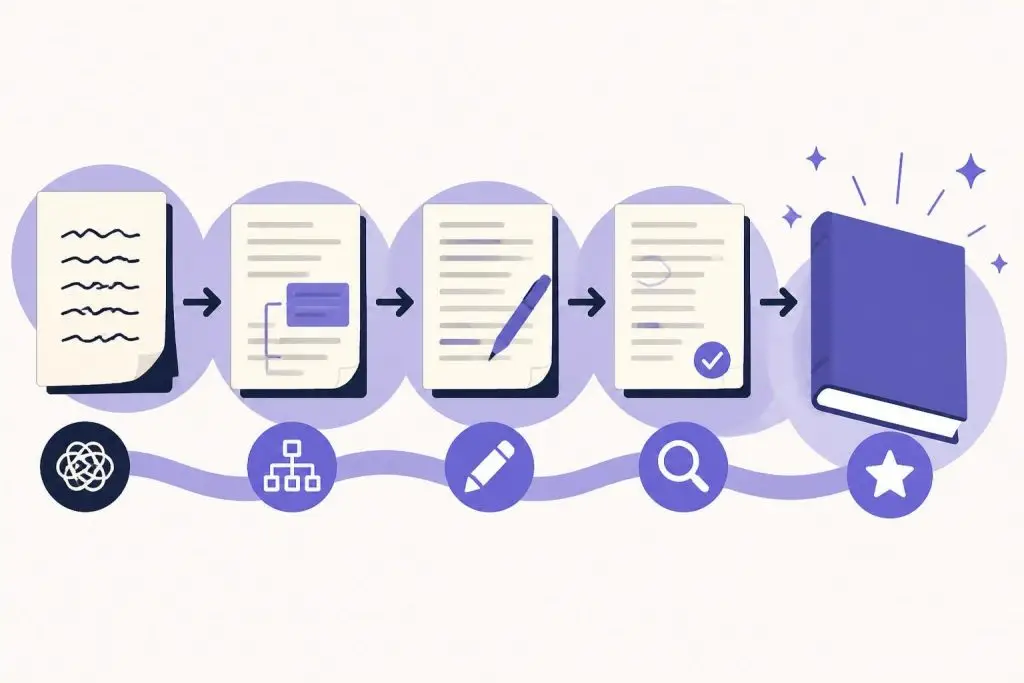
The phrase "edit my book" echoes through every writer's mind at some point, usually around 2 a.m., three months after finishing a first draft. It's that moment when you realize the story you've poured your heart into needs serious work before it can meet readers. I remember sitting in a coffee shop in Portland, staring at my laptop screen, overwhelmed by the 97,000-word manuscript that needed attention. Every author faces this crossroads: the exciting creative phase ends, and the meticulous, often grueling editing phase begins. But here's what I've learned after helping dozens of writers through this process: editing isn't just about fixing typos or smoothing out awkward sentences. It's about transforming your raw creative output into something that resonates deeply with readers, maintains their attention, and delivers the promise your opening pages make.
Understanding Why Professional Editing Matters
When you decide to edit my book, you're making a commitment to your readers and your craft. The difference between a self-edited manuscript and a professionally refined one isn't subtle. Readers notice within the first few pages whether a book has gone through rigorous editing.
Professional editing addresses multiple layers:
- Story structure and pacing issues that slow narrative momentum
- Character consistency and development arcs
- Plot holes and logical inconsistencies
- Prose quality and sentence-level clarity
- Grammar, punctuation, and technical accuracy
I once worked with a thriller writer named Marcus who insisted his book was "ready to publish" after two personal read-throughs. Six months after self-publishing, his reviews told a different story. Readers complained about confusing timelines, a protagonist whose personality changed randomly, and a climax that felt rushed. Marcus eventually pulled the book, invested in proper editing, and re-released it. The second version garnered completely different feedback. Understanding the complete book editing process transforms not just your current manuscript, but your entire approach to writing.
The Cost of Skipping Professional Editing
Every unedited book carries invisible costs. Poor reviews damage your author brand permanently. Readers who struggle through a confusing or error-filled book rarely return for your next release. The Amazon algorithm penalizes books with low ratings, making visibility nearly impossible.
Beyond reputation, there's the opportunity cost. That manuscript you've worked on for two years could be earning passive income, building your readership, and establishing your authority. Instead, it sits gathering digital dust because it wasn't ready for public consumption.
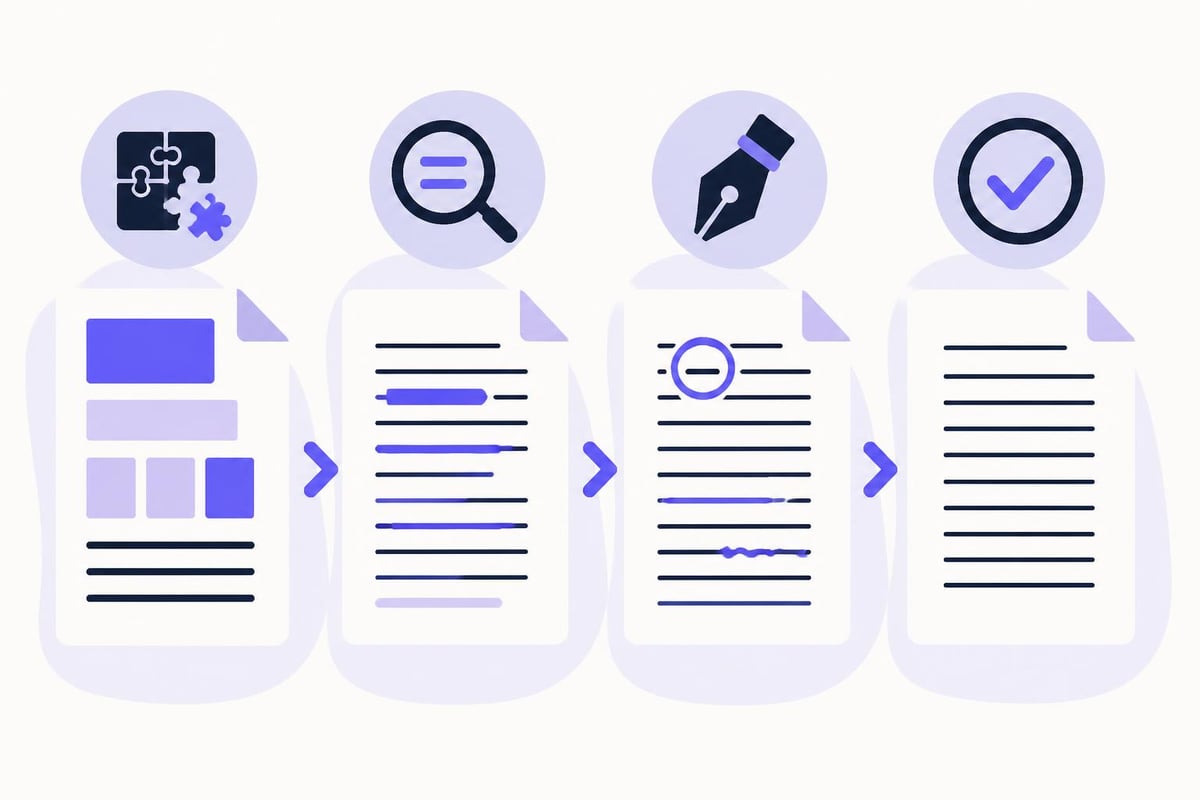
Breaking Down the Editing Process Into Manageable Stages
The question "how do I edit my book" becomes less daunting when you understand editing happens in distinct phases. Trying to fix everything simultaneously leads to mental exhaustion and missed errors.
Developmental Editing: The Big Picture
Start here, always. Developmental editing examines your manuscript's architecture: does your story structure support your narrative? Are your arguments in nonfiction books logical and well-supported? This stage often requires significant rewrites.
During developmental editing, you're asking fundamental questions:
| Question | What You're Evaluating |
|---|---|
| Does the opening hook readers effectively? | First chapter strength, inciting incident placement |
| Does the middle sustain interest? | Pacing, subplot integration, rising tension |
| Does the ending deliver satisfaction? | Resolution quality, thematic coherence |
| Are characters/arguments compelling? | Development arcs, motivational clarity |
I spent three weeks on developmental editing for my second novel, only to realize the entire first act needed restructuring. The protagonist's journey started too late, and the stakes weren't clear until chapter seven. Painful? Absolutely. Necessary? Without question.
Line Editing: Sentence-Level Refinement
Once your structure holds firm, zoom into individual scenes and paragraphs. Line editing focuses on how you've expressed your ideas. Self-editing techniques at this stage dramatically improve readability.
You're trimming unnecessary words, replacing weak verbs with strong ones, varying sentence length for rhythm, and ensuring every paragraph serves a purpose. Read your work aloud during this phase. Your ear catches awkward phrasing your eyes miss.
Copyediting and Proofreading: The Final Polish
These final stages catch grammar errors, spelling mistakes, punctuation problems, and formatting inconsistencies. Many authors mistakenly believe this is all editing involves, but it's actually the last step after structural and stylistic issues are resolved.
Practical Strategies to Edit My Book Effectively
Theory only takes you so far. When you sit down to actually edit my book, you need concrete strategies that work.
The Distance Technique remains the most powerful tool in your editing arsenal. Finish your draft, then step away completely for at least four weeks. Work on something else, read widely in your genre, live your life. When you return, you'll see your manuscript with fresh eyes. The plot holes become obvious. The purple prose jumps out. The pacing problems reveal themselves.
Sarah, a fantasy author I mentored, couldn't understand why her beta readers kept mentioning pacing issues in her middle chapters. She'd read those sections dozens of times and saw nothing wrong. After taking a six-week break and returning to the manuscript, she immediately spotted the problem: three consecutive chapters where nothing advanced the main plot. The distance gave her objectivity.
Creating an Editing Environment
Your environment shapes your effectiveness. I edit my book best in different locations than where I write. Writing happens at my home office desk; editing happens at the library or a quiet coffee shop. The location change triggers a mental shift from creator to editor.
Environmental factors that enhance editing:
- Eliminate distractions completely (phone in another room, internet blockers active)
- Use a different text size or font for editing versus writing
- Print physical copies for final proofreading passes
- Schedule editing sessions during your peak mental energy hours
- Set specific goals (edit three chapters, not "work on editing")
Systematic Approaches That Prevent Overwhelm
Professional editors use systematic approaches that you can adapt for self-editing. Create multiple passes through your manuscript, each targeting specific elements.
Sample multi-pass editing schedule:
- Structure pass: Plot, pacing, chapter breaks, scene order
- Character pass: Consistency, development, dialogue authenticity
- Prose pass: Sentence variety, word choice, descriptive language
- Technical pass: Grammar, spelling, punctuation
- Formatting pass: Consistency in chapter headings, spacing, italics usage
Never try to address all five in one reading. Your brain can't maintain that level of multitasking effectively.
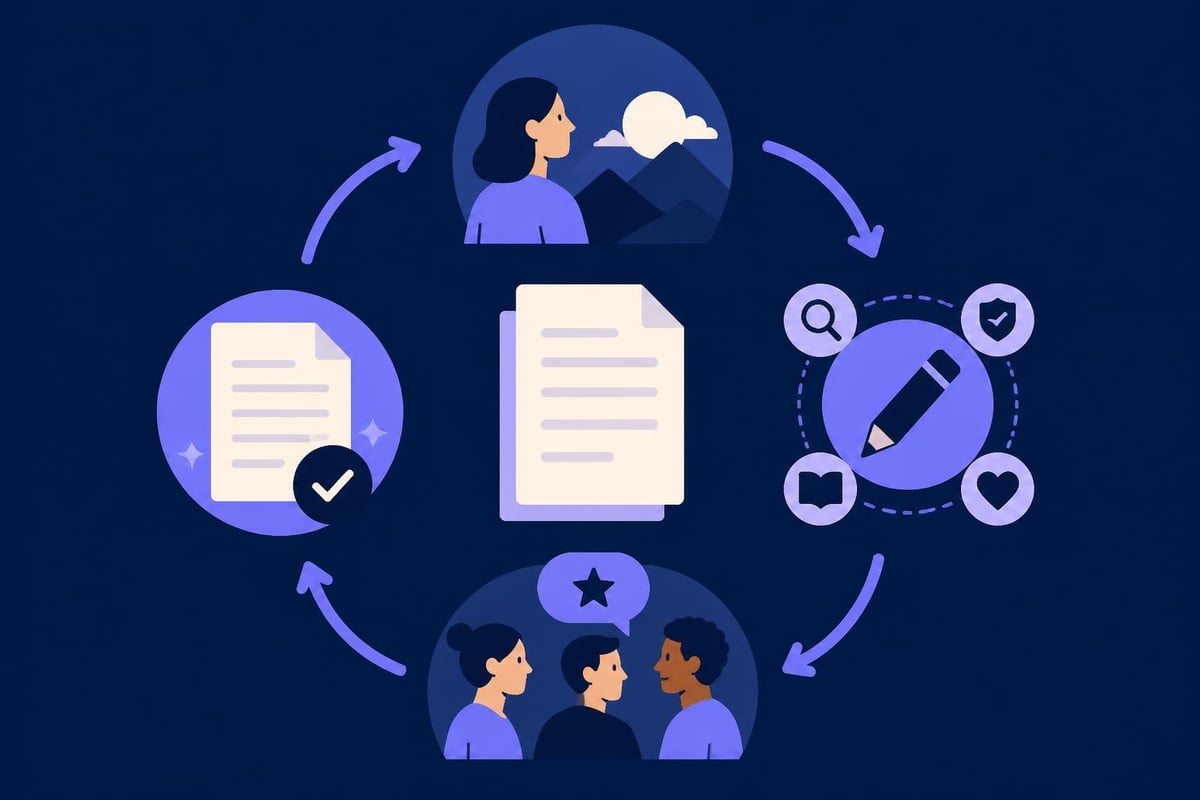
Leveraging Technology to Edit My Book Faster
Technology has revolutionized how authors approach the editing process. AI-powered tools for manuscript editing now offer capabilities that seemed impossible five years ago.
Modern writing platforms combine multiple editing functions in one ecosystem. Instead of juggling separate apps for writing, editing, formatting, and publishing, integrated solutions streamline your entire workflow. This matters because context-switching between applications drains cognitive energy you need for actual editing decisions.
When evaluating editing technology, prioritize tools that preserve your unique voice while helping with technical accuracy. The best AI editing assistants point out potential issues without rewriting your prose into generic corporate-speak. They highlight pacing problems, catch consistency errors across hundreds of pages, and identify overused words or phrases you've become blind to.
Technology assists with:
- Identifying repeated words or phrases across the full manuscript
- Tracking character descriptions and details for consistency
- Analyzing dialogue patterns and speech tag variety
- Highlighting passive voice, weak verbs, and filter words
- Checking chapter and scene length for pacing balance
For authors working on complex projects, book data visualization tools transform abstract editing concepts into concrete visual feedback. Seeing your chapter length distribution or dialogue-to-narration ratio as graphs reveals patterns invisible in linear text editing.
Combining AI Assistance With Human Judgment
Technology accelerates editing but doesn't replace authorial judgment. When AI suggests changes, evaluate each recommendation against your artistic intent. Sometimes breaking grammar rules serves your story. Sometimes repetition creates deliberate rhythm.
I use AI editing tools as a first-pass assistant, flagging potential issues for my consideration. This approach catches 70-80% of technical problems quickly, leaving me mental energy for the creative editing decisions only human judgment can make. The key is maintaining control: you're using AI as a powerful assistant, not surrendering editorial decisions to algorithms.
Common Pitfalls When You Edit My Book
Every author makes predictable mistakes during self-editing. Awareness helps you avoid them.
Editing too soon ranks as the most common error. You finish your last chapter, feel exhausted but accomplished, and immediately dive into editing. Your brain is still in creation mode, emotionally attached to every word. You can't evaluate objectively. Force yourself to wait.
| Pitfall | Why It Happens | Solution |
|---|---|---|
| Editing while writing | Perfectionism, fear of bad first drafts | Separate creation and editing completely |
| Skipping developmental editing | Eagerness to polish prose | Always address structure before sentences |
| Ignoring beta reader feedback | Defensive attachment to your vision | Listen for patterns in feedback |
| Over-editing into blandness | Loss of confidence, trying to please everyone | Preserve your distinctive voice |
| Editing in isolation | Fear of judgment, desire for control | Join writing groups, find critique partners |
Over-editing destroys manuscripts as surely as under-editing. I've watched writers edit the life out of their prose, smoothing away every rough edge until nothing distinctive remains. Your first instinct is often correct. If you've revised the same paragraph seventeen times and each version seems marginally different from the last, stop. Move on.
The Perfectionism Trap
Perfectionism convinces you to edit my book endlessly without ever reaching "finished." There's always one more pass you could make, one more word choice to reconsider, one more opinion to seek. Understanding when your manuscript is ready requires experience and courage.
Set concrete completion criteria before you begin editing. Define what "done" means: "After I've completed five editing passes, received feedback from three beta readers, and addressed all major concerns, I'm finished." Without clear criteria, editing becomes procrastination disguised as diligence.
Building Your Author Platform While You Edit
The months you spend editing your manuscript shouldn't exist in a vacuum. Smart authors use this time to build their platform and connect with future readers. This doesn't mean rushing to publish unfinished work, but rather engaging with your community while refining your craft.
Consider sharing your editing journey authentically. Readers appreciate transparency about the creative process. When you post about struggling with a plot hole or celebrating finally nailing a difficult scene revision, you're building anticipation for your finished book while demonstrating your commitment to quality.
If you're entrepreneurial-minded, the time between drafting and publishing offers opportunities to develop complementary skills. Many successful authors create digital products that serve their audience while generating income during the editing phase. Platforms like CreateSell provide resources for turning your expertise into courses, guides, or tools that build your author business beyond book sales alone.
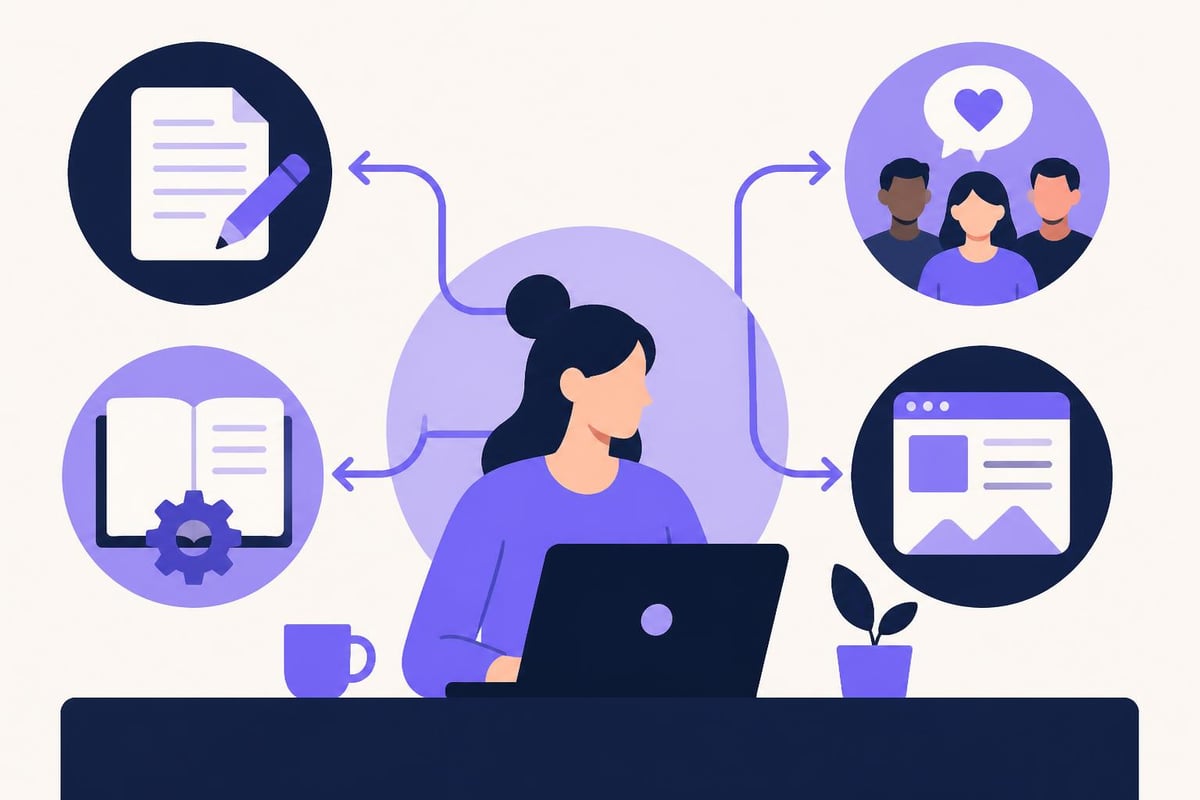
Professional Help: When and How to Invest
Eventually, most serious authors face the question: should I hire professional help to edit my book? The answer depends on your goals, budget, and current skill level.
When professional editing becomes essential:
- You're pursuing traditional publishing (agents and publishers expect professionally edited submissions)
- You're investing significantly in marketing your self-published book
- You've received consistent feedback about specific weaknesses you can't see
- Your previous books received criticism for editing quality
- You're writing in a competitive genre where quality expectations are high
Professional editors bring fresh perspective and specialized expertise. Understanding the different types of editing services helps you choose the right level of support for your needs and budget.
Finding the Right Editorial Partner
Not all editors suit all manuscripts. Look for editors with experience in your genre who understand its conventions and reader expectations. Request sample edits before committing to full manuscript projects.
Budget-conscious authors can hire editors for specific stages rather than comprehensive editing. Perhaps you self-edit thoroughly, then hire a professional copyeditor for final technical polish. Or invest in developmental editing for structural guidance, then handle line editing yourself.
Questions to ask potential editors:
- What books in my genre have you edited recently?
- Can you provide references from previous author clients?
- What does your editing process look like, and what will I receive?
- What's your typical timeline for a manuscript of my length?
- Do you offer payment plans or editing by chapter?
Remember that professional editing represents an investment in your author career, not just a single book. The education you receive through a good editor's comments improves your writing permanently.
Integrating Formatting Preparation During Editing
Smart authors think about print book formatting even during the editing phase. Understanding how your manuscript will eventually appear in print or digital form influences certain editing decisions.
Chapter length considerations change when you visualize your book's physical form. A 2,000-word chapter feels different in a 6×9 paperback versus an ebook. Scene breaks need clear formatting so they translate correctly across formats. These aren't trivial concerns to address later; they're integral to reader experience.
Modern writing platforms that combine editing and formatting capabilities let you see your manuscript in realistic book layouts as you edit. This visual feedback helps you make better decisions about pacing, white space, and reading rhythm. What looks fine in a standard document might create awkward page breaks or orphaned lines in actual book format.
Creating Your Personal Editing Checklist
Every author develops personal weaknesses requiring special attention. Maybe you overuse certain words, struggle with comma placement, or habitually start too many sentences with pronouns. Create a customized checklist addressing your specific patterns.
Sample personalized editing checklist items:
- Search for "just," "really," "very," "that" and evaluate each instance
- Check that chapter hooks end with tension or questions
- Verify all character eye color descriptions match throughout
- Confirm timeline consistency (day of week, time elapsed between events)
- Review all chapter lengths for pacing consistency
- Check that every scene advances plot or develops character
- Verify spelling consistency for made-up terms or names
Update your checklist as you identify new patterns. This evolving document becomes more valuable with each manuscript you complete.
Beta Readers: Your Secret Editing Weapon
When you're ready to edit my book with outside input, beta readers provide invaluable perspective before you invest in professional editing. Choose readers who understand your genre, read widely, and can articulate specific feedback rather than vague impressions.
Effective beta reader management:
| Stage | Action | Goal |
|---|---|---|
| Selection | Choose 4-6 readers with diverse perspectives | Identify consistent issues versus personal preferences |
| Preparation | Send clean manuscript with specific questions | Get targeted feedback on known concerns |
| Timeline | Give 3-4 weeks for reading and feedback | Prevent rushed, superficial responses |
| Feedback | Request written responses to specific questions | Gather actionable insights, not just praise |
| Implementation | Look for patterns across multiple readers | Address issues multiple readers mention |
Prepare specific questions for your beta readers beyond "what did you think?" Ask about pacing in specific sections, character motivations at key moments, clarity of explanations for nonfiction concepts. The more targeted your questions, the more useful their feedback.
I learned this lesson after my first beta reader round produced comments like "I enjoyed it!" and "Pretty good." Useless. My second round, I asked specific questions about whether the protagonist's choice in chapter twelve felt earned, whether the pacing dragged in the middle section, and which secondary character resonated most strongly. The feedback transformed my revision.
The Emotional Journey of Editing
Let's address what nobody talks about: editing is emotionally exhausting. The creative high of drafting gives way to the grinding work of refinement. You'll have days when you hate everything you've written, convinced you should abandon the project entirely.
These feelings are normal, universal, and temporary. Every successful author has faced them. The complete editing journey includes emotional valleys where doubt feels overwhelming.
Strategies for emotional resilience during editing:
- Set boundaries around editing time so it doesn't consume your entire life
- Celebrate small wins (finished editing a difficult chapter, solved a plot problem)
- Connect with other authors who understand the process
- Remember why you started writing this book in the first place
- Keep a folder of positive feedback to review during low moments
Your relationship with your manuscript changes during editing. The infatuation phase ends; the commitment phase begins. This is where you demonstrate your dedication to your craft and your readers.
Specialized Considerations for Different Genres
The way you edit my book varies significantly depending on genre. Thriller pacing requires different attention than literary fiction. Nonfiction demands source verification that fiction doesn't.
Genre-specific editing priorities:
Fiction authors must verify character consistency across hundreds of pages, ensure timeline coherence, maintain appropriate pacing for their genre, create satisfying emotional arcs, and check dialogue authenticity. Meanwhile, nonfiction writers need to verify all factual claims and statistics, ensure logical argument progression, check citation accuracy and completeness, maintain consistent authority and voice, and confirm examples effectively illustrate concepts.
For authors writing young adult fiction, voice authenticity requires special attention. Teen characters must sound genuinely teenage without using slang that dates your manuscript immediately. Historical narrative writing demands meticulous research verification during editing to catch anachronisms or historical errors.
Making Editing a Sustainable Practice
As you continue your author career, editing becomes a skill you develop across multiple manuscripts. Each book teaches you something new about the process and about your own patterns as a writer.
Invest time in learning about craft elements you struggle with. If you consistently receive feedback about weak dialogue, study dialogue technique specifically. Read books in your genre noting how successful authors handle conversations. Practice deliberately.
Professional editing tips from experienced editors often emphasize that writing and editing are separate skills requiring separate practice. You can be talented at one and need development in the other. Recognize where you excel and where you need support.
The goal isn't to edit my book perfectly on the first manuscript. The goal is to improve with each project, developing your editorial eye alongside your creative voice. Writers who embrace editing as part of their craft rather than a necessary evil produce consistently stronger work.
Editing transforms your raw creative vision into polished reality that readers can experience and enjoy. Whether you choose self-editing techniques, AI assistance, professional editors, or a combination approach, the commitment to thorough editing separates publishable books from abandoned drafts. Storyloft brings together everything you need to write, edit, format, and publish your book in one integrated platform, with Eddy providing AI editing that preserves your unique voice while strengthening your manuscript's impact. Start your editing journey with tools that support your vision rather than complicate your process.