How to Start Writing a Book: My Complete Guide

I once stared at a blank screen, feeling stuck. The book inside me seemed trapped. If you’re feeling the same, know you’re not alone. Even famous authors like Stephen King and Brené Brown started where you are.
Starting to write a book can be daunting. You might wonder where to start or if you’re good enough. I asked myself these questions too.
This guide is my honest, step-by-step journey. It’s not filled with fluff or vague tips. It’s the real strategies I used to turn my idea into a manuscript.
Whether you dream of writing a novel, memoir, or nonfiction book, this guide is for you. It covers everything from finding your idea to getting feedback. Let’s make your dream a reality.
Key Takeaways
- Starting to write a book means accepting your imperfections and just writing.
- Having a writing schedule and a dedicated space helps a lot.
- Feeling self-doubt is normal and shows you care, not that you should give up.
- Outlining your book before you start drafting saves time and keeps your story on track.
- Feedback from beta readers and professional editors is crucial before you publish.
- This complete guide covers every step, from brainstorming to revision, at your own pace.
Why I Decided to Write My First Book
Writing a book wasn’t something I thought about overnight. It was a slow-growing idea, like a seed I watered for years without knowing. I had stories and knowledge I wanted to share. One day, I decided it was time to start writing.
Finding My Writing Motivation
My motivation to write came from a simple reason: I had something to say that no one else was saying. For some, it’s a personal story. For others, it’s a desire to teach or entertain. Here are some common reasons people write a book:
- Sharing expertise with more people
- Telling a story only they can tell
- Leaving a legacy for family or community
- Building credibility in a field
A 2024 survey by Written Word Media found over 78% of aspiring authors were motivated by a story they couldn’t ignore. This really spoke to me.
Overcoming the Fear of Starting
My fears were loud. Imposter syndrome asked, “Who are you to write a book?” Perfectionism wanted every sentence perfect before moving on. These fears almost stopped me.
“Start before you’re ready. Confidence comes from doing, not waiting.” — Marie Forleo
I overcame my fears by allowing myself to be bad at first. The messy draft could be fixed later. The real challenge was the blank page.
Setting Realistic Expectations
I didn’t aim to finish a novel in 30 days. Instead, I set small, achievable goals to keep me moving.
| Goal Type | Unrealistic Version | Realistic Version |
|---|---|---|
| Daily Word Count | 5,000 words per day | 500 words per day |
| First Draft Timeline | 1 month | 4–6 months |
| Weekly Writing Days | 7 days a week | 4–5 days a week |
These small goals made writing a book feel possible without burning out. With my motivation and fears in check, I was ready to find the right idea and genre for my story.
Discovering Your Book Idea and Genre
Every great book starts with a spark. For me, that spark came from my own life. I found the best ideas in my personal experiences, passions, and frustrations.
I grabbed a notebook and wrote down every exciting idea. No matter how wild it seemed.
Knowing what you want to say and who you want to say it to makes writing easier. I researched what readers were buying. Romance alone made over $1.4 billion in 2022 in the U.S.
This data showed me where demand was. It helped me understand what readers wanted.
Choosing a genre is more than picking a category. Each genre has its own expectations. Here’s a quick look at some popular ones:
| Genre | Reader Expectation | Key Element |
|---|---|---|
| Romance | Emotionally satisfying ending | Central love story |
| Mystery | Puzzle to solve | Clues and suspense |
| Self-Help | Actionable advice | Clear frameworks |
| Fantasy | Immersive world | Detailed world-building |
After coming up with promising ideas, I wrote one-page summaries. This helped me see which idea could fill a whole book. If I couldn’t get excited about it on one page, it wasn’t ready.
“You don’t start out writing good stuff. You start out writing crap and thinking it’s good stuff, and then gradually you get better at it.” — Octavia E. Butler
Choosing my genre was about three questions:
- What do I love reading?
- What topics can I write about for months without losing interest?
- Where does my passion overlap with market demand?
With my idea and genre in place, I was ready to start my writing routine. That’s what I’ll cover next.
How to Start Writing a Book
Starting to write a book is more than just writing. You need the right setup, tools, and a good writing routine. Let me share the steps that helped me.
Creating Your Writing Space
I made a small writing area in my apartment. It had no TV or clutter, just a desk, lamp, and quiet. Having a dedicated space tells your brain it’s time to write. Even a kitchen table can work if you keep it clear.
Establishing a Writing Schedule
Finding a consistent writing time changed my life. I tried mornings and evenings before settling on mornings. Choose a time that fits your life and stick to it. Writing daily, even for 30 minutes, builds a strong habit faster than weekend writing.
“You don’t start out writing good stuff. You start out writing crap and thinking it’s good stuff, and then gradually you get better at it.” — Octavia E. Butler
Choosing Your Writing Tools
Your tools should fit your project. Here’s a comparison of tools I’ve used:
| Tool | Best For | Price | Key Feature |
|---|---|---|---|
| Google Docs | Beginners | Free | Cloud-based, easy sharing |
| Microsoft Word | Traditional writers | $6.99/month | Robust formatting options |
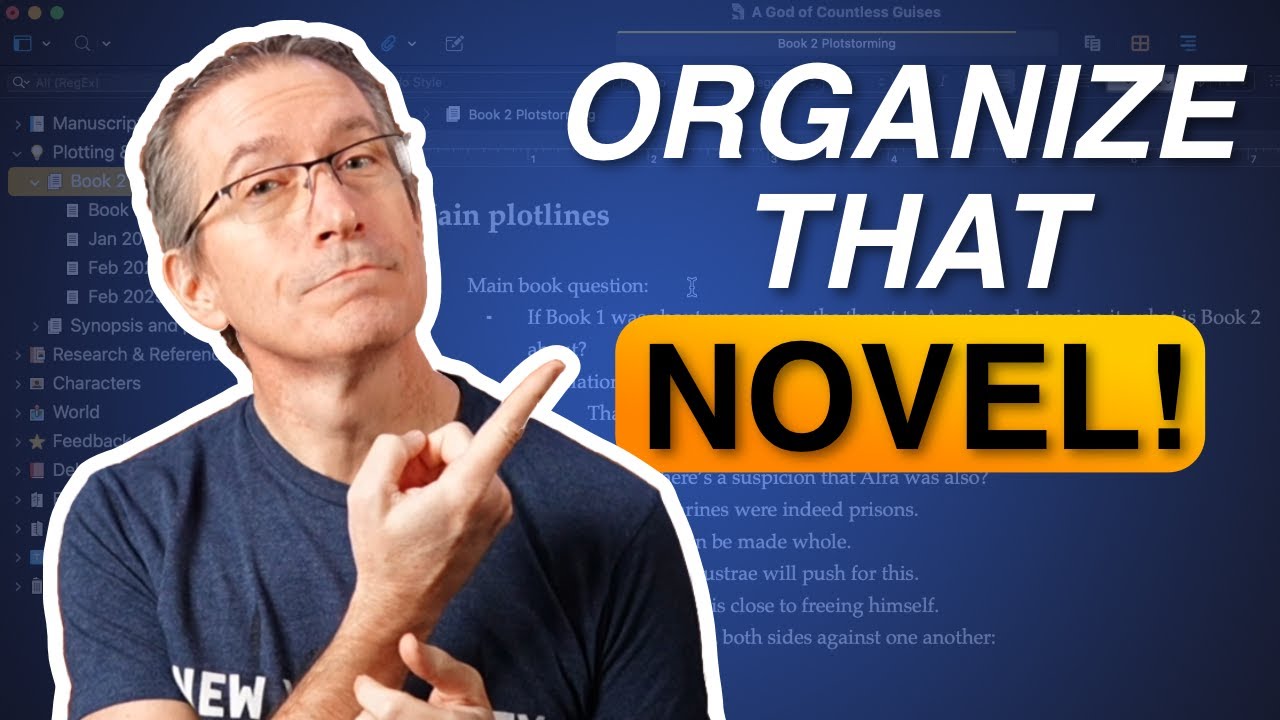
| Scrivener | Long-form projects | $49 one-time | Chapter organization and outlining |
Setting Daily Word Count Goals
I started with 250 words a day. It felt easy and kept me from feeling overwhelmed. Soon, I increased my goal to 500 words, and now I aim for 1,000–2,000 words. Start small and gradually increase your goals. Your characters will thank you for the consistency.
Developing Your Main Characters
Learning to write a book means spending time with your characters. They are the heart of your story. Readers stay because they care about the characters.
Before starting, get to know your characters. They will carry your story.
Building Character Profiles
I make a detailed sheet for each main character. It’s more than just looks and age. I explore their backstory, fears, and motivations. What does my character want more than anything? This question guides everything.
Creating a protagonist means making them flawed. Perfect characters are boring. Flaws make characters relatable and keep readers interested.
| Profile Element | Why It Matters | Example |
|---|---|---|
| Core Motivation | Drives every decision | Desire to protect family |
| Fatal Flaw | Creates internal conflict | Inability to trust others |
| Backstory Wound | Explains behavior patterns | Childhood abandonment |
| Secret Fear | Raises emotional stakes | Fear of being alone |
Creating Believable Dialogue
I watch real conversations to learn. People interrupt and dodge questions. Great dialogue shows this messiness.
One rule: never use dialogue as an info dump. If a character explains the plot, it’s a sign of trouble.
Understanding Character Arcs
Every protagonist must change. I map their emotional journey. Growth comes from struggle, not luck.
The best stories don’t just tell us what happened. They show us who someone became.
With strong character profiles, you’re ready for your book outline.
Crafting Your Book Outline
Once your characters are alive in your mind, it’s time to give them a roadmap. Outline planning is the step that transforms a scattered idea into a focused, writable project. I’ll be honest — this part scared me at first. But it became the backbone of my entire book writing journey.
Writers tend to fall into two camps: plotters and pantsers. Plotters map out every chapter before typing a single word. Pantsers fly by the seat of their pants, discovering the story as they write. I landed somewhere in the middle. I needed enough story structure to stay on track, but I left room for surprises along the way.
Several popular frameworks can guide your outline planning. Here’s a quick comparison:
| Method | Best For | Structure Level | Key Feature |
|---|---|---|---|
| Three-Act Structure | Most fiction genres | Moderate | Divides story into setup, confrontation, and resolution |
| Save the Cat Beat Sheet | Plot-driven stories | Detailed | 15 specific beats that guide pacing and emotional arcs |
| The Snowflake Method | Complex narratives | Very Detailed | Builds from a single sentence to a full outline in layers |
| Loose Chapter Summaries | Character-driven stories | Flexible | Brief notes per chapter covering key plot points and character moments |
I wrote one or two sentences for each chapter. Each summary included a key plot point and at least one character moment. This gave me solid story structure without locking me into rigid scenes.
The real trick in book writing? Hold your outline loosely. Let it guide you — not cage you. Some of my best chapters came from detours I never planned. With a flexible outline in hand, you’ll be ready to tackle the exciting (and messy) first draft ahead.
Writing Your First Draft
The first draft of a book is where the magic starts. It’s messy and imperfect, but that’s okay. Once you have an outline, it’s time to start writing. The goal is to keep moving, not to make it perfect.

Embracing the Messy First Draft
Anne Lamott said in Bird by Bird that every great book starts as a bad draft. She calls them “shitty first drafts.” They are the foundation to build upon. I found that not trying to write perfect sentences helped me write faster.
Pushing Through Writer’s Block
Getting past writer’s block is tough. Here are some tips that help me:
- Try freewriting for 10 minutes without stopping or editing
- Switch to a different scene or chapter
- Change your physical location — a coffee shop, a park, a library
- Talk through your scene out loud before typing
Maintaining Writing Momentum
Consistency is key, not big writing sessions. I use writing sprints of 20 to 30 minutes to stay focused. Having someone to report to also helps a lot. Knowing someone is checking in keeps me going.
| Momentum Strategy | Time Needed | Best For |
|---|---|---|
| Writing Sprints | 20–30 minutes | Boosting daily word count |
| Accountability Partner | Weekly check-ins | Long-term consistency |
| Freewriting Sessions | 10 minutes | Overcoming blocks |
| Location Changes | Varies | Breaking creative ruts |
With the right habits, your first draft will come together quickly. Then, you can work on making your story strong.
Building Your Story Structure
When I started writing my first book, I quickly learned that a great idea isn’t enough. You need a solid framework to hold everything together. That’s where story architecture comes in — it’s the blueprint that keeps your narrative on track from page one to the very last word.
Every strong story rests on a few fundamental elements. Think of them as the pillars of your plot development:
- Inciting incident — the event that kicks your story into gear
- Rising action — escalating tension and stakes that grip your reader
- Climax — the peak moment where everything collides
- Resolution — the satisfying landing that ties things together
I like to check each scene against a simple test: does this scene push the plot forward or reveal something new about a character? If the answer is no, the scene needs to go. This rule alone transformed my plot development process and tightened my pacing.
Subplots deserve attention, too. They add richness and depth, but they should support — never overshadow — your main storyline. A romantic subplot or a secondary character’s arc can deepen your world, as long as it connects back to the central thread.
“Structure is the bones of a story. Voice is its soul.” — Shawn Coyne, The Story Grid
Once I understood story architecture at this level, writing the book felt less like wandering in the dark and more like following a map. With your structure in place, finding your unique writing voice — our next step — becomes far easier because you already know where your story is going.
Finding Your Writing Voice
Learning to write a book means finding your unique voice. Your author voice is the personality in your words. It makes your book stand out from others.
Developing Your Unique Style
I found my writing style by studying my favorite authors. I admired Stephen King’s direct writing and Toni Morrison’s lyrical style. Reading their work out loud helped me understand strong sentences.
Try reading your pages out loud. It helps you spot awkward phrases quickly. Your voice grows stronger with each write and revise.
Staying Consistent Throughout Your Book
A consistent style keeps readers engaged. If your first chapter is funny, the rest should stay that way. I keep a style guide for each project.
It reminds me of my tone, sentence length, and vocabulary. This helps me stay true to my style.
| Tone Type | Best For | Example Author |
|---|---|---|
| Humorous and Casual | Romantic Comedy, Memoir | Nora Ephron |
| Dark and Suspenseful | Thriller, Horror | Gillian Flynn |
| Lyrical and Poetic | Literary Fiction | Toni Morrison |
| Direct and Spare | Crime, Action | Ernest Hemingway |
Connecting with Your Target Audience
Your writing style should match what your readers expect. I analyze bestsellers in my genre. I look at sentence structure, pacing, and word choice.
Readers of young adult fiction want something different than literary fiction readers. Knowing your audience helps you create a voice that resonates. This keeps readers engaged, even through the middle of your book.
Managing the Middle of Your Book
The middle chapters are crucial for your story’s success. I’ve faced the 30,000-word wall many times. The excitement of the start fades, and the end seems far away.
This is when many give up. But, with the right approach, you can overcome this hurdle and enjoy the journey.

Avoiding the Dreaded Middle Slump
The middle slump is a real challenge. I fight it by introducing unexpected twists. These surprises can refresh a story that’s losing steam.
Janice Hardy suggests that the middle should increase problems. This makes the stakes higher and more personal. Her guide on what makes a good middle is very helpful.
I aim for a strong midpoint reversal. This is a moment that changes the story’s direction. It gives me a clear goal for the first half and a compelling problem for the second.
Keeping Your Plot Moving Forward
Every chapter must have a purpose. Before writing each scene, I ask: does this advance the story toward the climax? If not, I cut it. Good pacing means no unnecessary pages.
The middle isn’t about adding more content — it’s about deepening what you already have so the beginning and ending connect in a satisfying way.
Here’s a quick checklist I use to keep my middle chapters on track:
- Escalate the conflict with each new chapter
- Answer old questions while raising new ones
- Push the protagonist out of their comfort zone
- Build toward an “All is Lost” moment before the climax
| Middle Chapter Element | Purpose | Impact on Story Pacing |
|---|---|---|
| Midpoint Reversal | Shakes up the protagonist’s goals | Creates urgency and momentum |
| Rising Stakes | Makes the conflict more personal | Keeps readers emotionally invested |
| Character Revelations | Deepens reader connection | Adds layers without slowing the plot |
| All is Lost Moment | Darkest point before resolution | Propels the story into the climax |
Writing Compelling Scenes and Chapters
Every great book starts with a single scene. I see each scene as a mini-story with its own start, middle, and end. The goal is to pull your reader into the action right away. Start in medias res — in the middle of things — so they’re hooked from the start.
Creating strong scenes involves mixing action, dialogue, and description. You don’t want just talking heads or endless descriptions. Blend them well and remember to “show, don’t tell.” Instead of saying “she was angry,” show her slamming a door or snapping at a friend.
Chapter hooks keep readers up late at night. I end chapters with cliffhangers, surprises, or unanswered questions. This makes them want to keep reading. Think of chapter hooks as little promises — something exciting is just ahead.
“The last line of every chapter should make the reader need to start the next one.” — James Patterson
Pacing is also key. Not every scene should be the same length or intensity. Here’s a quick guide I follow:
| Scene Type | Ideal Length | Intensity Level | Purpose |
|---|---|---|---|
| Action or Climax | Short (500–1,000 words) | High | Raise stakes and tension |
| Emotional or Reflective | Medium (1,000–1,500 words) | Medium | Deepen character growth |
| World-Building or Setup | Medium to Long (1,500–2,500 words) | Low to Medium | Establish setting and context |
Varying scene lengths creates a natural rhythm. Short scenes speed up the pace. Longer scenes give readers a break. This mix keeps your story exciting as you near the end of your draft.
Staying Motivated During the Writing Process
Learning to write a book is one thing. Staying the course is another challenge. I faced unexpected walls — days without words, weeks of doubt. Writing motivation doesn’t come easily. You must build habits and support to keep going when inspiration wanes.
Celebrating Small Writing Victories
I used to wait for big milestones to feel proud. That was a mistake. Now, I celebrate small wins — like finishing a tough chapter or hitting a weekly word count. These moments add up and boost my motivation.
- Track your daily word count in a spreadsheet or app like Scrivener
- Reward yourself after completing each chapter
- Share progress updates with a friend or writing partner
Finding Your Writing Community
Writing can feel lonely. Joining an author community changed that for me. Programs like National Novel Writing Month (NaNoWriMo) provided deadlines and accountability. Local groups and online forums, like Reddit’s r/writing, are also great options.
Being part of a community shows you’re not alone in your fears. Every writer faces them.
Dealing with Self-Doubt
Self-doubt was a daily visitor during my first draft. My inner critic said the story wasn’t good enough. I countered with a simple question: Why does this story matter to me?
You don’t have to believe in your writing every single day. You just have to show up and keep going.
Positive self-talk is essential. It helps you push past doubt. Once you overcome self-doubt, you’re ready to finish your draft, which I’ll discuss next.
Completing Your First Draft
You’re almost there. The finish line is in sight. This is the moment that separates people who talk about writing from those who actually write a book. The final stretch can feel exhausting. Your energy dips. Doubts creep in. But finishing strong is everything right now.
I’ll be honest—the biggest temptation near the end is going back to fix earlier chapters. Don’t do it. That urge to revise is a sneaky form of procrastination. It keeps you stuck in a loop and delays manuscript completion. Save the editing for later. Right now, your only job is to push forward and type those two beautiful words: “The End.”
According to research by the writing platform Reedsy, roughly 97% of people who start a book never finish it. That means manuscript completion puts you in a rare and impressive group. The quality of your draft doesn’t matter at this stage. A messy, imperfect first draft is infinitely better than a perfect idea that never leaves your head.
Here are my tips for finishing strong in the final stretch:
- Set a hard deadline for your last chapter and stick to it.
- Write in shorter, focused bursts to avoid burnout.
- Skip scenes that feel stuck and come back to fill gaps later.
- Remind yourself daily why you wanted to write a book in the first place.
- Plan a personal reward for when you finish.
| Challenge | How It Feels | What to Do |
|---|---|---|
| Fading energy | Exhausted, ready to quit | Shorten daily writing sessions to 20 minutes |
| Urge to revise early chapters | Perfectionism kicks in | Make a note and keep drafting forward |
| Self-doubt about quality | Convinced the book is terrible | Remember: every published author felt this way |
| Plot threads feel loose | Overwhelmed by loose ends | List unresolved threads and address them in revision |
“Start writing, no matter what. The water does not flow until the faucet is turned on.” — Louis L’Amour
Once you reach manuscript completion, take a moment to celebrate. You did something most people only dream about. Now you’re ready to move into the revision process with a full draft in hand—and that changes everything.
Beginning the Revision Process
You’ve typed the last words. Your first draft is complete. Now, it’s time to make it shine. The revision stage is where your story comes alive. But rushing can harm your work.
Taking a Break Before Editing
Step away from your manuscript. Take a break of two to four weeks. Go for walks or read other books. This break helps you see your work clearly.
Stephen King suggests at least six weeks in On Writing. Even two weeks can make a big difference.
“The best advice I can give on revision is to put your manuscript in a drawer and forget about it for a while.” — Stephen King
Reading Your Manuscript with Fresh Eyes
When you come back, print your manuscript. Reading on paper is different from screens. You’ll spot awkward sentences and gaps you missed.
Use a red pen to mark anything that feels off. Don’t fix anything yet. Just read and note.
Making Structural Changes
Start with big-picture issues before focusing on small details. Look at:
- Plot holes that confuse or frustrate readers
- Pacing problems — scenes that drag or rush
- Character arcs that feel incomplete
- Chapters that don’t serve the story
| Revision Stage | Focus Area | Recommended Time |
|---|---|---|
| Rest Period | No editing — full mental break | 2–6 weeks |
| First Read-Through | Overall impressions and notes | 1–2 weeks |
| Structural Edit | Plot, pacing, character arcs | 3–4 weeks |
| Line Edit | Sentence-level clarity and style | 2–3 weeks |
Start with the big picture to save time and energy. Don’t perfect paragraphs you might cut later. Focus on the foundation first. Then, the details will fall into place for feedback.
Getting Feedback on Your Manuscript
After I finished revising, I knew I needed new opinions. Writing the book was a solo effort, but getting it better needed outside views. Feedback can show you things you missed on your own.
Finding Beta Readers
I found 3–5 beta readers from my target audience. Goodreads groups and Reddit’s writing forums were great places to find them. Beta readers should match your book’s audience. I asked them about pacing, character likability, and confusing scenes.
Their honest reactions helped me find issues I couldn’t see myself.
Working with Writing Groups
I joined a local critique group that met twice a month. The best part is reciprocal feedback. You get better at editing by reviewing others’ work. Online groups like Critique Circle and Scribophile offer feedback exchanges.
Writing critiques made me a better writer, too.
Hiring Professional Editors
I hired a developmental editor through Reedsy for a polished manuscript. The Editorial Freelancers Association is another reliable source. Professional editing is an investment, but it’s worth it for a quality publication.
| Feedback Source | Best For | Typical Cost | Turnaround Time |
|---|---|---|---|
| Beta Readers | Reader-level reactions and beta reading insights | Free | 2–4 weeks |
| Writing Critique Groups | Chapter-by-chapter manuscript feedback | Free or small membership fee | Ongoing |
| Developmental Editor (Reedsy) | Structure, plot, and character depth | $1,000–$3,000+ | 4–8 weeks |
| Copy Editor (EFA Member) | Grammar, style, and consistency | $500–$1,500 | 2–4 weeks |
Feedback is key to making a good draft great. With beta readers, critique groups, and professional editors, your manuscript will be ready for publishing.
Conclusion
Learning to start writing a book changed my life in ways I never expected. I went from dreaming about writing to actually doing it every day. Every published author, like Stephen King and Toni Morrison, started with just an idea and courage.
This guide shared everything I wish I knew at the start. From finding your idea to getting feedback, each step brings you closer to finishing your book. The journey isn’t always easy, but it’s worth every moment.
Remember, persistence beats perfection every time. Your first draft won’t be perfect, and that’s okay. What’s important is starting today. Open a document, grab a notebook, or use Scrivener — and write your first sentence. Your book is waiting for you.
FAQ
How do I start writing a book if I have no experience?
Start small and build up gradually. Find a quiet writing space and pick your tools. Aim for 250 to 500 words a day.
Just start writing without worrying about being perfect. Every author, including Stephen King, began with a blank page.
How many words should I write a day when writing a book?
I started with 500 words a day. Then, I increased to 1,000 to 2,000 words. The goal is to write consistently, not to write a lot.
Even 250 words a day is over 90,000 words in a year. Find a daily word count that works for you.
Should I outline my book before I start writing?
It depends on your style. Some writers like detailed outlines, while others prefer to write freely.
Try a flexible outline with chapter summaries and key plot points. It gives direction while allowing for organic story development.
How do I overcome writer’s block during the book writing process?
Writer’s block can be tough. Embrace “messy first drafts” and give yourself permission to write badly.
Try freewriting, change your writing location, or use writing sprints. Having an accountability partner or joining NaNoWriMo can also help.
How do I find my unique writing voice?
Finding your voice takes time and practice. Read your work aloud to see what sounds natural.
Study authors you admire, like Stephen King and Toni Morrison. The more you write, the more your style will emerge.
What should I do when I hit the middle slump of my book?
The middle slump is common. Introduce an unexpected twist or reveal a hidden character layer.
Revisit your outline to ensure each chapter has a purpose. Remember why you started writing and keep going.
Do I need beta readers before publishing my book?
Yes, beta readers are essential. Recruit 3 to 5 readers from your target audience.
They’ll catch issues you can’t see. Also, join writing groups for feedback and consider a professional editor for publication.
How long should I wait before editing my first draft?
Wait two to four weeks before editing. This break helps you see your work with fresh eyes.
Read your manuscript on paper for a different experience. Tackle big-picture changes first, then line-level edits.
How do I develop believable characters for my book?
Create detailed character profiles with backstory and flaws. Perfect characters are boring.
Study real conversations and read dialogue aloud. Map out each character’s arc to ensure their growth feels earned.
Is it realistic to write a book while working a full-time job?
Yes, it’s realistic. Set realistic expectations and establish a consistent writing schedule.
Write 500 words a day during your best time. This pace can lead to a first draft in six months. Many bestselling authors wrote while working full-time.