First Page of a Book: How to Hook Readers Instantly
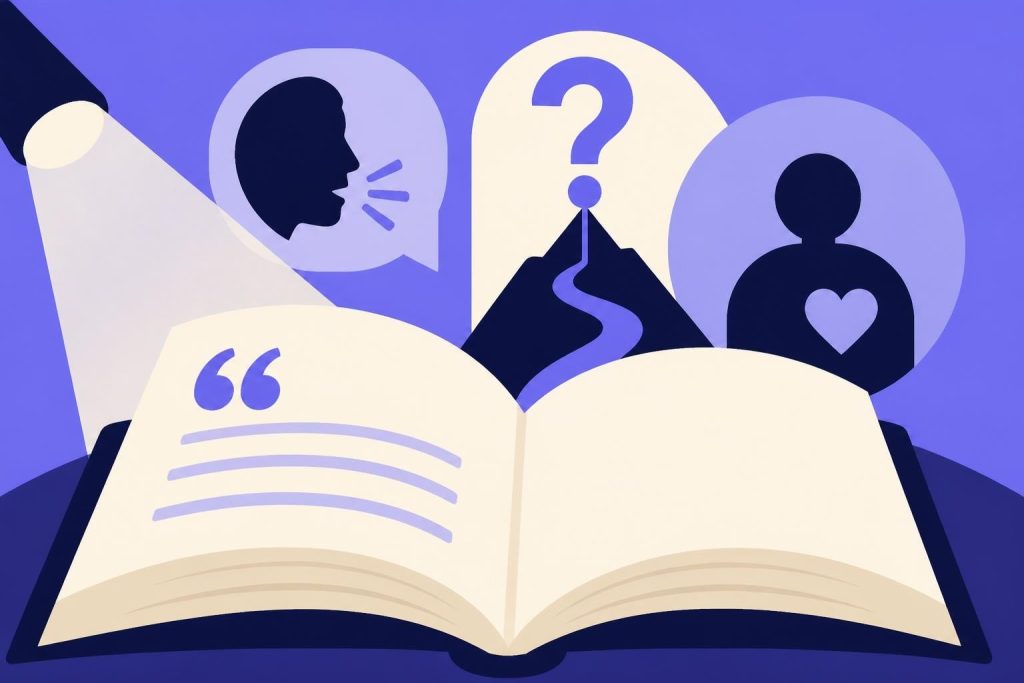
You've spent months, maybe years, working on your manuscript. But here's the truth: readers decide whether to keep reading in about 30 seconds. That's how long you've got to convince them your story is worth their time. The first page of a book carries more weight than any other page in your entire manuscript. It's your handshake, your first impression, and your promise all rolled into one. Get it right, and you've earned a reader. Get it wrong, and your book goes back on the shelf.
Why the First Page Matters More Than Ever
Back in the day, readers might give a book a few chapters before deciding. Not anymore. We're competing with Netflix, TikTok, and a million other distractions. Readers are pickier, and honestly, they should be.
The first page of a book needs to work harder than it did ten years ago. It's not just about literary agents or publishers anymore. Self-published authors face the same challenge with Amazon's "Look Inside" feature. Readers click that preview, scan the opening, and make their call.
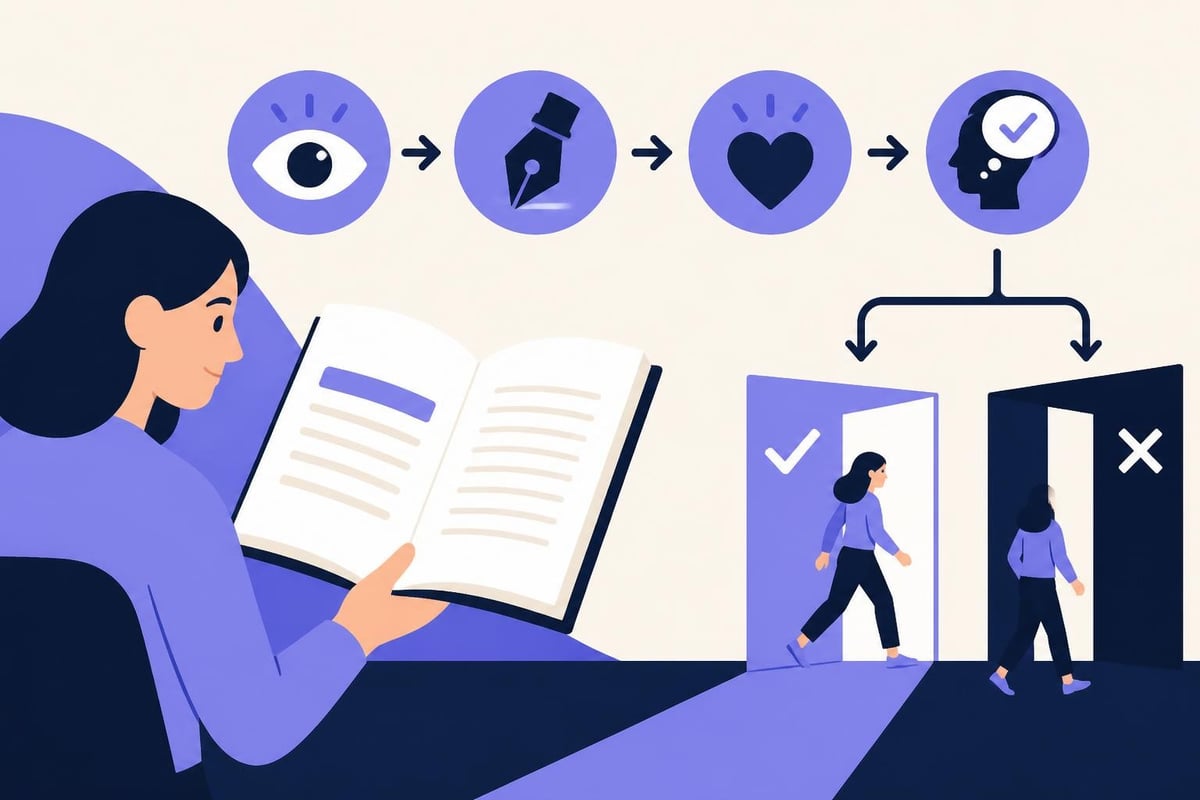
Think about your own reading habits. When you pick up a new book, you're not giving it the benefit of the doubt. You're looking for a reason to care. That's exactly what your readers are doing too.
What Makes a Strong Opening Page
Let's break down the essential elements that separate great first pages from mediocre ones.
Start With Action or Tension
You don't need explosions or car chases. Tension can be subtle. It can be a character making a difficult decision, facing an uncomfortable truth, or walking into a situation that feels wrong.
- Show movement: Something should be happening, even if it's internal
- Create questions: Make readers curious about what comes next
- Establish stakes: Hint at what matters to your character
- Set the tone: Match your opening energy to your genre
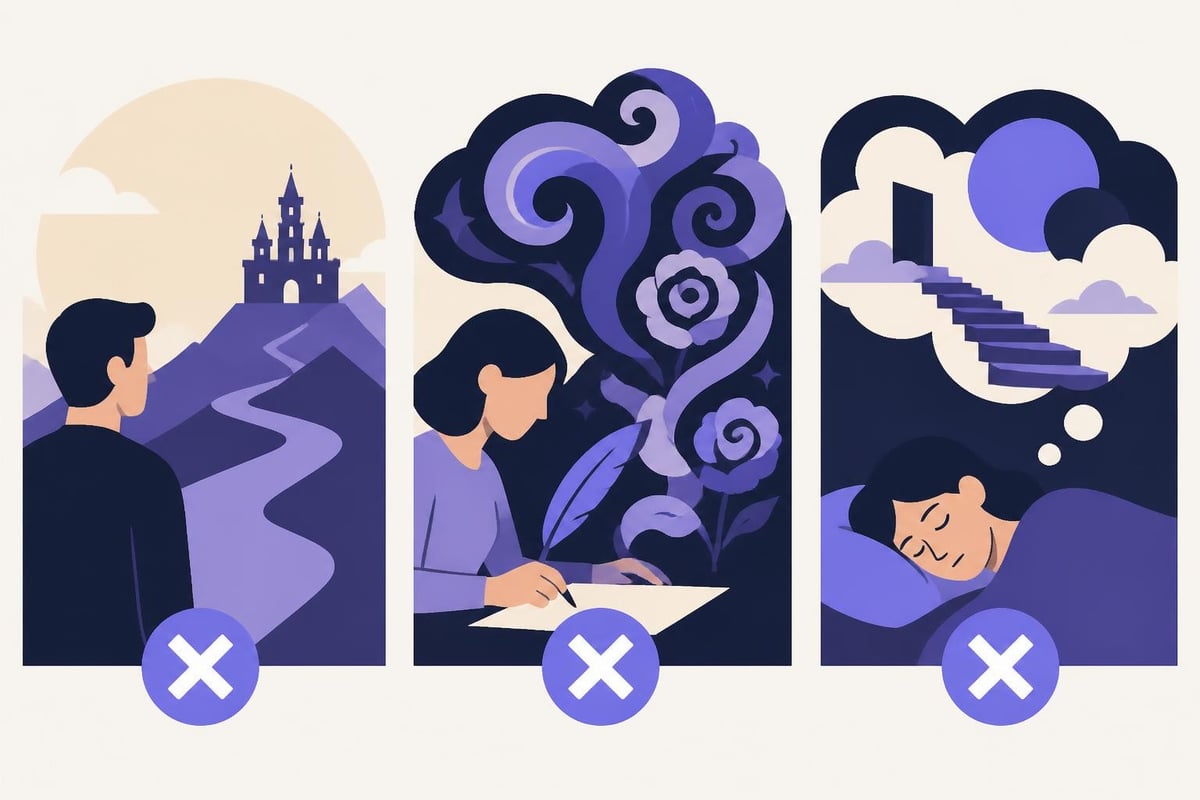
Here's what doesn't work: long descriptions of scenery, weather reports, or backstory dumps. Save those for later when readers already care about your characters.
Introduce Voice Immediately
Your voice is what makes your book yours. It should show up in the first sentence, not the third chapter. Whether you're writing a thriller, romance, or memoir, readers should get a feel for your style right away.
The first page of a book should sound like you're telling the story, not like you're trying to sound like someone else. Avoiding common beginner mistakes includes forcing a voice that doesn't feel natural to your story.
Ground Your Reader Without Info-Dumping
Readers need enough context to follow what's happening, but not so much that they feel like they're reading an instruction manual. Give them just enough to understand the scene.
| What to Include | What to Skip |
|---|---|
| Basic setting cues (where we are) | Detailed world-building explanations |
| Character's immediate situation | Full backstory or history |
| Emotional temperature | Multiple character introductions |
| Genre signals | Prologues (usually) |
Think of it like meeting someone at a party. You get their name, maybe what they do, and you start a conversation. You don't get their entire life story in the first minute.
Common First Page Mistakes Authors Make
Even experienced writers mess this up. I've seen published authors struggle with their openings more than any other part of their manuscript.
Starting Too Early
This is the biggest one. You might think you need to explain how your character got to this moment. You don't. Choosing where to start your story means picking the moment right before things change, not three weeks before that moment.
If your real story starts in chapter three, that's where your book should start. Cut everything before it. You can weave in necessary backstory later when readers are already hooked.
Overwriting the Opening
Some writers try so hard to make the first page perfect that it ends up feeling stiff and unnatural. They pack in metaphors, purple prose, and complicated sentences.
Simple often wins. Look at the opening pages of bestsellers. Most use clear, direct language. They trust their story instead of trying to impress with fancy writing.
Starting With a Dream Sequence
Please don't do this. Readers feel tricked when they invest in a scene only to learn it wasn't real. There are rare exceptions, but if you're asking whether your dream opening is one of them, it probably isn't.
Testing Your First Page
You can't judge your own first page objectively. You know too much about your story. That's where outside feedback becomes critical.
Beta Readers and First Impressions
Get your first page in front of fresh eyes. Beta readers can provide valuable feedback about whether your opening works. Ask them specific questions:
- Did you want to keep reading?
- What questions did it raise?
- Could you picture what was happening?
- Did you connect with the character's voice?
Don't ask if they liked it. That's too vague. You want actionable feedback about whether the page does its job.
The Cold Read Test
Hand your first page to someone who knows nothing about your book. Don't explain anything. Just watch their face while they read. You'll learn more from their expression than from their polite comments afterward.
If they look confused, you've left out crucial information. If they look bored, you haven't created enough tension. If they flip to page two without prompting, you've nailed it.
Revising Your Opening Page
Here's something most authors don't realize: you should probably write your first page last. Or at least, you should rewrite it after you've finished your manuscript.
Why? Because you don't fully understand your story until you've written it. The themes, the voice, the stakes – they all become clearer as you write. Your opening should reflect that clarity.
The Reverse Outline Method
Start from your current first page and outline what happens. Then ask yourself: what's the latest possible moment I could start this story and still have it make sense?
Often, you'll find you can cut the first few paragraphs, sometimes the first few pages. Every sentence you remove brings readers closer to the real action.
Reading Your Opening Aloud
This catches problems you'll miss reading silently. Awkward phrasing, repetitive words, and clunky sentences all become obvious when you hear them.
Record yourself reading and play it back. Even better, have someone else read it to you. You'll notice where they stumble, where they naturally pause, and where the rhythm feels off.
Genre-Specific First Page Strategies
Different genres have different expectations for their opening pages. Meeting those expectations doesn't mean being formulaic. It means understanding what your target readers are looking for.
Thriller and Mystery Openings
These need immediate tension. Not necessarily action, but a sense that something is wrong or about to go wrong. Mystery readers expect a puzzle right away. They want to start gathering clues from page one.
Your first page of a book in this genre should raise questions that demand answers. Who is this person? What are they hiding? What just happened here?
Romance Openings
Romance readers want to meet at least one of the main characters immediately. They want to get a sense of personality, humor, vulnerability. The opening should hint at the emotional journey ahead.
You don't need to introduce both romantic leads on page one, but readers should feel the potential for connection, conflict, or chemistry.
Literary Fiction Openings
Literary fiction gives you more room to establish atmosphere and voice. But "more room" doesn't mean "no urgency." Even literary readers need a reason to care.
Focus on beautiful, precise language that reveals character. The internal landscape matters as much as the external one in literary work.
Science Fiction and Fantasy Openings
The challenge here is introducing your world without overwhelming readers. You need to establish that we're not in Kansas anymore, but you can't spend three paragraphs explaining your magic system.
Drop readers into a specific moment. Let them figure out the world as they go. Creating effective world-building means trusting readers to piece things together from context clues.
Tools and Resources for Crafting Your Opening
Modern authors have advantages previous generations didn't. You can test different openings, get instant feedback, and revise with tools that make the process smoother.
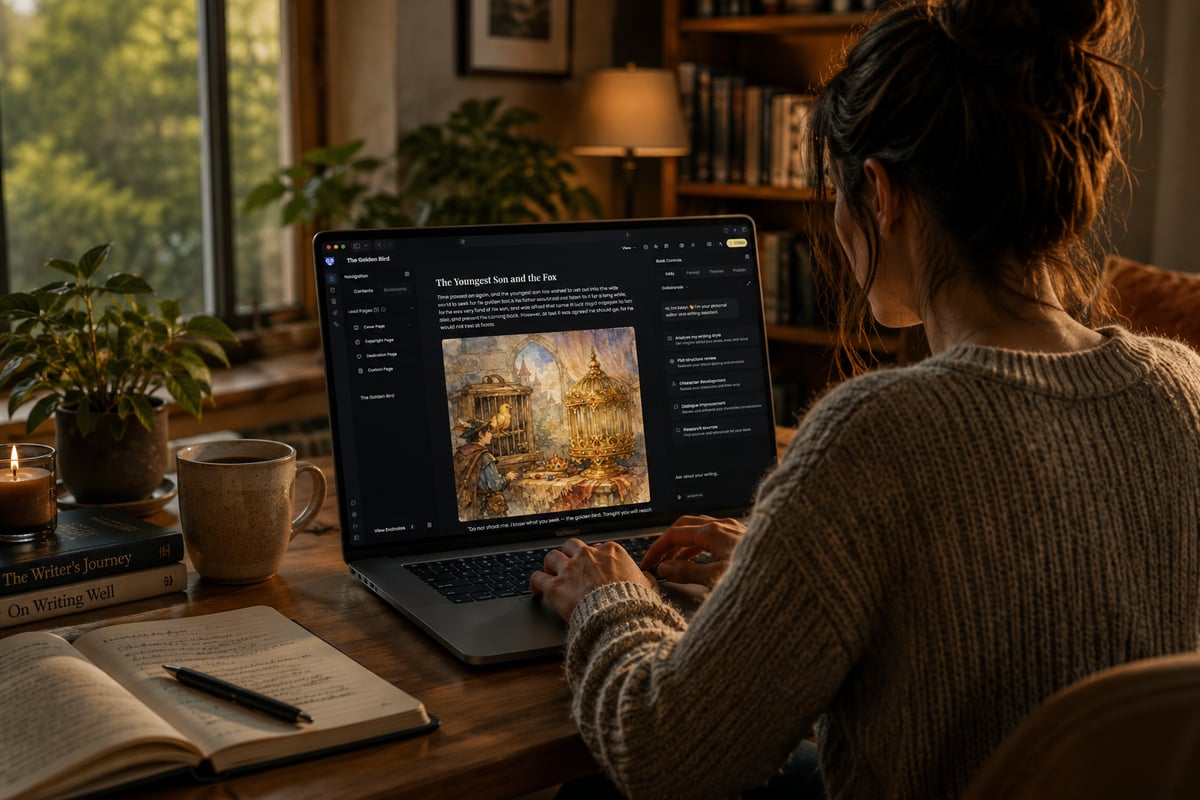
Many authors find that using dedicated book writing software helps them experiment with different opening approaches. Having all your notes, character details, and manuscript versions in one place makes it easier to see what works.
When you're working on something as critical as your opening page, you want tools that support revision and experimentation. Storyloft gives authors everything needed to write, edit, format, and publish a professional book in one place, with Eddy, an AI editor built for authors, providing feedback on pacing, structure, and prose while preserving your unique voice.
Creating Multiple Version Options
Don't commit to your first version. Write three completely different opening pages. Try starting in different places, with different tones, from different perspectives.
| Opening Version | Starting Point | Key Advantage |
|---|---|---|
| Version A | Moment of crisis | Immediate tension |
| Version B | Character introduction | Strong voice |
| Version C | In medias res | Quick hook |
See which one pulls you forward as a reader. Sometimes the version you like least as a writer connects best with readers.
The Relationship Between First Pages and First Chapters
Your first page doesn't work alone. It's part of your first chapter, and that chapter needs its own arc. Elements of a great first chapter include proper pacing, character development, and a hook that carries readers forward.
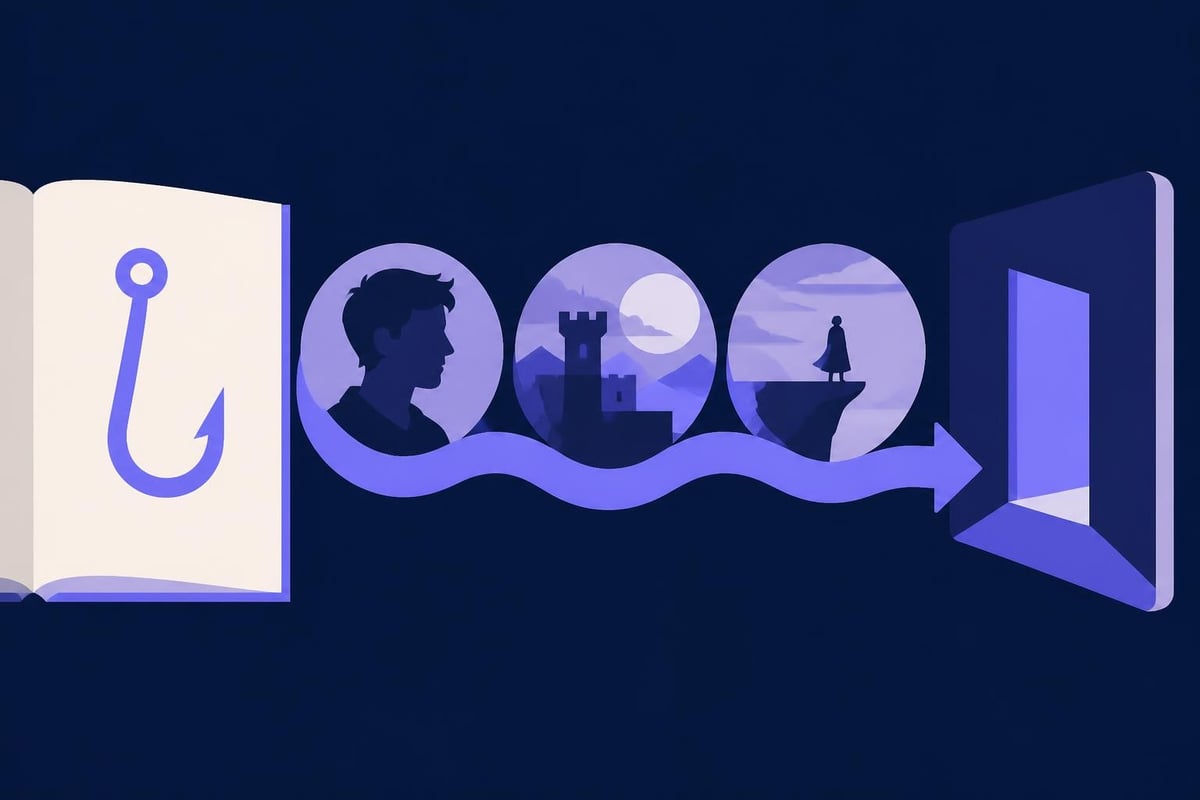
Think of your first page as the door that invites readers inside. Your first chapter is the room they enter. If the page gets them through the door but the chapter disappoints, they'll leave anyway.
The first page of a book creates a promise. The rest of the first chapter starts delivering on that promise. Make sure they work together.
Editing Checklist for Your First Page
Before you call your opening done, run through this checklist. Be honest with yourself about each point.
Content and Structure
- Does something happen on this page?
- Do we meet a character we can care about?
- Is there tension or conflict?
- Does it raise questions that need answering?
- Have I started at the right moment?
Writing Quality
- Is every sentence necessary?
- Have I cut all unnecessary adjectives?
- Does the voice feel natural?
- Are there grammar or punctuation issues?
- Do sentences vary in length and structure?
Reader Experience
- Can readers picture what's happening?
- Will they understand the basic situation?
- Have I avoided info-dumping?
- Does this match my genre's expectations?
- Would I keep reading if this wasn't my book?
That last question is the most important. Step back from being the author and evaluate as a reader.
When to Rewrite vs. When to Move Forward
Here's the trap many authors fall into: they rewrite their first page endlessly and never finish their book. Yes, the opening matters. But you can't perfect it until you've written the whole story.
Give yourself permission to write a "good enough" first page and keep drafting. You'll return to it during revisions with better perspective and understanding of your story.
If you're stuck on your opening after three or four attempts, the problem might not be the writing. It might be that you're starting in the wrong place or you haven't figured out what your story is really about yet.
Learning From Published First Pages
Read the first pages of books in your genre. Not to copy them, but to understand what works. Look at bestsellers and award winners. Analyze what they do in those opening paragraphs.
Make a list:
- Where do they start?
- What information do they include?
- What do they leave mysterious?
- How do they establish voice?
- What makes you want to read page two?
You'll start noticing patterns. Successful first pages in your genre probably share certain elements. That doesn't mean yours needs to be the same, but it helps to understand the conventions before you decide whether to follow or break them.
The Psychological Impact of Strong Openings
Readers bring expectations to your book. Your first page either confirms those expectations or surprises them in a good way. Either approach can work, but you need to be intentional about which you're doing.
A thriller reader expects tension. If you give them lyrical description instead, they'll feel confused. A literary fiction reader expects careful prose. If you give them action movie dialogue, they'll question whether they picked up the right book.
Your first page of a book sets the contract between you and your reader. It says, "This is the kind of experience you're going to have." Breaking that contract later feels like a betrayal.
Advanced Techniques for Experienced Writers
Once you've mastered the basics, you can experiment with more sophisticated approaches.
The Circular Opening
Some books end where they began, and the story is about how the character got from that opening to that ending. This works beautifully when done well, but it's tricky. You need to create enough intrigue that readers will wait for the payoff.
Multiple Timeline Openings
Books that jump between time periods face a special challenge. Your first page needs to establish which timeline you're in and why readers should care about this particular moment. Make sure the timestamp is clear without being clunky.
Unreliable Narrator Signals
If your narrator is unreliable, subtle hints on the first page can set that up. Small inconsistencies, strange word choices, or an overly defensive tone can signal to careful readers that not everything is as it seems.
The Truth About Perfect First Pages
Here's what I wish someone had told me years ago: there's no such thing as a universally perfect first page. Every reader brings different preferences, moods, and experiences to your book.
Your goal isn't to please everyone. It's to find your readers. The ones who will love your story, your voice, your particular way of seeing the world. Your first page should appeal to them specifically.
That means some people will put your book down after the first page, and that's okay. You're not writing for them. You're writing for the readers who need exactly what you're offering.
The first page of a book determines whether readers commit to your story or move on to something else. It needs to hook attention, establish voice, and create enough curiosity to earn page two. Getting it right takes practice, feedback, and usually several rounds of revision. When you're ready to refine your opening and develop your complete manuscript, Storyloft combines writing, editing with AI feedback from Eddy, and professional formatting tools in one platform built specifically for authors. Start crafting a first page that hooks readers and keeps them turning pages through to the end.