
Books About Publishing Every Author Should Read
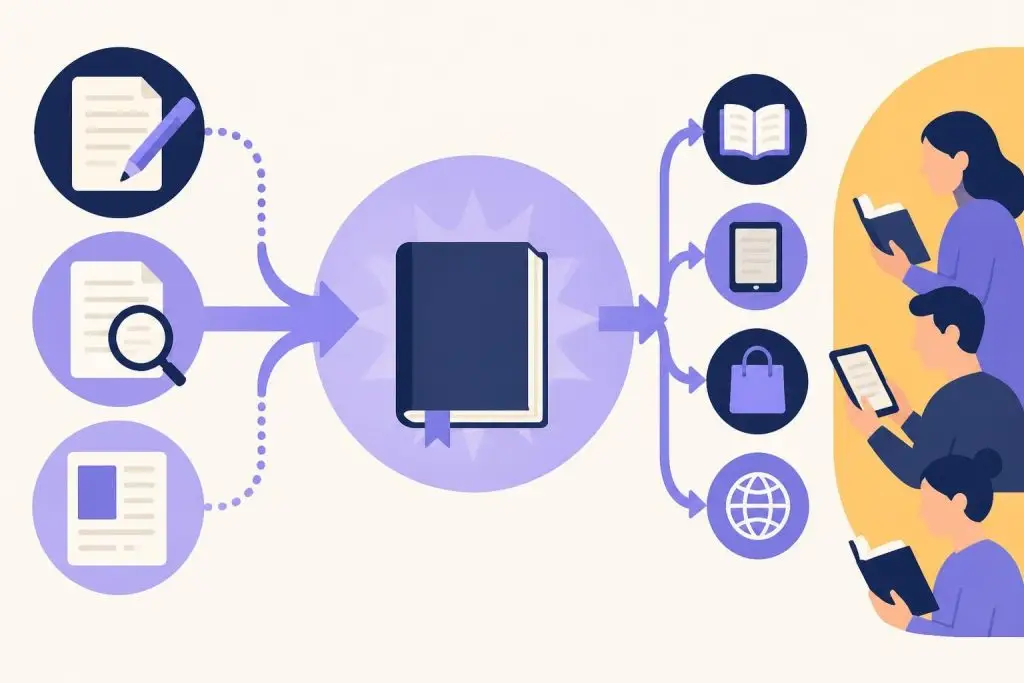
The path from finished manuscript to published book feels like stepping into a foreign country where everyone speaks a different language. I remember sitting at my kitchen table with a completed novel, staring at my computer screen, utterly paralyzed by the sheer number of decisions ahead. Should I query agents? Self-publish? What's an ISBN? How do trim sizes work? That's when I discovered that books about publishing aren't just helpful-they're essential survival guides for authors navigating the complex landscape of bringing stories to readers.
Why Authors Need to Understand the Publishing Industry
Writing a book is only half the journey. The other half involves understanding how books actually reach readers, whether through traditional publishing houses, hybrid models, or independent routes.
Books about publishing serve as mentors when you don't have access to industry insiders. They demystify contracts, explain royalty structures, and reveal what really happens between "The End" and seeing your book on shelves. More importantly, they help you make informed decisions about your author career rather than stumbling through trial and error.
The publishing industry has transformed dramatically over the past two decades. Self-publishing platforms have democratized access, but they've also created new complexities. Authors now need to understand marketing, distribution channels, metadata optimization, and production workflows that were once handled exclusively by publishing houses.
The Knowledge Gap Most Writers Face
Most writing programs focus on craft-character development, plot structure, dialogue. Few teach the business side of authorship. This creates a dangerous gap between finishing a manuscript and successfully publishing it.
I've met talented writers who signed away their rights for pennies because they didn't understand contract language. I've watched others spend thousands on services they didn't need because they lacked basic industry knowledge. Books about publishing fill this gap, providing the business education that complements your creative skills.

Essential Categories of Publishing Books
The best books about publishing fall into several distinct categories, each addressing different aspects of the author journey. Understanding these categories helps you build a comprehensive knowledge base rather than random fragments of information.
Business and Strategy Books focus on the economic realities of publishing. They explain how publishers calculate advances, why certain books get six-figure deals while others don't, and how market forces shape acquisition decisions. These books are invaluable whether you're pursuing traditional or independent publishing.
Self-Publishing Guides walk you through the technical and strategic aspects of going independent. They cover everything from formatting manuscripts to choosing distribution channels, setting prices, and managing ongoing book marketing campaigns.
Industry Memoirs and Histories provide context and perspective. Written by editors, agents, and publishers, these books reveal the human side of the industry-the passionate gatekeepers, the evolving tastes, and the surprising factors that turn some books into bestsellers.
Practical How-To Guides
The most immediately useful books about publishing are practical guides that walk you through specific processes step by step.
These include:
- Formatting manuscripts for submission or publication
- Writing effective query letters and book proposals
- Understanding and negotiating publishing contracts
- Setting up author platforms and marketing systems
- Navigating Amazon KDP and IngramSpark interfaces
One comprehensive resource that covers many of these topics is Globe Soup’s list of essential publishing books, which categorizes recommendations based on whether you're pursuing traditional publishing, starting an independent press, or self-publishing your work.
Traditional Publishing Insights
Understanding how traditional publishing works helps even if you plan to self-publish. These books about publishing reveal what agents look for, how editorial decisions are made, and why publishing timelines stretch across years rather than months.
Many authors idealize traditional publishing without understanding its realities. Advances often don't earn out. Marketing budgets for debut authors can be minimal. You may wait 18-24 months from contract signing to publication. Books that explain these realities help you set appropriate expectations.
| Publishing Route | Timeline | Author Control | Upfront Costs | Marketing Support |
|---|---|---|---|---|
| Traditional | 2-3 years | Low | None | Moderate to High |
| Hybrid | 6-12 months | Moderate | Moderate | Low to Moderate |
| Self-Publishing | 1-6 months | High | Low to High | Self-Directed |
At the same time, traditional publishing offers advantages that self-publishing can't match: advance payments, bookstore distribution networks, publicity departments, and the validation that comes with professional gatekeeping. Books written by industry insiders help you understand whether these benefits align with your goals.
The Agent-Author Relationship
Several excellent books about publishing focus specifically on literary agents-what they do, how to find them, and how to work effectively with them. These books demystify the query process and explain what happens after an agent offers representation.
Understanding the agent's role transforms how you approach submissions. Agents aren't adversaries screening you out; they're business partners searching for manuscripts they can sell to publishers who will market them successfully. When you understand their perspective, you write better queries and build stronger professional relationships.
Self-Publishing Mastery
The self-publishing revolution has created entirely new categories of books about publishing. These guides recognize that independent authors must become businesspeople, managing every aspect of production and distribution.
Self-publishing books typically cover technical aspects like formatting for print and ebook, creating cover files that meet printer specifications, and understanding ISBN systems. They also address strategic questions: pricing strategies, pre-order campaigns, launch tactics, and ongoing marketing.
The best self-publishing guides acknowledge that independent publishing isn't easier than traditional publishing-it's different. You trade editorial gatekeeping and industry support for speed, control, and higher royalty percentages. Understanding this trade-off helps you make better decisions.
Production and Formatting Knowledge
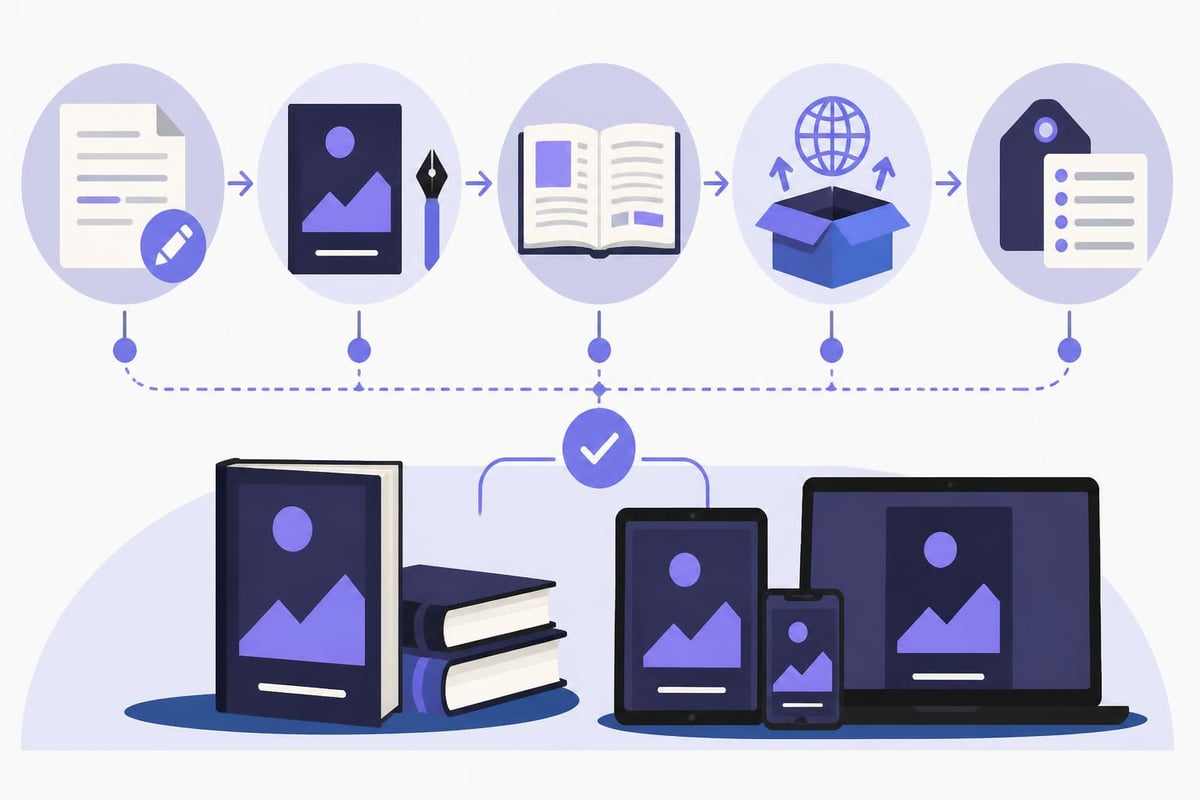
One of the most valuable aspects of books about publishing is learning professional production standards. Understanding trim sizes, margins, font choices, and file specifications ensures your self-published book looks professionally produced rather than obviously amateur.
Tools like Storyloft have simplified this process by integrating professional formatting directly into the writing platform, letting authors export print-ready PDFs for both KDP and IngramSpark without mastering complex design software. However, understanding the principles behind these tools-why certain margins matter, how gutter width affects readability-makes you a more informed author regardless of which production path you choose.

Genre-Specific Publishing Wisdom
Some of the most valuable books about publishing focus on specific genres, recognizing that romance publishing operates differently from literary fiction, which differs from nonfiction markets.
Genre-specific guides explain reader expectations, pricing norms, series strategies, and marketing channels that work within particular categories. For instance, romance publishing has unique characteristics that make it one of the most vibrant and reader-driven segments of the industry.
Understanding Your Market
Books that help you understand your specific market segment are incredibly valuable. They explain:
- Typical word counts for your genre
- Reader expectations regarding pacing and content
- Successful series structures and standalones
- Pricing strategies that work in your category
- Marketing channels where your readers congregate
This knowledge shapes everything from how you write your book to how you position it in the marketplace. A thriller needs different pacing than literary fiction. Romance readers expect certain emotional beats. Understanding these genre conventions doesn't limit creativity-it ensures you're meeting reader expectations while bringing your unique voice to the story.
The Business Side of Writing
The most eye-opening books about publishing address authorship as a business. They explain tax considerations, copyright law, subsidiary rights, and long-term career planning.
Many authors resist thinking about writing as business, fearing it will corrupt their creativity. But understanding the business side actually protects your creative freedom. You make better contract decisions, avoid exploitative deals, and build sustainable income streams that support your writing life.
Rights and Contracts
Books that break down publishing contracts clause by clause are worth their weight in gold. They explain what "worldwide English rights" means, how reversion clauses work, and why you should carefully consider non-compete agreements.
Even self-published authors need this knowledge when dealing with audiobook distributors, translation rights, or potential film options. Understanding rights management ensures you maintain control over your intellectual property while maximizing its value.
Publisher Spotlights and Industry Evolution
Some fascinating books about publishing profile specific publishers, revealing how imprints develop their identities and how editorial vision shapes catalogs. Thames & Hudson’s 75-year legacy in art publishing demonstrates how publishers can specialize and excel in niche markets.
Similarly, understanding how different publishers operate helps you target submissions appropriately or identify models for your own independent press. Entangled Publishing’s focus on romantic fantasy and Workman Publishing’s diverse nonfiction catalog show different successful approaches to building a publishing business.
The emergence of Amazon Publishing and Skyhorse Publishing illustrates how new players continue reshaping the industry landscape, creating both opportunities and challenges for authors.
Industry Leadership and Vision
Following industry leaders through their careers reveals patterns about what makes publishing successful. When experienced executives like Bob Miller take leadership roles, it signals how publishers prioritize expertise and vision in navigating changing markets.
Practical Applications for Your Writing Career
The true value of books about publishing emerges when you apply their lessons to your specific situation. Reading broadly across multiple perspectives helps you develop a comprehensive understanding rather than following a single guru's approach.
I recommend building a reference library that includes:
- At least one comprehensive self-publishing guide
- One book on traditional publishing from an insider's perspective
- A genre-specific guide for your writing category
- A business-focused book on author careers and income
- An industry history or memoir for context and inspiration
This combination gives you both tactical knowledge for immediate decisions and strategic wisdom for long-term career planning. You'll return to these books at different stages of your journey, finding new insights as your questions evolve.
Integration with Modern Tools
Understanding publishing principles enhances your use of modern writing tools. When you know professional formatting standards, you make better decisions using AI-powered editing features or automated formatting systems. Knowledge and technology work together, with each amplifying the other's effectiveness.

Building Your Publishing Education
Creating your publishing education is an ongoing process, not a one-time event. The industry continues evolving, with new platforms, changing reader habits, and emerging business models appearing regularly.
Start with foundational books that explain core concepts, then add specialized knowledge as you need it. When you're ready to query agents, read books about that process. When you're formatting your first book, dive deep into production guides. This just-in-time learning approach prevents overwhelm while ensuring you have knowledge when you need it.
Books about publishing also connect you to the broader author community. Many include case studies, author interviews, and examples that help you see how others have navigated similar challenges. This community knowledge is often as valuable as the technical information.
Continuous Learning Mindset
The authors who build successful, sustainable careers are those who remain students of their craft and their industry. They read widely, attend conferences, join professional organizations, and actively seek new knowledge.
Your publishing education should include:
- Industry blogs and newsletters for current trends
- Books for comprehensive, organized knowledge
- Author communities for peer learning
- Professional development courses for specific skills
- Experimentation and personal experience
This multi-channel approach ensures you're learning from multiple perspectives while developing your own informed opinions about what works for your unique situation and goals.
Matching Books to Your Publishing Path
Different books about publishing serve different needs depending on where you are in your journey and which publishing path you're pursuing. A debut novelist querying agents needs different resources than an established author launching a tenth book independently.
For traditional publishing aspirants, focus on books that explain the submission process, working with editors, and understanding publishing contracts. For self-publishers, prioritize production, marketing, and business management guides. For hybrid authors pursuing multiple paths, you'll need knowledge spanning both worlds.
The investment in quality publishing education pays dividends throughout your career. The contract knowledge prevents costly mistakes. The formatting skills save thousands in production costs. The marketing insights help you reach readers more effectively. Every book you read compounds your knowledge and improves your decisions.
Understanding the publishing industry transforms you from someone who writes books into an author who successfully brings stories to readers. The right books about publishing provide the roadmap, showing you not just how to avoid pitfalls, but how to build a thriving author career on your own terms. Whether you're formatting your first manuscript or negotiating your tenth contract, Storyloft gives you the tools to write, edit, format, and publish professionally while you continue building your publishing knowledge and craft.