
Getting a Book Published: An Author’s Journey in 2026
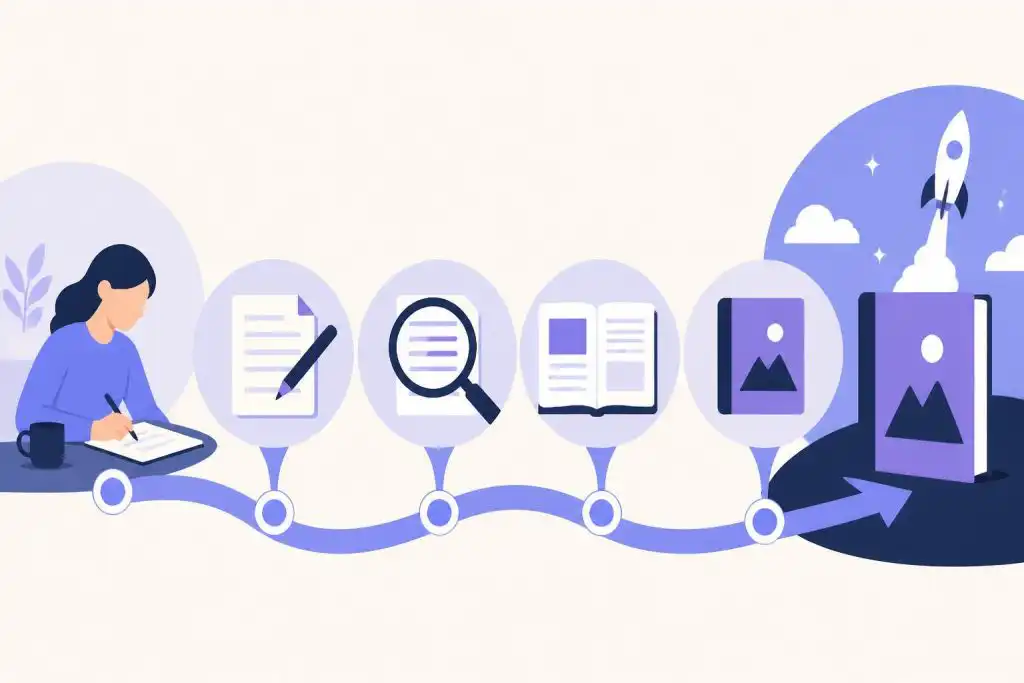
Every author remembers the moment they decided to write a book. Maybe it was a story that wouldn't stop whispering in your ear, or a message you felt compelled to share with the world. But somewhere between that first spark of inspiration and holding a physical copy of your work, there's a journey that transforms hopeful writers into published authors. Getting a book published in 2026 looks different than it did even five years ago, with new technologies, changing reader habits, and evolving pathways to publication reshaping the entire landscape. Whether you're writing your first novel or your tenth nonfiction guide, understanding the modern publishing journey will help you navigate this exciting but often overwhelming process with confidence.
The Changing Face of Publishing
The publishing industry has undergone seismic shifts in recent years. Traditional gatekeepers still exist, but they're no longer the only path to readers. As digital-first reading habits continue to reshape the industry, authors now have more control over their publishing destinies than ever before.
Getting a book published no longer means waiting months for agent responses or fitting into narrow market categories. The rise of self-publishing platforms, hybrid publishers, and AI-powered tools has democratized the entire process. But with more options comes more complexity, and more decisions to make.
The modern publishing landscape includes:
- Traditional publishing through established houses
- Independent self-publishing via platforms like KDP and IngramSpark
- Hybrid publishing models that blend traditional and indie approaches
- Serialized fiction and subscription-based releases
- Direct-to-reader sales through author websites
Understanding Your Publishing Options
Traditional publishing still holds appeal for many authors. The validation of a publishing contract, the support of an editorial team, and the potential for bookstore distribution remain powerful draws. However, the path to getting a book published traditionally requires patience, persistence, and often, significant luck.
You'll need a polished manuscript, a compelling query letter, and usually an agent who believes in your work enough to champion it to editors. The timeline from finished manuscript to published book typically spans 18 months to three years, sometimes longer.
Self-publishing offers speed and control. You maintain rights to your work, keep higher royalty percentages, and can publish on your own timeline. The tradeoff? You're responsible for everything from editing to cover design to marketing. The investment of time and often money falls entirely on your shoulders.
Crafting Your Manuscript
Before you can get a book published, you need a manuscript worth publishing. This sounds obvious, but the quality bar has never been higher. Readers have endless options competing for their attention, and BookTok influencers can make or break a book’s success based on how compelling they find the first few pages.
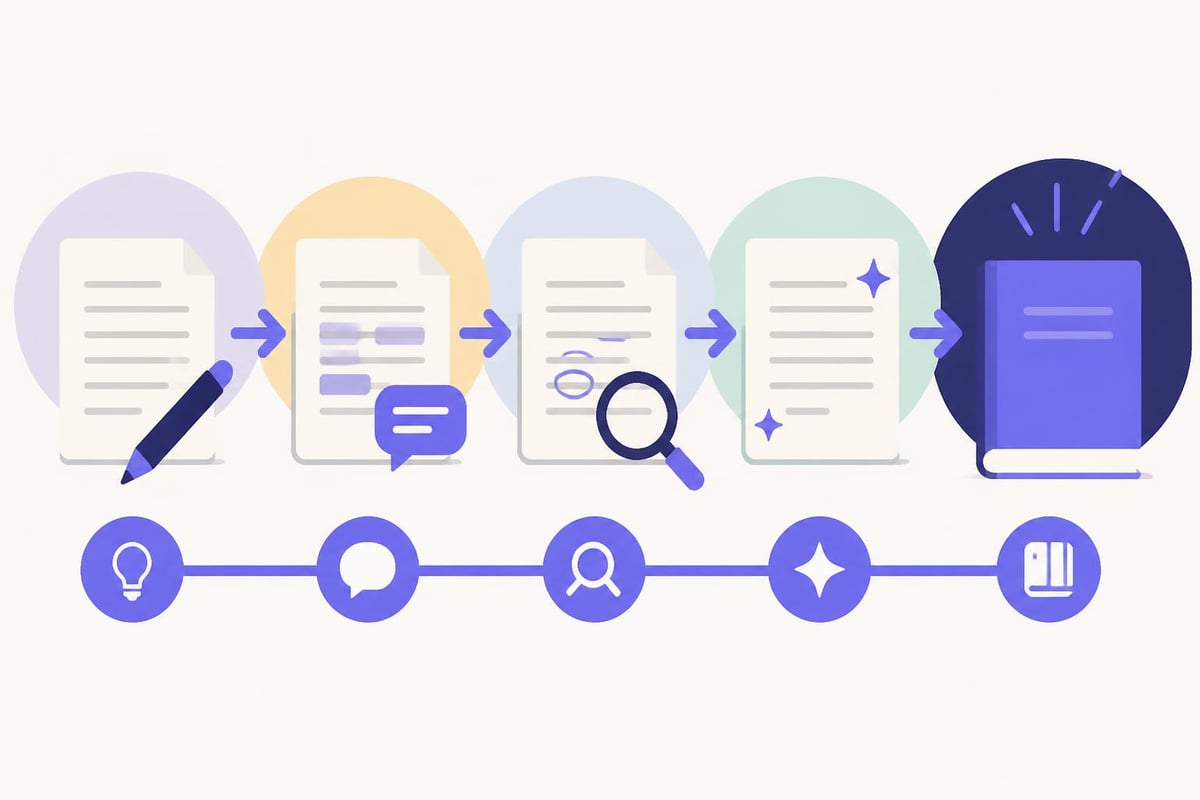
Your first draft is just the beginning. Professional authors know that writing is rewriting, and getting a book published requires multiple revision passes to refine plot, character, pacing, and prose.
The Revision Journey
Many authors underestimate how much work happens after typing "The End" on their first draft. Here's what the revision process typically looks like:
- Structural edit – Evaluating overall plot, character arcs, pacing, and major story elements
- Line edit – Refining prose at the sentence and paragraph level
- Copy edit – Correcting grammar, punctuation, and consistency issues
- Proofreading – Final check for typos and formatting errors before publication
This is where tools like an AI manuscript editor can accelerate your revision process while maintaining your unique voice. Rather than waiting weeks for editorial feedback, authors can get immediate insights on pacing, consistency, and structural issues.
Between revisions, it helps to step away from your manuscript. Fresh eyes catch problems that familiarity blinds you to. Beta readers and critique partners provide invaluable perspectives during this stage.
Formatting for Professional Publishing
Here's where many authors hit an unexpected roadblock. You've written and revised your manuscript until it shines, but getting a book published requires proper formatting. Print books need specific margin settings, header styles, and page layouts that differ dramatically from your writing document.
| Format Type | Key Requirements | Common Challenges |
|---|---|---|
| Print Book | Specific margins, gutters, headers | Page breaks, chapter formatting |
| Ebook | Clean HTML, linked TOC | Image sizing, font compatibility |
| Hardcover | Dust jacket specs, case laminate | Color profiles, spine width |
The technical aspects of print-ready book formatting can intimidate even experienced authors. Traditional publishers handle this for you, but self-publishers need either formatting software, a professional formatter, or a steep learning curve with tools like Adobe InDesign.
Meeting Publisher Specifications
KDP and IngramSpark each have specific requirements for uploaded files. Margins must be precise, especially for print books where the gutter (the inside margin where pages meet the binding) needs extra space. Headers and page numbers follow different rules depending on whether you're formatting a novel or nonfiction with multiple sections.
Getting a book published means your final files must be perfect, because these platforms run automated checks that reject improperly formatted submissions. One misplaced paragraph break or incorrect image resolution sends you back to square one.
Modern book writing software for authors now combines writing, editing, and formatting in single platforms, eliminating the need to export your manuscript through multiple programs before it's publication-ready.

Navigating the Self-Publishing Process
The democratization of publishing means you can get a book published without anyone's permission except your own. But self-publishing success requires treating your book like a business, not just a creative project.
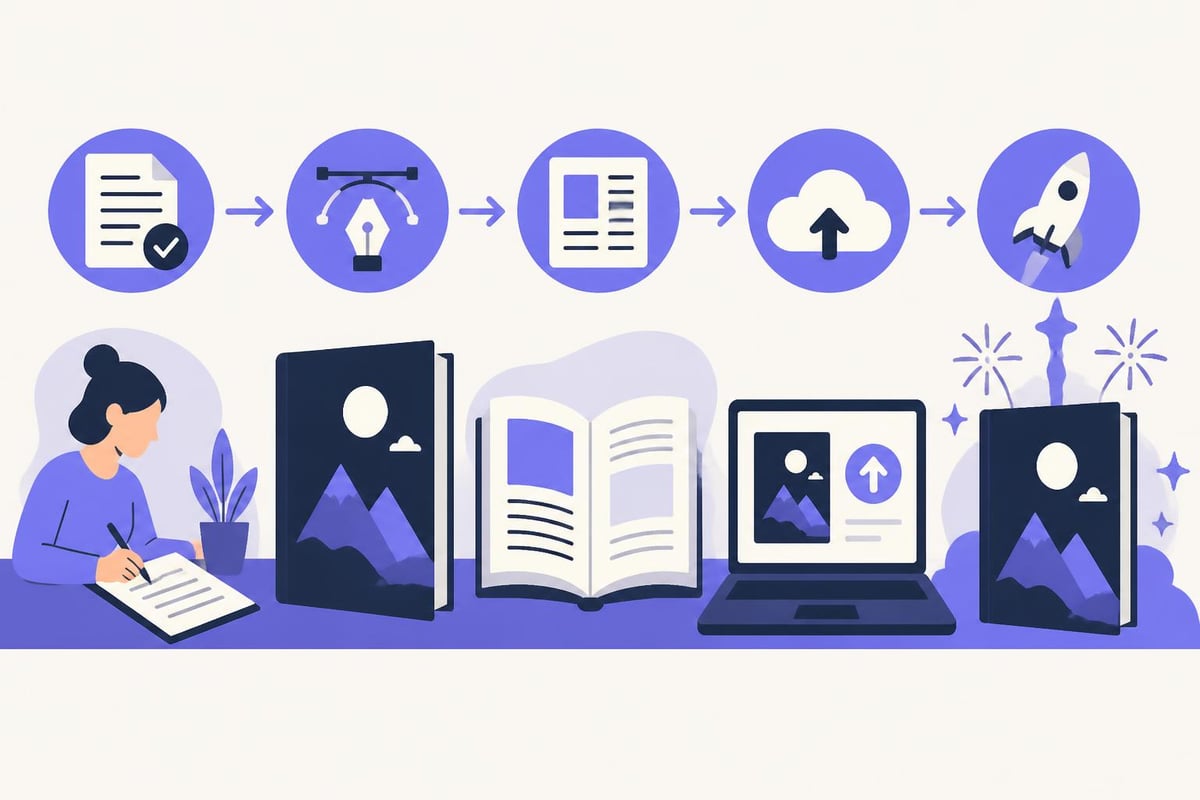
Essential steps for self-publishing:
- Finish and revise your manuscript to professional standards
- Hire or create a professional cover design
- Format interior files for print and digital publication
- Write compelling book descriptions and metadata
- Set pricing strategy based on market research
- Plan your launch and marketing approach
- Build an author platform and reader community
The romance genre has particularly thrived in self-publishing, with authors building direct relationships with devoted readers through social media and newsletter communities. Genre fiction in general sees stronger self-publishing success than literary fiction, though exceptions always exist.
Choosing Your Publishing Platforms
Amazon's KDP dominates the market, but it's not your only option. IngramSpark offers wider distribution to bookstores and libraries. Draft2Digital aggregates multiple retailers. Each platform has different royalty structures, distribution networks, and exclusivity requirements.
Getting a book published on KDP Select gives you access to Kindle Unlimited, where readers pay a subscription and you earn based on pages read. In exchange, you can't sell your ebook anywhere else during your enrollment period. This works brilliantly for some genres and authors, while others earn more through wide distribution.
Print-on-demand technology from these platforms means you don't need to invest thousands in inventory. Books are printed as orders come in, though you can also order author copies at cost for events or direct sales.
The Traditional Publishing Route
If you're pursuing traditional publishing, getting a book published starts with understanding what agents and editors want. They're looking for manuscripts that fit current market trends while offering something fresh, written in a compelling voice with commercial appeal.
The query letter remains your primary tool for catching an agent's attention. These one-page pitches must convey your story's hook, your qualifications as an author, and why this particular agent is the right fit for your work. Query writing is its own art form, and many authors find it more challenging than writing the actual book.
The Submission Process
Traditional publishing moves slowly. Agents typically take 6-12 weeks to respond to queries, if they respond at all. Many agencies use "no response means no" policies to manage their overwhelming submission volumes.
Once an agent offers representation, they'll often request revisions before submitting your manuscript to editors. Getting a book published traditionally means your manuscript might go through multiple rounds of revision before it even reaches a publishing house.
| Stage | Typical Timeline | What's Happening |
|---|---|---|
| Query Response | 6-12 weeks | Agents review submissions |
| Agent Revision | 1-3 months | Strengthening manuscript |
| Editor Submission | 2-6 months | Publishers consider acquisition |
| Publication | 12-24 months post-contract | Editing, design, production |
After an editor acquires your book, expect another 18-24 months before publication. The publisher handles editing, cover design, formatting, printing, and distribution. You'll review copyedits and may have some input on cover concepts, but creative control shifts significantly.
Understanding Market Trends
Successful publishing requires awareness of industry trends. U.S. book sales data shows shifts in what readers buy and how they discover books. Adult trade sales have faced challenges, while certain genres continue thriving.
The decline of mass-market paperbacks reflects changing reader preferences and retail economics. Trade paperbacks and hardcovers now dominate physical book sales, with ebooks maintaining steady market share.
Getting a book published means understanding where your work fits in current market conditions. Fantasy and romance continue strong performance, while literary fiction faces headwinds. Nonfiction categories like self-help and business remain solid, particularly titles offering practical value.
Emerging Publishing Models
Serialized fiction and subscription models are gaining traction. Platforms like Radish and Vella let authors publish chapters incrementally, earning as readers consume content. This model works especially well for certain genres and creates ongoing reader engagement rather than one-time book purchases.
Webtoons and graphic narratives represent another growth area, particularly for younger audiences. The integration of AI in publishing workflows continues reshaping how books are created, edited, and marketed.
Marketing Your Published Book
Getting a book published is only half the battle. Making readers aware your book exists requires consistent marketing effort, regardless of your publishing path.
Traditional publishers provide some marketing support, but unless you're a lead title with a significant advance, most promotional work still falls on authors. Self-publishers handle 100% of their own marketing from day one.
Effective book marketing strategies:
- Building an email list of interested readers
- Engaging authentically on social media platforms
- Gathering early reviews from advance readers
- Running targeted advertising on platforms like Amazon or Facebook
- Participating in genre communities and reader groups
- Creating valuable content that attracts your target audience
- Collaborating with other authors in your niche
The most successful authors treat marketing as an ongoing practice, not a launch-week sprint. They build relationships with readers over time, establishing trust and anticipation for each new release.

The Role of Author Platform
Your author platform, the combined reach of your website, social media, email list, and public presence, matters more than ever. Publishers want authors who can help sell books, and readers discover new authors through multiple touchpoints.
Getting a book published through traditional means often requires demonstrating platform strength in your query. Self-publishers need platforms to reach potential readers directly. Either way, building your author presence before publication gives you a marketing foundation to leverage at launch.
Financial Considerations
Publishing a book involves financial investment regardless of your chosen path. Traditional publishing pays you advances and royalties, but most authors earn modest amounts. Industry statistics show publishing generates billions in revenue, but most of that flows to a small percentage of bestselling titles.
Self-publishing requires upfront investment in editing, cover design, formatting, and marketing. Quality professional editing can cost thousands of dollars. Cover designers charge hundreds to thousands depending on experience. Marketing budgets vary widely based on strategy and goals.
However, self-publishers keep 35-70% royalties compared to traditional publishing's typical 10-15%. Whether you earn more overall depends on sales volume and how much you invest in quality production.
Budgeting for Publication
Here's a realistic budget breakdown for self-publishing:
| Service | Cost Range | Why It Matters |
|---|---|---|
| Developmental Editing | $1,500-$5,000 | Story structure and pacing |
| Copy Editing | $800-$2,500 | Grammar and consistency |
| Cover Design | $300-$2,000 | First impression, genre expectations |
| Formatting | $150-$500 | Professional interior layout |
| Marketing | $500-$5,000+ | Launch promotion, ongoing visibility |
You can reduce costs by learning some skills yourself or using AI-powered tools that automate portions of the process. The key is understanding where professional quality matters most for your goals and genre.
The Emotional Journey
Beyond the practical steps, getting a book published is an emotional rollercoaster. Rejection stings, whether from agents, publishers, or reader reviews. Imposter syndrome whispers that you're not good enough. Comparison with other authors' success can breed discouragement.
Every published author has faced these challenges. The difference between those who succeed and those who give up often comes down to persistence and resilience.
Celebrate small victories along the way. Finishing your first draft deserves recognition. So does completing revisions, getting positive beta reader feedback, or receiving your first reader review. Publishing is a marathon, not a sprint, and maintaining motivation requires acknowledging progress.
Finding Your Author Community
Writing can be isolating, but you don't have to navigate publishing alone. Writing communities, whether online forums, local critique groups, or genre-specific organizations, provide support, accountability, and collective wisdom.
Other authors understand your struggles in ways non-writers can't. They'll celebrate your successes genuinely and offer encouragement during setbacks. Finding your people makes the publishing journey significantly more enjoyable and sustainable.
Beyond Your First Book
Getting a book published is an incredible achievement, but for most authors, it's just the beginning. Building a sustainable writing career typically requires multiple books, each one improving on lessons learned from the last.
Your second book benefits from experience gained with your first. You'll write faster, revise more effectively, and avoid previous mistakes. If you're self-publishing, your first book helps sell your second, building a backlist that generates ongoing income.
Traditional publishers care deeply about sales history. Strong performance on book one improves your negotiating position for book two. Disappointing sales make subsequent contracts harder to secure, though many authors successfully pivot to new genres or publishers.
The writing craft continues developing throughout your career. Every book teaches new skills, deepens your understanding of story, and strengthens your unique voice. The authors who build lasting careers are those who never stop learning and growing.
Getting a book published in 2026 offers more opportunities and pathways than ever before, whether you pursue traditional publishing or take the independent route. The journey from manuscript to published book involves multiple stages-writing, revising, formatting, and marketing-each requiring dedication and often new skills. Storyloft simplifies this complex process by combining manuscript writing, AI-powered editing that preserves your voice, and professional formatting tools in one platform, helping you move from first draft to print-ready files without juggling multiple programs or struggling with technical formatting challenges.
Article written using RankPill.