
The Editor in Publishing: A Complete Guide for Authors
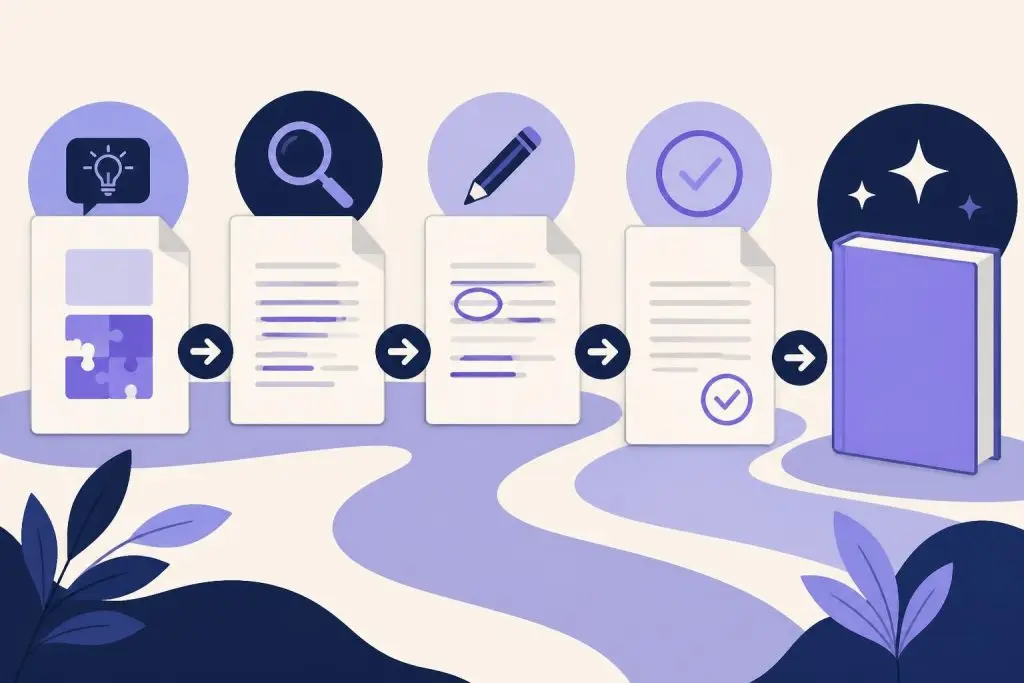
Every manuscript begins with a writer's vision, but it takes an editor in publishing to transform that raw creative energy into something readers can't put down. I've watched countless authors struggle to understand the editorial landscape, wondering who these gatekeepers are and what magic they perform behind the scenes. The truth is, editors aren't mysterious wizards casting spells over your words. They're skilled professionals who see what your manuscript could become, and they know exactly how to get it there. Whether you're pursuing traditional publishing or going the indie route, understanding editorial roles can mean the difference between a manuscript that languishes in obscurity and one that connects with readers in profound ways.
What Does an Editor in Publishing Actually Do?
The role of an editor in publishing has evolved dramatically over the past decade. These professionals wear multiple hats, shifting between creative collaborator, technical expert, and business strategist. At its core, editorial work involves shaping manuscripts into publishable books that resonate with target audiences.
Modern editors face challenges their predecessors never imagined. According to KPMG’s publishing trends analysis, artificial intelligence is becoming integral to editorial processes, requiring editors to balance technological tools with human judgment. Yet the fundamental mission remains unchanged: making good writing great.
The Editorial Hierarchy
Publishing houses organize editorial staff into distinct tiers, each with specific responsibilities:
- Editorial Assistants handle administrative tasks, initial manuscript reviews, and support senior editors
- Associate Editors work directly with authors on revisions and manage smaller projects independently
- Acquiring Editors scout new talent, pitch manuscripts to publishing committees, and negotiate contracts
- Senior Editors oversee major publications, mentor junior staff, and shape editorial strategy
- Editorial Directors set department vision, manage budgets, and make final publication decisions
This structure creates a pipeline where manuscripts receive multiple levels of scrutiny before publication. Research on commissioning editors in academic publishing reveals how these professionals navigate complex institutional dynamics while advocating for the books they believe in.

Types of Editing Every Author Encounters
Not all editing is created equal. Understanding the different editorial stages helps authors prepare manuscripts appropriately and communicate effectively with publishing professionals.
Developmental editing addresses big-picture elements like story structure, character arcs, pacing, and thematic coherence. A developmental editor in publishing might suggest reorganizing chapters, cutting subplots that don't serve the narrative, or deepening character motivations. This happens early in the process, sometimes before a manuscript is even complete.
Line editing focuses on prose quality at the sentence and paragraph level. Editors examine word choice, rhythm, transitions, and clarity. They'll flag awkward phrasing, suggest stronger verbs, and help you develop a more distinctive voice.
Copy editing tackles grammar, punctuation, spelling, and style consistency. Copy editors ensure your manuscript follows standard conventions (or intentional deviations are properly executed). They catch typos, fix formatting inconsistencies, and verify factual accuracy.
| Editorial Stage | Focus Area | Timeline | Author Involvement |
|---|---|---|---|
| Developmental | Structure, plot, characters | Weeks to months | High collaboration |
| Line Editing | Prose, voice, flow | Several weeks | Moderate collaboration |
| Copy Editing | Grammar, consistency, facts | 1-2 weeks | Limited queries |
| Proofreading | Final typos, formatting | Days | Minimal |
Proofreading represents the final quality check before publication. Proofreaders catch lingering typos, formatting errors, and layout issues in formatted proofs.
The surge in U.S. book output, which reached 4 million titles in 2025, has created unprecedented demand for editorial services across all these categories. Self-published authors increasingly invest in professional editing to compete with traditionally published books.
The Relationship Between Authors and Editors
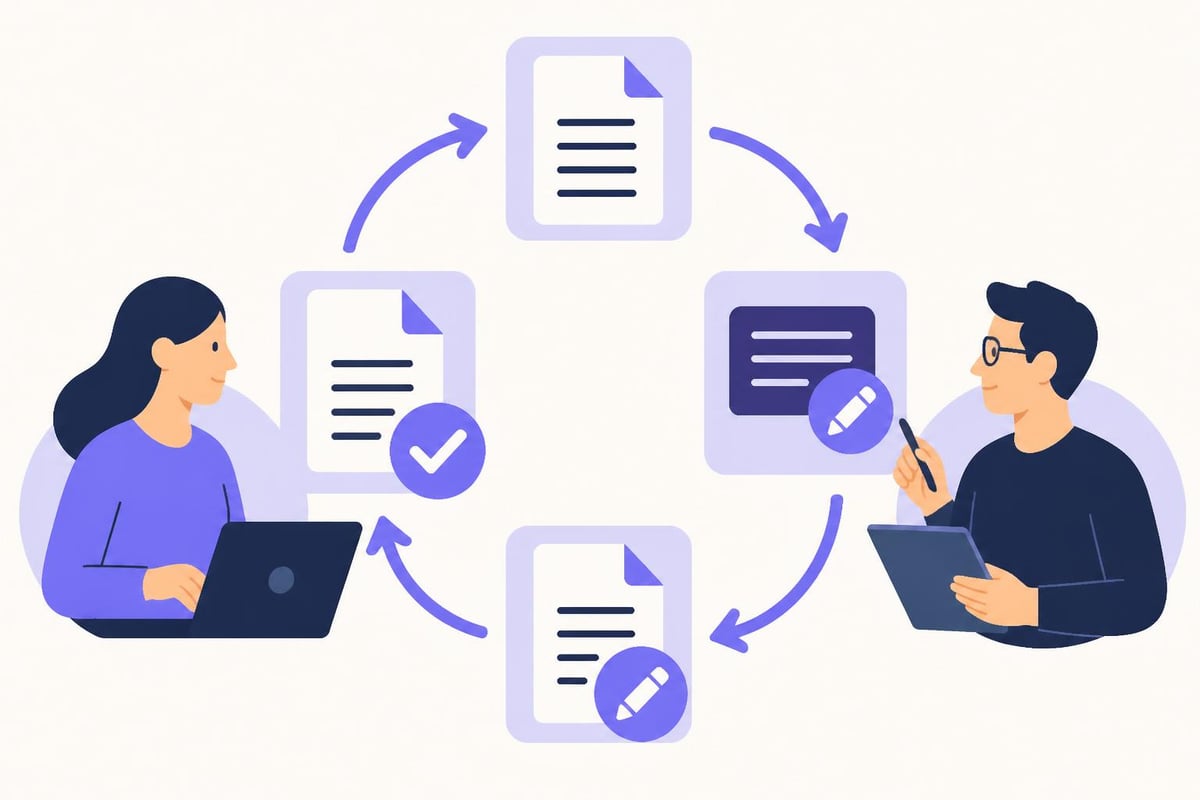
The author-editor relationship can make or break a manuscript. The best editorial partnerships feel like collaboration rather than criticism. I've seen authors blossom when paired with editors who understand their vision, and I've watched others wither under editorial approaches that felt adversarial.
Communication style matters enormously. Some editors provide extensive margin notes and detailed explanations. Others offer concise directives. Neither approach is inherently superior, but compatibility between author and editor significantly impacts the revision process.
Setting Expectations Early
Successful editorial relationships start with clear expectations:
- Timeline clarity: When will you receive feedback? How many revision rounds are included?
- Scope definition: Which editorial services are being provided? What falls outside the editor's purview?
- Communication protocols: How will you exchange files? What's the response time for questions?
- Revision philosophy: Does the editor expect you to implement every suggestion, or are they offering options?
An editor in publishing working within a traditional house has less flexibility on some of these points due to institutional constraints. Freelance editors can often customize their approach more readily.
The best editors respect your voice while pushing you to improve. They identify weaknesses without crushing your confidence. They celebrate what works even as they spotlight what needs attention.
How Editorial Roles Are Changing in 2026
The publishing landscape looks radically different than it did five years ago. U.S. book sales data from 2025 shows shifting reader preferences and market dynamics that directly impact editorial priorities.
Technology has transformed editorial workflows. Many editors now use AI-assisted tools for initial manuscript assessment, consistency checking, and even developmental feedback. This doesn't replace human editorial judgment, but it allows editors to work more efficiently and focus their expertise where it matters most.
The rise of hybrid publishing and enhanced self-publishing platforms means an editor in publishing might work across multiple business models within a single week. They might edit a Big Five title on Monday and provide freelance developmental editing for an indie author on Friday.
Genre specialization has become increasingly important. The romance genre’s explosive growth demonstrates how genre-specific editors who understand reader expectations add tremendous value. An editor who excels at literary fiction might struggle with cozy mystery conventions, and vice versa.
Remote work has also expanded the talent pool. Authors can now work with specialized editors anywhere in the world, not just those geographically close to major publishing centers. This democratization benefits both authors seeking niche expertise and editors building specialized practices.
Finding the Right Editorial Support for Your Manuscript
Whether you're pursuing traditional publishing or self-publishing, you'll eventually need editorial guidance. The path differs significantly between these routes.
Traditional publishing provides in-house editorial support as part of the acquisition. Your publisher assigns an editor in publishing to work with you through revisions. You have limited choice in who that editor is, though you can request changes if the relationship isn't working.
Self-published authors must secure their own editorial services. This requires research, investment, and careful vetting. Strong options include:
- Freelance editors with publishing house experience who now work independently
- Editorial services that match authors with appropriate editors based on genre and needs
- Writing groups or critique partners for peer feedback (though this supplements rather than replaces professional editing)
- AI-powered editing tools designed specifically for authors
Modern technology has created new possibilities for editorial feedback. Storyloft’s AI manuscript editor offers authors real-time feedback on pacing, structure, consistency, and prose while preserving individual voice-editorial support that adapts to your writing process rather than requiring you to wait weeks for human feedback.

Questions to Ask Potential Editors
Before hiring an editor, whether freelance or through a service, ask:
- What's your experience with my specific genre?
- Can you provide sample edits or references from previous clients?
- What's your editorial philosophy? How directive versus suggestive are you?
- What deliverables will I receive? (Marked manuscript, editorial letter, revision checklist?)
- What's your typical turnaround time?
- How many revision rounds does your fee include?
Investment in quality editing ranges from a few hundred dollars for proofreading short manuscripts to several thousand for comprehensive developmental editing of full-length novels. The career path for professional editors often includes years of training and experience, which justifies these rates.
The Business Side of Editorial Work
An editor in publishing doesn't just improve manuscripts; they also make strategic business decisions. Acquiring editors evaluate market potential, competitive positioning, and commercial viability. They consider whether a manuscript fits their publisher's brand and list.
This business acumen explains why great manuscripts sometimes get rejected. The work might be excellent, but the editor can't envision a profitable market for it. Or the publisher already has similar titles releasing the same season. Or the author's platform doesn't support the marketing investment required.
Understanding this business reality helps authors approach the submission process more strategically. Editorial decisions often have little to do with writing quality and everything to do with market timing, list balance, and competitive analysis.
Editorial Acquisition Trends
Recent years have seen acquisition patterns shift:
| Genre/Category | 2024 Performance | 2025 Trend | Editorial Focus |
|---|---|---|---|
| Romance | Strong growth | Continued expansion | Fresh tropes, diverse voices |
| Literary Fiction | Stable | Slight decline | Prize-worthy, distinctive voices |
| Thriller/Mystery | Very strong | Maintaining | High-concept hooks |
| Nonfiction | Mixed | Cautious growth | Platform-driven, timely topics |
Traditional publishing landscape data reveals that editors are being more selective about acquisitions, raising the bar for what makes it through the editorial committee.
Skills That Make an Editor in Publishing Excellent
Great editors combine technical expertise with creative intuition. The skillset required is surprisingly diverse:
Deep reading comprehension allows editors to analyze structure, character development, and thematic elements simultaneously. They see patterns and problems casual readers miss.
Strong communication skills help editors deliver criticism constructively. They must explain what's wrong and why it matters without demoralizing authors.
Genre knowledge ensures editors understand reader expectations and conventions. A romance editor knows the difference between a heat level three and heat level five. A fantasy editor recognizes when world-building needs expansion versus when it's overwhelming the narrative.
Project management keeps multiple manuscripts moving through editorial stages on schedule. Senior editors juggle dozens of projects at various stages.
Diplomacy and psychology help editors navigate author egos, publisher demands, and marketing constraints. They mediate between creative vision and commercial reality.
Technical tools have become essential. Modern editors must be comfortable with:
- Manuscript management software
- Track changes and commenting features
- Style guides and consistency checkers
- Digital proofing platforms
- Communication and project management tools
The evolving role of editors in the digital age requires continuous learning as technology and reader preferences shift.

Editorial Work in Different Publishing Contexts
The day-to-day reality for an editor in publishing varies dramatically based on where they work. Each context offers unique advantages and challenges.
Big Five publishers provide the prestige of major imprints, larger advances for authors, and extensive support teams. Editors here often specialize narrowly but gain deep expertise. The bureaucracy can slow decision-making, and editors have less autonomy.
Independent presses offer more flexibility and often take creative risks major publishers avoid. Editors wear multiple hats and shape the entire publication process. Resources are more limited, affecting marketing reach and advances.
Academic publishers focus on scholarly works with different quality standards and audience expectations. Peer review processes add complexity. Sales numbers matter less than scholarly contribution.
Freelance editing provides maximum flexibility and variety. Editors control their workload, rates, and client selection. Income can be unpredictable, and freelancers must handle their own marketing, contracts, and business management.
The publishing industry’s 2025 retrospective showed that predictions about consolidation and change largely came true, with implications for editorial employment across all these contexts.
Making the Most of Editorial Feedback
Receiving editorial feedback can feel overwhelming. That detailed editorial letter pointing out everything that needs work? It's a roadmap to making your manuscript stronger, not an indictment of your abilities.
Processing Editorial Criticism Effectively
Here's how successful authors approach editorial feedback:
- Read it once without responding: Let the initial emotional reaction pass before evaluating the substance
- Identify patterns: If your editor flags pacing issues in multiple chapters, that's a systemic problem worth prioritizing
- Ask clarifying questions: Don't guess what your editor means; request examples or explanation
- Distinguish between requirements and suggestions: Some changes are non-negotiable; others are options to consider
- Trust the process: Revision improves manuscripts, even when it feels difficult
Remember that an editor in publishing sees your manuscript with fresh eyes. You've lived with these characters and scenes for months or years. The editor identifies confusion or gaps that you can't see because you know what you meant to convey.
The strongest author-editor relationships involve mutual respect and trust. Authors who can separate ego from craft learn faster and produce better work. Editors who respect authorial vision while pushing for excellence create space for manuscripts to reach their full potential.
Modern book writing platforms increasingly incorporate editorial features directly into the writing process, allowing authors to receive feedback iteratively rather than waiting until a complete draft exists. This shift toward continuous editorial support rather than single-point intervention represents a significant evolution in how authors and editors collaborate.
The role of an editor in publishing continues evolving alongside technology and reader expectations, but the core mission of transforming good manuscripts into great books remains constant. Whether you're working with a traditional publisher's editorial team or seeking independent editorial support, understanding what editors do and how to work effectively with them dramatically improves your manuscript's chances of success. Storyloft brings professional-grade editorial feedback directly into your writing process with Eddy, an AI editor designed specifically for authors who want to strengthen their manuscripts while maintaining their unique voice. Start writing smarter today with integrated editorial support that grows with your manuscript from first draft to final publication.
