
Ideas for Making a Book: A Creative Writer’s Guide
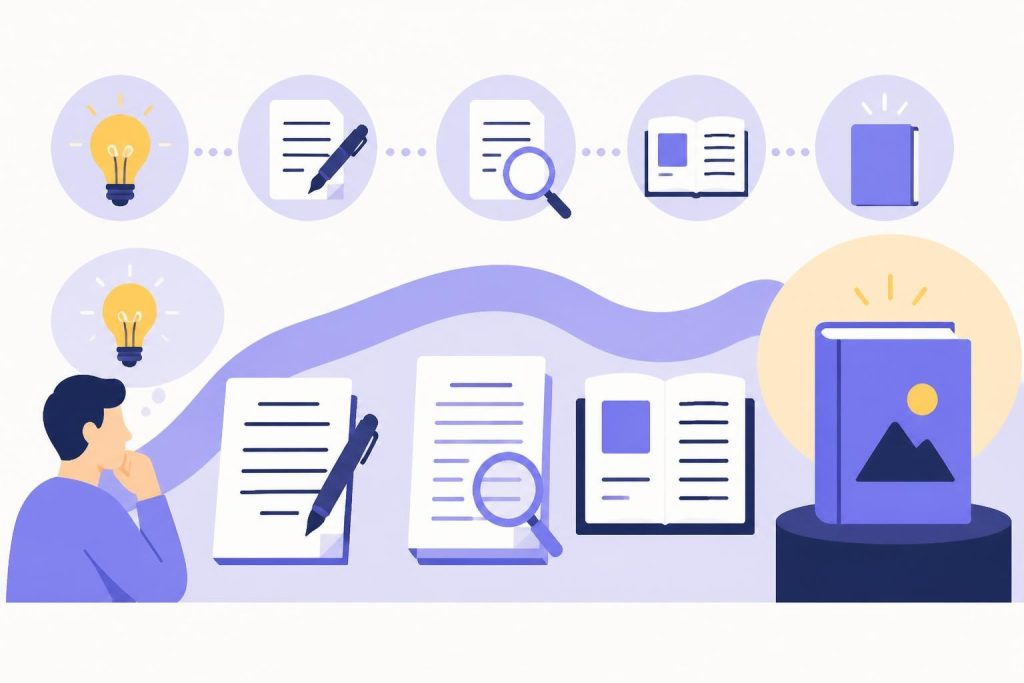
Every book begins with a single spark, an idea that refuses to leave you alone. Maybe it arrived during your morning coffee, whispered itself into being during a dream, or insisted on existing after years of contemplation. But here’s the truth that separates published authors from eternal dreamers: that spark is just the beginning. The real adventure lies in nurturing it, shaping it, and ultimately transforming it into something readers can hold in their hands. If you’re searching for ideas for making a book, you’ve already taken the first crucial step. The journey from concept to finished manuscript is rarely linear, but with the right approach, it becomes not just possible but deeply rewarding.
Starting with Your Book’s Foundation
Before you write a single sentence, you need to understand what you’re building. Think of this phase as architectural planning for your creative project.
Identifying Your Book’s Core Purpose
Every successful book answers a specific question or fulfills a particular need. Ask yourself what you want readers to feel, learn, or experience when they close the final page. Fiction writers might explore themes of redemption, identity, or belonging. Nonfiction authors often solve problems, share expertise, or document important stories.
Your core purpose should be:
- Specific enough to guide your writing decisions
- Broad enough to sustain a full-length manuscript
- Meaningful enough to keep you motivated through revision
When you’re developing your book idea, spend time journaling about why this particular story or subject matters to you. The emotional connection you establish now will carry you through the challenging middle sections of your draft.
Choosing Your Book Format and Genre
Different ideas for making a book naturally align with different formats. Your memoir about rebuilding after loss might work best as narrative nonfiction. That story about time-traveling siblings probably belongs in middle-grade fantasy.
| Format Type | Best For | Typical Length |
|---|---|---|
| Novel | Complex character arcs, multiple subplots | 70,000-120,000 words |
| Novella | Focused narratives, single storyline | 20,000-50,000 words |
| Short Story Collection | Thematically linked tales | 40,000-60,000 words |
| How-To Guide | Step-by-step instruction | 30,000-50,000 words |
| Memoir | Personal transformation stories | 60,000-90,000 words |
Genre conventions matter more than most new authors realize. Readers come to romance expecting emotional satisfaction, to thrillers expecting twists, and to self-help books expecting actionable advice. Understanding these expectations doesn’t limit your creativity; it helps you communicate effectively with your intended audience.

Developing Your Writing Process
Once you’ve established your foundation, the real work begins. These ideas for making a book focus on the daily practice of turning blank pages into polished prose.
Creating a Sustainable Writing Schedule
The most common reason manuscripts remain unfinished isn’t lack of talent or inadequate ideas. It’s inconsistency. Professional authors treat writing like any other important commitment.
Schedule strategies that actually work:
- The Daily Minimum: Commit to 250-500 words every day, no exceptions
- Time Blocking: Dedicate specific hours to writing, treating them as non-negotiable appointments
- Sprint Sessions: Write in focused 25-minute intervals with short breaks
- Weekly Word Counts: Set weekly goals instead of daily ones for more flexibility
I learned this lesson the hard way. My first manuscript took four years to complete because I only wrote “when inspiration struck.” My second book took six months because I wrote 500 words every morning before work, whether I felt inspired or not. Maintaining a consistent writing schedule transformed me from an aspiring author into a productive one.
Outlining Versus Discovery Writing
Writers typically fall into two camps: planners who outline extensively, and discovery writers who explore their stories as they draft. Most successful authors eventually develop a hybrid approach.
Outlining benefits:
- Reduces major plot holes and structural issues
- Provides a roadmap during difficult writing days
- Helps maintain pacing and tension
Discovery writing benefits:
- Allows characters to develop organically
- Creates authentic surprises for both writer and reader
- Keeps the writing process exciting and unpredictable
Experiment with both approaches to find what serves your particular project. Epic fantasy novels with multiple interweaving storylines often require detailed outlines, while character-driven literary fiction might flourish through discovery.
Crafting Compelling Content
The difference between a manuscript readers abandon and one they can’t put down often comes down to specific storytelling elements.
Building Three-Dimensional Characters
Readers don’t connect with perfect protagonists. They connect with flawed, complex characters who struggle, grow, and sometimes fail. Whether you’re writing fiction or nonfiction, the people on your pages need depth.
Character development essentials:
- Internal contradictions that create interesting conflict
- Backstory that explains but doesn’t excuse current behavior
- Clear motivations driving their decisions
- Distinct voices reflecting their backgrounds and personalities
For nonfiction writers, this applies to how you present real people, including yourself. Writing a biography requires the same attention to character complexity as crafting fictional personalities. The truth is never one-dimensional.
Mastering Story Structure
Even the most experimental narratives follow some form of structure. Understanding these frameworks gives you tools to shape your ideas for making a book into satisfying reading experiences.
The three-act structure remains popular because it mirrors how humans naturally process stories:
- Setup (Act One): Introduce your world, characters, and the inciting incident that disrupts normalcy
- Confrontation (Act Two): Escalate complications, deepen conflicts, and test your protagonist
- Resolution (Act Three): Deliver climactic confrontation and meaningful change
Other frameworks like the Hero’s Journey, Save the Cat, or the Fichtean Curve offer alternative approaches. The book writing process becomes more manageable when you understand these structural blueprints.
Editing and Refinement Strategies
First drafts are supposed to be messy. The real craft of writing happens during revision.
Self-Editing Techniques That Work
Before sending your manuscript to beta readers or professional editors, strengthen it through systematic self-editing. This stage separates good writers from great ones.
Effective self-editing approach:
- Macro edit first: Address big-picture issues like pacing, plot holes, and character consistency before fixing sentences
- Read aloud: Your ear catches awkward phrasing your eyes miss
- Check dialogue attribution: Remove unnecessary tags and ensure each character sounds distinct
- Cut ruthlessly: Delete scenes that don’t advance plot or deepen character, no matter how beautifully written
Taking breaks between drafts gives you fresh perspective. When I finished my first manuscript, I immediately started editing. I couldn’t see its problems clearly. Now I wait at least two weeks between drafting and revising, which reveals issues I was previously blind to.
Working with AI Writing Assistants
Modern technology offers new ideas for making a book more efficiently. AI writing assistants have evolved beyond simple grammar checkers to provide sophisticated feedback on pacing, structure, and consistency.
The key is using AI as a collaborative tool rather than a replacement for your creative judgment. AI excels at identifying patterns, flagging inconsistencies, and suggesting alternatives, but it can’t replace your unique voice or vision.
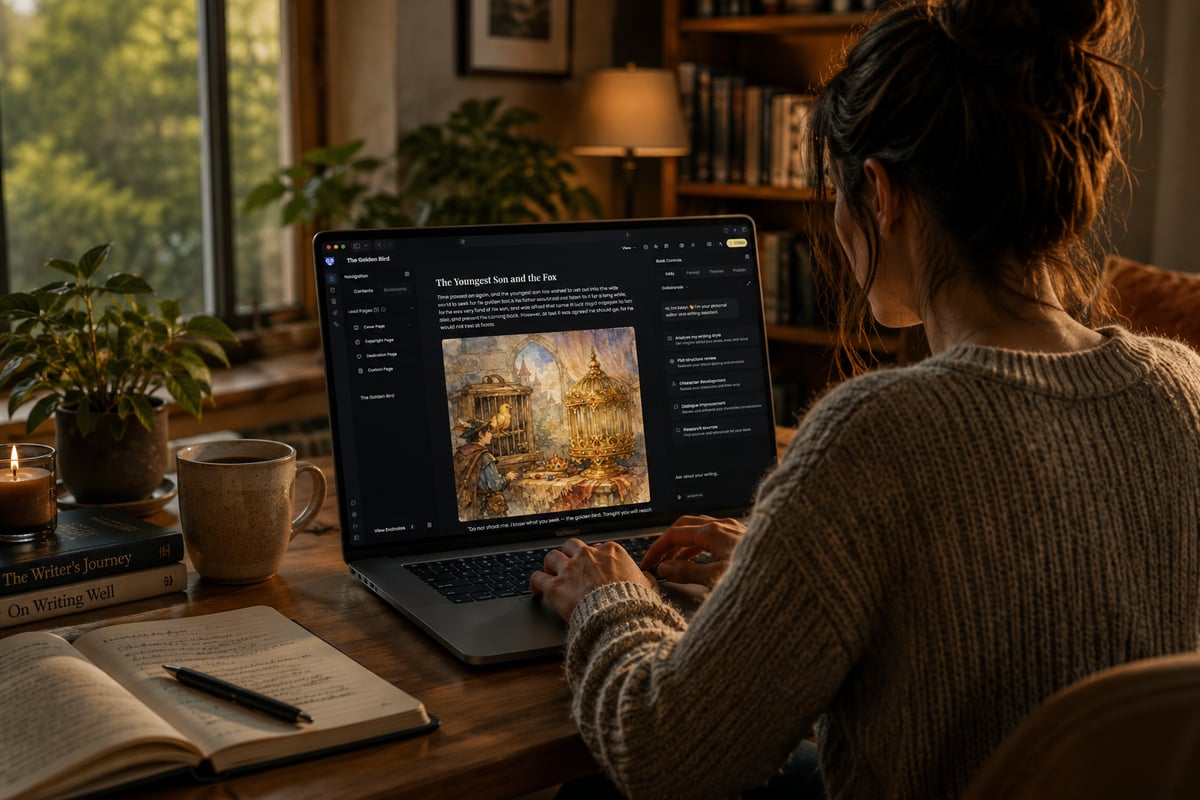
Storyloft for Authors offers precisely this balance through Eddy, an AI editor specifically trained to support authors without homogenizing their prose. You get feedback on pacing issues, structural problems, and consistency errors while maintaining complete creative control. The platform combines these editing capabilities with manuscript organization and professional formatting tools, creating an integrated environment where you can develop your book from first draft through publication.
Formatting and Design Considerations
Your manuscript’s content might be brilliant, but poor formatting can undermine its professionalism.
Interior Book Design Principles
Whether you’re publishing traditionally or independently, understanding print-ready book formatting prevents costly mistakes and delays.
Essential formatting elements:
- Consistent chapter headings with appropriate hierarchy
- Proper margins accounting for gutter space in printed books
- Professional font choices (generally serif for body text)
- Scene breaks clearly indicated
- Front matter and back matter in standard order
Many authors make the mistake of formatting too early in the process. Focus on content first, then apply formatting once your manuscript is complete. This prevents the frustration of reformatting every time you add or delete scenes.
Cover Design Strategy
Your cover is the first thing potential readers see. It needs to instantly communicate genre, tone, and quality while standing out in thumbnail-sized images on online bookstores.
| Cover Element | Purpose | Best Practices |
|---|---|---|
| Title typography | Readability and mood | Clear at small sizes, genre-appropriate |
| Imagery | Genre signaling | Professional quality, avoiding clichés |
| Color scheme | Emotional impact | Coordinated palette, high contrast |
| Author name | Brand recognition | Consistent across all books |
Professional book cover design has become increasingly accessible through AI tools and affordable designers, but investing in quality here pays dividends in reader perception and sales.
Publishing Pathway Selection
The publishing landscape in 2026 offers more options than ever before, each with distinct advantages and challenges.
Traditional Publishing Considerations
Traditional publishing provides editorial support, distribution networks, and industry credibility. However, it requires patience, persistence, and often representation by a literary agent.
Traditional publishing timeline:
- Complete and polish your manuscript
- Research and query literary agents (3-12 months)
- Agent submission to publishers (6-18 months)
- Publishing contract negotiation
- Editorial process and production (12-24 months)
- Publication and marketing
The total timeline from finished manuscript to published book typically spans 2-4 years. Understanding the complete book writing process helps you prepare realistic expectations regardless of which path you choose.
Self-Publishing Advantages
Self-publishing offers speed, creative control, and higher royalty percentages. Authors maintain rights to their work and make all decisions about pricing, cover design, and marketing strategy.
Self-publishing requirements:
- Professional editing (developmental, line, and copy editing)
- Cover design that matches or exceeds traditionally published books
- Formatting for multiple formats (print, ebook, possibly audiobook)
- Marketing and promotion strategy
- Distribution setup through platforms like KDP and IngramSpark
The democratization of publishing means quality self-published books now compete directly with traditional releases. Success depends on approaching your project with the same professionalism traditional publishers demand.
Research and Fact-Checking Methods
Even fiction requires research. The details you get right create believability that allows readers to accept the elements you invent.
Building Your Research Foundation
Strong research enriches your writing with authentic details that transport readers into your world. AI research tools for writers have revolutionized how authors gather and organize information.
Research best practices:
- Start broad, then narrow to specific details
- Maintain organized notes with clear source citations
- Interview subject matter experts when possible
- Visit locations if your story depends on specific settings
- Read extensively in your genre or subject area
For nonfiction writers, rigorous research isn’t optional. Your credibility depends on accuracy. Writing a philosophy book or crafting historical narratives requires especially careful attention to source quality and proper attribution.
Integrating Research Without Info-Dumping
The challenge isn’t gathering information but weaving it seamlessly into your narrative. Readers want to learn through story, not stop for history lessons.
Integration techniques:
- Reveal information through character dialogue and thoughts
- Show research details through action and description
- Layer background information across multiple scenes
- Trust readers to infer some details from context
When I wrote my historical novel, I spent three months researching 1920s Chicago. Initially, I crammed every fascinating detail into the first three chapters. Beta readers glazed over. I learned to sprinkle those details throughout the narrative, revealing information only when relevant to the immediate scene.

Marketing Your Book Idea Early
Successful authors begin building their platform before publication, not after.
Building Your Author Platform
Your platform consists of your website, email list, social media presence, and any existing audience you’ve cultivated. These ideas for making a book extend beyond writing to include the business aspects of authorship.
Platform building essentials:
- Author website with email signup
- Consistent social media presence on 1-2 platforms
- Regular content that provides value to potential readers
- Networking with other authors in your genre
- Speaking opportunities or guest blog posts
The goal isn’t massive follower counts but genuine connections with readers interested in your specific type of book. Finding the right publishing platform connects your completed manuscript with readers, but your author platform creates the audience waiting for it.
Pre-Launch Strategies
Building anticipation before your book releases creates momentum that translates into early sales and reviews.
- Share behind-the-scenes content during writing and revision
- Recruit advance readers for honest reviews
- Create a book launch team of enthusiastic supporters
- Plan your release date strategically around genre-specific buying patterns
- Prepare marketing materials well before publication
Many authors treat marketing as an afterthought, something to worry about after writing finishes. This approach wastes the months or years you spend creating your book. Instead, develop your author workflow to include regular platform-building activities alongside your writing practice.
Managing the Long-Term Project
Books demand sustained effort over months or years. Maintaining motivation requires more than willpower.
Overcoming Common Obstacles
Every author faces moments of doubt, discouragement, and creative blocks. Anticipating these challenges helps you prepare strategies to work through them.
Typical obstacles and solutions:
| Challenge | Solution |
|---|---|
| Middle-of-manuscript slump | Skip ahead to scenes that excite you |
| Perfectionism paralysis | Remember: you can’t edit a blank page |
| Time constraints | Protect your writing time as fiercely as important meetings |
| Loss of motivation | Reconnect with why this story matters to you |
| Comparison to other authors | Focus on your unique perspective and voice |
Managing a complete writing project means accepting that some days you’ll produce brilliant prose, and other days you’ll struggle through mediocre sentences. Both types of days are necessary parts of the process.
Celebrating Milestones
Book writing is marathon, not a sprint. Acknowledging progress helps maintain the stamina required to reach the finish line.
Milestones worth celebrating:
- Completing your outline or initial planning
- Reaching 25%, 50%, and 75% of your target word count
- Finishing your first draft
- Completing major revision passes
- Sending your manuscript to beta readers or editors
- Finalizing your cover design
- Uploading to publishing platforms
- Receiving your first reader review
These small celebrations create positive associations with the writing process. They remind you that you’re making real progress, even when the destination still seems distant. Share these wins with your writing community, accountability partners, or supportive friends who understand the significance of each step forward.
Continuous Learning and Growth
The best ideas for making a book come from authors who remain curious and committed to improving their craft.
Investing in Your Writing Education
Professional development for authors takes many forms, from craft books and workshops to writing conferences and online courses.
Valuable learning resources:
- Craft books specific to your genre
- Writing workshops and retreats
- Online courses from established authors
- Writing conferences for networking and education
- Critique groups providing regular feedback
Reading widely in your genre teaches you through osmosis. Pay attention not just to what you enjoy but to how authors achieve specific effects. When a scene moves you emotionally, return to it analytically. What techniques created that response?
Adapting Your Approach
The methods that work for your first book might not serve your second. As you grow as a writer, your process should evolve too.
Flexibility distinguishes sustainable writing careers from one-book wonders. Maybe you outlined extensively for your debut novel but find your second book demands more discovery. Perhaps you initially drafted longhand but now prefer digital tools that integrate writing, editing, and formatting. Comparing different writing approaches helps you identify which methods align with your current needs and goals.
The writing community constantly develops new strategies, tools, and insights. Staying connected to these conversations through blogs, podcasts, and social media keeps your approach fresh and informed. Current writing trends and techniques offer ideas worth experimenting with, even if you ultimately return to familiar methods.
Transforming your book idea into a finished manuscript requires commitment, craft, and the right support systems. The ideas for making a book explored here provide a roadmap, but your unique voice and vision determine the final destination. Storyloft brings together everything modern authors need in a single platform, from AI-powered editing that respects your creative vision to professional formatting tools that prepare your manuscript for publication. Whether you’re drafting your first chapter or polishing your final pages, having integrated tools designed specifically for authors can transform the overwhelming process of book creation into a manageable, even enjoyable journey.