What Professionally Edited Really Means for Authors
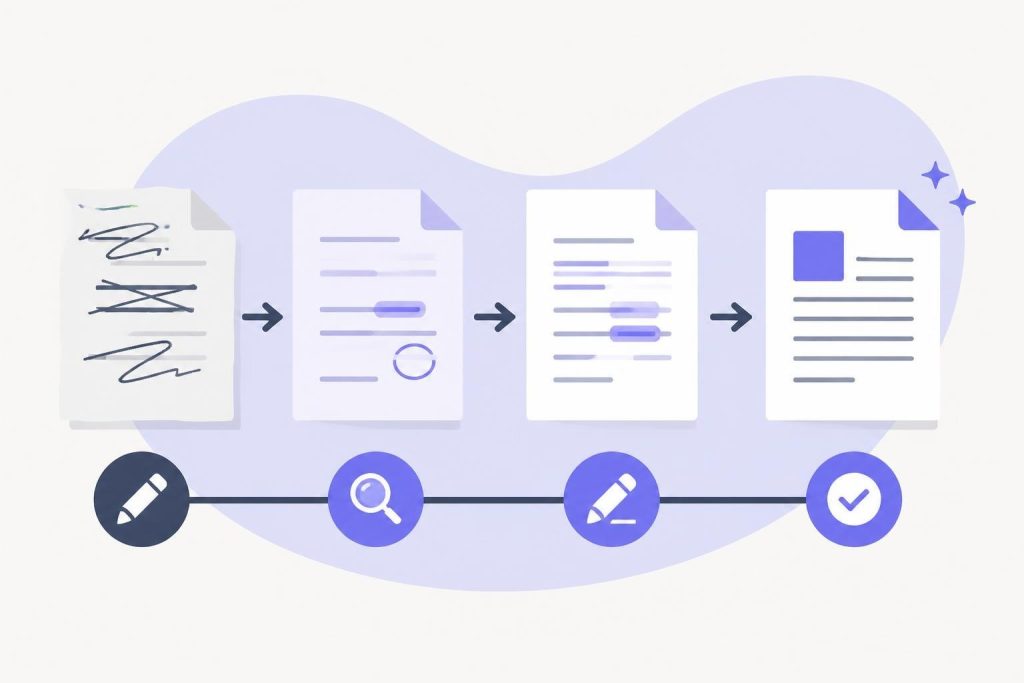
You've finished your manuscript. You've poured months or years into your story. Now comes the question every author faces: what does it actually mean to have a professionally edited book? The answer matters more than you might think, especially if you're planning to self-publish or pitch to agents in 2026.
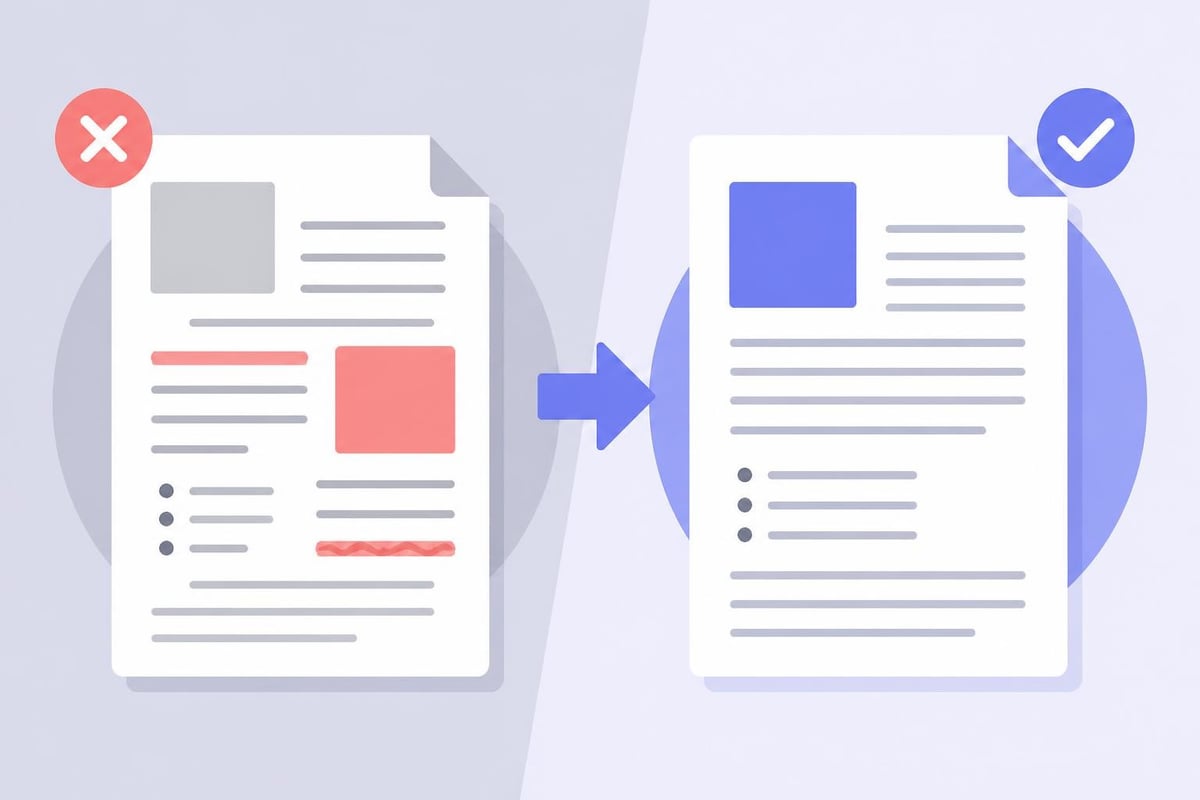
A professionally edited manuscript isn't just one with fewer typos. It's a book that's been refined through multiple stages by skilled editors who understand story structure, character development, and the technical aspects of writing. Let's break down what this really means and why it matters for your work.
The Different Types of Professional Editing
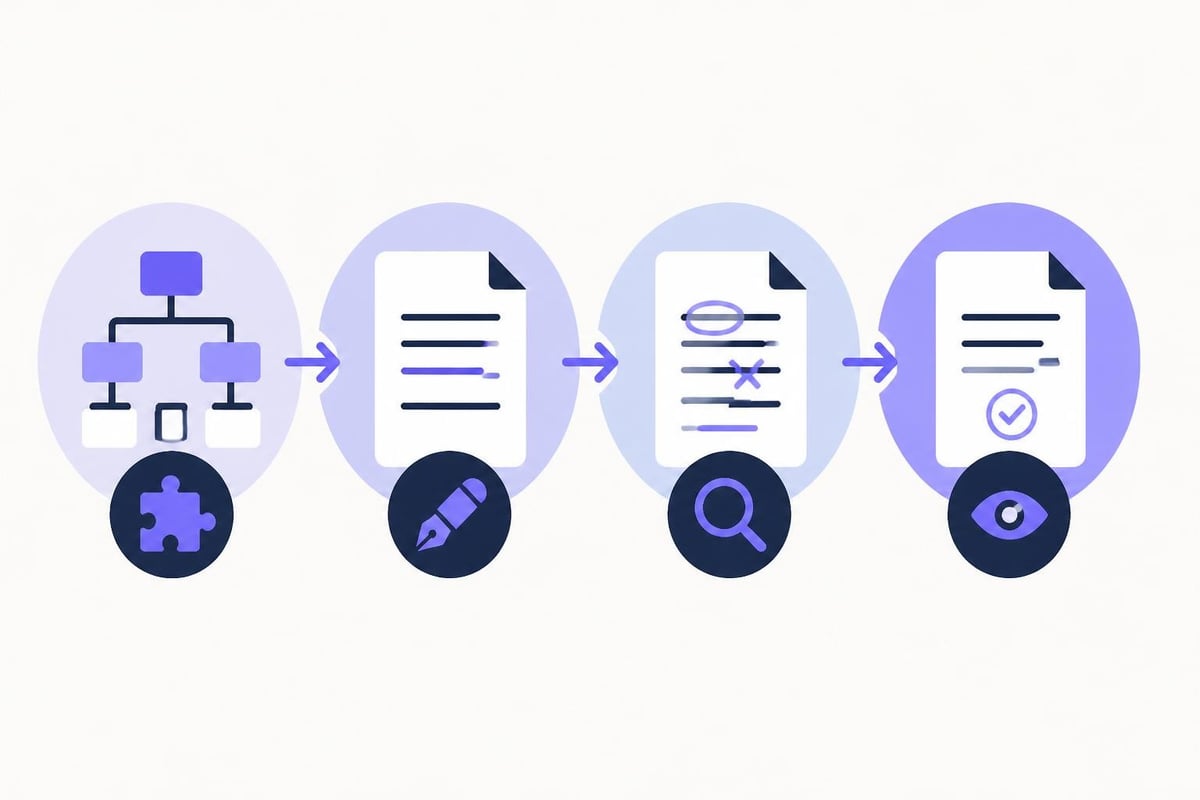
Not all editing is the same. When editors talk about professional work, they're usually referring to several distinct stages that each serve a different purpose.
Developmental Editing
This is the big-picture stuff. A developmental editor looks at your story's structure, pacing, character arcs, and plot holes. They're asking questions like: Does this scene move the story forward? Are your characters consistent? Does the middle section drag?
For nonfiction writers, developmental editing focuses on argument structure, chapter flow, and whether your main points land with clarity. Different types of editing each address specific aspects of your manuscript at various stages.
A professionally edited book at this stage might get feedback like:
- Chapter 7 needs stronger conflict
- Your protagonist's motivation isn't clear in Act 2
- The subplot with the sister feels disconnected
Line Editing
Line editing zooms in on your prose. An editor at this stage looks at sentence structure, word choice, and flow. They're making your writing stronger, clearer, and more engaging at the sentence level.
This is where awkward phrasing gets smoothed out. Where repetitive words get replaced. Where passive voice gets challenged (when appropriate). A line editor helps your unique voice shine while making sure every sentence does its job.
Copy Editing
Copy editing is about correctness. Grammar, punctuation, spelling, consistency. A copy editor catches the technical errors that can distract readers or make your work look unprofessional.
They also watch for consistency issues:
- Is it "gray" or "grey" throughout?
- Did your character's eye color change between chapters?
- Are you using the Oxford comma consistently?
Proofreading
The final pass. Proofreading happens after layout and formatting. A proofreader catches any remaining typos, formatting errors, or issues that slipped through earlier stages.
What Makes Editing "Professional"
Here's the thing. Anyone can call themselves an editor. But professionally edited work comes from editors with specific training, experience, and skills.
Professional editors typically have:
- Formal training in editing or extensive apprenticeship experience
- Knowledge of style guides (Chicago Manual of Style, AP, etc.)
- Hundreds or thousands of manuscripts under their belt
- Specialization in specific genres or content types
- Understanding of current market expectations
They also know what editors actually do at each stage of the publishing process. This expertise can't be replicated by running your manuscript through spell-check or asking a friend to read it.
A professional editor provides objective feedback. They're not trying to rewrite your book in their voice. They're helping you write the best version of YOUR book. That's a skill that takes years to develop.
Why Professional Editing Actually Matters
You might be wondering if professional editing is worth the investment. Let's be honest about what's at stake.
Reader expectations have never been higher. Readers in 2026 are comparing your self-published novel to traditionally published bestsellers. They don't care about your budget or timeline. They care about the reading experience. Poor editing makes books harder to read, less enjoyable, and more likely to get negative reviews.
Professional editing improves your manuscript quality and increases your chances of success, whether you're querying agents or going direct to readers.
| Aspect | Unedited Manuscript | Professionally Edited |
|---|---|---|
| Story Structure | May have pacing issues, plot holes | Tight structure, strong pacing |
| Character Development | Inconsistent motivations | Clear, consistent character arcs |
| Prose Quality | Awkward phrasing, repetition | Clean, engaging sentences |
| Technical Accuracy | Grammar and spelling errors | Correct, polished writing |
| Reader Experience | Distracting errors | Smooth, immersive reading |
Your credibility as an author depends on the quality of your finished book. A professionally edited manuscript signals that you take your work seriously. It shows respect for your readers' time and money.
The Reality of Editing Costs and Options
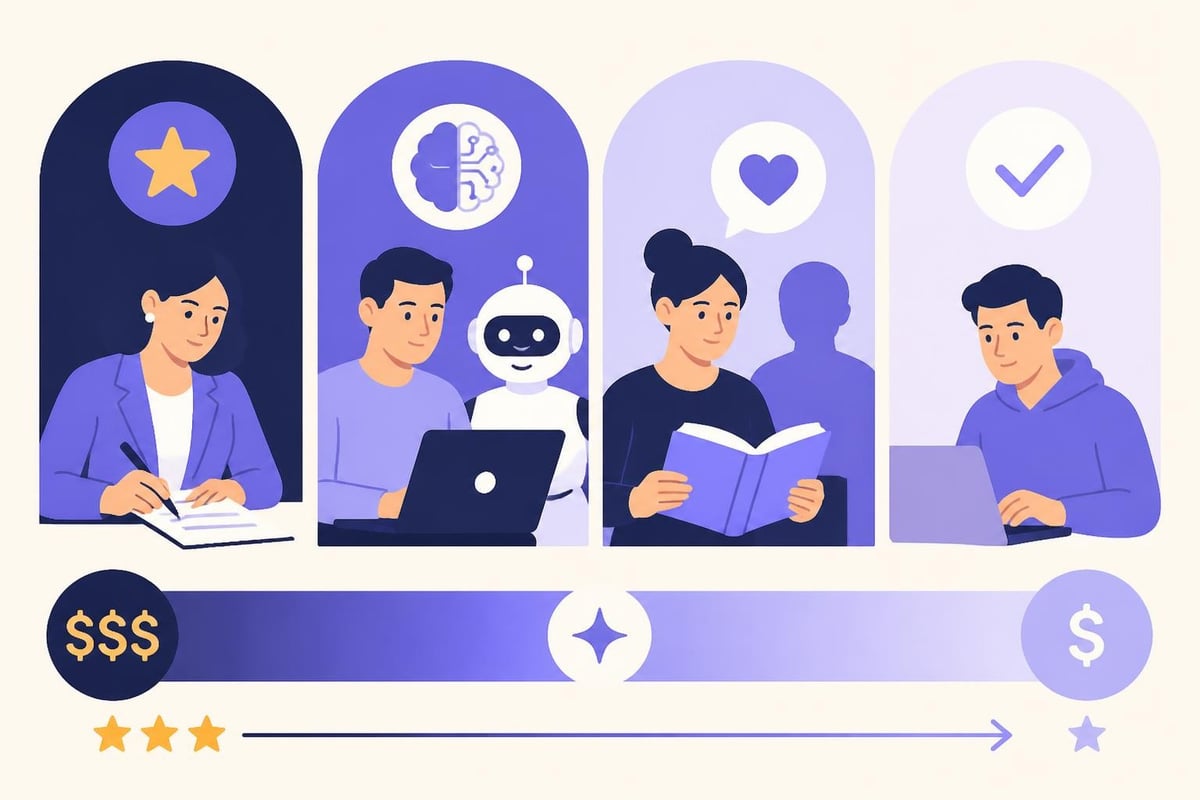
Professional editing isn't cheap. Developmental editing can run $0.03 to $0.10 per word. Line editing ranges from $0.03 to $0.08 per word. Copy editing costs $0.02 to $0.05 per word. For an 80,000-word novel, you're looking at thousands of dollars for comprehensive editing.
That's a real barrier for many authors, especially those writing their first book. But skipping professional editing isn't the answer.
Here are some realistic approaches:
-
Prioritize the editing stages you need most. Not every book needs all four types. A strong self-editor might skip line editing and focus on copy editing and proofreading.
-
Use beta readers and critique partners first. Get feedback from other writers before investing in paid editing. This helps you catch obvious issues yourself.
-
Consider AI-assisted editing tools as a first pass. Modern AI tools for writing can catch many technical issues and provide structural feedback, though they don't replace human editors entirely.
-
Budget editing into your book costs upfront. Professional editing is part of the cost of publishing, like cover design or marketing.
-
Find editors who specialize in your genre. A romance editor understands different conventions than a thriller editor. Specialization matters.
How AI Is Changing Professional Editing
Let's talk about the elephant in the room. AI editing tools have gotten really good. But they're not replacing professional editors. They're changing how editing works.
In 2026, the smartest authors are using AI as a first-pass editing assistant. Tools like Eddy, Storyloft’s AI editor, can catch consistency issues, flag pacing problems, and suggest improvements while preserving your voice. This means your manuscript is stronger before it ever reaches a human editor.
That matters because:
- You spend less on professional editing (fewer rounds needed)
- Editors can focus on higher-level improvements
- You learn more about your writing weaknesses
- The final product is stronger
But AI has limits. It can't replace the intuition of an experienced editor who's read thousands of manuscripts. It can't provide the nuanced feedback about character motivation or thematic resonance that human editors excel at.
The professionally edited manuscripts of 2026 often go through both AI and human editing. That's not cheating. That's smart use of available tools.
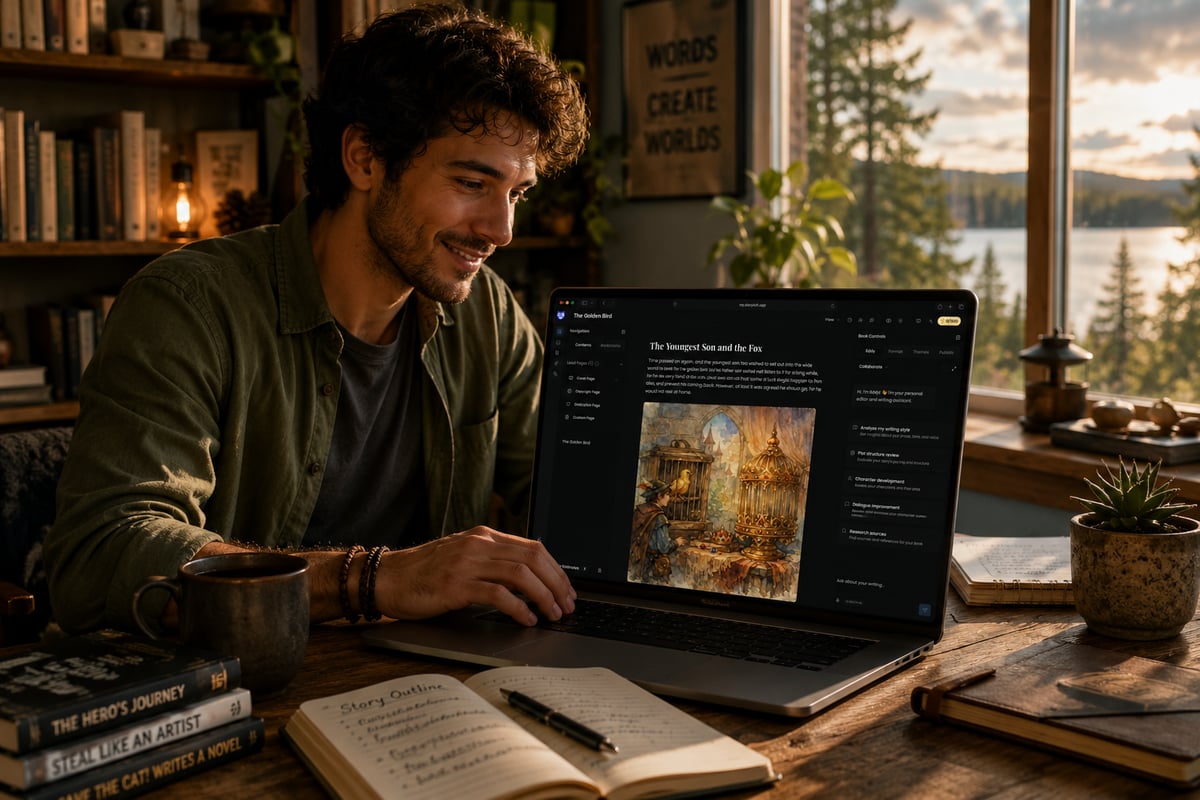
Storyloft combines manuscript writing with AI editing that understands story structure and prose quality. Eddy helps you refine your work throughout the writing process, catching issues before they become expensive problems. This means you're working with a cleaner manuscript when you're ready for final professional editing or publication.
What to Look for in Professional Editing Services
If you're hiring an editor, here's how to tell if they're actually professional:
They should provide:
- A sample edit of your first few pages before you commit
- Clear information about their experience and specialization
- References or testimonials from past clients
- A contract that specifies timeline, services, and payment terms
- Communication about what changes they'll make versus suggest
Red flags include:
- Guarantees about publication or bestseller status
- Refusal to provide samples of their work
- Extremely low rates (if it seems too cheap, it probably is)
- Poor communication or missed deadlines
- Trying to rewrite your book in their style
The benefits of professional editing go beyond just fixing errors. A good editor becomes a partner in making your book the best it can be.
Self-Editing Before Professional Editing
You can reduce your editing costs by doing serious self-editing first. This doesn't replace professional editing, but it makes the professional work more effective.
Effective self-editing strategies:
-
Take a break between drafts. Wait at least two weeks before editing your own work. Fresh eyes catch more issues.
-
Read your manuscript aloud. You'll hear awkward phrasing and pacing problems you'd miss reading silently.
-
Use editing software for first-pass technical issues. Catch obvious grammar and spelling errors before an editor sees your work.
-
Create a style sheet. Track character details, place names, and formatting choices to maintain consistency.
-
Focus on one type of issue per editing pass. Don't try to fix plot, prose, and punctuation simultaneously.
Authors who invest time in self-editing get more value from professional editing services. Your editor can focus on the issues you can't see yourself rather than catching typos you could have fixed with spell-check. For authors looking to improve their writing routine, building editing into your process makes a huge difference.
The Difference Between Edited and Professionally Edited
Here's what separates a manuscript that's been looked over from one that's been professionally edited:
A friend reading your book might say "this is great!" A professional editor tells you exactly where chapter 12 loses momentum and why. They show you the pattern of telling instead of showing. They catch the subplot that disappears for 100 pages.
A spell-checker catches "recieve" instead of "receive." A professional editor catches when you use "comprise" incorrectly or when your character suddenly switches from first-person to third-person perspective.
Your critique group might say "I don't like this character." A professional editor explains that the character lacks clear motivation in the second act and suggests specific ways to strengthen their arc.
| Amateur Feedback | Professional Editing |
|---|---|
| "This part is confusing" | "The timeline isn't clear because you jump back to Tuesday without transition" |
| "I didn't like the ending" | "The ending doesn't resolve the thematic question you raised in chapter 3" |
| "There are some typos" | "You consistently confuse 'lay' and 'lie' throughout the manuscript" |
| "The pacing feels off" | "Chapters 14-17 lack conflict and should be condensed or restructured" |
Understanding why professional editing is important helps you see the value in that level of detailed, expert feedback.
Common Editing Mistakes Authors Make
Even when authors invest in editing, mistakes happen. Here are the most common ones:
Skipping developmental editing and going straight to copy editing. This is like painting a house before fixing the foundation. No amount of perfect grammar fixes a broken story structure.
Hiring one editor for everything. Most editors specialize. Your developmental editor probably shouldn't be your proofreader. Different skills matter at different stages.
Ignoring editor feedback. You don't have to accept every suggestion, but if your editor flags an issue, take it seriously. They're seeing something readers will see too.
Not budgeting enough time. Professional editing takes weeks or months, depending on the manuscript length and editing type. Rushing leads to missed issues.
Expecting editors to rewrite your book. Editors refine and improve. They don't ghost-write. If your manuscript needs major rewriting, that's something you need to do before hiring an editor.
Making Professional Editing Work for Your Budget
Let's get practical. How do you get professionally edited work without breaking the bank?
Start with AI-powered editing tools for your first several passes. Catch the obvious stuff yourself. Then use beta readers and critique partners to get feedback on story-level issues.
By the time you're ready for a paid professional editor, your manuscript should be in good shape. You might only need copy editing and proofreading rather than developmental work. That cuts costs significantly.
Consider hiring different editors for different stages. A less expensive developmental editor early on, then a more experienced copy editor for polish. This tiered approach gives you professional eyes on your work at multiple stages without maxing out your budget.
Join writing organizations that offer editing discounts. Groups like the Alliance of Independent Authors and the Authors Guild sometimes provide member rates for editing services.
Build editing costs into your publishing budget from day one. If you're planning to publish in 2026, start saving now for professional editing. It's not optional if you want your book to compete in today's market.
When DIY Editing Is Enough (and When It's Not)
Some authors have strong editing skills. They've worked as editors, or they've written dozens of books and learned through experience. For these writers, professional editing might mean just a final proofread.
But most authors need outside help. You're too close to your own work. You know what you meant to say, so you miss what you actually said. Your brain fills in gaps that confuse readers.
DIY editing might be enough if:
- You have significant editing experience or training
- You've published multiple successful books
- You're writing in a genre you know extremely well
- Your beta readers consistently give minor feedback
- You're using sophisticated editing software effectively
You definitely need professional editing if:
- This is your first book
- You're writing in a new genre
- Beta readers flag major structural issues
- English isn't your first language
- You struggle with technical writing skills
- You want to query traditional publishers
The stakes matter too. If you're investing in cover design, marketing, and publication, skipping professional editing undermines everything else. Professional book editing improves quality and sales in ways that directly impact your success as an author.
What Happens After Professional Editing
Getting your manuscript back from a professional editor can be overwhelming. You might have hundreds of comments and suggestions. Here's how to approach revisions:
Read through all the feedback without making changes first. Get a sense of the big patterns. Is your editor flagging the same issue repeatedly? That's your focus area.
Prioritize structural changes before line-level edits. If you're adding a scene or moving chapters around, don't spend time polishing sentences that might get cut.
Don't take feedback personally. Your editor wants your book to succeed. They're not attacking you. They're identifying opportunities for improvement.
Ask questions if something isn't clear. Good editors explain their reasoning. If you don't understand why they're suggesting a change, reach out for clarification.
After revisions, some authors do another round of editing. Others move to proofreading. It depends on how extensive the changes were and your budget. The goal is a manuscript you're confident in.
The Long-Term Value of Professional Editing
Here's something most authors don't think about: professional editing teaches you to be a better writer. Every manuscript you get back from a skilled editor shows you patterns in your writing. You start to recognize your weak spots. You learn to catch issues yourself in future drafts.
This means your second book needs less editing than your first. Your third needs even less. You're building skills that pay off across your entire career.
Professional editing also builds your credibility with readers. Consistently well-edited books create reader trust. People are more likely to try your next book if the last one was polished and professional.
And if you ever decide to pursue traditional publishing, having manuscripts that are already professionally edited gives you an edge. Agents and editors notice quality. They're more likely to request fulls from authors who submit clean, polished work.
Professional editing transforms good manuscripts into great books. It's an investment in your work, your readers, and your career as an author. Whether you're working with human editors, using AI tools, or combining both approaches, the goal stays the same: creating the strongest possible version of your story. If you're ready to streamline your writing and editing process, Storyloft brings together manuscript writing, AI-powered editing, and professional formatting in one place, so you can focus on telling your story while we help you polish it to publication-ready quality.