
Book Draft: How to Write, Edit, and Polish Your Manuscript
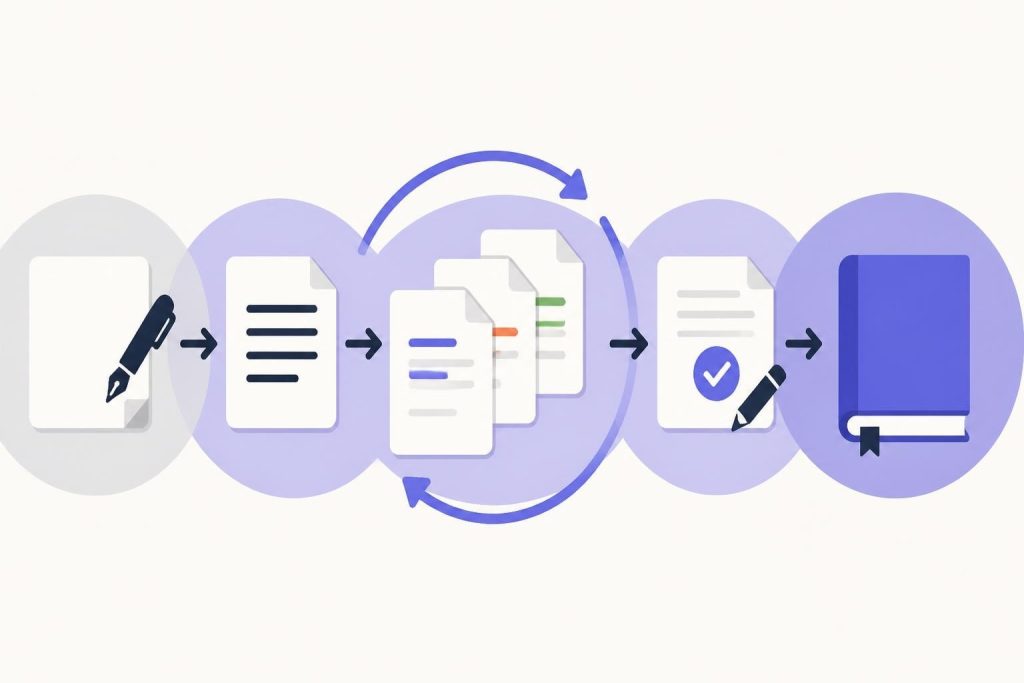
Writing a book draft is one of the most exciting and challenging parts of being an author. It's where your ideas start to take shape on the page, where characters come alive, and where your story or message begins to form. But let's be honest, that first book draft is rarely perfect. It's messy, full of gaps, and probably has more typos than you'd like to admit. That's completely normal. The real magic happens when you understand how to move from that rough first attempt to a manuscript you're proud to publish. Whether you're writing fiction or nonfiction, knowing how to approach your book draft process can make the difference between a project that stalls out and one that actually makes it to readers' hands.
Understanding the Book Draft Process
A book draft isn't a single thing. It's actually a series of versions that get progressively better. Most authors go through several drafts before they have something ready to publish.
Your first draft is all about getting words on the page. Don't worry about perfection here. The goal is to complete the story or get your full message down. Many writers call this the "vomit draft" because you're just getting everything out.
After that comes revision, which is different from editing. Revision involves big-picture changes to structure, plot, character development, and overall flow. This is where you might add entire chapters or delete scenes that don't work.
How Many Drafts Do You Actually Need?
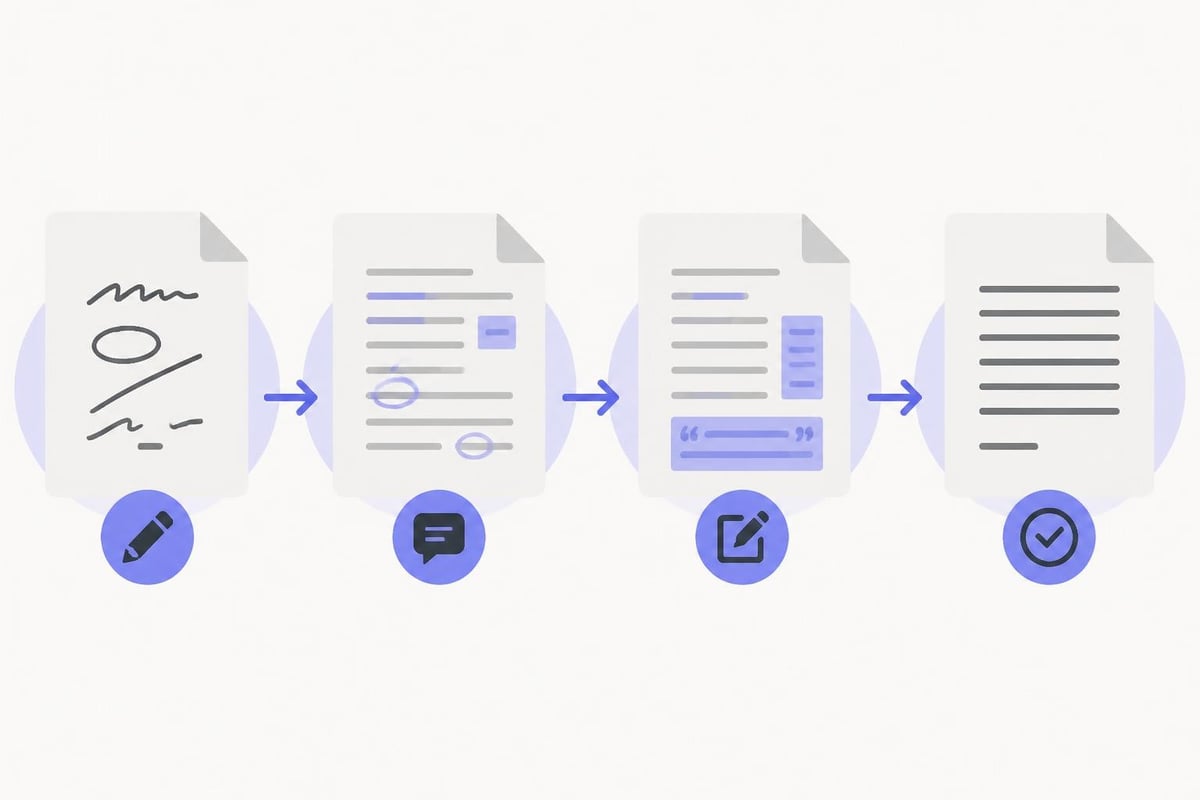
There's no magic number, but most published books go through at least three to five major drafts. Here's what that typically looks like:
- First draft: Getting the complete story or book content down
- Second draft: Major structural and content revisions
- Third draft: Scene-level improvements and character consistency
- Fourth draft: Line editing for prose quality
- Final draft: Proofreading and polishing
Some authors do more, some do fewer. It depends on your process and how clean your first book draft is.
Writing Your First Book Draft
The hardest part of any book draft is starting. You're staring at a blank page, and it can feel overwhelming. Here's the thing: your first draft doesn't need to be good. It just needs to exist.
Set a daily word count goal that feels achievable. For some writers, that's 500 words. For others, it's 2,000. What matters is consistency. Writing a little bit every day builds momentum better than waiting for the perfect weekend to write for eight hours straight.
Don't edit as you go. Seriously. This kills more book projects than almost anything else. If you stop to fix every sentence, you'll never finish. Mark spots that need work with a quick note in brackets and keep moving forward. You can fix everything in revision.
Managing Your Manuscript While You Write
Organization matters, especially if you're writing a longer book. Keep track of character details, plot threads, timelines, and research notes. A modern writing app can help you manage all these pieces without switching between different programs.
For nonfiction writers, maintaining source citations as you write saves headaches later. You don't want to be hunting down references when you're trying to finish your book draft.
Taking a Break Before Editing
This might sound counterintuitive, but one of the best things you can do after finishing your book draft is to step away from it. Taking a break before editing gives you fresh eyes and helps you see problems you'd miss otherwise.
How long should you wait? At least two weeks. A month is even better if you can manage it. Work on something else, read books in your genre, or just take a mental break from writing.
When you come back, you'll be able to read your manuscript more like a reader and less like the person who wrote it. Plot holes become obvious. Pacing issues jump out. Character inconsistencies are easier to spot.
The Big Picture Edit
Your first editing pass should focus on structure and story. This is where developmental editing happens. You're looking at whether the book actually works as a whole.
Ask yourself these questions:
- Does the opening hook readers effectively?
- Is the pacing consistent, or do parts drag?
- Do characters grow and change appropriately?
- Does every scene serve a purpose?
- Is the ending satisfying?
For nonfiction, check whether your argument flows logically, whether you've supported your points with enough evidence, and whether the organization makes sense.
This is often where you'll make the biggest changes to your book draft. You might move chapters around, delete entire sections, or realize you need to add new content. That's all normal and good.
Using Beta Readers
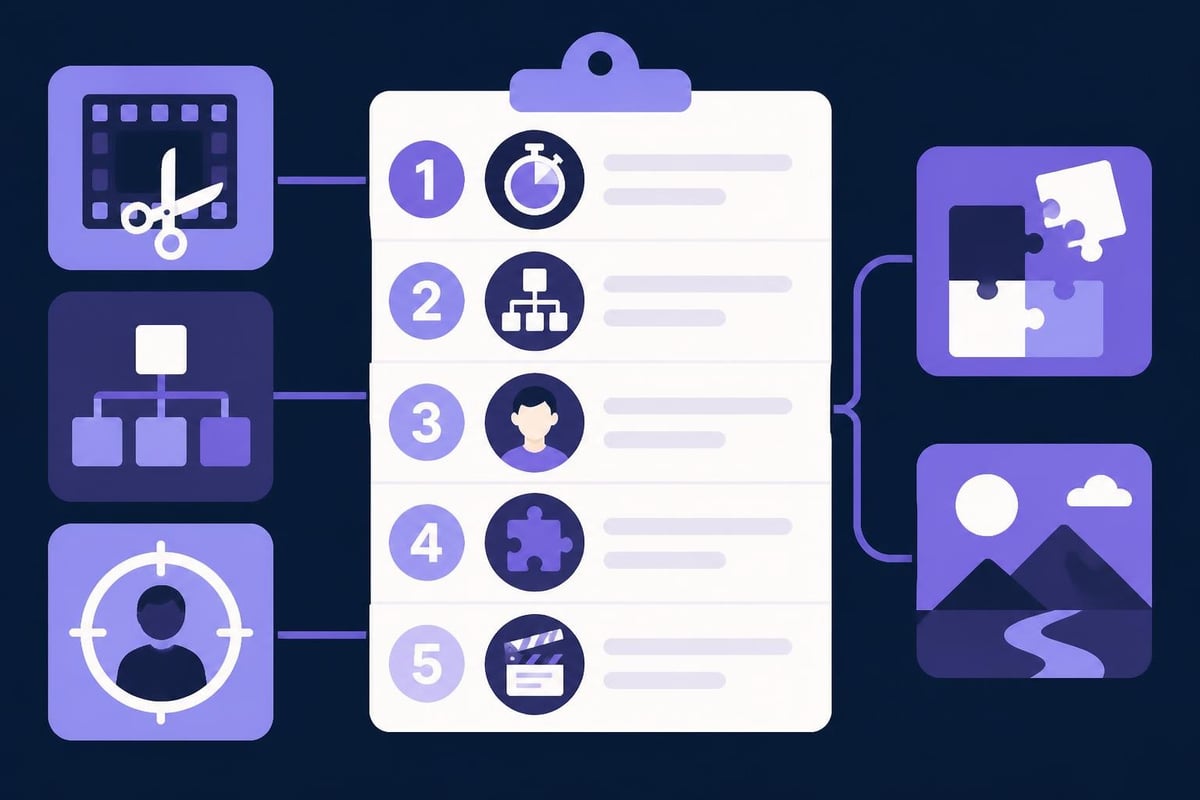
Before you dive too deep into line editing, consider getting feedback from beta readers. These are people who read your book draft and tell you what's working and what isn't. They catch things you can't see because you're too close to the material.
Choose beta readers who understand your genre and are willing to be honest. Family members who love everything you write aren't helpful here. You want constructive criticism that helps you improve.
Scene-Level Improvements
Once your structure is solid, it's time to work on individual scenes and chapters. This is where you make each section as strong as it can be.
Look at how scenes open and close. Does each one start with something interesting? Does it end with a reason for readers to keep going? In nonfiction, does each chapter deliver on what you promised in the opening?
Check your dialogue. Does it sound natural? Does each character have a distinct voice? Read it aloud to catch awkward phrasing. Speaking of which, reading your manuscript aloud is one of the best editing techniques there is. Your ear catches problems your eyes miss.
Watch for info dumps. Breaking up exposition with action and dialogue keeps readers engaged. This applies to both fiction and nonfiction writing.
Line Editing Your Book Draft
Now you're ready to polish the prose itself. This is where you look at every sentence and make it better. It's detailed work, but it makes a huge difference in the final quality of your book draft.
Minimize adverbs and weak verbs. Instead of "walked quickly," use "hurried" or "rushed." Instead of "very tired," use "exhausted." Stronger word choices create more vivid writing.
Cut unnecessary words. "In order to" becomes "to." "At this point in time" becomes "now." Tighter writing is usually better writing.
Vary your sentence structure. If you notice you're starting several sentences in a row the same way, mix it up. Short sentences create tension. Longer sentences can build atmosphere or convey complex ideas. Using both keeps your writing interesting.
| Editing Focus | What to Look For | How It Helps |
|---|---|---|
| Adverbs | Words ending in -ly | Stronger, more active prose |
| Weak verbs | Was, is, were, are | More dynamic writing |
| Repetition | Same words or phrases | Fresh, varied language |
| Sentence variety | Length and structure | Better rhythm and flow |
Getting Professional Feedback
At some point, most authors benefit from professional feedback. This might be a developmental editor, a line editor, or a copy editor depending on what your book draft needs.
Professional editors see patterns and problems that beta readers might miss. They also bring expertise about what works in your genre and what publishers or readers expect. Using an AI editor built for authors can provide immediate feedback on pacing, structure, and consistency while you're still drafting and revising. This helps you identify issues earlier in the process, before you invest in professional editing services.

If you're on a tight budget, consider hiring an editor for a partial manuscript critique first. They'll read the first few chapters and give you feedback on major issues. You can then apply what you learn to the rest of your book draft.
Common Book Draft Problems and Solutions
Every book draft has issues. Knowing the common ones helps you spot and fix them faster.
Sagging middles plague both fiction and nonfiction. The solution is usually to raise stakes, introduce complications, or cut content that doesn't move things forward. If you're bored writing it, readers will be bored reading it.
Inconsistent character details happen when you're writing over months. Keep a character bible with physical descriptions, personality traits, and key backstory. Check it regularly as you work on your book draft.
Telling instead of showing weakens fiction. Instead of "Sarah was angry," show her slamming doors or snapping at people. For nonfiction, use specific examples and case studies instead of just explaining concepts.
Unclear transitions between scenes or chapters confuse readers. Make sure it's obvious when you've jumped in time, changed locations, or switched viewpoints.
Formatting Your Finished Draft
Once your content is solid, formatting matters. A professionally formatted book looks credible and reads easily. Poor formatting makes even great content feel amateur.
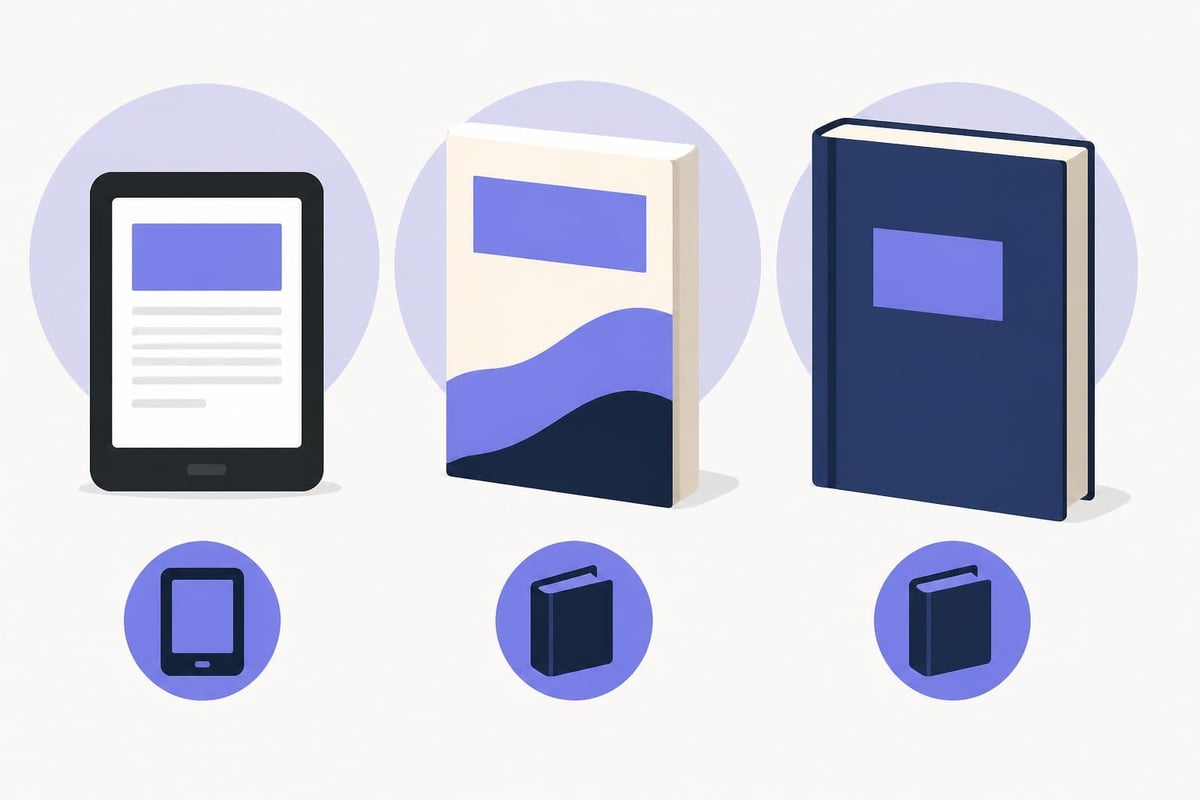
Different formats require different approaches. Print books need proper margins, headers, and page breaks. Ebooks need clean HTML and working navigation. If you're planning to publish on multiple platforms, you'll need files formatted for each one.
Many authors struggle with formatting because it's technical and fiddly. Using software designed for book formatting saves time and ensures you meet platform requirements for KDP, IngramSpark, and other publishers.
Preparing Multiple Formats
In 2026, most authors publish in multiple formats: ebook, paperback, and sometimes hardcover. Each needs its own file with appropriate formatting.
Your book draft goes through one last review in each format. Text that looks fine in your word processor might have problems when converted to an ebook. Page breaks might fall awkwardly in print. Check everything before you upload.
Managing Your Revision Schedule
Editing a book draft takes time. How much depends on the length of your book and how many issues need fixing. Plan for several weeks at minimum, often longer for a full-length book.
Break the work into manageable chunks. Maybe you edit one chapter per day, or you focus on one type of edit per week. Having a structured approach prevents burnout and helps you track progress.
Set deadlines for yourself. Without them, editing can drag on forever. There's always one more thing you could tweak, but at some point, you need to call it done.
Keep track of what you've already revised. Use your writing software's version control or simply save dated copies. This prevents you from accidentally working on an old version or losing good changes.
When Your Book Draft Is Actually Done
Knowing when to stop editing is hard. You could probably tinker with your book draft forever, finding little things to change. But perfect is the enemy of published.
Your book draft is done when:
- The story works and makes sense
- Characters are consistent and developed
- The prose is clean and readable
- You've fixed all the major issues
- Beta readers and editors give positive feedback
It doesn't need to be perfect. It needs to be good enough that readers will enjoy it and get value from it. Professional published books still have the occasional typo. Don't let perfectionism keep you from sharing your work.
Avoiding Editing Burnout
Working on the same book draft for months can wear you down. Here's how to stay fresh and motivated through the revision process.
Switch between different types of editing. If you've been doing detailed line editing all week, take a day to work on big-picture structure questions. Variety keeps your brain engaged.
Take regular breaks. Step away from your manuscript for a few days between revision passes. You'll come back with renewed energy and perspective.
Celebrate milestones. Finished the second draft? That's worth acknowledging. Completed all the structural revisions? Treat yourself. Small celebrations along the way make the long journey more enjoyable.
Building Better Writing Habits
Each book draft you complete teaches you something. Pay attention to what works in your process and what doesn't. Maybe you write better in the morning, or you do better with a detailed outline, or you need accountability partners.
Keep notes about common problems in your writing. If you always struggle with pacing in Act Two, you can watch for that in your next book. If you tend to overuse certain words, you can search for them specifically in editing.
The more books you write, the cleaner your first drafts become. You start catching issues while you're writing instead of in revision. Your revision process gets faster. This is all part of developing your craft as a writer.
Using Technology to Improve Your Process
Writing in 2026 means you have access to tools that didn't exist a few years ago. AI writing assistants can flag pacing issues, inconsistencies, and prose problems while you're still working on your book draft. This doesn't replace human editing, but it gives you a head start on making improvements.
Look for writing platforms that integrate multiple functions. When your writing, editing, formatting, and publishing tools all work together, you save time and avoid the frustration of moving files between different programs.
Some writers resist technology, preferring to work the old-fashioned way. That's fine if it works for you. But if you're struggling with organization, consistency, or formatting, modern writing software can solve those problems so you can focus on the creative work.
Every book starts as a messy first book draft, and learning to revise effectively is what separates finished books from abandoned manuscripts. The key is understanding that writing is rewriting, and each pass through your manuscript makes it stronger. Whether you're working on your first novel or your tenth nonfiction book, Storyloft gives you the tools to write, revise, edit, and format your manuscript in one integrated platform, with Eddy providing AI-powered feedback that helps you strengthen your book draft while preserving your unique voice.