Write in a Book: A Complete Guide for Authors
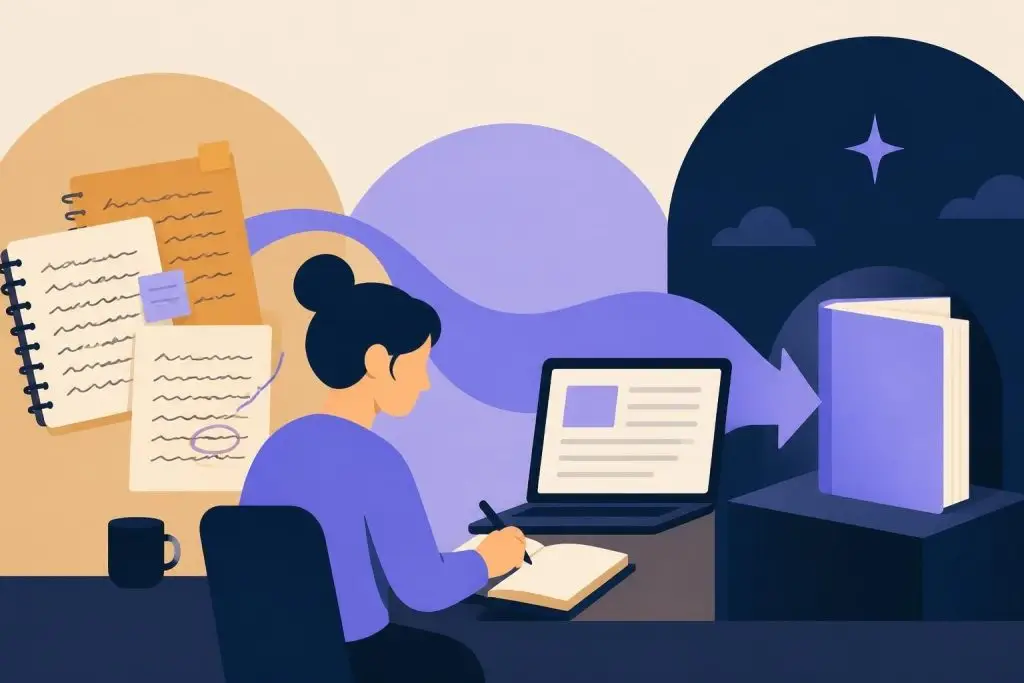
Every author knows the feeling. You're deep into your manuscript, and suddenly you need to write in a book-not just type words onto a screen, but truly engage with the physical or digital pages in front of you. Whether you're marking up a printed draft, annotating research materials, or adding notes to your work-in-progress, the act of writing in a book connects you to your story in ways that passive reading never could. This tactile, intimate relationship with text has shaped how writers develop their craft for centuries, and in 2026, it remains as relevant as ever.
The Lost Art of Writing Directly in Your Manuscript
I remember the first time I printed my entire novel draft. One hundred twenty thousand words on crisp white paper, bound with binder clips, sitting on my desk like a challenge. My writing mentor had insisted I write in a book-my own book-to see what I'd actually created.
That weekend changed everything.
As I began to write in a book for the first time, red pen in hand, I discovered plot holes I'd never noticed on screen. Character inconsistencies jumped out at me. Dialogue that seemed sharp in digital form felt flat when I could flip back three chapters and compare it to earlier scenes. The physical act of writing notes in the margins created a different kind of awareness than typing comments in a document.
Why Authors Still Write in Books
The digital revolution hasn't eliminated our need to write in a book during the creative process. In fact, it's become more important as screens dominate our workflow.
Key benefits of writing in your manuscript:
- Spatial memory activation: Physical page positions help you remember where scenes occur
- Reduced screen fatigue: Your eyes and brain process printed text differently
- Tangible progress: Seeing marked-up pages creates a sense of accomplishment
- Pattern recognition: Flipping through pages reveals structural issues faster than scrolling
- Distraction elimination: No notifications, tabs, or digital temptations
When you write in a book, you're engaging multiple senses simultaneously. The weight of the pages, the scratch of the pen, even the smell of paper or ink-these sensory inputs create stronger neural pathways for memory and creativity.

Annotation Techniques That Transform Your Writing
Writing in a book isn't about randomly scribbling notes. Professional authors develop systematic approaches to annotation that turn their manuscripts into roadmaps for revision.
The Multi-Color Method
Different colors signal different types of notes. This visual system lets you scan pages quickly and identify patterns.
| Color | Purpose | Example Use |
|---|---|---|
| Red | Plot problems | Continuity errors, timeline issues |
| Blue | Character notes | Voice inconsistency, motivation gaps |
| Green | Prose improvements | Awkward phrasing, word repetition |
| Yellow | Research needed | Facts to verify, details to add |
| Purple | Pacing concerns | Scenes that drag or rush |
When you write in a book using this color-coded system, you create a visual heat map of your manuscript's strengths and weaknesses. Pages covered in red? Your plot needs work. Sections with minimal marks? Those scenes are probably working.
Margin Conversations
The margins of your manuscript become a dialogue with yourself. As you write in a book, you're essentially creating a running commentary on your own work. Effective annotation methods help you engage more deeply with text, whether it's your own manuscript or research materials.
Short codes save space:
- POV (point of view shift needed)
- SHOW (telling instead of showing)
- INFO (information dump)
- RUSH (pacing too fast)
- DRAG (scene too slow)
- ? (confusing passage)
These shorthand notes let you write in a book quickly without breaking your reading flow. Later, when you return to revise, these codes guide your editing priorities.
Writing in Research Books and References
Fiction writers aren't the only ones who write in a book. Nonfiction authors, researchers, and content creators rely heavily on annotation to track sources, verify facts, and develop arguments.
I once interviewed a historical novelist who maintained an entire library of annotated reference books. When I asked why she didn't just use digital notes, she pulled out a biography from 1847 and showed me her annotations. Each marked passage connected to specific scenes in her manuscript. She could physically see how research translated into story.
Research Annotation Strategies
When you write in a book you're using for research, organization becomes critical. Practical annotation strategies can dramatically improve your comprehension and retention of complex material.
Systematic research annotation includes:
- Source page numbers for citations
- Manuscript chapter numbers where the information appears
- Question marks for facts requiring verification
- Star ratings for particularly useful passages
- Cross-references to related books or articles
Creating this web of connections as you write in a book transforms passive research into active knowledge building. You're not just collecting facts; you're understanding how information fits into your larger narrative structure.
Digital Annotation for Modern Authors
Not everyone wants to write in a book physically. Some authors prefer clean pages. Others work entirely digitally. The good news? The principles of writing in a book translate perfectly to digital workflows.
PDF Annotation Tools
When you export your manuscript as a PDF, you can write in a book digitally using annotation software. Tools like Adobe Acrobat, PDF Expert, or even free options like Foxit Reader let you add comments, highlights, and drawings without altering the original text.
Digital annotation offers unique advantages:
- Search functionality across all notes
- Cloud backup of your annotations
- Easy organization by category or tag
- Share annotated versions with beta readers
- Export notes as separate documents
The key is maintaining the same intentional approach you'd use when you write in a book physically. Don't just highlight randomly. Develop your system, stick to it, and let the annotations guide your revision process.
Non-Destructive Methods
Annotating books without damage matters to many readers and writers who want to preserve their copies. Sticky notes, tabs, and removable highlighter strips let you write in a book temporarily.
For authors, this approach works well for:
- Printed manuscripts you'll recycle after revision
- Library books used for research
- Rare or valuable reference materials
- Books you plan to lend to beta readers
I keep a stack of small sticky flags in five colors matching my annotation system. As I write in a book using these tabs, I can quickly mark passages without permanent marks. Later, I transfer the notes to my manuscript file.
The Revision Phase: When Writing in Your Book Matters Most
The real power of writing in a book reveals itself during revision. Those annotations you've added become your editing checklist, your structure guide, your quality control system.
First Pass: Big Picture Issues
Read your entire manuscript in one or two sittings. As you write in a book during this pass, focus only on major problems:
- Plot holes and logic errors
- Character arc inconsistencies
- Structural weaknesses
- Pacing problems
- Major scene issues
Don't worry about word-level edits yet. You're looking at architecture, not paint colors.
Second Pass: Scene-Level Work
Now you write in a book with more granular focus. Each scene gets evaluated:
| Question | What to Mark |
|---|---|
| Does this scene advance the plot? | Scenes that could be cut or combined |
| Does it reveal character? | Missed opportunities for development |
| Does it include conflict? | Tension-free passages |
| Does it end with a hook? | Weak scene endings |
| Is the pacing right? | Sections to expand or condense |
This systematic approach ensures you write in a book with purpose. Every annotation serves your revision goals.
Third Pass: Prose and Polish
Finally, you write in a book focusing on sentence-level craft. This is where you mark:
- Awkward phrasing
- Repetitive words
- Weak verbs
- Filter words (saw, heard, felt)
- Adverb overuse
- Dialogue tag variety
- Sensory detail opportunities
Multiple annotation techniques can enhance your understanding and retention, making each reading pass more productive than the last.
Combining Traditional and Digital Workflows
Most authors in 2026 don't choose between digital and physical. They blend both approaches, using each method where it works best.
My typical workflow involves writing digitally but printing key sections to write in a book physically. Opening chapters get printed and annotated. Climactic scenes get the same treatment. Problem areas identified by beta readers get printed for focused revision work.
Meanwhile, I use comprehensive writing platforms for the digital side. Modern writing software lets you add inline comments, track changes, and organize notes without leaving your manuscript environment.
Storyloft, for instance, integrates AI-powered feedback directly into your writing space. You get the benefits of writing in a book-that close engagement with your text-combined with intelligent suggestions on pacing, structure, and consistency. The platform preserves your unique voice while helping you spot issues you might miss even with careful annotation.

Creating Your Personal System
The best annotation system is the one you'll actually use. As you develop your approach to writing in a book, consider:
- Your learning style: Visual, kinesthetic, or reading/writing preference
- Your genre requirements: Plot-heavy vs. character-driven stories
- Your revision habits: Linear editing vs. scene-by-scene work
- Your schedule: Time available for printing and physical annotation
- Your tools: Digital preferences and available software
Experiment with different methods. I spent two years trying various ways to write in a book before finding my current system. That exploration wasn't wasted time-it taught me how I think, how I edit, and what my manuscripts actually need.

Teaching Yourself to Write in a Book Effectively
If you've never systematically written in a book-your own or others-the practice requires skill development. Like any craft technique, annotation improves with intentional practice.
Start with Someone Else's Work
Before you write in a book you've created, practice on published novels in your genre. Buy used copies or use ones you already own. As you read, annotate what works:
- Highlight beautiful prose
- Mark powerful scene endings
- Note effective dialogue
- Circle strong character moments
- Star surprising plot twists
This trains your eye to recognize quality. When you later write in a book you've authored, you'll more easily spot where your work matches or falls short of these standards.
Develop Your Notation System
Consistency matters more than complexity. When you write in a book, use the same symbols, colors, and codes each time. Effective annotation tips emphasize the importance of active engagement with text through consistent marking systems.
Create a key on the inside cover:
★ = exceptional passage
? = confusing section
⚡ = great dialogue
❤ = emotional moment
✓ = plot point resolved
⊗ = plot hole
△ = pacing issue
When you write in a book using consistent symbols, patterns emerge. You might discover you mark "pacing issue" triangles every third chapter, revealing a structural problem in your manuscript rhythm.
The Psychology of Physical Annotation
Why does it matter whether you write in a book physically versus digitally? Neuroscience suggests the physical act creates different cognitive pathways.
Physical writing engages:
- Fine motor control (handwriting practice)
- Spatial reasoning (page location memory)
- Tactile feedback (paper texture, writing resistance)
- Visual-physical connection (seeing your own handwriting)
These multisensory inputs create stronger memory formation. When you write in a book by hand, you're more likely to remember both the note and the surrounding context.
This doesn't mean digital annotation is inferior. It means each approach serves different purposes. Use physical annotation when you need deep engagement and strong memory formation. Use digital tools when you need searchability, organization, and easy sharing.
Advanced Techniques for Professional Authors
As you become comfortable with basic annotation, more sophisticated approaches to writing in a book can accelerate your development.
Comparative Annotation
Print two drafts of the same chapter side by side. As you write in a book comparing versions, you see exactly how revisions changed the text. This reveals whether edits actually improved the work or just made it different.
Circle passages that got better. Star ones that got worse. Draw arrows connecting related changes. This visual comparison teaches you what kinds of edits serve your story.
Collaborative Annotation
Share printed chapters with trusted readers and ask them to write in a book you've created. Different perspectives reveal blind spots in your work.
Provide annotation guidelines:
- Use pencil only (so you can erase for the next reader)
- Mark confusing passages with question marks
- Highlight favorite lines
- Note pacing problems in margins
- Ask questions about character motivations
When multiple people write in a book, you get a heat map of reader experience. Sections everyone marks as confusing definitely need revision. Passages multiple readers highlight are probably working well.
Time-Delayed Annotation
Write in a book in multiple passes separated by weeks or months. Use different colored pens for each round. This creates a chronological record of your evolving perspective on your own work.
First pass (fresh after drafting): Purple pen
Second pass (one month later): Blue pen
Third pass (after beta feedback): Green pen
This technique shows you how your judgment about your writing changes with distance. Issues you missed initially become obvious. Problems that seemed huge fade in importance.
Making Annotation Sustainable
The challenge isn't learning to write in a book once. It's building annotation into your regular writing practice without burning out.
Time Management
Set realistic annotation goals:
- 20 pages per session maximum
- One complete pass per week for novel-length work
- Dedicated annotation time separate from writing time
- No multitasking during annotation sessions
When you write in a book, give it full attention. This isn't background work you can do while watching television. Quality annotation requires focused engagement.
Physical Considerations
Supplies that matter:
- Good lighting (prevents eye strain)
- Comfortable seating (maintains focus)
- Quality pens that don't bleed through pages
- Highlighters that don't obscure text
- Sticky notes that actually stick
- Page flags that stay attached
Small details affect whether you'll actually write in a book consistently. Invest in tools that make the process pleasant rather than frustrating.
Integration with Digital Tools
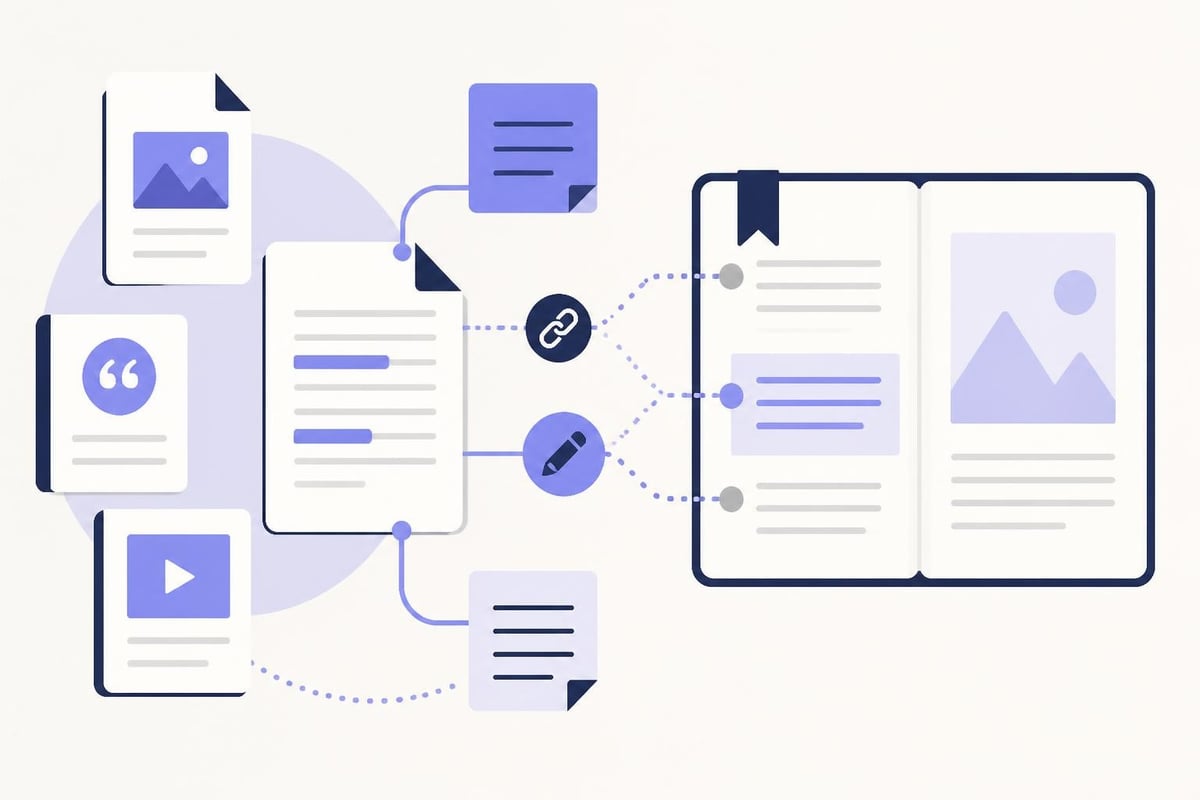
Don't let annotation become isolated from your revision work. Transfer handwritten notes into your digital manuscript promptly. I photograph annotated pages and add them to my project files as reference images. This bridges the gap between physical and digital workflows, ensuring notes don't get lost.
Modern author-focused writing apps often include features for organizing research, notes, and revision plans alongside your manuscript. This integration means the insights you gain when you write in a book flow directly into your actual editing work.
Beyond Your Own Manuscript
Authors who write in a book regularly often extend the practice beyond their own work. Reading annotated becomes a form of professional development.
Genre Study Through Annotation
Buy or borrow bestselling books in your genre. As you write in a book by successful authors, analyze their techniques:
- How do they structure chapters?
- What's their scene length pattern?
- How often do they use dialogue vs. narrative?
- What's their pacing rhythm?
- How do they handle point of view?
Understanding annotation’s benefits can transform how you learn from other authors' work, making your reading time an active learning experience.
This analytical reading teaches craft in ways that passive consumption never could. When you write in a book by your favorite author, you reverse-engineer their success.
Craft Book Annotation
Writing guides and craft books deserve annotation too. As you write in a book about writing, connect principles to your own work:
- "This applies to my opening chapter"
- "Try this technique in chapter 15"
- "This explains my pacing problem"
- "Use this for my villain's arc"
These annotations transform theoretical knowledge into practical application. You're not just learning about writing-you're creating a personalized guide for your specific manuscript challenges.
The practice of writing in a book-whether your own manuscript or reference materials-connects you to your work in profound ways that purely digital workflows can't replicate. This hands-on engagement sharpens your editorial eye, strengthens your understanding of story structure, and creates the kind of intimate knowledge of your text that separates good writers from great ones. Ready to take your manuscript from rough draft to professionally polished work? Storyloft combines the best of digital efficiency with intelligent feedback designed to preserve your unique voice while helping you spot the same kinds of issues you'd find through careful annotation, all in one integrated platform built specifically for authors serious about their craft.