
Promote Your Books: A Complete Author Marketing Guide

You've spent months, maybe years, crafting your manuscript. You've revised until your eyes blurred, formatted until every margin was perfect, and finally hit publish. Then comes the silence. The reality is that writing the book is only half the battle. The other half? Learning how to effectively promote your books to readers who are waiting to discover them. In 2026, authors have more promotional tools than ever before, but the sheer volume of options can feel paralyzing. This guide cuts through the noise to show you what actually works.
Understanding Your Promotional Foundation
Before you dive into tactics, you need to understand what makes book promotion successful. It's not about shouting into the void or spamming every social media platform. It's about creating genuine connections with readers who will love your work.
Know Your Ideal Reader
The most effective way to promote your books starts with clarity about who you're trying to reach. Generic marketing fails because it speaks to everyone and no one simultaneously.
Create a detailed profile of your ideal reader:
- What genres do they already love?
- Where do they discover new books?
- What problems does your book solve for them?
- What emotional experience are they seeking?
When you understand your reader at this level, every promotional decision becomes clearer. You'll know which platforms matter, what messaging resonates, and where to invest your limited time and budget.
Build Your Author Platform Before Launch
Your author platform is the cumulative presence you have across all channels where readers might discover you. Building an author platform takes time, which is why starting early matters more than starting perfectly.
Essential platform elements include:
- An author website with email signup
- One or two primary social media channels
- An email list (even if it starts with just family and friends)
- A consistent content creation habit
The key word here is "consistent." Posting daily for two weeks and then disappearing for three months trains readers to ignore you. Better to show up once a week reliably than to burn out with unsustainable intensity.

Strategic Launch Planning
Your book launch is your biggest promotional opportunity. The algorithms on Amazon and other platforms reward books that generate concentrated activity in a short window. Spreading your launch efforts over months dilutes their impact.
The Pre-Launch Phase
Start your promotional engine 60-90 days before publication. This gives you time to build momentum without burning out your audience before the book even arrives.
Pre-launch activities that move the needle:
- Advance Reader Copies (ARCs): Send your book to reviewers 4-6 weeks before launch
- Cover reveals: Build anticipation by showing your cover 6-8 weeks out
- Excerpt sharing: Give readers a taste through your newsletter and social channels
- Pre-order campaigns: Set up pre-orders to capture early enthusiasm
During this phase, focus on collecting email addresses. Every person who signs up for launch updates is someone you can reach directly, without algorithm interference.
Launch Week Execution
Launch week should feel like a crescendo, not a surprise. Your audience should know exactly when the book arrives and what you want them to do.
| Launch Day Activities | Purpose | Timeline |
|---|---|---|
| Email announcement to full list | Direct communication with your warmest audience | 8 AM launch day |
| Social media posts across all platforms | Broad awareness and sharing | Throughout the day |
| Request reviews from ARC readers | Build social proof immediately | Launch day + 1 |
| Engage with every comment and message | Show appreciation and build community | Continuously |
The goal isn't just sales on launch day. You're creating momentum that signals to retailers and algorithms that your book deserves visibility. As outlined in these essential book marketing strategies for authors, the first week sets the trajectory for long-term success.
Social Media That Actually Works
Social media can promote your books effectively, but only if you approach it strategically. The mistake most authors make is treating social platforms as advertising channels instead of community spaces.
Choosing Your Platforms
You don't need to be everywhere. In fact, trying to maintain presence on every platform guarantees mediocrity across all of them.
Platform selection criteria:
- Where does your ideal reader actually spend time?
- Which platform's content format matches your strengths?
- Can you commit to showing up consistently here?
If you write cozy mysteries, your readers might be on Facebook and Instagram. If you write science fiction, they might be on Reddit and Twitter. If you write business books, LinkedIn becomes essential. Don't guess. Research where your successful competitors have engaged audiences.
Content Strategy Beyond Self-Promotion
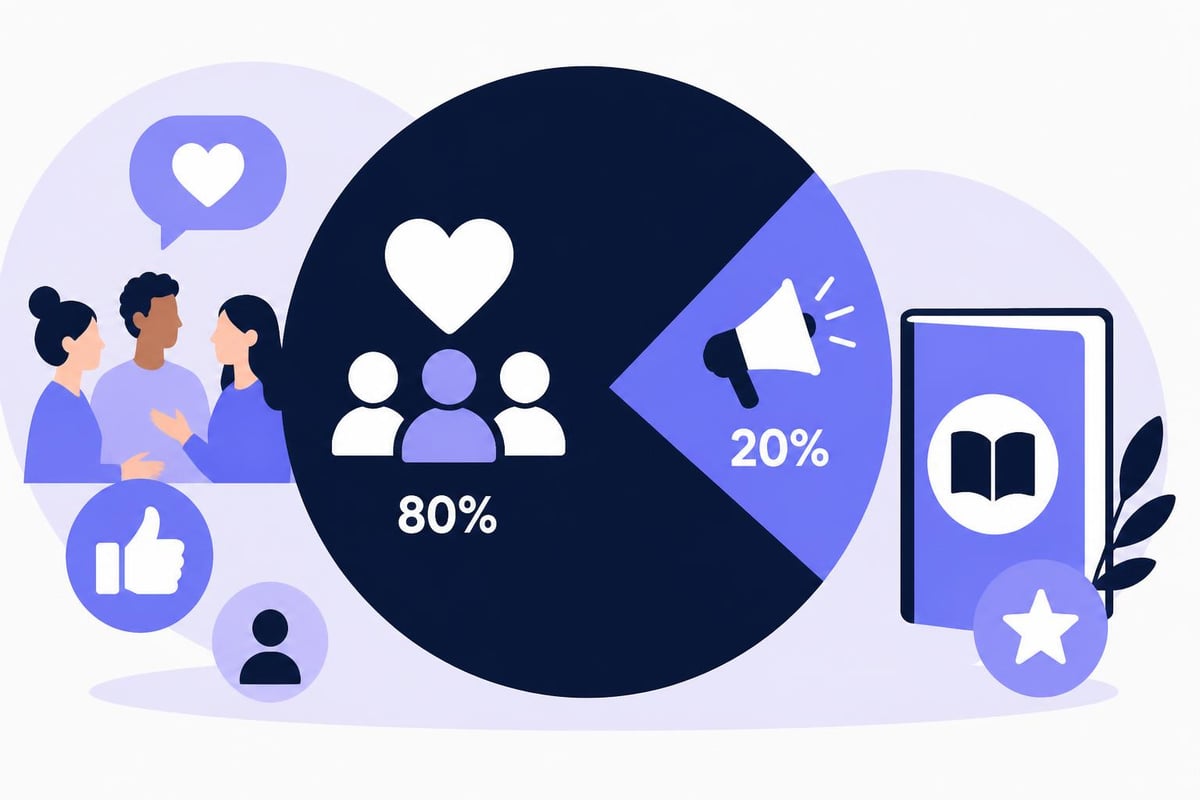
The 80/20 rule works well for author social media. Eighty percent of your content should provide value, entertainment, or connection. Twenty percent can directly promote your books.
Value-driven content ideas:
- Writing process insights and behind-the-scenes glimpses
- Book recommendations in your genre
- Discussion questions about themes in your work
- Personal stories that connect to your book's themes
- Reader spotlights and community celebrations
When you do promote your books directly, make it compelling. Don't just announce "My book is on sale." Tell a story about why you wrote a particular scene, share a reader's emotional reaction, or explain what the book means to you personally.
Email Marketing for Long-Term Success
Social media algorithms change constantly. Email puts you in direct contact with readers who want to hear from you. This is why successful book marketing strategies consistently emphasize email list building as a top priority.
Building Your Email List
Your email list starts at zero, and that's okay. Every major author started with an empty list. The question is what you're offering in exchange for someone's email address.
Effective lead magnets for authors:
- A free short story or bonus chapter
- A reading guide for your published books
- Exclusive content about your writing process
- Early access to cover reveals and excerpts
- Character backstories or world-building documents
Once you have a lead magnet, promote it everywhere: your website, social media bios, the back matter of your books, and anywhere readers engage with your content.
Email Frequency and Content
How often should you email? Often enough to stay memorable, but not so frequently that readers tune out. For most authors, weekly or bi-weekly emails strike the right balance.
Your emails shouldn't be mini advertisements. Share stories, insights, and updates that readers genuinely enjoy opening. When you do promote your books, your audience will be receptive because you've earned their attention through consistent value.
Leveraging Amazon's Promotional Tools
If you publish through Amazon KDP, you have access to powerful promotional tools that can dramatically increase your book's visibility.
Amazon Advertising Basics
Amazon ads put your book in front of readers actively searching for books like yours. Unlike social media advertising, these readers have purchase intent right now.
Three types of Amazon ads:
- Sponsored Products: Appear in search results and product pages
- Sponsored Brands: Showcase multiple books with custom headlines
- Lockscreen Ads: Display on Kindle devices (for KDP Select books)
Start with Sponsored Products and a modest daily budget ($5-10). Target keywords related to your genre and successful comparison authors. The book marketing strategies outlined by industry experts emphasize that Amazon ads work best when combined with other promotional efforts, not as a standalone tactic.
KDP Select Promotional Options
Enrolling in KDP Select gives you exclusivity requirements but unlocks powerful promotional tools.
| KDP Select Tool | Best Used For | Frequency Available |
|---|---|---|
| Free Book Promotion | Building audience and reviews | 5 days per 90-day period |
| Countdown Deals | Creating urgency for series sales | 1 per book per 90 days |
| Kindle Unlimited | Passive income from page reads | Ongoing while enrolled |
Free promotions work especially well for series. Readers discover book one for free, fall in love, and purchase the rest of the series at full price. This strategy to promote your books through strategic free days has launched many successful author careers.
Content Marketing and SEO
Your content can work to promote your books long after you publish it. Blog posts, podcasts, and videos act as evergreen marketing assets that continue attracting new readers months or years later.
Creating Discoverable Content
When readers search for topics related to your book's themes, your content can appear in results and introduce them to your work.
Content ideas that attract your ideal readers:
- How-to articles related to your book's subject matter
- Analysis of trends in your genre
- Character development insights for aspiring writers
- World-building deep dives
- Personal essays that explore your book's themes
If you write historical fiction set in Victorian England, blog posts about Victorian customs, fashion, or historical events attract readers interested in that period. Include natural mentions of your books as resources for readers who want fictionalized stories set in that world.
The technical aspects of your writing process can also attract fellow authors as readers. When you format your book professionally and share insights about that journey, you position yourself as knowledgeable while subtly promoting your work's quality.
Guest Posting and Podcast Appearances
Your expertise extends beyond your books. Guest appearances on podcasts and blogs in your niche expose you to established audiences who already trust the host.
Pitch topics that provide genuine value to the audience. Your goal isn't to deliver a 30-minute advertisement for your book. It's to offer insights, stories, or expertise that make the host look good for featuring you. When you deliver value, the host will happily let you mention your books and where listeners can find them.
Paid Advertising Beyond Amazon
While Amazon ads capture readers with immediate purchase intent, other advertising platforms help you build awareness and expand your audience.
Facebook and Instagram Ads
These platforms excel at targeting specific demographics and interests. You can reach readers who love specific authors, belong to book clubs, or engage with content related to your book's themes.
Effective Facebook/Instagram ad strategies:
- Carousel ads showcasing different books in a series
- Video ads featuring book trailers or reader testimonials
- Lead generation ads building your email list
- Retargeting ads for website visitors who didn't purchase
Start with small budgets ($5-10 daily) and test different ad creative, audiences, and messaging. Scale what works and kill what doesn't quickly.
BookBub and Newsletter Promotions
BookBub remains one of the most effective paid promotional tools for authors. Their featured deals reach millions of engaged readers actively looking for new books.
The challenge? Getting accepted requires competitive pricing (usually free or $0.99), strong reviews, and a professional presentation. Competition is fierce, but a single BookBub feature can generate thousands of downloads and significantly boost your book's ranking.
Alternative newsletter promotions like Fussy Librarian, Bargain Booksy, and Robin Reads offer similar reader reach at lower costs. Stack multiple newsletter promotions on the same day for maximum impact.
Community Building and Reader Engagement
The most sustainable way to promote your books is by building a community of readers who become advocates for your work.
Creating a Reader Community
Reader communities take various forms depending on your preference and audience.
Community platform options:
- Private Facebook groups
- Discord servers
- Patreon memberships
- Goodreads groups
- Reddit communities
The platform matters less than the value you provide and connections you facilitate. Great reader communities feel like gathering places for people who share common interests, not just fan clubs for an author.
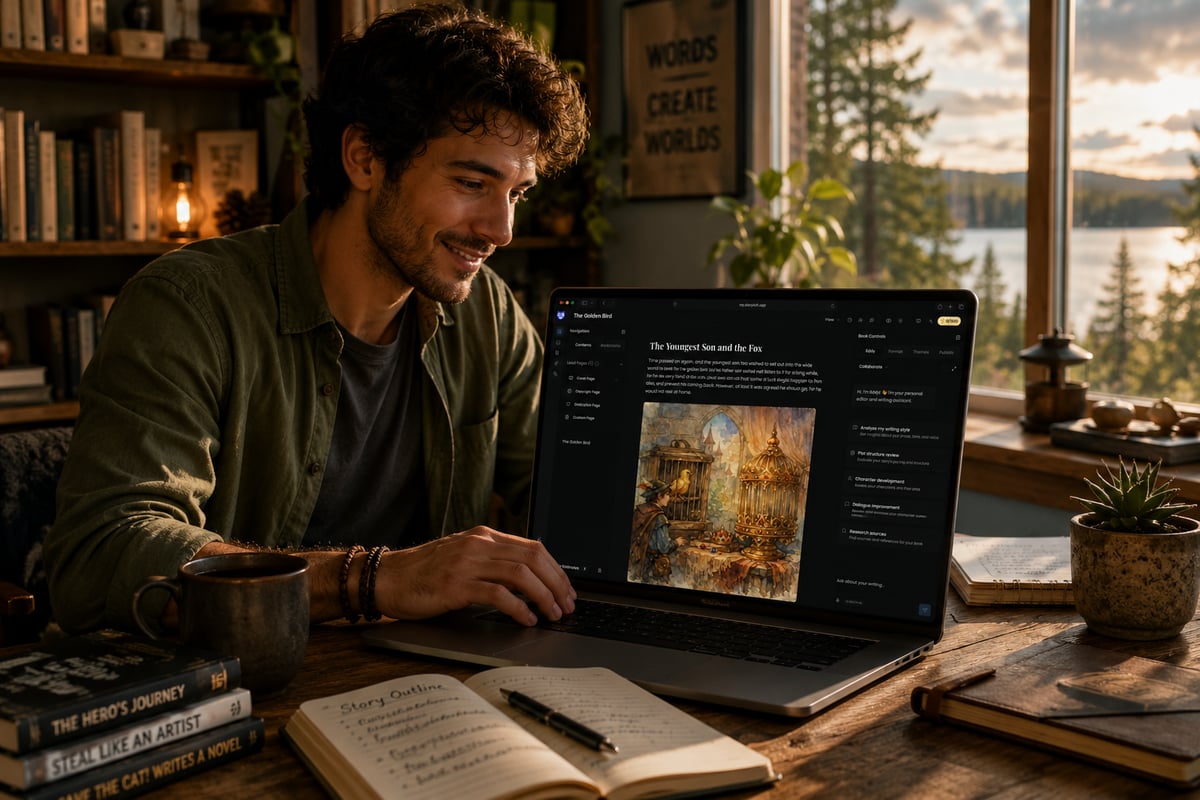
Storyloft gives authors everything needed to write, edit, format, and publish a professional book in one place, creating the high-quality work that readers want to rally around. Use Eddy, an AI editor built for authors, to get feedback on pacing, structure, prose, and consistency while preserving your unique voice.
Encouraging Word-of-Mouth Marketing
Word-of-mouth remains the most powerful marketing force. Readers trust recommendations from friends more than any advertisement.
Ways to encourage readers to spread the word:
- Make asking for reviews easy and natural
- Create shareable content related to your books
- Feature reader testimonials and experiences
- Run reader appreciation campaigns
- Respond personally to reader messages and comments
When readers feel personally connected to you, they don't just buy your books. They tell their friends, post about them on social media, and recommend them in book clubs. This organic advocacy is worth more than any paid campaign.

Measuring What Matters
You can't optimize what you don't measure. Tracking the right metrics helps you double down on what works and abandon what doesn't.
Key Performance Indicators
Not all metrics matter equally. Vanity metrics like social media follower counts feel good but don't necessarily correlate with book sales.
Metrics that actually indicate promotional success:
- Email list growth rate
- Email open and click-through rates
- Amazon sales rank movement
- Review acquisition rate
- Website traffic sources
- Conversion rates from traffic to email signups
- Return on ad spend (ROAS)
Track these weekly. Look for patterns. Which promotional activities consistently move the needle? Which consume time without delivering results?
Adjusting Your Strategy
The promotional landscape changes constantly. Algorithms shift, platforms rise and fall, and reader behavior evolves. What works brilliantly today might stop working tomorrow.
Build flexibility into your promotional plan. Set aside time monthly to review metrics, research new opportunities, and experiment with emerging platforms or tactics. The comprehensive marketing playbook for 2026 emphasizes adaptation as a core competency for successful authors.
Creating Your Long-Term Promotional System
The authors who successfully promote their books aren't running harder than everyone else. They've created systems that generate consistent results without constant manual effort.
Building Promotional Automation
Automation doesn't mean impersonal. It means creating processes that work while you focus on writing your next book.
Promotional systems to build:
- Welcome sequence: Automated emails that nurture new subscribers
- Evergreen social content: Reusable posts highlighting your backlist
- Review request sequence: Automated emails asking readers for reviews
- Cross-promotion partnerships: Reciprocal newsletter features with other authors
Each system takes time to build initially but runs with minimal maintenance once established.
Balancing Writing and Promotion
Here's the truth: you need to promote your books, but you also need to write new ones. New releases are themselves promotional events that remind readers you exist and give them reasons to explore your backlist.
Most successful authors spend 80% of their time writing and 20% promoting. During launch months, that might flip temporarily, but writing remains the priority. As noted in resources about creating effective book marketing plans, consistency matters more than intensity.
Create a weekly schedule that protects writing time while ensuring promotional activities happen regularly. For example:
- Monday-Friday mornings: Writing only
- Afternoons: Promotional activities (social media, email, ads management)
The specific schedule matters less than having one and sticking to it.
Multiplying Your Promotional Reach
Every book you publish makes promoting all your books easier. Readers who discover your latest release often purchase your entire backlist. The cumulative effect builds over time.
Series Strategy
Series dramatically multiply promotional effectiveness. When you promote your books as part of a series, you're not just selling one book. You're offering an entry point to multiple purchases.
Series promotional advantages:
- Hook readers with book one (often free or discounted)
- Generate multiple sales per reader acquisition
- Create anticipation with release schedules
- Build loyal communities around ongoing stories
Even if you write standalone books, you can create series-like effects by grouping books thematically or by genre.
Cross-Promotion with Other Authors
Your fellow authors aren't competitors. They're potential partners who share your ideal readers.
Find authors who write similar books but aren't identical to yours. Propose cross-promotional opportunities like newsletter swaps, joint giveaways, or bundled promotions. Their readers become exposed to your books, and vice versa, expanding both audiences.
Successfully promoting your books requires strategy, consistency, and the right tools working together to reach readers who'll love your work. From building your author platform to creating promotional systems that run while you write, each element compounds over time to create sustainable visibility. Storyloft combines everything you need to write, edit, and format professional books that readers want to discover, then gives you the tools to organize your promotional efforts alongside your creative work. Start building your promotional foundation today while crafting your next great story.