
How to Find Beta Readers: Your Complete Guide

I still remember the sinking feeling when I sent my first manuscript to beta readers. Three weeks of silence followed by feedback that stung but ultimately saved my book. That's when I learned that the right beta readers don't just spot typos; they become your first real audience, your compass pointing toward what works and what needs revision. For authors in 2026, knowing how to find beta readers who genuinely understand your genre and provide thoughtful feedback has become an essential skill in the publishing journey.
Understanding What Beta Readers Actually Do
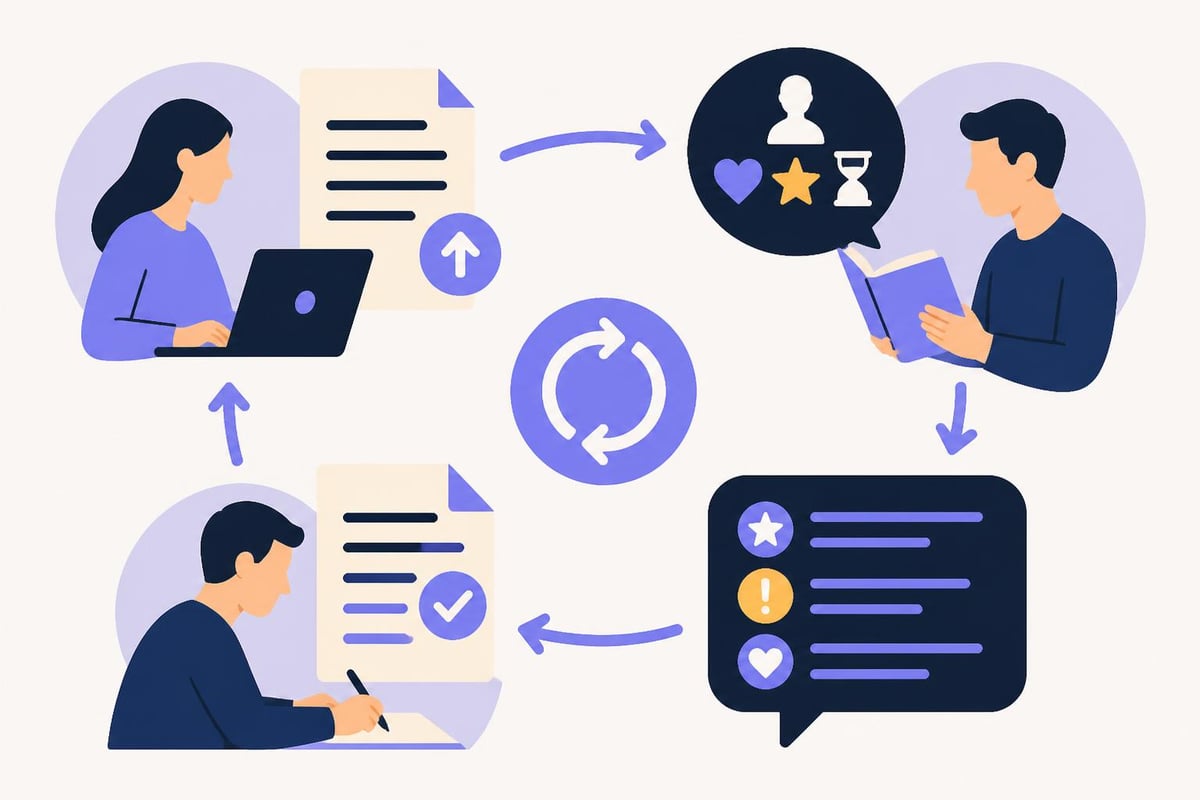
Beta readers serve as your manuscript's test audience before you invest in professional editing or release your book into the world. They read your complete draft and provide feedback on the reader experience: pacing issues, plot holes, character inconsistencies, confusing sections, and emotional impact.
What sets beta readers apart from other feedback sources:
- They focus on the reading experience, not technical grammar
- They represent your target audience
- They tell you what confused or excited them
- They highlight where they stopped caring or couldn't put the book down
- They catch continuity errors you've become blind to
Think of beta readers as your early warning system. A developmental editor might cost thousands of dollars to identify structural problems, but beta readers can flag many of these issues before you make that investment. According to Fictionary’s guide on beta readers, the optimal timing for beta reader involvement is after you've completed your self-editing but before investing in professional services.
The Investment Worth Making
Finding quality beta readers requires time and relationship building. You're not looking for cheerleaders who'll tell you everything is perfect. You need honest readers who care enough about your success to point out problems.
Where to Find Beta Readers Online
The digital landscape offers unprecedented access to passionate readers willing to provide feedback. The key is knowing where your ideal beta readers already gather.
Writing Communities and Forums
Online writing communities consistently produce the most engaged beta readers. These spaces attract people who understand the craft and appreciate the revision process.
Platforms like Absolute Write, Scribophile, and Critique Circle operate on reciprocal feedback systems. You critique others' work and earn credits to have your own manuscript reviewed. This creates a culture of serious feedback rather than casual comments. ServiceScape’s resource on finding beta readers emphasizes how these communities provide structured environments for quality exchanges.
Reddit hosts active subreddits including r/BetaReaders, r/DestructiveReaders, and genre-specific communities like r/fantasywriters or r/romanceauthors. Each has distinct rules and cultures, so spend time observing before posting.
Social Media Platforms
Twitter (X) remains surprisingly effective for connecting with beta readers through hashtags like #amwriting, #betareaders, and #WritingCommunity. Authors regularly post callouts for beta readers, and genre-specific hashtags help you target readers passionate about your category.
Facebook groups dedicated to specific genres create natural pools of potential beta readers. Groups like "20BooksTo50K," "Fiction Writing," or niche communities for cozy mystery, sci-fi romance, or historical fiction writers contain thousands of active members.
Instagram and TikTok's BookTok communities have emerged as powerful resources. Book-loving content creators often jump at opportunities to read unpublished manuscripts and many understand story structure from consuming hundreds of books annually.
| Platform | Best For | Response Time | Quality Level |
|---|---|---|---|
| Scribophile | Reciprocal detailed feedback | 2-4 weeks | High |
| Reddit r/BetaReaders | Quick connections | 1-2 weeks | Variable |
| Facebook Groups | Genre-specific readers | 1-3 weeks | Medium-High |
| Twitter/X | Building relationships | Ongoing | Medium |
| BookTok/Bookstagram | Enthusiastic readers | Variable | Medium |
Building Your Beta Reader Team Strategically
Not all beta readers should provide the same type of feedback. Strategic authors build diverse teams that examine different aspects of their manuscript.
The Four Types of Beta Readers You Need
Genre experts know the conventions, tropes, and reader expectations for your category. They'll catch when you've violated unspoken genre rules or missed opportunities to deliver on reader promises.
Target demographic representatives match your ideal reader profile. If you're writing young adult fantasy, having actual teenagers or recent YA readers provides invaluable perspective on voice authenticity and relatability.
Sensitivity readers (when your story includes experiences outside your own) help you avoid harmful stereotypes and ensure respectful, authentic representation.
General readers who simply love books bring fresh eyes without preconceptions. They catch confusing elements that genre-savvy readers might unconsciously fill in.
BookBub’s comprehensive guide recommends recruiting 5-10 beta readers, knowing that typically only 50-70% will complete the manuscript and return feedback.
Creating an Attractive Beta Reader Call
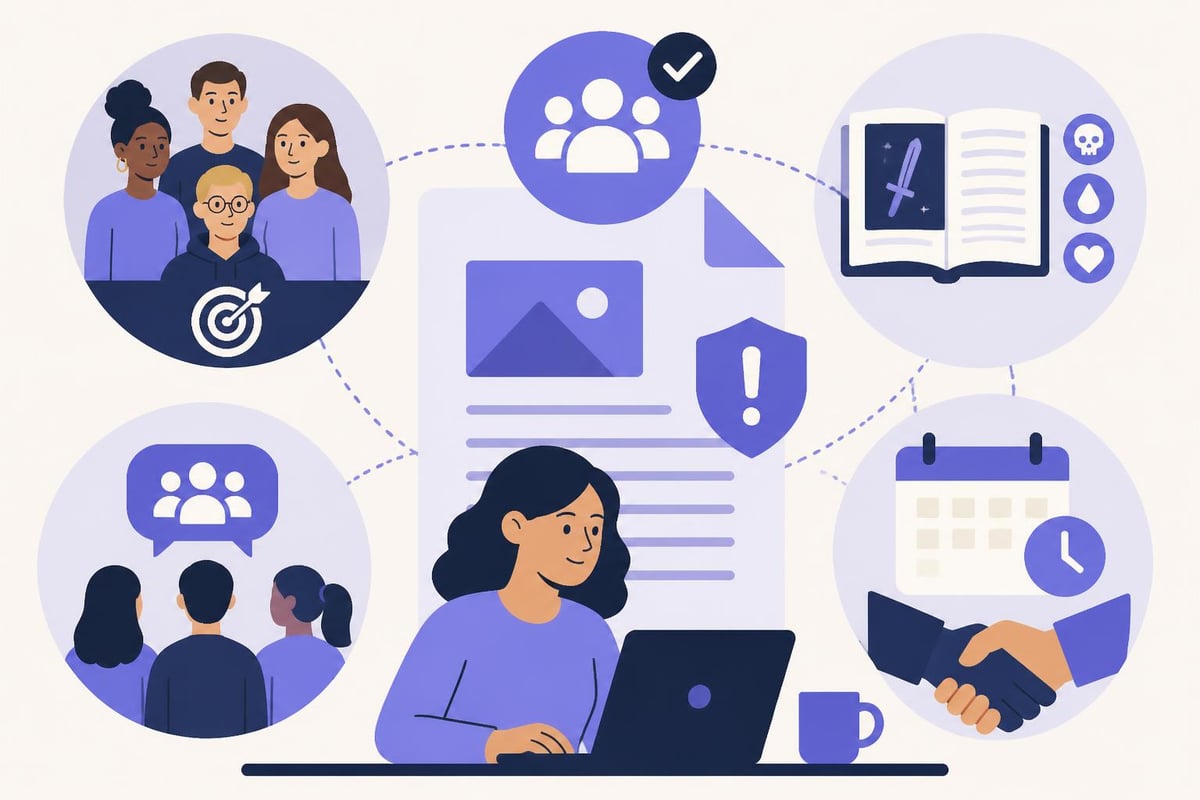
When you post a call for beta readers, specificity attracts the right people. Generic requests get ignored, but detailed callouts draw engaged volunteers.
Essential elements of effective beta reader requests:
- Clear genre and subgenre
- Word count and estimated reading time
- Content warnings for sensitive material
- Specific feedback questions you need answered
- Timeline expectations
- What you offer in return (beta swap, acknowledgment, ARC access)
Example: "Seeking 5 beta readers for 85K contemporary romance with enemies-to-lovers trope. Features workplace setting, forced proximity, dual POV. CW: anxiety representation, mild sexual content. Timeline: 3 weeks. Looking for feedback on romantic tension, pacing in second act, and whether the protagonist's career arc feels authentic. Happy to beta swap similar wordcount or provide early ARC access."
Leveraging Your Existing Network
Sometimes the best beta readers are closer than you think. Your existing connections often contain untapped resources.
Newsletter Subscribers and Existing Readers
If you've published before, your newsletter subscribers represent invested readers who already connect with your voice. Send a dedicated email explaining you're seeking beta readers for your next project. Make it feel exclusive rather than burdensome.
Readers appreciate behind-the-scenes access. Position beta reading as an opportunity to influence the final book and see your creative process. Many will enthusiastically volunteer.
Writing Groups and Critique Partners
Local writing groups, whether meeting in person or via Zoom, create accountability and ongoing relationships. Members who understand your writing journey make committed beta readers because they're invested in your success.
Critique partners who work with you chapter-by-chapter during drafting might transition to beta readers for the complete manuscript. They bring context about your intentions and can assess whether revisions achieved your goals. The guide from IUE Magazine highlights how writing workshop participants often become your most reliable feedback sources.
Book Clubs and Reading Groups
Local and online book clubs consist of passionate readers who analyze stories deeply. Reach out to clubs that read your genre and offer your manuscript as a potential selection. While not every member needs to provide detailed feedback, even discussion notes from their meeting offer insights into reader response.
Goodreads groups organized around specific genres or reading challenges attract voracious readers. Many explicitly welcome beta reading opportunities in their group descriptions.
Managing the Beta Reading Process
Finding beta readers is only half the journey. Managing them effectively ensures you receive useful feedback without overwhelming yourself or your volunteers.
Setting Clear Expectations Upfront
Create a simple guide document that beta readers receive with your manuscript. This should include:
- Feedback focus areas: What matters most to you (pacing, character development, plot logic, emotional impact)
- Timeline: Specific deadline for feedback return
- Format preferences: Whether you want overall impressions, chapter notes, or answers to specific questions
- What you don't need: Clarify you're not looking for line editing or grammar unless that's genuinely your focus
Authors who use book writing software like Storyloft often find the organization features help track beta reader assignments, categorize feedback by reader, and manage multiple rounds of revisions efficiently. Having all your manuscript drafts, notes, and reader feedback in one platform streamlines the revision process significantly.

Creating Effective Feedback Questions
Open-ended questions yield richer responses than yes/no queries. Instead of "Did you like the protagonist?" ask "What were your feelings about the protagonist at the beginning versus the end?"
Strong beta reader questions:
- Where did you feel the pacing drag or rush?
- Which character did you connect with most, and why?
- Were there any plot points that confused you or seemed inconsistent?
- Did the ending feel earned based on the character's journey?
- What scene affected you most emotionally?
- If you had to stop reading, where would it have been and why?
- What questions did you have while reading that went unanswered?
Automateed’s six-step guide provides message templates that effectively communicate these expectations without overwhelming beta readers.
Maintaining Beta Reader Relationships
The authors who never struggle to find beta readers are those who've built lasting relationships with their feedback providers.
The Reciprocity Principle
Beta reading works best as an exchange economy. If you're asking others to invest 10-15 hours reading your manuscript, offer something valuable in return.
Ways to reciprocate beyond beta swaps:
- Acknowledge beta readers in your published book
- Provide advance reader copies (ARCs) before release
- Give credit in your newsletter or social media
- Offer honest reviews of their published books
- Share their work with your audience
- Provide referrals to other authors seeking beta readers
When you beta read for others, you're not just fulfilling an obligation. You're studying storytelling craft, understanding what works and what doesn't from the reader perspective, and building genuine friendships within the writing community.
Expressing Genuine Appreciation
Beta readers volunteer their time because they love books and want to help authors succeed. Simple appreciation goes far.
Send personal thank-you notes highlighting specific feedback that helped you. When you publish, let beta readers know their contribution mattered. Share how their insights shaped the final version.
Track your beta readers in a spreadsheet noting their strengths, genres they prefer, typical turnaround time, and what you've done to reciprocate. This system helps you match the right readers to future projects and ensures you don't accidentally over-ask any single person.
Evaluating and Implementing Beta Feedback
Receiving beta reader feedback can feel overwhelming, especially when readers disagree or point out problems you didn't anticipate.
Looking for Patterns, Not Individual Opinions
One beta reader's confusion about a plot point might reflect personal preference. Three beta readers stumbling at the same moment signals a genuine problem requiring revision.
Create a spreadsheet tracking feedback by category: pacing, character development, plot logic, world-building, dialogue, emotional impact. When you see the same issue raised multiple times, prioritize that in revisions.
Common patterns that demand attention:
- Multiple readers confused by the same scene or character motivation
- Several readers losing engagement at similar points
- Consistent questions about plot logistics or timeline
- Repeated comments about character inconsistency
- Similar emotional reactions (or lack thereof) at key moments
Dismiss outlier feedback gracefully. Not every suggestion improves your story, and some beta readers won't align with your vision. That's perfectly normal.
Balancing Feedback with Vision
Beta readers provide perspective, but you remain the author. Some feedback reveals genuine problems. Other feedback reflects different storytelling preferences.
When feedback contradicts your artistic vision, ask yourself: "Is this a craft issue or a taste issue?" If multiple skilled readers struggle with something you intentionally crafted, perhaps the execution needs refinement even if the concept stays.
Trust beta readers for the reader experience. Trust yourself for the artistic vision. The magic happens when you use their insights to better communicate what you intended.
Finding Beta Readers for Different Genres
Different genres require different beta reader strategies because reader expectations and community cultures vary significantly.
Fiction Genre Considerations
Romance readers often make excellent beta readers because they consume books voraciously and understand genre conventions deeply. BuildBookBuzz’s exploration of beta reader sources notes that romance, fantasy, and sci-fi communities tend to be most active in beta reading exchanges.
Mystery and thriller authors benefit from beta readers who can assess whether clues land fairly, red herrings work effectively, and pacing maintains tension.
Literary fiction often requires beta readers comfortable with ambiguity and experimental structure. University MFA programs and literary magazine communities provide access to these readers.
Nonfiction Beta Reader Needs
Nonfiction beta readers should include people from your target audience who can assess whether your content delivers on its promise. A business book needs entrepreneur beta readers. A parenting guide needs actual parents.
Subject matter experts who can verify accuracy and spot outdated information prove invaluable for nonfiction. Balance expert readers with general readers who represent your actual audience's knowledge level.
| Genre | Ideal Beta Readers | Key Feedback Focus |
|---|---|---|
| Romance | Avid romance readers, genre authors | Chemistry, emotional beats, trope execution |
| Fantasy/Sci-Fi | Worldbuilding enthusiasts, series readers | Consistency, magic system logic, pacing |
| Mystery/Thriller | Puzzle lovers, genre fans | Clue placement, red herrings, tension |
| Literary Fiction | MFA community, literary mag readers | Voice, themes, experimental elements |
| Memoir/Narrative NF | General readers, writing groups | Authenticity, pacing, emotional truth |
| Prescriptive NF | Target audience, subject experts | Clarity, actionability, accuracy |
Red Flags When Working with Beta Readers
Not every beta reader relationship works smoothly. Recognizing problems early helps you course-correct or gracefully exit unproductive arrangements.
When Beta Readers Become Problematic
Some beta readers overstep boundaries by attempting to rewrite your story rather than providing reader perspective. Comments like "I would have written this scene completely differently" or extensive rewriting suggestions signal someone acting as a co-author rather than a reader.
Warning signs of unhelpful beta readers:
- Feedback focuses primarily on personal preferences rather than craft issues
- Attempts to change your story's fundamental genre or tone
- Consistently misses deadlines without communication
- Provides only praise without constructive insights
- Shares your unpublished manuscript without permission
- Focuses exclusively on grammar rather than story-level feedback
Handle these situations diplomatically. Thank them for their time, explain the feedback didn't align with your needs, and move forward without them in future projects.
Protecting Your Unpublished Work
While most beta readers respect confidentiality, take basic precautions. Consider having beta readers sign simple Non-Disclosure Agreements (NDAs) for high-stakes projects.
Watermark digital manuscripts with beta reader names or use platforms that track access. Share manuscripts as PDFs rather than editable Word documents to maintain version control.
Trust your instincts. If someone seems overly interested in your concept details before reading or asks unusual questions about your publishing plans, proceed cautiously.
Advanced Strategies to Find Beta Readers
Once you've exhausted obvious sources, creative approaches can connect you with engaged readers.
Partnering with Bookstagrammers and BookTokers
Content creators who review books for social media audiences often welcome beta reading opportunities. They understand storytelling deeply from analyzing hundreds of books and bring marketing insights about what resonates with readers.
Reach out with personalized messages acknowledging their content. Explain why your book aligns with their interests. Offer early access in exchange for honest feedback, making clear there's no obligation for a positive review.
Virtual Writing Conferences and Events
Online writing conferences in 2026 have become networking goldmines. Attend genre-specific events where you'll meet both writers and readers passionate about your category.
Many conferences offer beta reading matching services or dedicated networking sessions. The relationships you build extend beyond single projects into ongoing writing friendships.
Creating Your Own Beta Reader Group
Authors publishing multiple books benefit from cultivating a consistent beta reader group. Recruit readers who loved your previous work and invite them to join an exclusive group that sees all future manuscripts first.
Use tools like Storyloft’s manuscript management features to organize different reader groups, track who's read what, and manage feedback across multiple projects. When you're working on several books simultaneously, having organized systems prevents confusion and ensures every beta reader receives the right draft.
Library Connections
Local librarians know passionate readers and can often make introductions. Some libraries host author events or writing groups that naturally connect you with potential beta readers.
College and university libraries provide access to student readers, particularly valuable if you're writing young adult or new adult fiction.
Timing Your Beta Reader Search
When you recruit beta readers impacts both the quantity and quality of volunteers you attract.
Optimal timing based on your publishing schedule:
- Traditional publishing track: After completing your full draft and self-editing, before querying agents
- Self-publishing track: After your second or third draft, before investing in professional editing
- Serialized release: Recruit ongoing beta readers before beginning serialization
- Revision stage: When you've made major structural changes and need fresh eyes
Avoid recruiting during November (NaNoWriMo) when writers are focused on their own drafts, or during major holidays when reading time diminishes. January through March and September through October typically see higher volunteer rates as readers seek new projects.
Finding beta readers transforms from daunting task to manageable system once you understand where your ideal readers gather and how to build genuine relationships within writing communities. The investment in recruiting thoughtful beta readers pays dividends through manuscripts that resonate more deeply with your ultimate audience and require fewer expensive professional editing rounds. When you're ready to take your refined manuscript through the final stages of formatting and publishing, Storyloft provides everything you need in one platform, from AI-powered editing that preserves your voice to professional formatting for both print and digital releases, ensuring the story your beta readers helped you perfect reaches readers in its best possible form.